


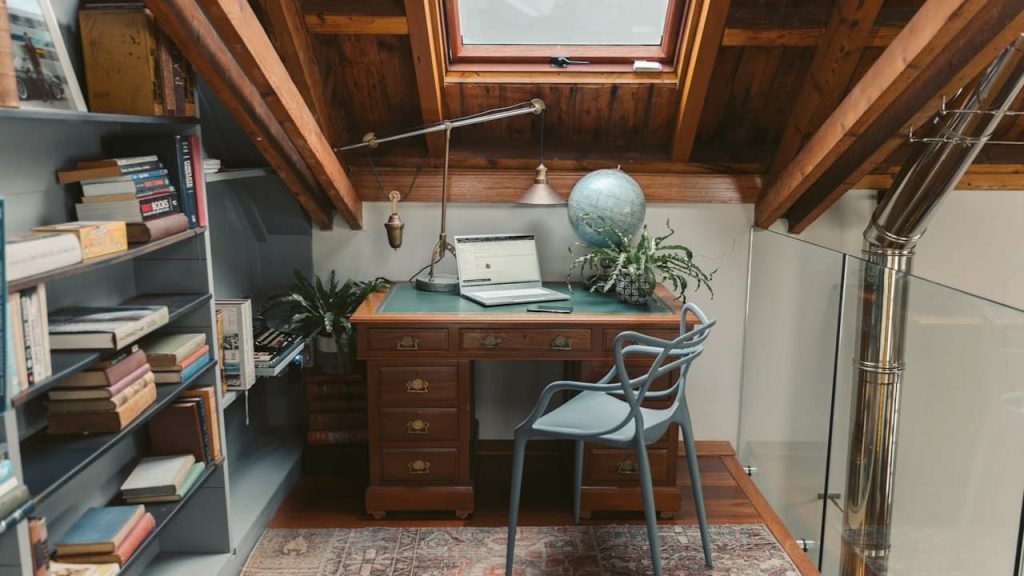
Attics are like time capsules—full of forgotten boxes, dusty keepsakes, and the occasional mystery item you can’t quite place. While some finds might tug at your heartstrings, others are nothing more than clutter collecting dust.
Using current trends, expert advice, and safety data, we’ve rounded up 10 of the most common attic discoveries that are better off in the trash. These items aren’t just taking up valuable space—they can also pose hidden hazards.
Before your next attic cleanout, keep this list handy. It might just save you from holding onto things that should have been tossed years ago.
1. Old Paint Cans


Leftover paint doesn’t age gracefully. Over time, components separate, solvents off-gas, and rusted lids can leak—creating both indoor air quality issues and environmental hazards. The EPA classifies old paint as household hazardous waste, which means it should never be poured down the drain or tossed in the regular trash.
Check if your state participates in PaintCare for drop-off locations, or use Earth911’s recycling locator to find local HHW events. As a rule of thumb, unopened latex can last up to ~10 years and oil-based up to ~15, but strong odors, clumps, or heavy separation signal it’s done. Label, seal, and transport upright for safe disposal.
2. Outdated Electronics

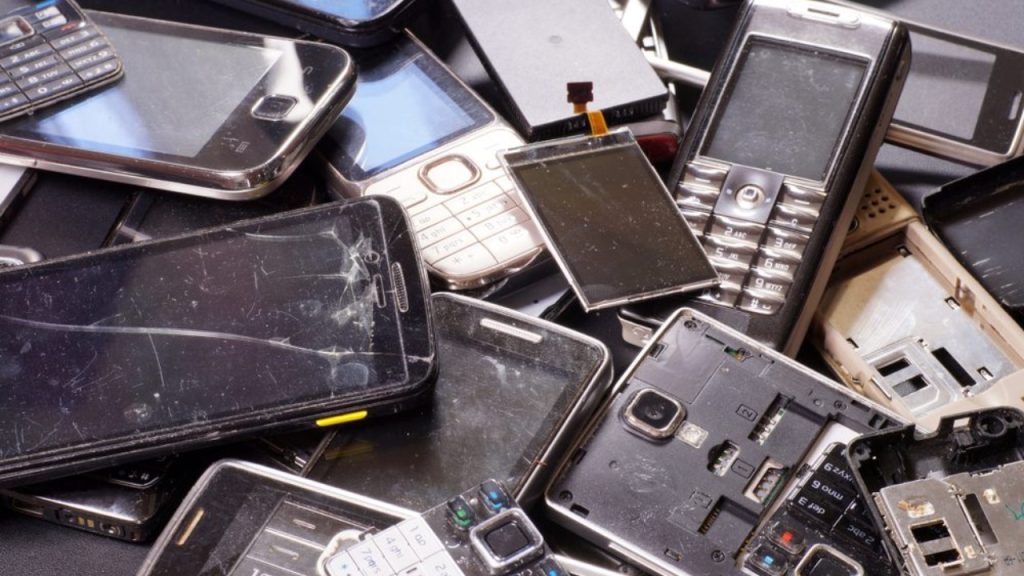
Bulky VCRs, CRT TVs, tangle piles of cables—e-waste eats space and may contain lead, mercury, and flame retardants. Globally, e-waste has surged, with limited recycling capture, per the Global E-waste Monitor. Keeping it indefinitely risks leaks and fire hazards.
Responsible options: retailer take-back like Best Buy Recycling or Staples Recycling Services; municipal e-waste days via Earth911. If it works—and is collectible—consider selling (retro gaming, hi-fi). Always wipe data from phones and computers before handing off.
3. Old Mattresses
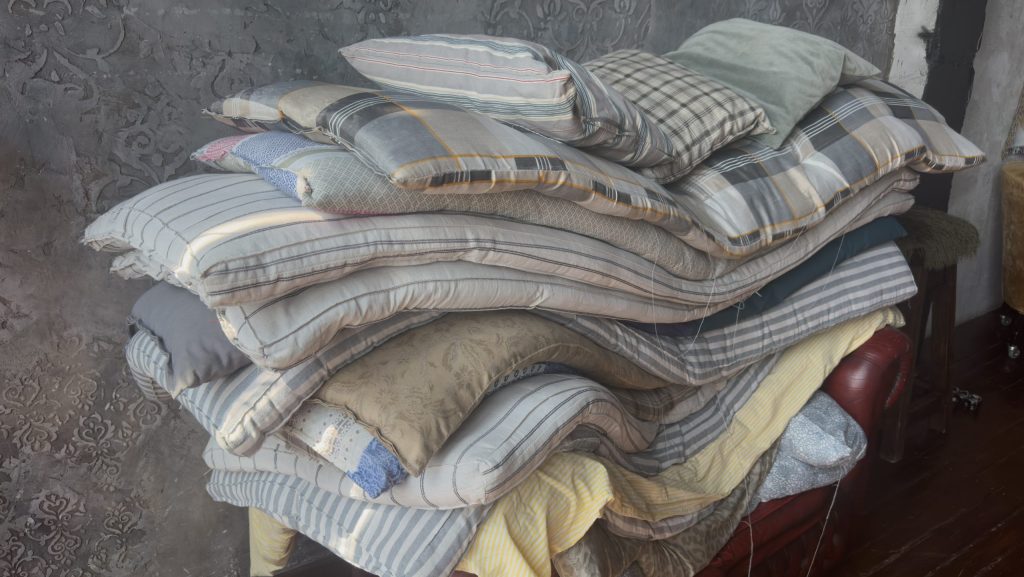
Mattresses harbor dust mites, allergens, and moisture—none of which belong in an attic. Most lose support after 7–10 years and are cumbersome space hogs. Many charities do not accept used mattresses due to hygiene rules, so check policies first.
Better: recycle the components (steel, foam, fiber) through the Mattress Recycling Council’s Bye Bye Mattress program (available in many states) or ask your retailer about haul-away when you buy new. If donation is allowed locally and the mattress is clean and undamaged, confirm acceptance criteria before scheduling pickup.
4. Unused Exercise Equipment
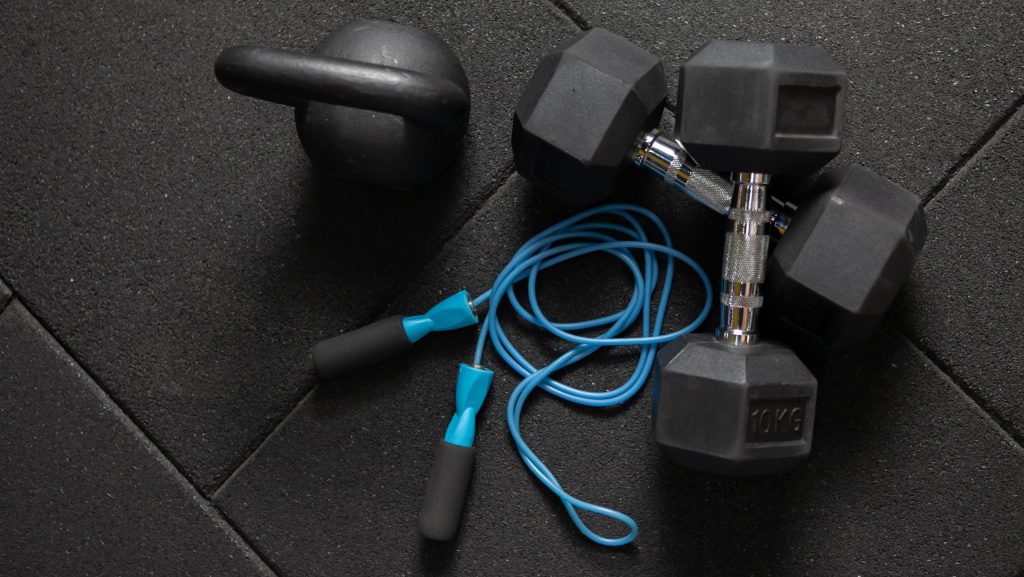
Treadmills-as-clothes-racks and dusty weight sets waste prime storage. If you haven’t used it in a year, convert it to cash or community benefit. Photograph clearly, note model/condition, and sell on Facebook Marketplace or Craigslist; for sports gear, try Play It Again Sports.
Donating? Many schools, community centers, and rec programs accept gently used equipment. If it’s broken or unsafe, ask your municipality about metal recycling for weights/frames and scheduled bulky-item pickup for non-recyclables.
5. Old Tax Returns
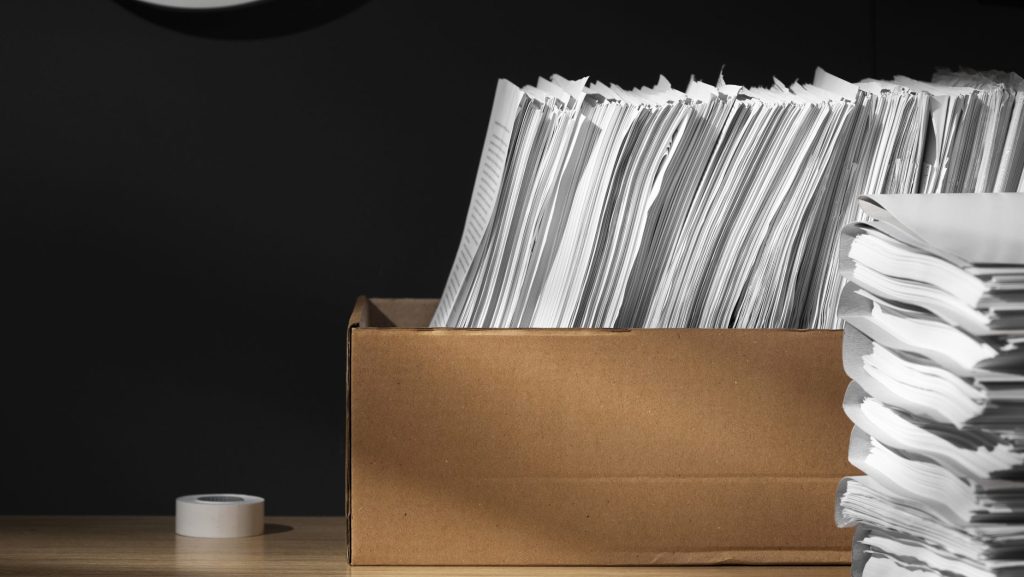
Paper piles attract pests and create identity-theft risk. The IRS generally recommends keeping returns and supporting documents for three years (longer in special cases like unreported income or worthless securities).
Digitize what you need, then shred the rest (cross-cut). Keep originals for active audits, NOL carryforwards, or property basis records. Store retained documents in labeled, waterproof containers—not loose in an attic prone to heat and humidity.
6. Old Newspapers


Newsprint yellows, becomes brittle, and sheds dust—plus stacks add to fire load. Keep only truly significant clippings (births, obits, major events) and preserve them properly rather than storing teetering piles.
Follow the Library of Congress guidance on preserving newspapers (acid-free folders, minimal light, low humidity). Scan or photograph items for digital keepsakes, then recycle the bulk through curbside or a local drop-off center.
7. Old Clothing
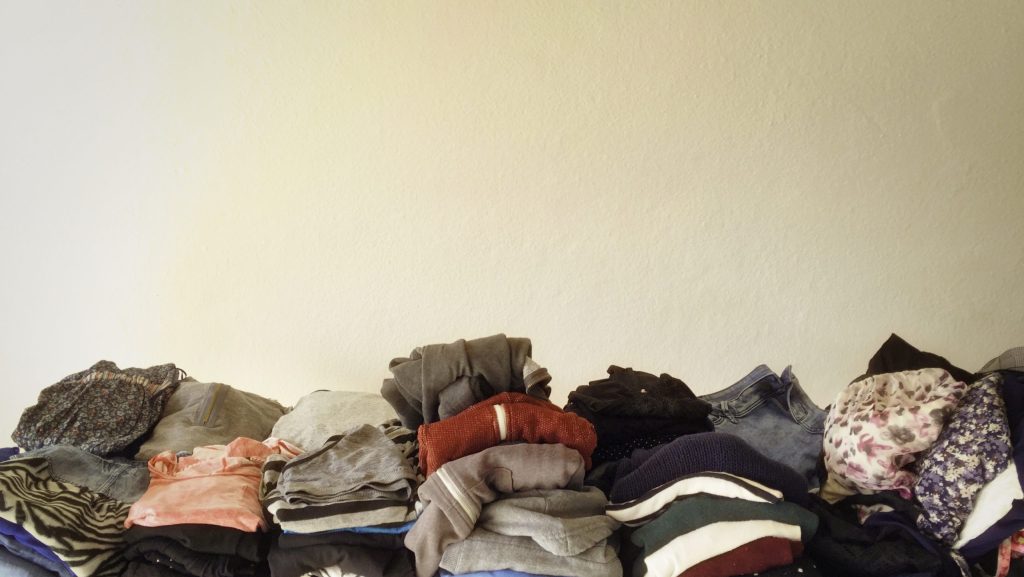
Textiles stored in hot attics invite mildew and pests. Americans discard millions of tons of textiles annually, according to the EPA’s textiles facts & figures, much of which could be reused or recycled.
Sort into “wearable donation,” “resale,” and “recycle.” Donate clean, usable garments to organizations like Goodwill; sell special pieces on consignment. For worn items, use Earth911 to find textile recycling. Store off-season clothes in breathable bins in climate-controlled spaces—not attics.
8. Broken or Unwanted Furniture

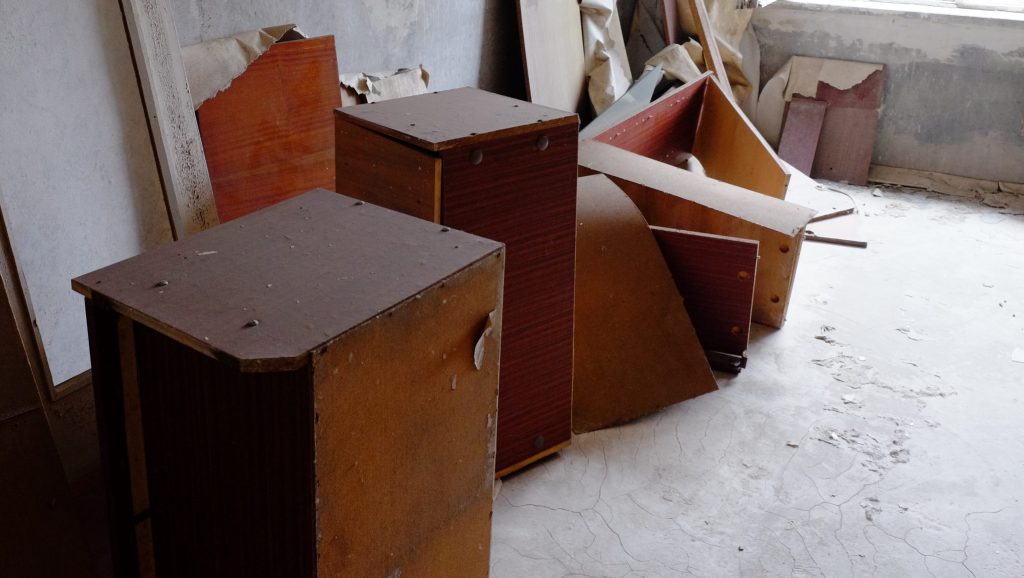
Wobbly chairs and chipped end tables hog space and can attract pests in unfinished attics. If the piece is sturdy and clean, donate it to a local nonprofit like Habitat for Humanity ReStore, which often offers pickup and keeps items out of landfills.
Too far gone? Check your city’s bulky-item collection schedule or search Earth911 for wood/metal recycling options. Photograph and list gently used items for sale before moving—empty attics make homes feel larger and more market-ready.
9. Old Children’s Toys

Pre-regulation toys (especially pre-1978, when lead-based paint was common) can pose safety risks. Check for recalls and safety alerts before donating or selling. The U.S. Consumer Product Safety Commission maintains an up-to-date recalls database.
Still safe and clean? Donate or pass along. LEGO even runs a free donate program called LEGO Replay that sends bricks to children’s nonprofits. Heavily worn or broken plastic toys are difficult to recycle curbside; check specialty options locally or remove batteries and dispose of electronics separately.
10. Old Appliances

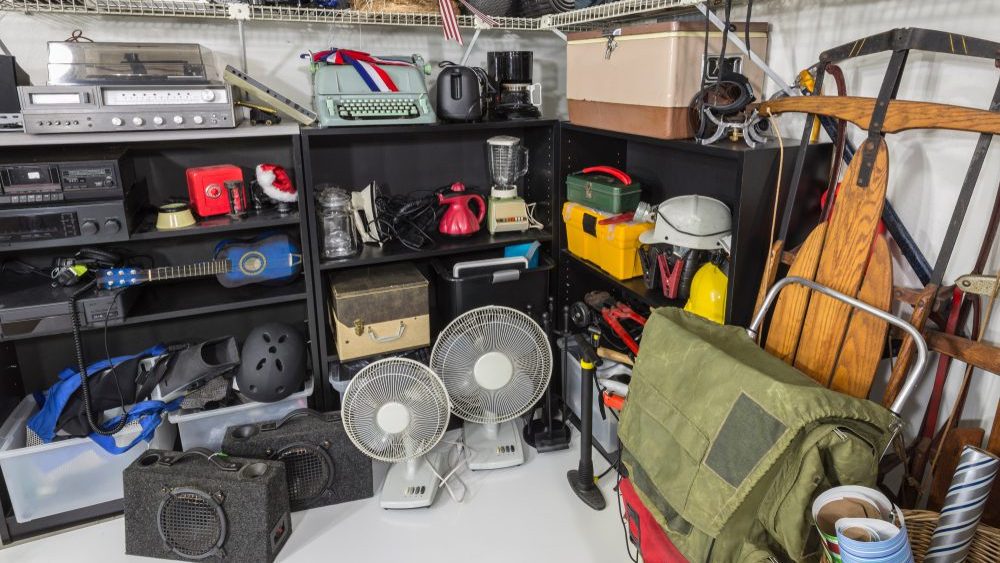
Retired fridges, freezers, and window ACs aren’t just space wasters—they’re energy hogs and may contain refrigerants that require proper handling. Many retailers will haul away an old unit with delivery of a new one, and utilities often offer rebates for recycling inefficient appliances.
Start with ENERGY STAR’s rebate finder to see local take-back incentives, or use Best Buy Recycling for eligible items. For smaller appliances, check municipal drop-off centers and metal recyclers. Always remove doors from old refrigerators/freezers for safety before storing curbside for pickup.
Remember, the goal isn’t just a cleaner attic—it’s a safer, healthier home. Using the right recycling and donation channels keeps hazardous materials out of landfills and gives usable items a second life.