

Your bathroom might look clean, but a lot of everyday items in there are quietly collecting germs, mold, and even hormone-disrupting chemicals. Experts say some of these things are so risky that you should toss them as soon as you notice certain warning signs. Use this list as a quick audit so you can clear out the worst offenders and make your bathroom a lot safer in a single sweep.
1) Loofahs and bath poufs

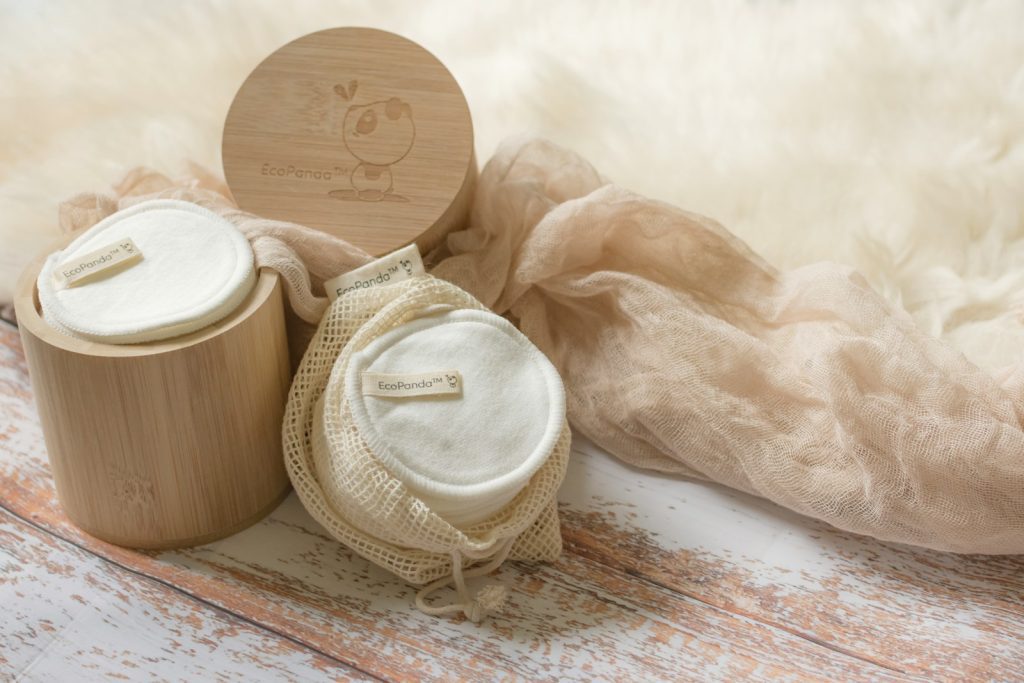
Loofahs and bath poufs feel like they are scrubbing you clean, but experts say they are actually prime real estate for bacteria. The porous material traps dead skin cells, soap scum, and constant moisture, which lets microbes such as Staphylococcus aureus thrive. Dermatologist Melissa Piliang has warned that natural loofahs should be replaced every three to four weeks, and synthetic poufs every few months, because they can quickly become bacterial breeding grounds.
Reporting on bathroom clutter also flags loofahs as items you should toss as soon as they look discolored or smell off, since that usually means mold is already present. If you shave in the shower, any tiny nicks in your skin give those germs a direct path into your body, raising the risk of infections and folliculitis. If you love a good scrub, switch to a washcloth you launder in hot water after each use or a silicone scrubber that dries quickly and does not hold onto dead skin.
2) Toothbrushes
Your toothbrush spends a few minutes in your mouth every day, so it is easy to forget how gross it can get between uses. Hygiene experts say a single brush head can harbor up to 10 million bacteria, especially once the bristles start to fray and trap more debris. Guidance on bathroom items to throw away stresses that you should replace your toothbrush every three months at minimum, and immediately after you recover from an illness.
Keeping an old brush means you are basically reintroducing those germs into your mouth over and over, which can undermine dental work and irritate your gums. Storing it near the toilet without a cover also exposes it to droplets from every flush. To cut down on contamination, keep your toothbrush upright so it can air-dry, avoid sharing holders with sick family members, and mark your calendar to swap it out four times a year.
3) Bath towels
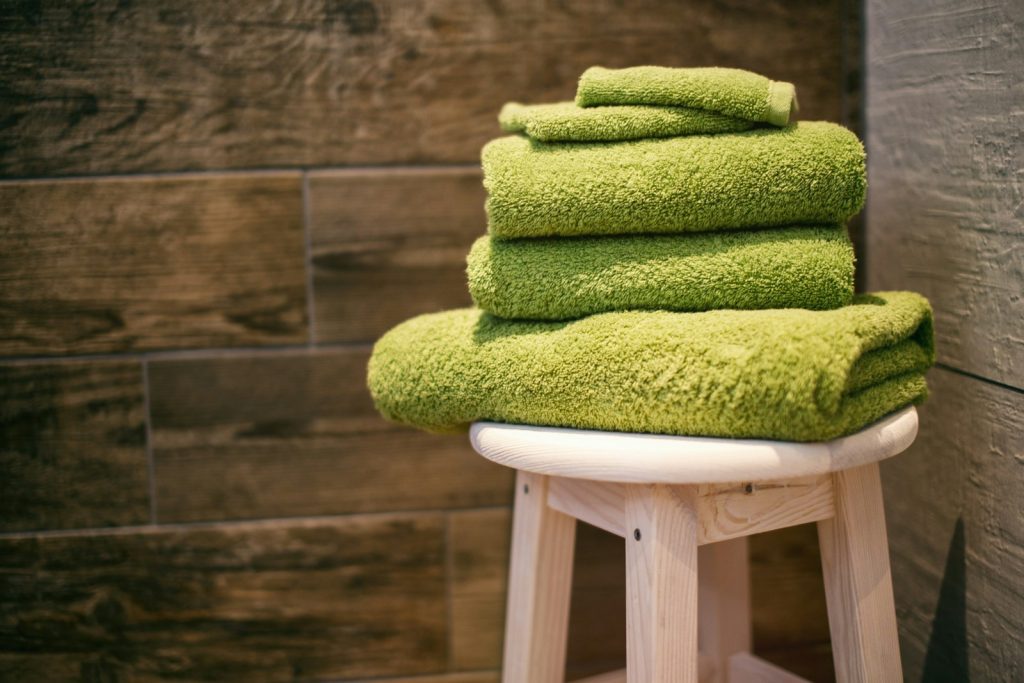
Bath towels feel harmless, but once they stop drying properly, they turn into damp, woven petri dishes. Organizing pros who look at overlooked decluttering spots say bathrooms are notorious for musty towels that never fully dry in humid air. That lingering moisture lets bacteria and mold settle into the fibers, especially in folds and seams you rarely inspect.
If your towels smell sour even after washing, feel slimy, or leave you damp instead of dry, it is time to throw them out, not just demote them to “cleaning rags.” Using them on your face can trigger breakouts and irritation, and people with allergies or asthma may notice more symptoms from the mold spores. Going forward, hang towels fully open, wash them in hot water regularly, and replace them once the loops flatten or the edges fray.
4) Razors
Razors sit right at the intersection of sharp metal and warm, wet skin, which is exactly why experts are strict about when to toss them. Advice on household items you should replace ASAP notes that blades become dull and bacteria laden after only 5 to 7 shaves. Once the edge degrades, you have to press harder, which causes more nicks and razor burn.
Rusty razors are an even bigger problem, since Rusty metal can harbor bacteria that slip into those tiny cuts and lead to infections. If your razor lives in the shower, it is constantly exposed to water and soap film, so deterioration happens faster. To protect your skin, store razors in a dry spot, pat them dry after each use, and throw them out at the first sign of tugging, rust, or a slimy handle.
5) Expired medications
The bathroom medicine cabinet is one of the most dangerous places to ignore expiration dates. Reporting on bathroom products to replace explains that both supplements and medication lose their potency over time, and liquids can separate or grow contaminants. Both pills and gummies can become gummy or discolored, which is a clear sign that the formula has broken down.
Health authorities warn that some drugs do not just weaken, they can degrade into compounds that irritate your stomach or interact unpredictably with other prescriptions. Keeping expired pain relievers or antibiotics around also makes it easier to self-medicate instead of getting proper care. Follow FDA disposal guidance, which usually means using take-back programs or mixing pills with something unappealing like used coffee grounds before throwing them away, and keep only what you actively use in the bathroom.
6) Makeup sponges and brushes
Makeup sponges and brushes live in a perfect storm of oil, moisture, and pigment, which is why beauty and dermatology pros are so strict about replacing them. Guidance on bathroom items to toss when damaged highlights that once applicators look stained or misshapen, they are usually loaded with bacteria. Many experts recommend swapping out sponges every one to three months, especially if you use liquid foundation.
Dirty tools spread that buildup back onto your face, clogging pores and triggering acne, redness, and even eye infections if you share products. Over time, frayed bristles also scratch the skin’s surface, making it easier for microbes to get in. To cut your risk, wash brushes weekly with a gentle cleanser, let them dry completely before storing, and treat any sponge with a lingering smell or dark stains as a disposable item, not a long-term investment.
7) Shower curtains and liners
Shower curtains and liners sit in a damp, steamy environment all day, so it is no surprise they are mold magnets. Organizing experts who focus on plastic shower curtain liners point out that Not only does mold and mildew build up on the surface, but many vinyl liners also off-gas chemicals that affect indoor air quality. According to Dr. Brown, all kinds of bacteria and mold form on shower curtains and liners, and the most common type is the kind that causes body odor.
Once you see pink, black, or orange streaks along the bottom edge, or notice a sour smell when you pull the curtain closed, it is time to throw it out instead of trying to scrub every inch. Those spores can trigger respiratory issues and skin irritation, especially for kids and anyone with asthma. To stay ahead of the problem, choose washable fabric curtains, launder them regularly, and replace plastic liners at the first sign of slime or discoloration.
8) Plastic bottles and storage containers
Plastic bottles and storage bins seem harmless, but in a hot, humid bathroom they can start to break down. Household advisors warn that scratched or aging plastic can leach chemicals into whatever it touches, especially oily products like lotions and hair serums. Guidance on things you should never store in plastic containers explains that repeated exposure to heat and light speeds up that process.
When you decant shampoo, mouthwash, or homemade scrubs into old travel bottles, you may be adding unwanted compounds to formulas you use on your skin every day. Cracked lids and warped sides also make it easier for bacteria and mold to sneak into the container. To reduce your exposure, recycle scratched bottles, switch to glass or stainless steel where possible, and avoid keeping plastic organizers right next to radiators or in direct sunlight on the windowsill.
9) Lotions and creams containing “fragrance”
Lotions and creams that list “fragrance” or “parfum” on the label might smell luxurious, but experts say that vague word can hide a long list of chemicals. Reporting on harmful chemicals in personal care products notes that some fragrances contain phthalates, which have been linked to hormone disruption. Because companies can treat fragrance blends as trade secrets, you often have no idea what is actually in that mix.
Using these products daily on large areas of skin, especially right after a hot shower when your pores are open, can increase your exposure. People with eczema, allergies, or migraines may also find that fragranced lotions trigger flare-ups or headaches. If you want to play it safer, experts suggest tossing old scented products, choosing formulas labeled “fragrance-free” rather than “unscented,” and checking ingredient lists for clear, specific components instead of catch-all terms.
10) Hair brushes and combs
Hair brushes and combs are easy to ignore until they are visibly disgusting, but by then they have usually been a problem for a while. Decluttering minimalists who share things they always throw out point out that old grooming tools trap dead skin, shed hair, lint, and styling product residue. Once bristles are bent, melted, or missing, they cannot glide through hair properly and instead scratch your scalp.
That buildup can transfer yeast and bacteria back onto your skin, contributing to dandruff, itchiness, and clogged follicles that make hair look greasy faster. If cleaning with a comb and gentle shampoo still leaves the base grimy, or the cushion smells musty, it is time to toss the brush. Going forward, remove hair after every use, wash tools monthly, and replace them when the bristles lose their shape so your scalp stays healthier and your styling products actually work.
More from Decluttering Mom: