Decorating your space can be exciting, but it’s easy to make mistakes along the way. Whether you’re updating a room or starting fresh, certain errors tend to happen to almost everyone at some point.
Understanding these common decorating mistakes helps you avoid frustration and create a more comfortable, balanced space. Knowing what to watch for can make your design process smoother and more enjoyable.
Using too many bright or dark colors without balance

Using too many bright or dark colors can make your space feel overwhelming or heavy. It’s easy to get carried away, but without balance, the room can lose its harmony.
Try following the 60/30/10 rule: 60% dominant color, 30% secondary, and 10% accent. This helps keep strong colors friendly and intentional in your decor.
Pushing all furniture against the walls
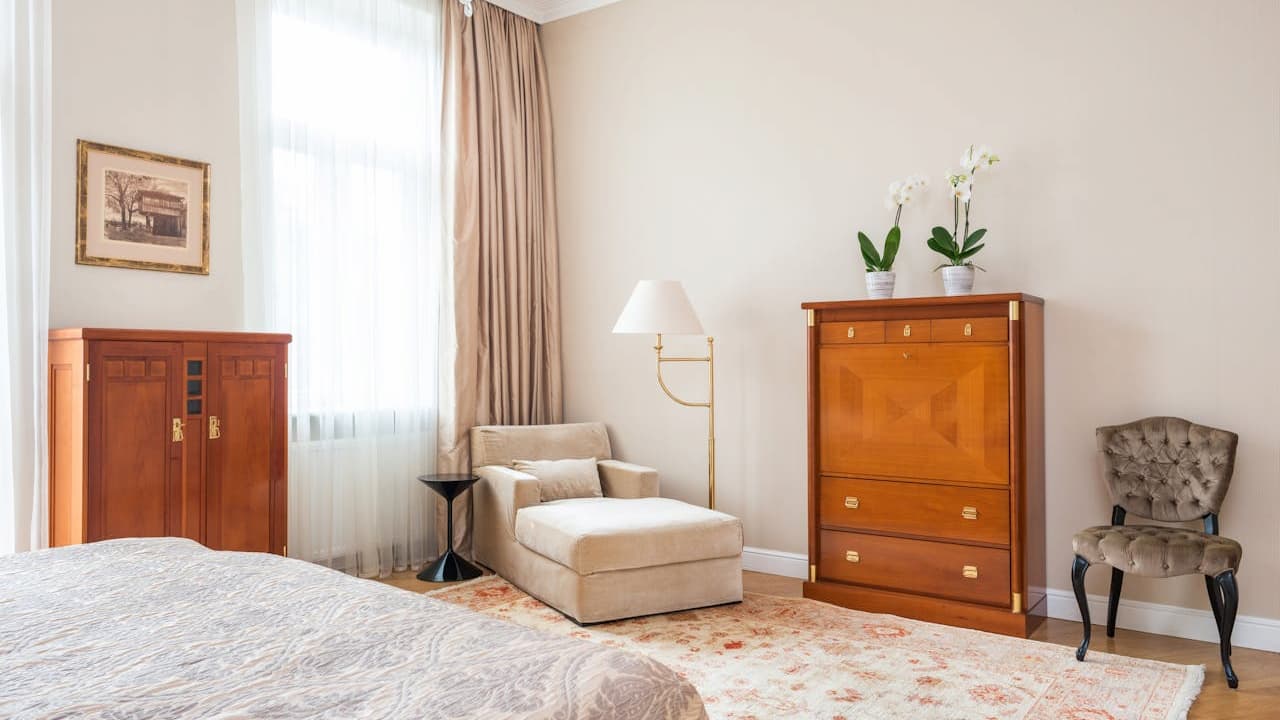
You might think lining your furniture along the walls opens up space, but it can actually make your room feel empty and disconnected.
Try pulling pieces inward to create cozy conversation areas. This helps your room feel more inviting and functional.
Floating furniture also improves flow, making it easier to move around. It encourages social interaction instead of everyone sitting far apart. This simple change can make a big difference in how comfortable your space feels.
Hanging artwork too high or too low

You might hang artwork too high or too low without realizing it. Aim to place the center of your piece at eye level, which is usually around 57 to 60 inches from the floor.
Keep in mind the room’s purpose. For spaces where you mostly sit, like a living room, hang art a little lower to match your seated line of sight.
This simple adjustment helps your artwork feel balanced and connected to the room’s scale. It also makes your space more inviting and comfortable to look at.
Skipping a defined focal point in the room

You might overlook creating a clear focal point when decorating. Without one, your room can feel unfinished or chaotic.
Choosing a focal point, like a piece of art, a fireplace, or a statement chair, helps guide your furniture arrangement. It makes the space feel balanced and inviting.
When you highlight one key element, your room instantly gains purpose. This simple step can transform how your space looks and feels.
Overloading with too many collections at once
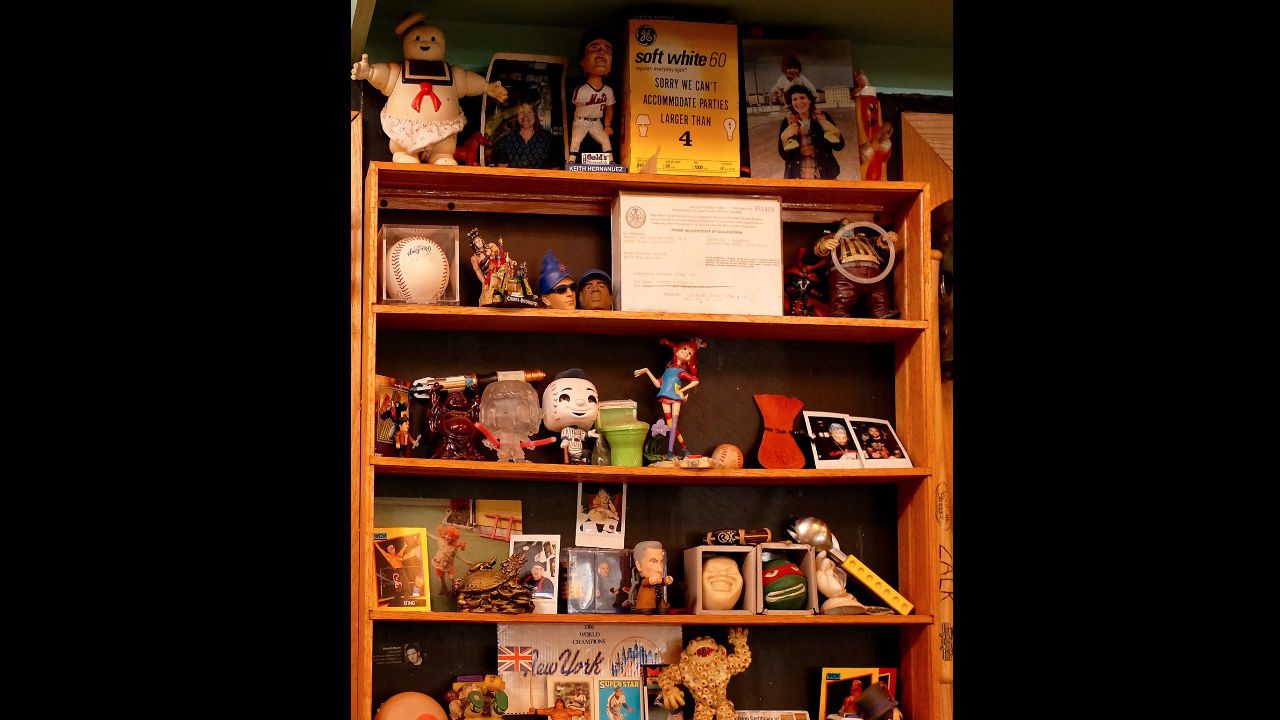
You might think more is better when displaying collections, but piling too many items can quickly make your space look cluttered.
When shelves or tables are crowded, the individual beauty of each piece gets lost.
Try to give your collections some breathing room. This way, each item can stand out, and your space will feel more balanced and inviting.
Neglecting personal touches and meaningful items

When you skip adding personal touches, your space can feel cold and generic. Your home should reflect who you are through meaningful items and memories.
Including things like photos, souvenirs, or artwork that resonate with you makes your space unique. These small details bring warmth and character without cluttering the room.
Ignoring the importance of scale and proportion

You might pick furniture or decor that looks nice up close but feels off in your room. When items are too big or too small for your space, it can throw off the balance and make the room feel uncomfortable.
Pay attention to how each piece fits together. Choosing the right size helps your space feel more inviting and visually pleasing. Remember, proportion matters just as much as style.
Choosing heavy drapery that closes off space

When you choose heavy drapery, it can make a room feel smaller and more closed in. Thick fabrics like velvet or brocade may block natural light and create a bulky look that overwhelms your windows.
Lightweight fabrics, like linen or cotton, help keep your space open and airy. If you prefer heavier materials, try tying them back during the day to let light in and keep the room feeling spacious.
Forgetting to curate and rotate decor items

You might find yourself surrounded by too many decorations at once. This can make your space feel cluttered and less inviting.
Try choosing a few favorites to display and store the rest. Rotating these items keeps your decor fresh and interesting over time. Seasonal pieces often become permanent without realizing it. Regularly reevaluate your decor to keep it meaningful and balanced.
Failing to plan layout before buying furniture

You might be tempted to buy furniture as soon as you see something you like. But without measuring your space first, you risk ending up with pieces that don’t fit well.
Take time to visualize the room and how you’ll use it. This helps you pick furniture that works both in size and function.
Planning saves you from awkward arrangements and makes your space feel comfortable and balanced.