


Keeping track of important financial documents can feel overwhelming, but it’s essential for managing your personal and family affairs. Many of these papers hold long-term value, even if you don’t need them every day.
Knowing which financial documents you should never throw away can save you time, stress, and money in the future. This article will help you understand why certain records are worth holding onto and how they protect your interests.
Birth Certificates

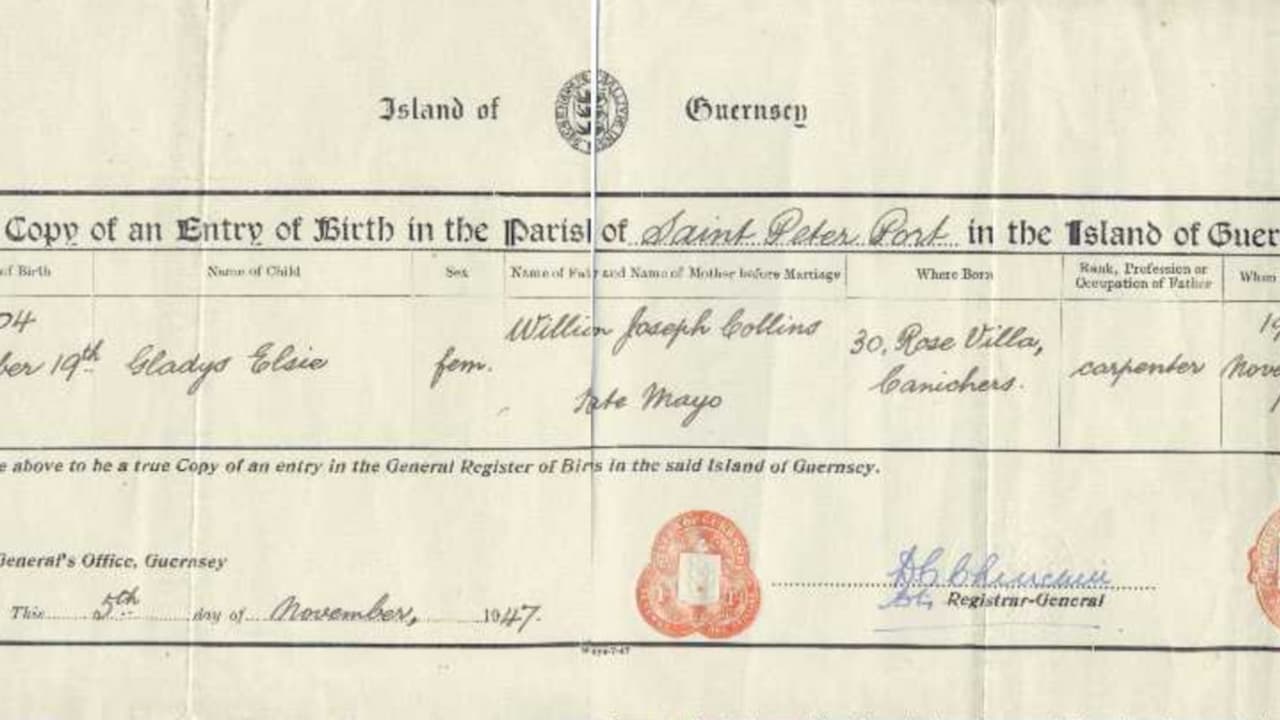
Your birth certificate is a key document that proves your identity and citizenship. You’ll need it for many important tasks like applying for a passport, enrolling in school, or getting a driver’s license.
Keep it in a safe, secure place. If you lose it, replacing it can be time-consuming and sometimes costly. It’s a good idea to have a certified copy handy but avoid carrying the original with you.
Social Security Cards

You should keep your Social Security card safe and never throw it away. It’s an important document that proves your identity and helps with tax and employment records.
If your card is lost or damaged, you can request a replacement. However, there is a strict limit on the number of times you can get a new card during your lifetime.
Because of its importance, always store your Social Security card securely. Avoid carrying it with you daily to reduce the risk of identity theft.
Marriage Licenses

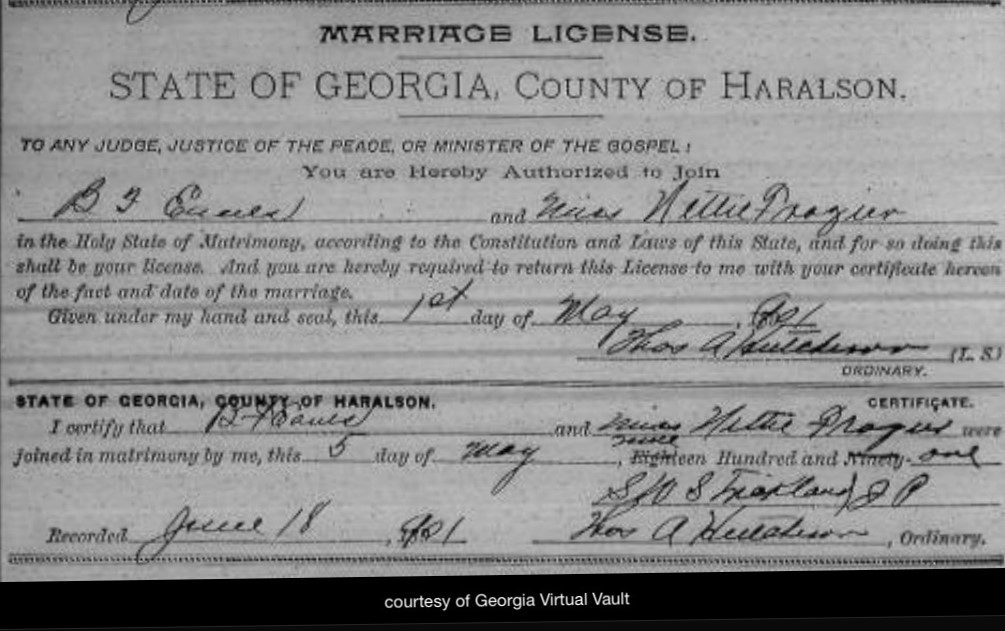
You should keep your marriage license forever. It serves as official proof of your marriage and may be needed for legal or financial matters.
Your marriage license can also help when updating documents like your name, insurance, or tax records. Losing it could make these processes harder.
Store it safely with other vital records. If you ever need a copy, having the original makes getting one easier.
Death Certificates

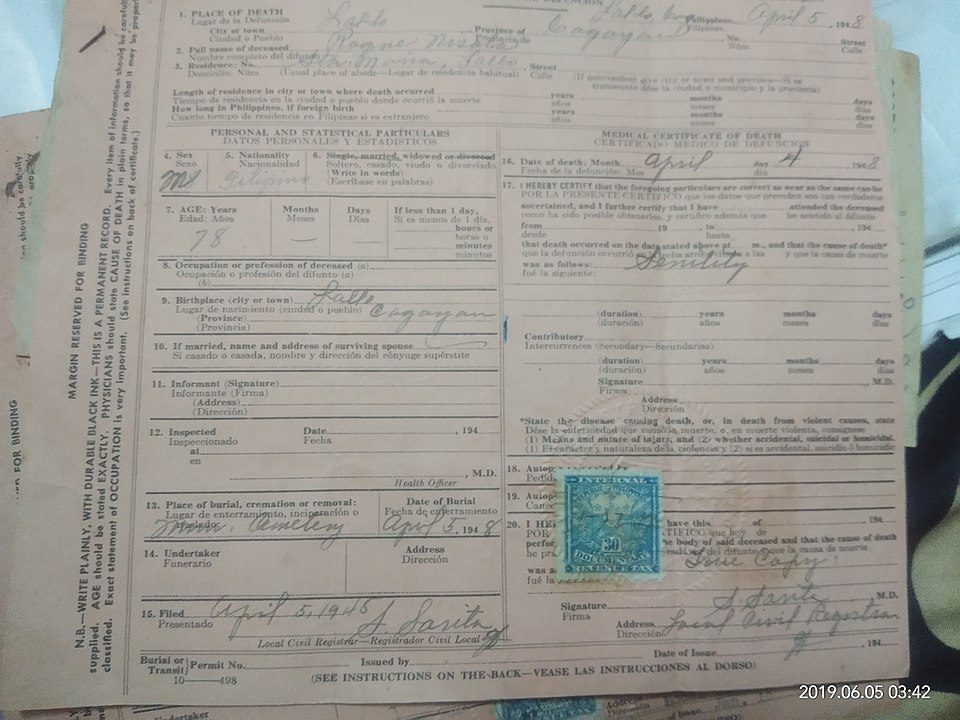
You should never throw away death certificates. They are essential for handling estate matters and legal requirements after someone passes away.
Keep multiple copies, as you will need them for insurance claims, closing accounts, and transferring assets.
Death certificates serve as official proof of death and help you manage important paperwork with ease.
Wills and Power of Attorney

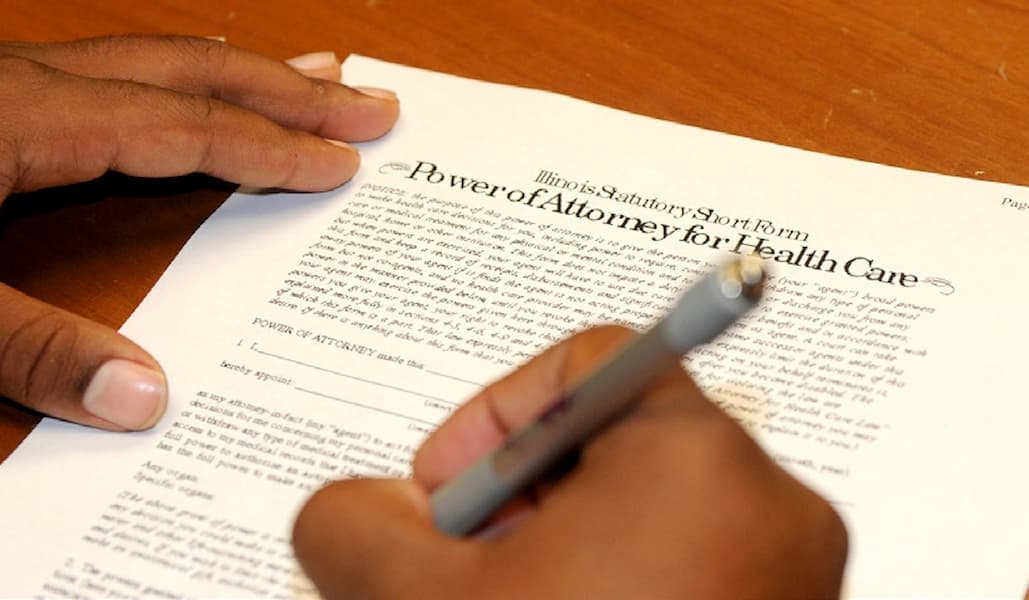
Your will is a key document that outlines how you want your assets handled after you pass away. Keeping it safe ensures your wishes are honored.
A power of attorney lets someone you trust manage your affairs if you become unable to do so. This can cover financial decisions or healthcare choices.
Both documents are essential for protecting you and your loved ones. Don’t throw them away, even if they feel old or outdated.
Vehicle Titles

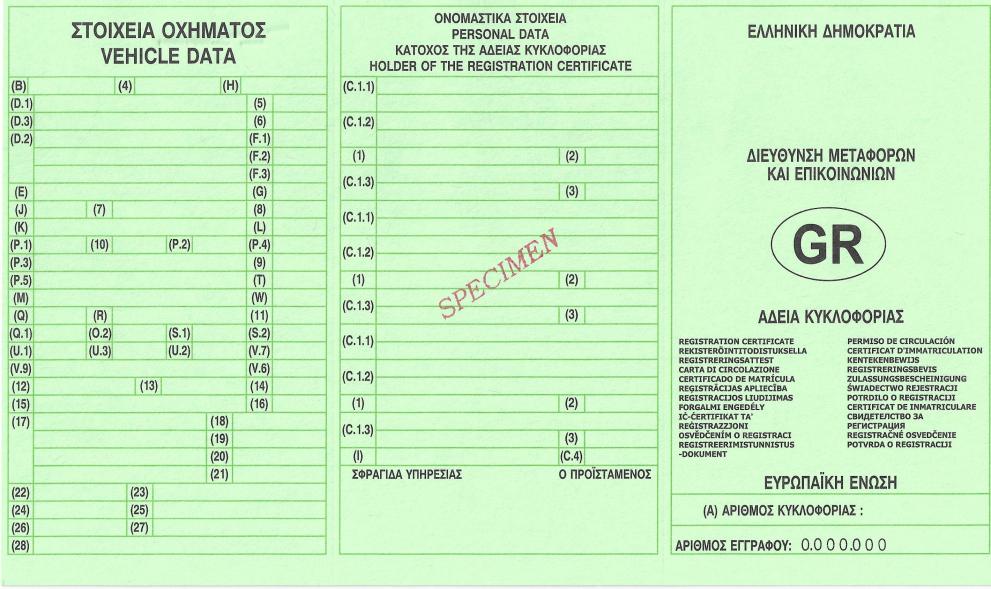
Your vehicle title is an important legal document that proves you own your car. It includes key information like the vehicle identification number and your name.
Keep your title safe because you’ll need it when selling or transferring ownership. Losing it can make those processes difficult and slow.
If you get a new title after buying or selling a vehicle, hold on to the old one too, as it shows a clear record of ownership.
Adoption Papers


You should keep your adoption papers forever. These documents prove your legal relationship with your adoptive parents.
They are important for accessing medical history, citizenship, and inheritance rights. Losing them can make it difficult to prove your identity later in life.
Store them in a safe place where you can easily find them if needed. Digital copies can be helpful but should not replace the originals.
Military Service Records

You should keep all your military service records safe and accessible. These include discharge papers, medical records, and any awards or decorations you received.
These documents are important for accessing veterans’ benefits and verifying your service history.
Losing them can make it harder to prove your status or claim benefits later. Keep both physical and digital copies if possible.
Investment Statements

You should keep your investment statements because they provide a clear record of your financial activity. These documents help track your portfolio’s performance over time.
They are also important when filing taxes, especially to report gains or losses. Holding on to these statements can save you trouble during audits or when verifying your account history.
Even after you sell an investment, keep the statements for several years to support your records and tax filings.
Tax Returns (past 7 years)
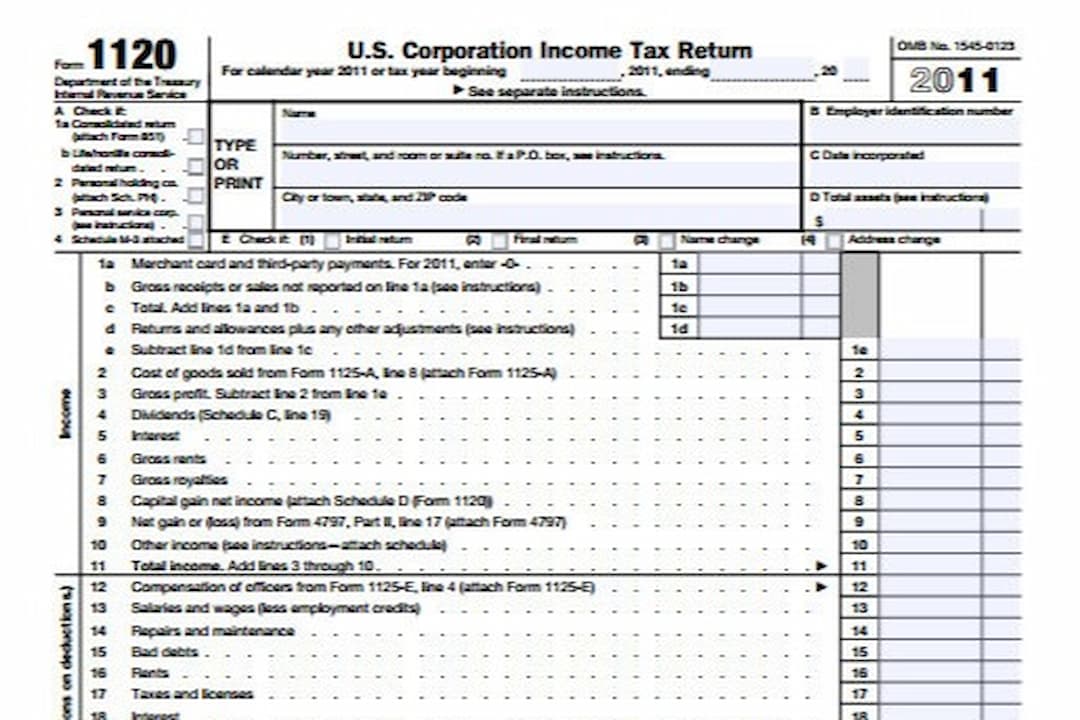
You should keep your tax returns for at least seven years. This helps you respond if the IRS questions your income or deductions.
If you underreport more than 25% of your income, the IRS can go back six years or more. Holding onto these papers gives you peace of mind.
Keep any documents that support your return, like W-2s and receipts, alongside your tax returns. It makes tax time easier and protects you from potential audits.