


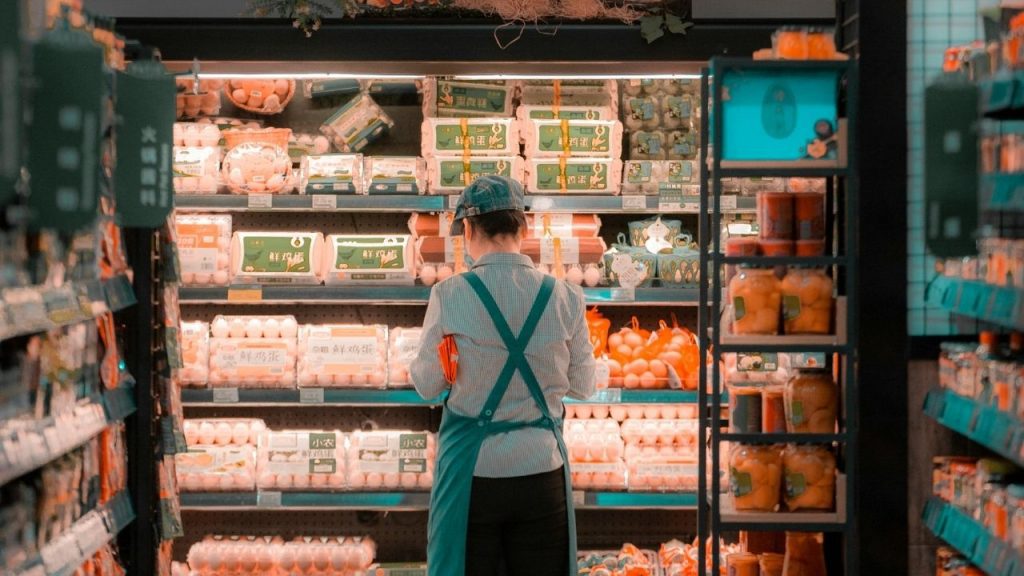
Have you ever marveled at how quickly the cost of groceries adds up? I certainly have. Sometimes it seems like the more mindful I am about my spending, the faster my grocery bill grows. However, after a careful review of my spending habits and making some strategic cutbacks, I discovered that there were several items I could easily do without.
In fact, eliminating these ten items from my grocery list has consistently saved me around $50 a month. I’ve curated this list based on my personal experience and some savvy budgeting tips from experts. Let’s explore these items together, and see how minor adjustments can make a major impact on your budget.

Pre-cut Fruits and Vegetables
Pre-cut fruits and vegetables are an undeniable convenience, but they often cost significantly more than their whole counterparts. By swapping pre-cut produce for whole fruits and vegetables, you can maintain a healthy diet without the extra expense.
It’s also worth noting that whole produce typically stays fresh for longer. So, not only will you save money, but you’ll also reduce your food waste.
Ready-Made Meals
Ready-made meals are another tempting convenience. While they might save time, they don’t save money. These meals are typically marked up considerably compared to the cost of their individual ingredients.
By cooking from scratch, you gain control over the ingredients and the portion sizes. Plus, home cooking is generally healthier and more satisfying. As a bonus, you might even discover a new passion for culinary arts.
Bottled Water
Bottled water may seem like a small expense, but it adds up over time. Plus, it’s not very environmentally friendly. Considering the quality of tap water in most places, it’s an easy expense to eliminate.
Invest in a good quality water filter and a reusable water bottle. This one-time purchase can end up saving you a considerable amount in the long run.
Name-Brand Cereals
Name-brand cereals come with a higher price tag that you’re essentially paying for the packaging and advertising. The store brands or generic versions usually taste just as good for a fraction of the cost.
Watch out for sales and discounts on your favorite cereals, but don’t shy away from trying the cheaper alternatives. You might be pleasantly surprised.
Soda
Soda is not only an unnecessary expense, but it’s also not great for your health. Cutting soda from your grocery list can save you money and encourage healthier habits.
Try replacing soda with healthier options like homemade iced tea, fruit-infused water, or simply plain water. Your wallet and your body will thank you.
Individually Packaged Snacks
Individually packaged snacks are convenient, but they come with a higher price tag. Plus, they generate a lot of unnecessary plastic waste.
Consider buying snacks in larger packages and portioning them out yourself. It might require a bit more time, but the cost savings can be substantial.
Premium Coffee Beans
If you’re a coffee connoisseur, this one might be hard to swallow. However, swapping premium coffee beans for a more affordable blend can result in significant savings.
Look for sales and bulk discounts, but don’t be afraid to try lower-priced options. You might find a new favorite that’s kind on your budget.
Spices
Spices can be surprisingly expensive, particularly if you’re buying them in small quantities. However, they’re essential for adding flavor to your meals.
Consider buying spices in bulk or growing your own herbs. Not only will this save you money, but freshly grown herbs can elevate your dishes to a whole new level.
Frozen Desserts
Frozen desserts are another item that can be costly. Plus, they’re often packed with sugar and unhealthy fats.
Consider making your own desserts at home. You can control the ingredients, and homemade desserts often taste much better than their store-bought counterparts.
Salad Dressings
Store-bought salad dressings are convenient, but they’re often filled with additives and preservatives. Plus, they can be quite expensive.
Consider making your own salad dressings at home. It’s surprisingly easy, much healthier, and can save you a pretty penny.
By cutting back on these ten items, I’ve managed to save around $50 a month on my grocery bill. It’s important to remember that every little change can make a big difference when it comes to saving money. So why not give it a try? You might be pleasantly surprised by how much you can save without sacrificing the quality of your meals or your lifestyle. Happy saving!