


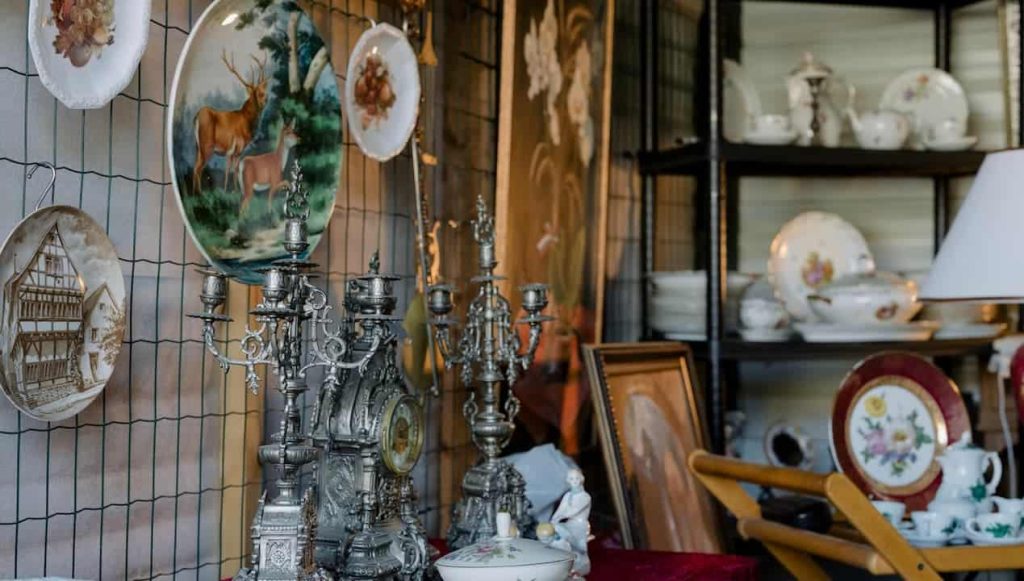
Old family heirlooms carry memories and stories that connect you to your past. While they often hold sentimental value, some items may have hidden risks that aren’t immediately obvious.
Being aware of the potential dangers in old heirlooms can help you protect yourself and your loved ones while still honoring your family’s history. Understanding these risks lets you make informed decisions about how to handle and preserve these treasures safely.
Lead poisoning risk in old crystal and china

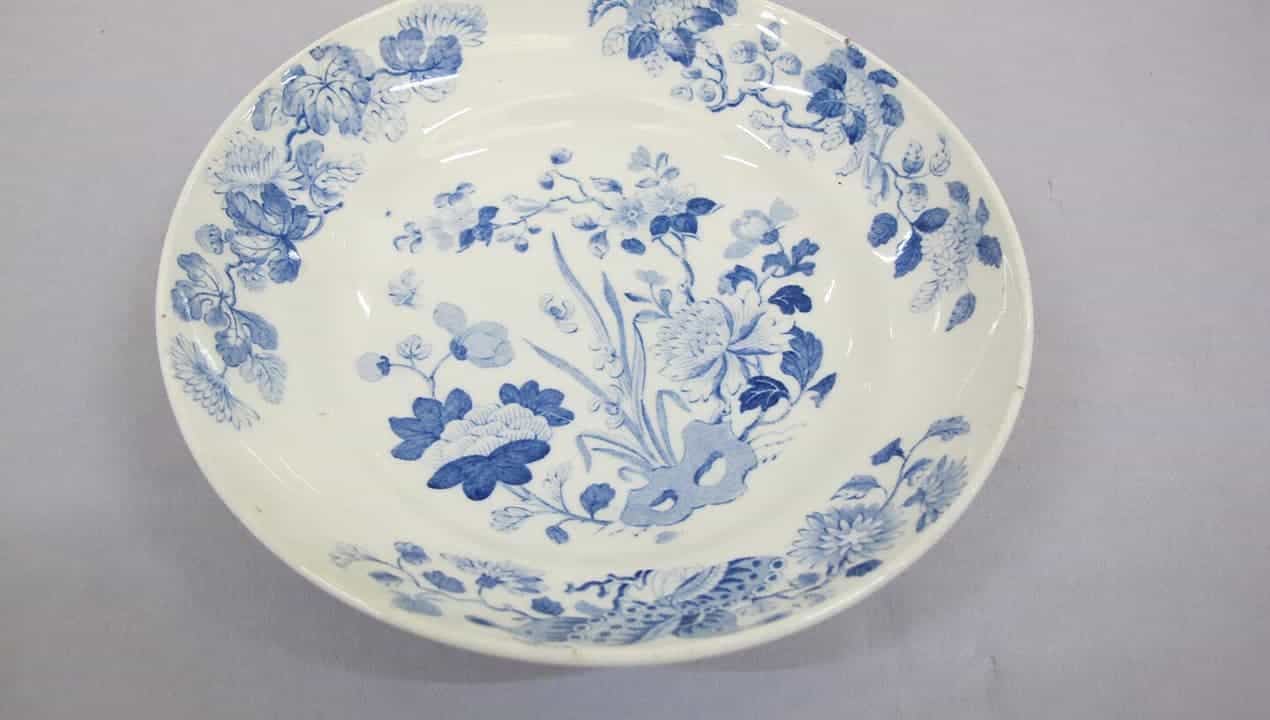
Your old crystal and china may contain lead, especially if they were made before safety regulations. Lead can sometimes leach into food or drinks if the items aren’t properly fused.
If you use these heirlooms for serving, be cautious. Testing them for lead or avoiding using them with acidic foods can reduce risk.
Remember, lead poisoning happens over time, so small exposure might add up. Using vintage pieces mainly for display is a safer choice.
Brittle leather and parchment from improper storage

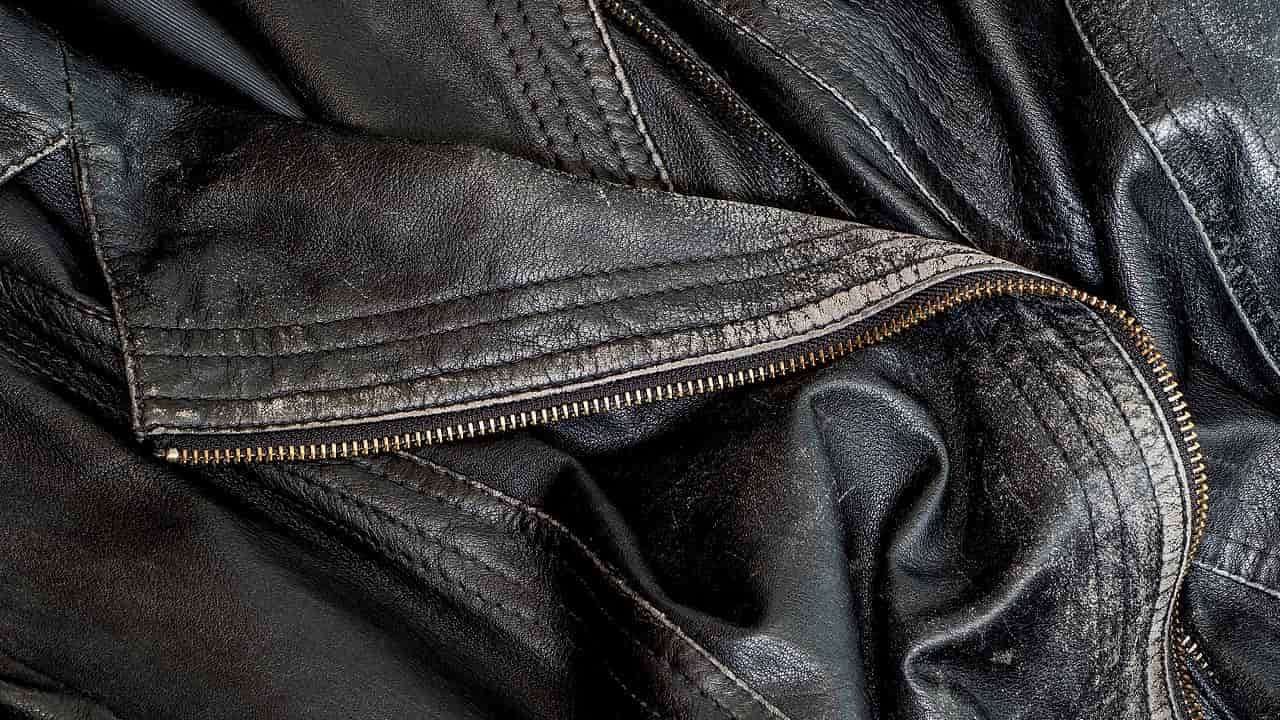
When you store leather or parchment in places with fluctuating temperature or humidity, they can become dry and brittle. This damages their surface and makes them more likely to crack or peel.
If your heirlooms are acidic or exposed to direct sunlight, this can speed up deterioration. Keeping them in a cool, stable environment helps maintain their flexibility and appearance.
You can protect your items by using acid-free boxes and avoiding plastic covers, which trap moisture and can harm the materials.
Mold growth on heirlooms due to humidity
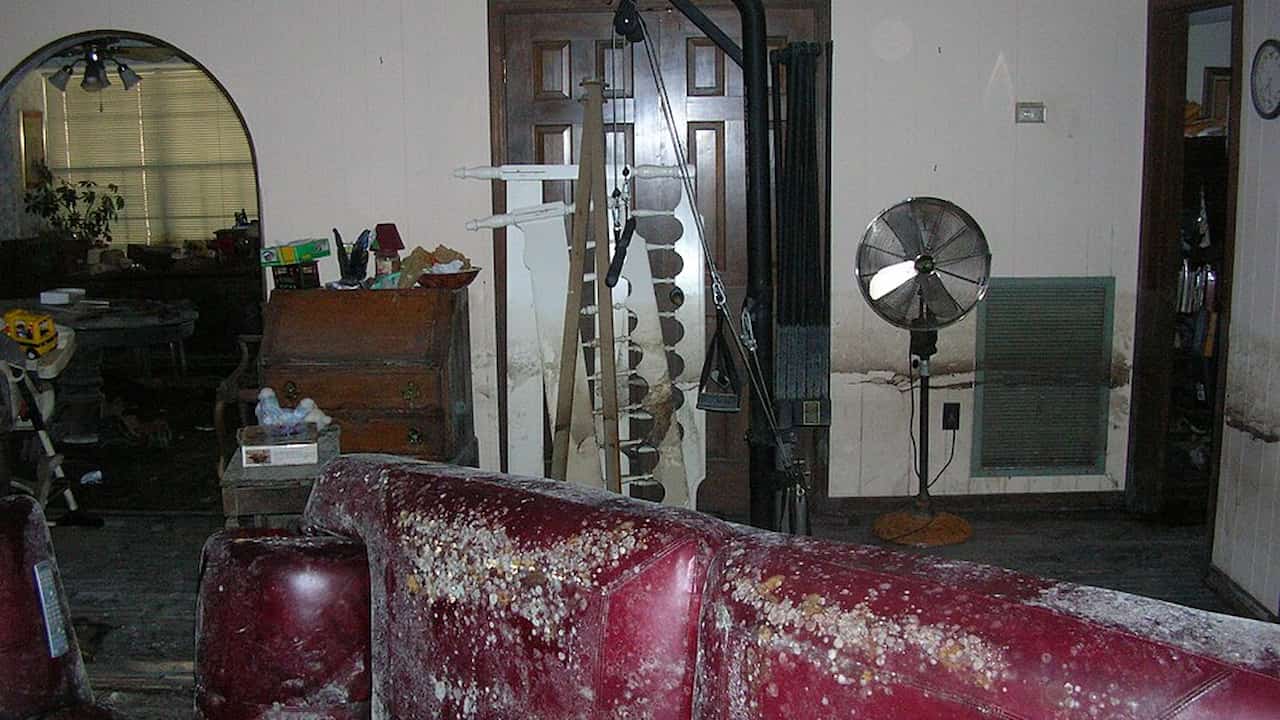
If your family heirlooms are kept in a humid environment, mold can start growing on them. Mold feeds on organic materials like wood, paper, and fabric, which many heirlooms contain.
To protect your items, reduce humidity by using fans, dehumidifiers, or opening windows. Mold not only damages heirlooms but can also cause a musty smell and health issues in your home.
Check your heirlooms regularly for signs of mold, especially after changes in weather or humidity. Acting quickly helps keep your treasures safe.
Hidden family trauma linked to certain heirlooms

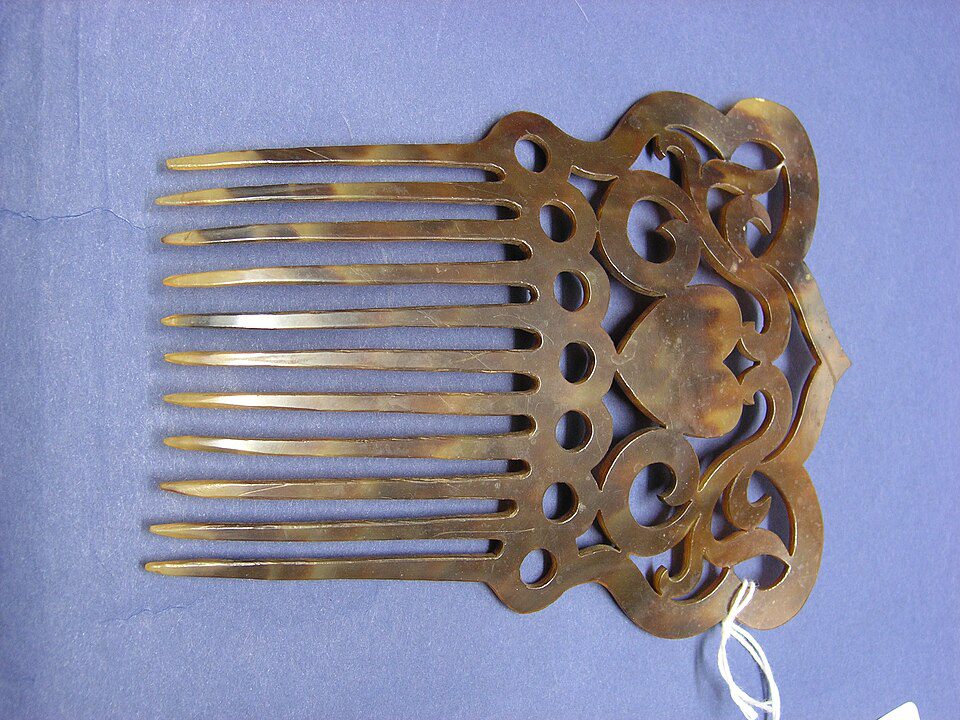
You might not realize it, but some heirlooms carry stories tied to family trauma. These objects can hold memories of difficult times like addiction, loss, or secrets passed down through generations.
When you handle these items, you could be connecting to emotions that your ancestors experienced but never talked about. Recognizing this can help you understand your family history more deeply. Sometimes, uncovering these hidden stories offers a chance to heal old wounds.
Fading or damaged materials from sunlight exposure

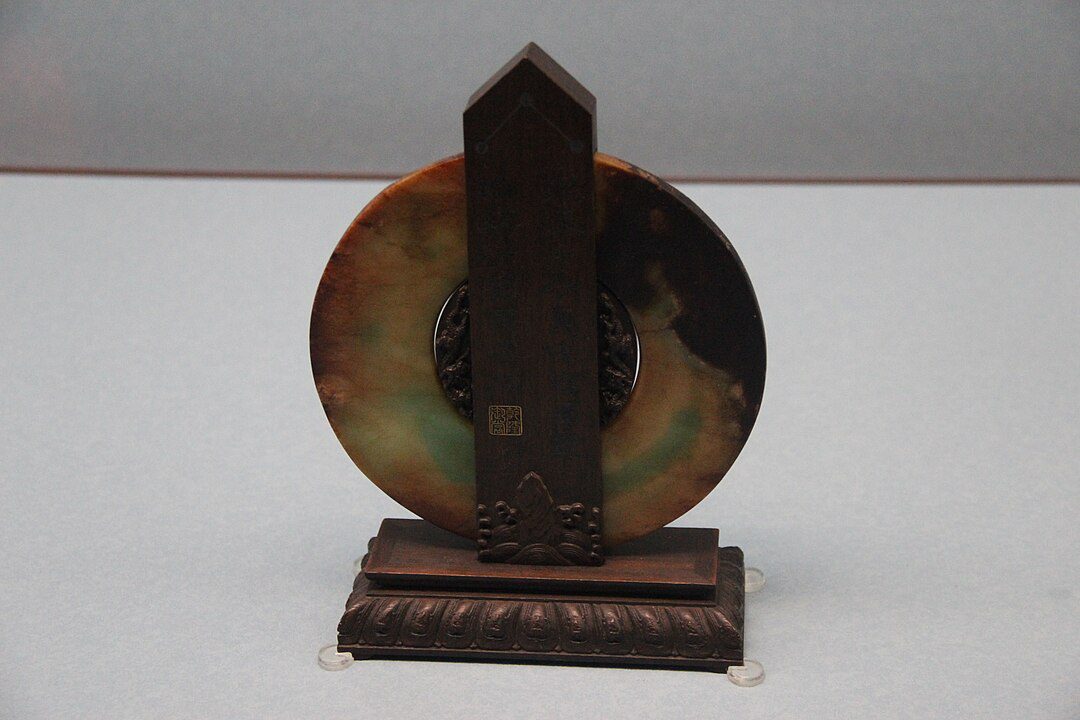
Your heirlooms can lose color and detail when exposed to sunlight over time. Even low levels of light cause fading, but direct sunlight speeds this up significantly.
Heat from sunlight can also dry out and weaken materials like wood, fabric, and paper. To protect your items, try to keep them out of direct light and use UV-protective glass if they are on display.
Using LED lights instead of traditional bulbs can reduce damage. Small steps like these help preserve the beauty of your family treasures.
Chemical residues from past cleaning agents


You might not realize it, but old heirlooms can carry residues from the cleaning products used long ago. Some of these cleaners contained harsh chemicals that may still linger on surfaces.
These residues can be harmful if handled frequently or if they degrade the material. Using natural options like mineral oil to clean and protect your heirlooms is often safer.
Testing any new cleaning method on a small, hidden area helps avoid damage to delicate finishes. Your care can keep heirlooms safe for generations to come.
Allergic reactions to dust on antiques

When you bring old family heirlooms into your home, dust can come along for the ride. This dust often contains allergens like mold spores and pet dander.
If you have allergies or asthma, these particles might trigger sneezing, itching, or breathing problems. It’s a good idea to clean antiques gently with a soft cloth or use a vacuum with a HEPA filter.
Taking these steps helps keep your home comfortable while preserving your treasured items.
Fragile glassware prone to cracking

Your old glassware is delicate and can crack easily if handled roughly. Even small knocks or sudden temperature changes may cause damage.
When you pick up these pieces, do so gently and check them carefully for any signs of weakness. Avoid placing them in direct sunlight or near heat sources, as this can increase the risk of cracking.
Hidden insects damaging wooden furniture


You might not notice the signs at first, but wood-boring insects can quietly damage your heirlooms. Beetles like powder post beetles target both hardwood and softwood, leaving wood weakened and filled with tiny holes.
If you spot fine sawdust or small exit holes, these could be signs of infestation. Taking early action helps protect your cherished pieces from further harm.
Toxic paint or varnish in vintage items
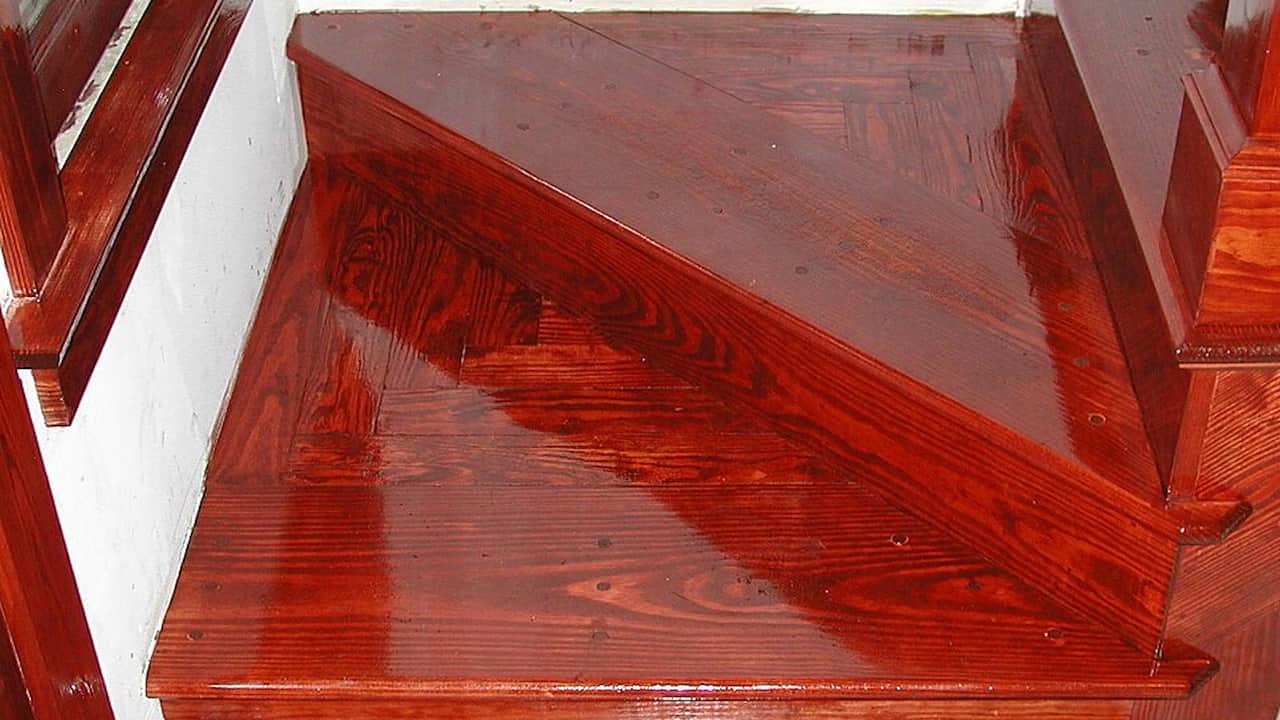
You might not realize that old paints and varnishes can contain harmful substances like lead. These can be found on many antique furniture pieces and decorative items.
If you handle or sand these without care, tiny dust particles might be released. That dust can be unsafe, especially for children or pets.
It’s a good idea to test your vintage items for toxic paint before cleaning or restoring them. When in doubt, use gloves and work in a well-ventilated area to keep yourself safe.