


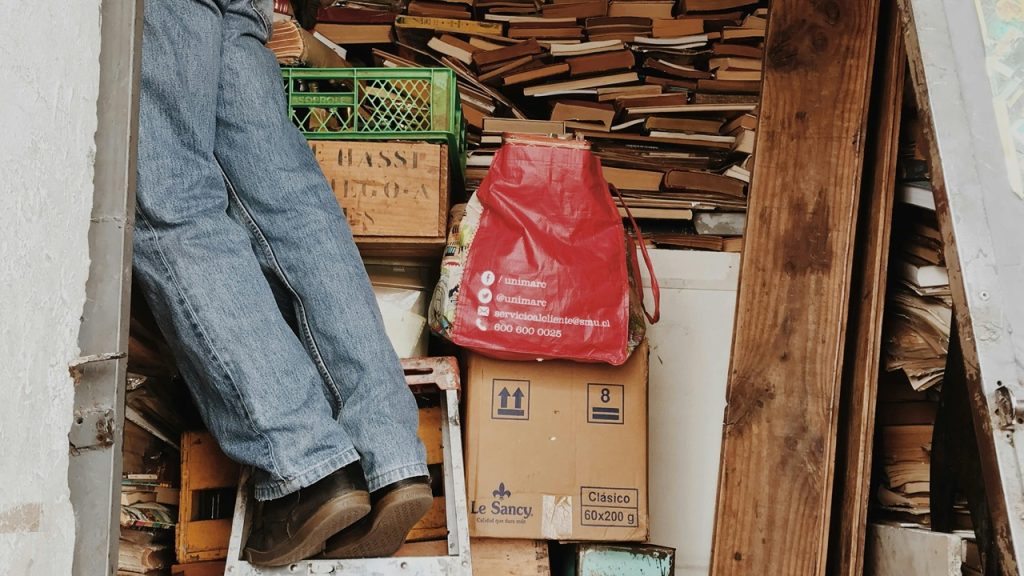
When it comes to maintaining your home’s value, the habits you develop inside and outside your house play a big role. Hoarding behaviors, even if unintentional, can gradually impact how much your home is worth.
Understanding how these habits affect your property can help you protect your investment and keep your home appealing to buyers. Knowing what to look for and how to manage clutter and excess can make a real difference in preserving your home’s value.
Excessive accumulation of heavy items damaging structural integrity


When you fill your home with heavy items, it puts extra stress on floors, walls, and ceilings. Over time, this can cause cracks, sagging, or even collapse in extreme cases.
You might not notice the damage right away, but it can reduce your home’s value and create unsafe living conditions.
Keeping weight distributed evenly and clearing out large piles can help protect your home’s structure.
Clutter blocking windows and reducing natural light

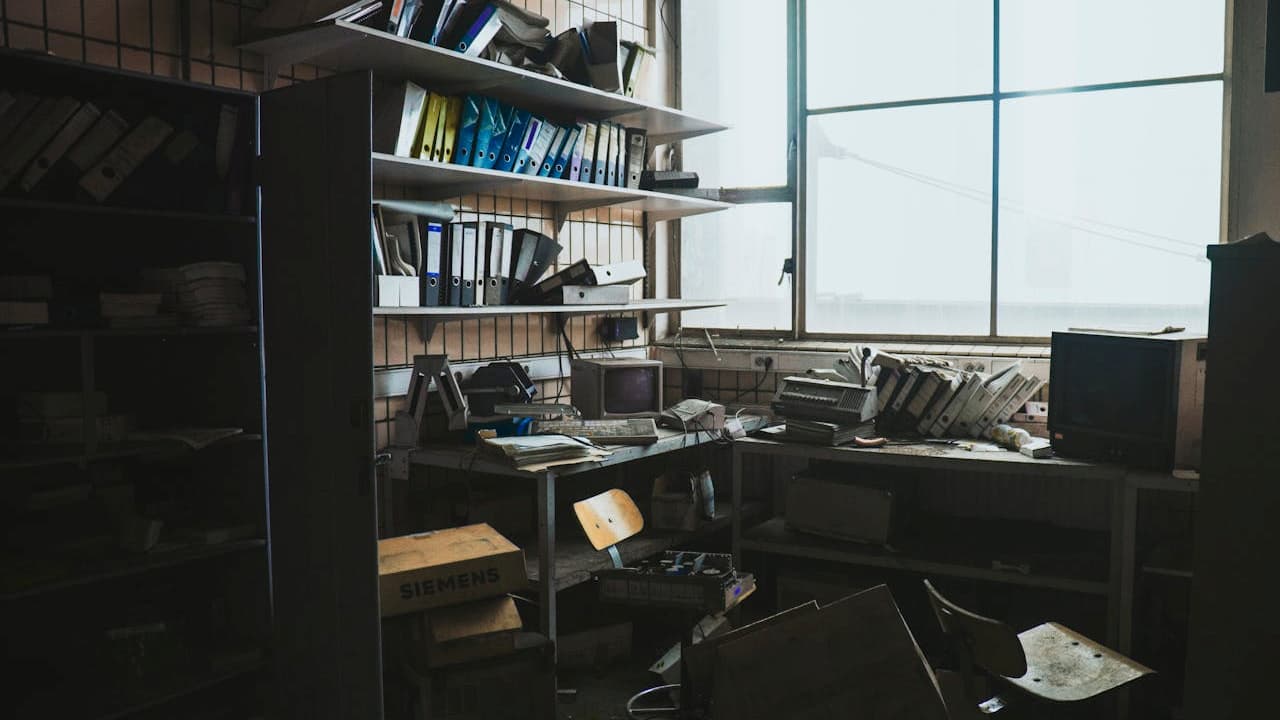
When clutter piles up in front of your windows, it can block sunlight from entering your home. This reduces natural light, making rooms feel smaller and less inviting.
Natural light is important because it brightens your space and can improve your mood. When windows are covered by clutter, your home may seem darker and less appealing to visitors or buyers.
Clearing clutter from windows lets in more light and helps your home feel open and fresh. It’s a simple step that can improve both your living space and its value.
Piles of items trapping moisture leading to mold growth

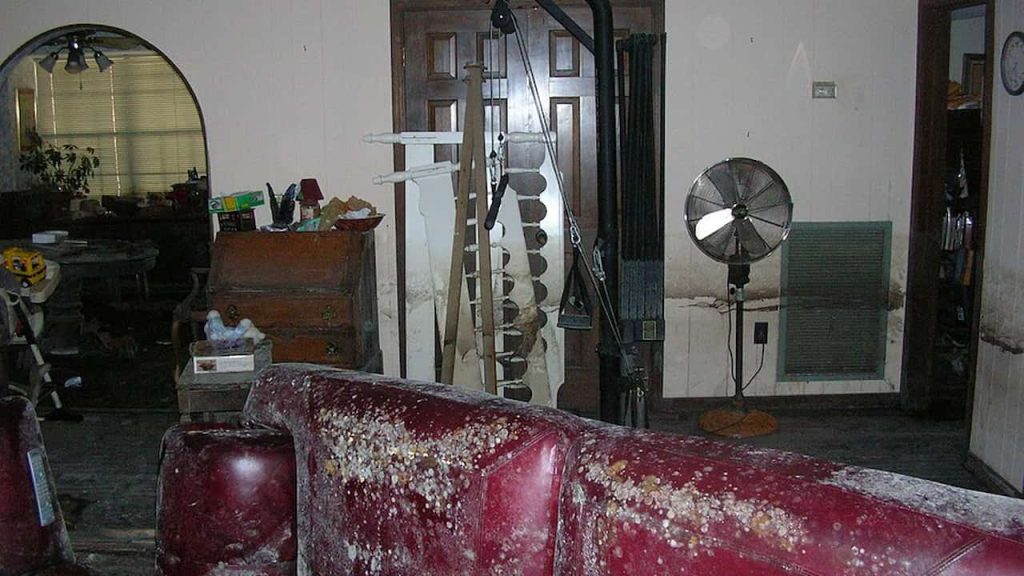
When you stack items in your home, you may unknowingly trap moisture. This can block airflow and create a damp environment.
Moisture that stays hidden allows mold to grow, often unnoticed until it spreads. Mold damages surfaces and hurts your home’s value.
To protect your space, try to keep clutter low and allow air to circulate. This simple step helps prevent moisture buildup and mold problems.
Trash and decayed food causing foul odors


When trash piles up and food goes bad, it creates unpleasant smells that can fill your home. These odors may seep into walls and carpets, making the problem harder to fix.
Foul smells can turn off potential buyers, lowering your home’s appeal and value. Regularly removing spoiled food and trash keeps your space fresh and welcoming for everyone.
Stacks of belongings inviting pest infestations


When your home has piles of belongings, it creates perfect hiding spots for pests like rodents and insects. These cluttered areas can become shelter and breeding grounds, increasing the risk of infestations.
Pests are often attracted to the food crumbs and moisture trapped in clutter. This can make your home less comfortable and may cause damage to your belongings.
Keeping your space tidy can help reduce these risks and protect your home’s value.
Obstructed pathways creating safety hazards

When your home has clutter blocking walkways, it can be hard to move around safely. You might trip over items left on the floor or bump into furniture.
Blocked exits can make it difficult to leave quickly in an emergency. This can be dangerous for you and others living with you.
Keeping pathways clear helps prevent falls and allows easy access for first responders if needed. It’s a simple step to improve safety in your home.
Unmaintained clutter causing visible property deterioration

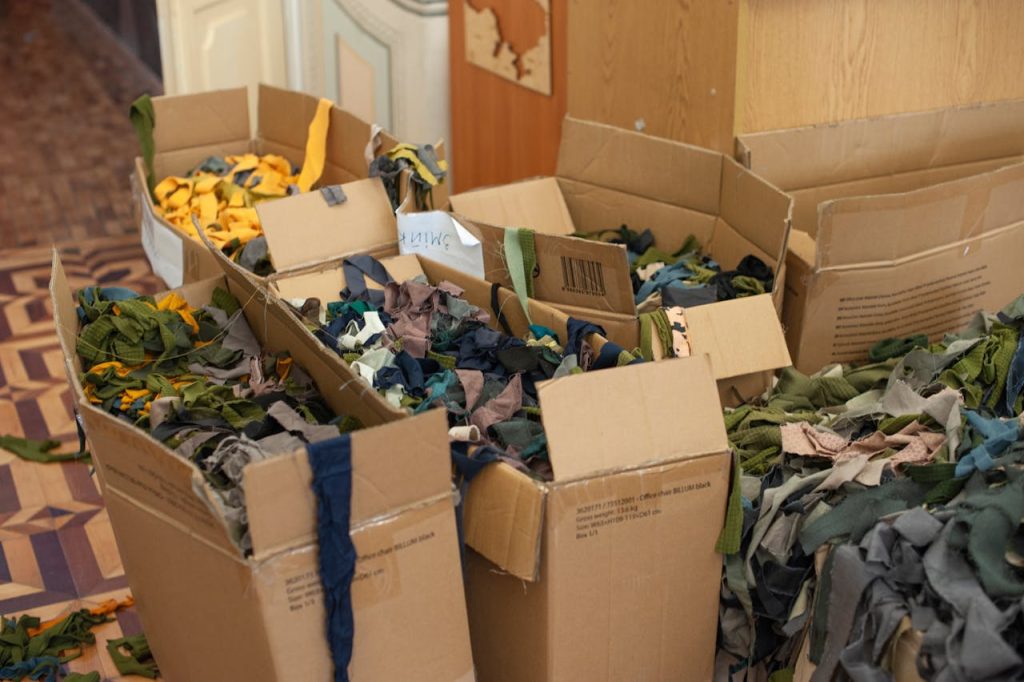
When clutter piles up, it often hides damage to your home’s surfaces. Walls, floors, and ceilings can suffer from neglect without you noticing.
This visible deterioration lowers your property’s value because buyers see the hidden repairs they’ll need. Your home may also develop unpleasant odors or pest problems, making it less appealing.
Keeping clutter under control helps you spot issues early and maintain your property’s condition. It’s a simple step that protects your home’s value.
Yard debris decreasing curb appeal

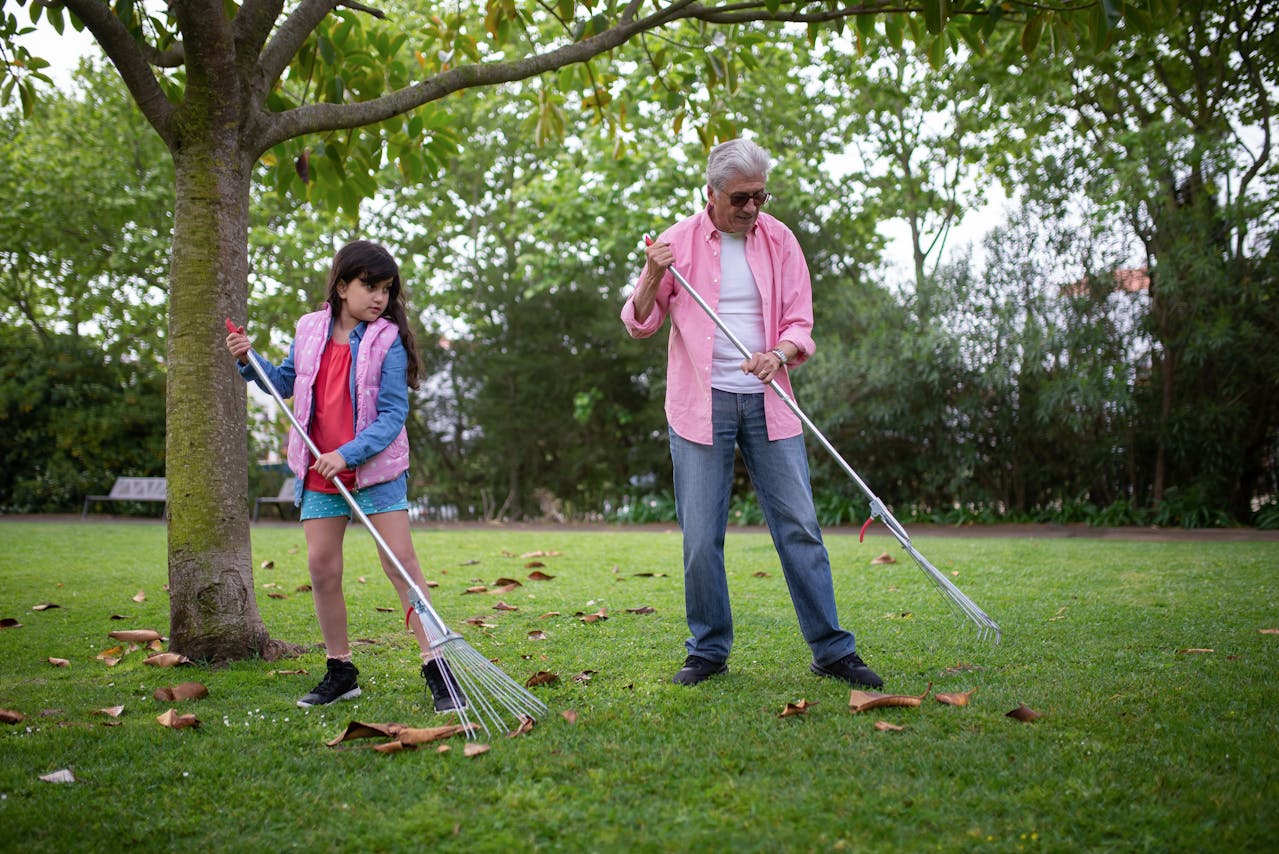
If your yard has piles of leaves, sticks, or other debris, it can quickly make your home look neglected. This clutter distracts from the beauty of your landscaping and lowers curb appeal.
Keeping your yard clean is simple but effective. Regularly clearing away yard waste helps your property appear well-maintained and inviting to potential buyers.
Even small amounts of debris can signal a lack of care, which might reduce your home’s value over time.
Overfilled rooms reducing usable living space
When your rooms are overfilled with items, it becomes hard to use them as they were meant to be. You might find it tricky to move around or even clean.
Living spaces like kitchens, bedrooms, and hallways can lose their purpose when clutter takes over. This can make everyday activities feel stressful or frustrating.
By keeping your rooms clear, you make your home feel more open and inviting. It also helps maintain your home’s value by showing off its true potential.
Neglected repairs hidden under clutter worsening damage
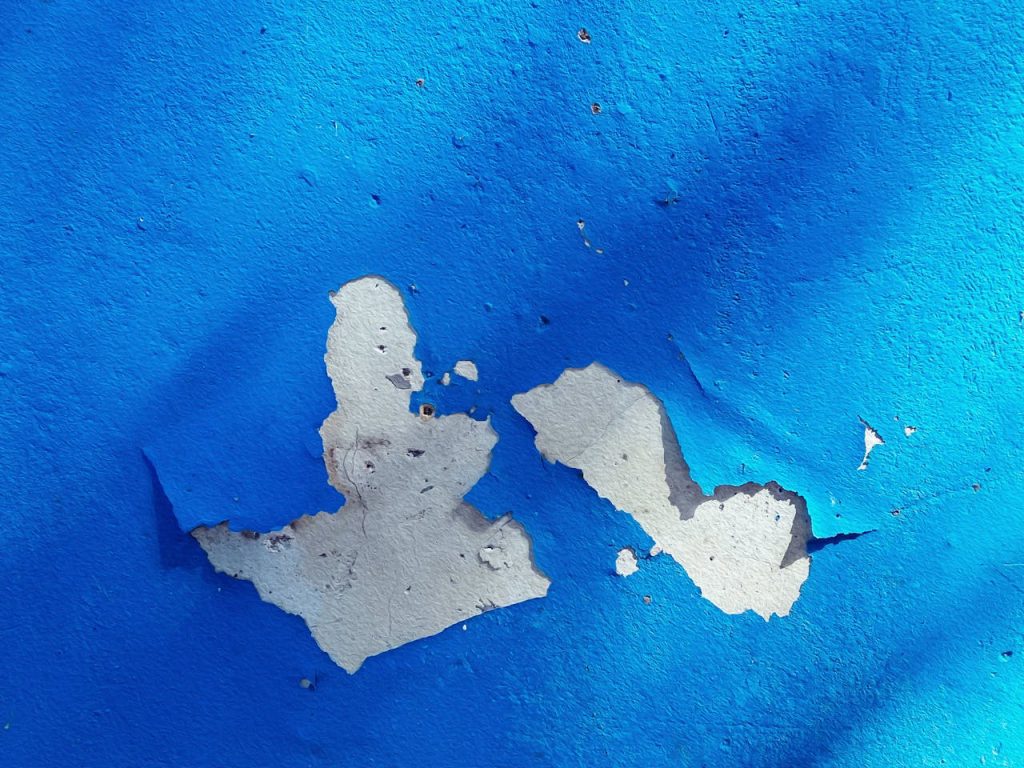
When clutter piles up, it can hide small problems like leaks or cracks. These unnoticed issues often get worse over time.
You might miss signs of mold, water damage, or pests because the clutter blocks your view. This delays important repairs and lets damage spread.
Ignoring these repairs not only harms your home but also lowers its value. Keeping your space clear helps you spot problems early and protect your investment.