


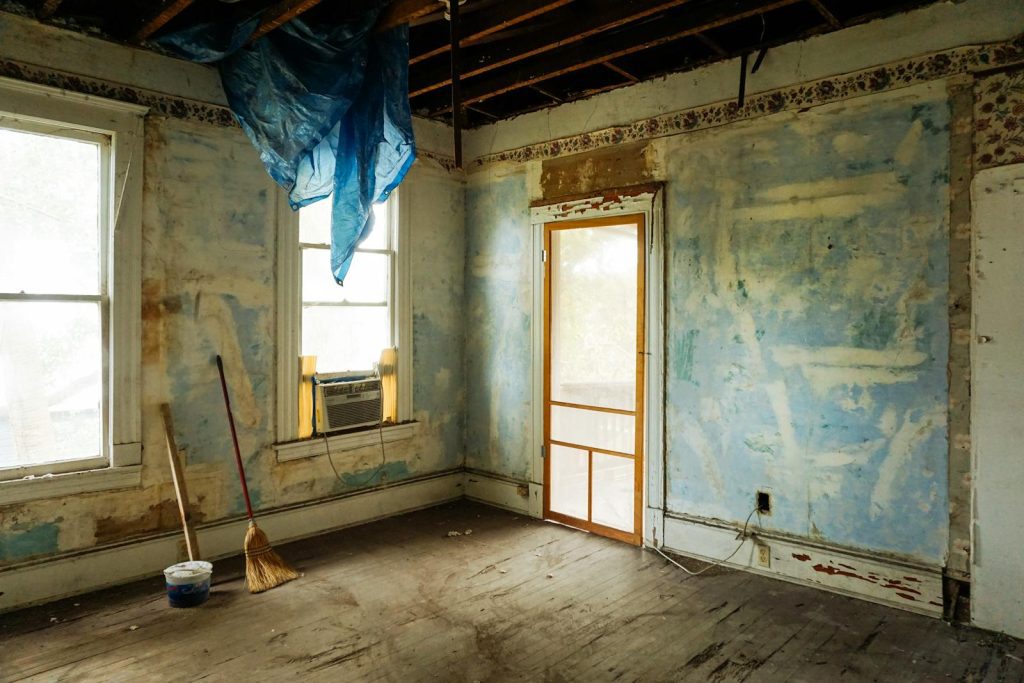
As a homeowner, you’re constantly tempted to make your space more comfortable, more beautiful, or more modern. The idea of enhancing your home’s value is enticing, especially when you consider the prospect of a higher selling price. However, not all home improvements offer a good return on investment (ROI).
Some projects may seem like a great idea initially, but the reality is that they can end up costing more than they’re worth. This is especially true in today’s market, where buyers’ preferences have significantly shifted. Here’s a list of ten home improvements that may not pay off anymore.
1. Installing a Swimming Pool
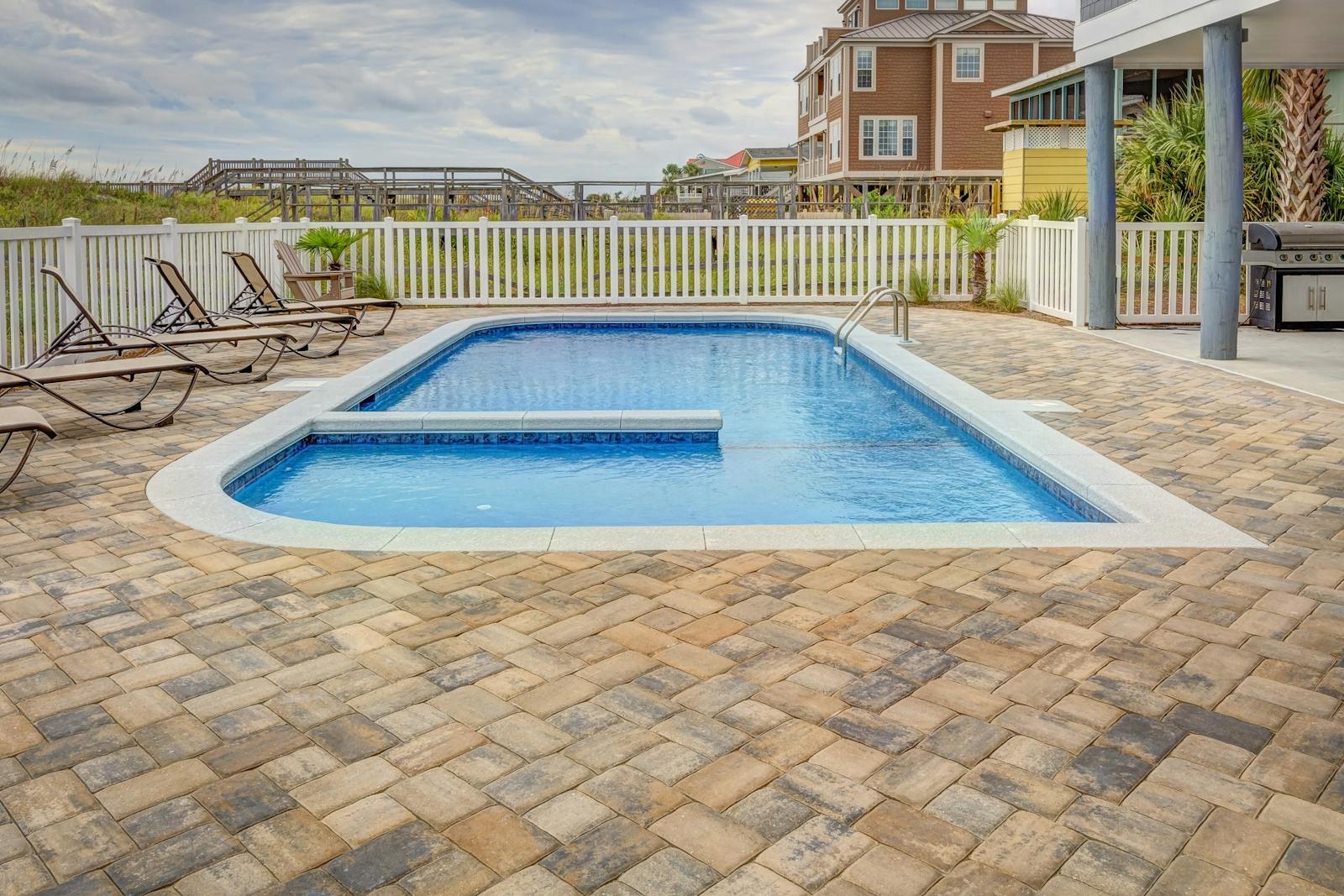
While a swimming pool can be a fun addition for a family, it’s important to consider the costs and potential return. In many cases, the expense of installing and maintaining a pool outweighs the added value to your property.
Not to mention, pools can be a turn-off for potential buyers due to safety concerns or maintenance costs. A report from Elgar Online indicates that a pool adds little to no value to most homes.
2. Over-the-top Landscaping

While a well-maintained yard can certainly boost your home’s curb appeal, going overboard with landscaping can be a waste of money. Expensive, exotic plants may look beautiful, but they can be difficult and costly to maintain.
Furthermore, the next homeowner may not share your taste in flora, making your investment a moot point. A careful balance of lush greenery and low maintenance landscaping is more likely to appeal to potential buyers.
3. Wall-to-wall Carpeting


The trend of wall-to-wall carpeting has been on the decline for a while now. Many people prefer hardwood floors for their durability and easy maintenance.
Additionally, carpeting can trap allergens and dust, making them a less desirable option for individuals with allergies. Replacing carpeting with hardwood or laminate can be a cost-effective improvement that adds value to your home.
4. Home Office Conversion

Working from home has become more common, leading many to believe that a dedicated home office space will increase a home’s value. However, this is not necessarily the case.
Converting a bedroom into a home office can actually decrease your home’s value, as bedrooms are often a higher priority for homebuyers. It might be more beneficial to create a flexible space that can easily be converted back into a bedroom.
5. Luxury Bathroom Upgrades
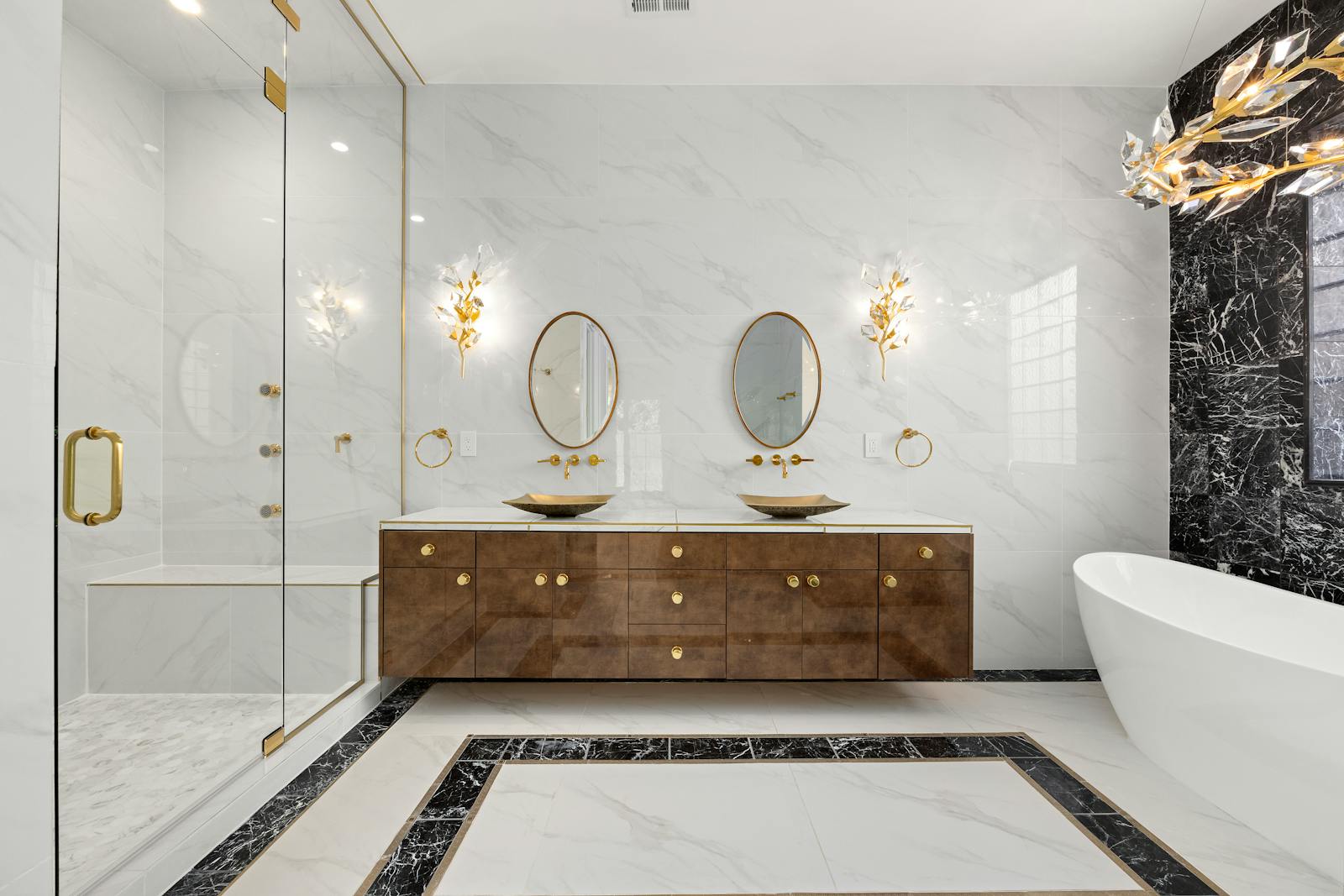
While a clean, modern bathroom is a selling point for many homes, luxury upgrades often don’t pay off. High-end fixtures and finishes may not appeal to all buyers and can be expensive to install.
Instead, focus on making sure your bathroom is functional and well-maintained. According to Nerdwallet, sticking to mid-range renovations can yield a better ROI.
6. Expensive High-End Kitchen Remodel
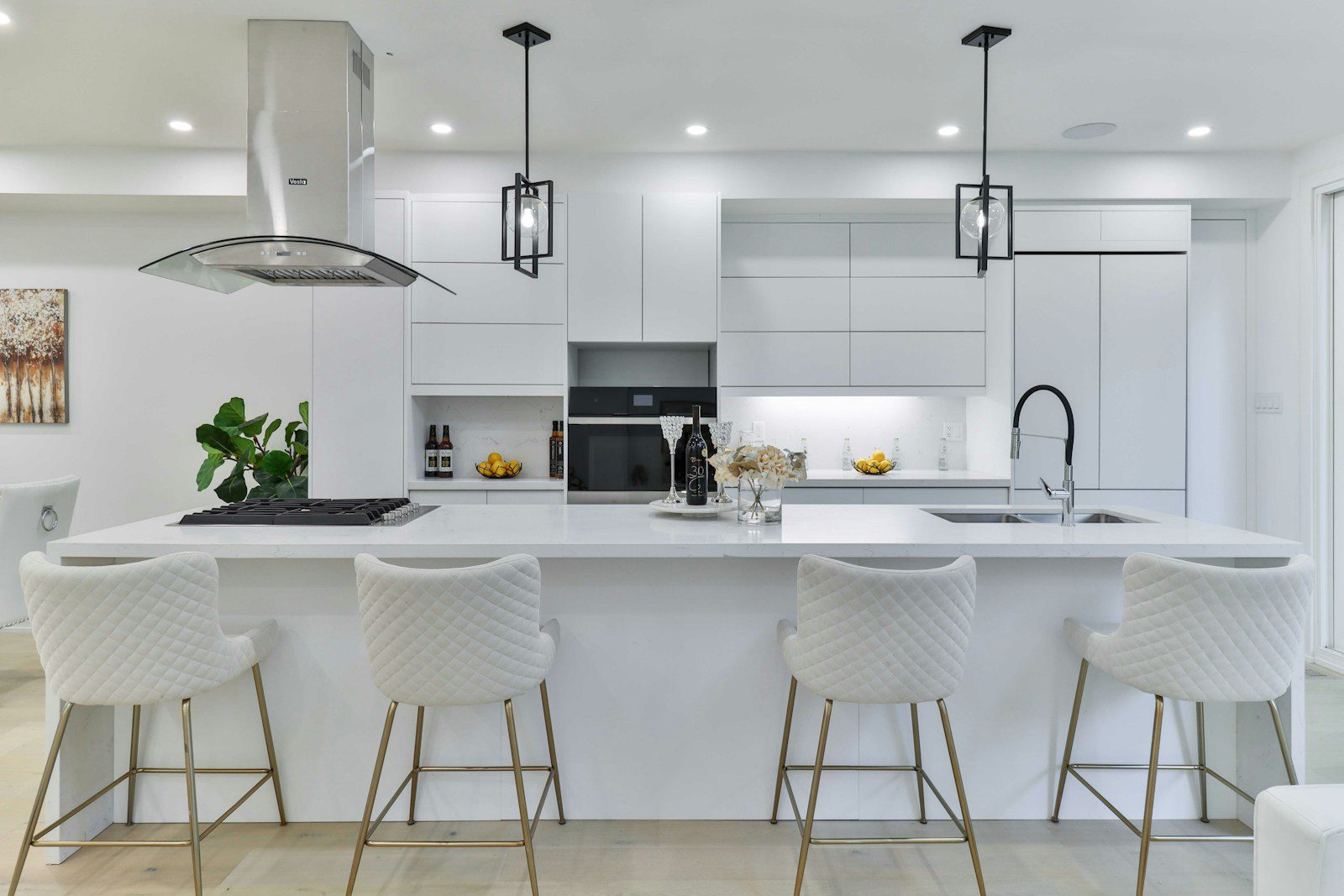
The kitchen is often considered the heart of the home, and while an updated kitchen can certainly attract buyers, a full high-end remodel might not be worth the cost.
Replacing countertops with expensive materials, installing high-end appliances, and custom cabinetry can quickly add up in cost but may not significantly increase your home’s value. Instead, stick to modest upgrades that improve the overall functionality and aesthetic of the space.
7. Adding a Sunroom
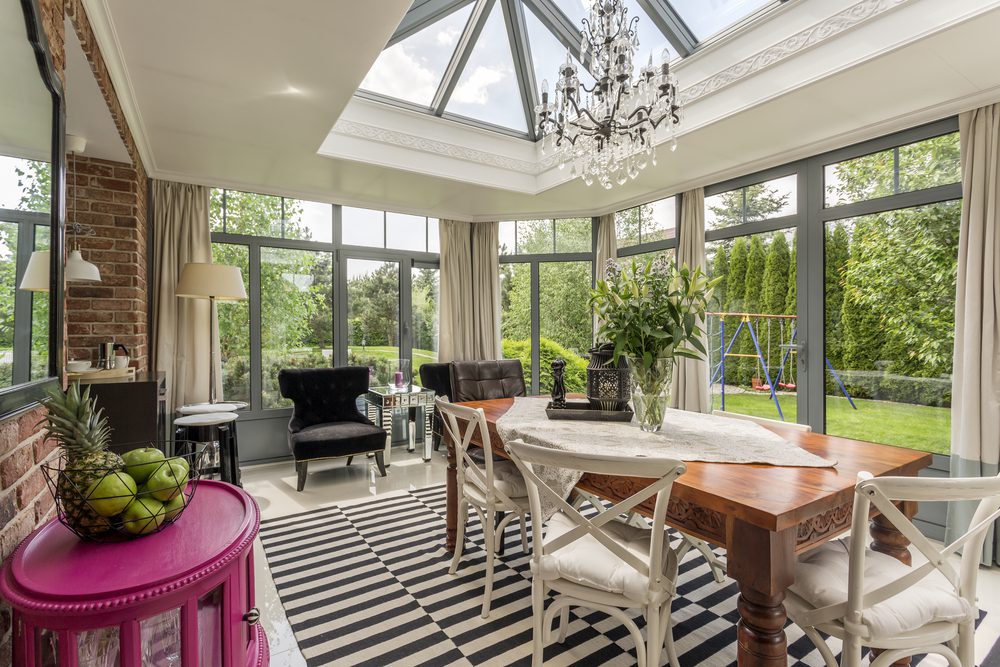
Additions like sunrooms can be costly and usually don’t offer a great return on investment, according to Redfin. While sunrooms can add extra living space and natural light, they’re often seen as less necessary than other rooms in the house.
If you’re considering adding a sunroom for your own enjoyment, make sure to weigh the enjoyment against the cost.
8. Garage Addition
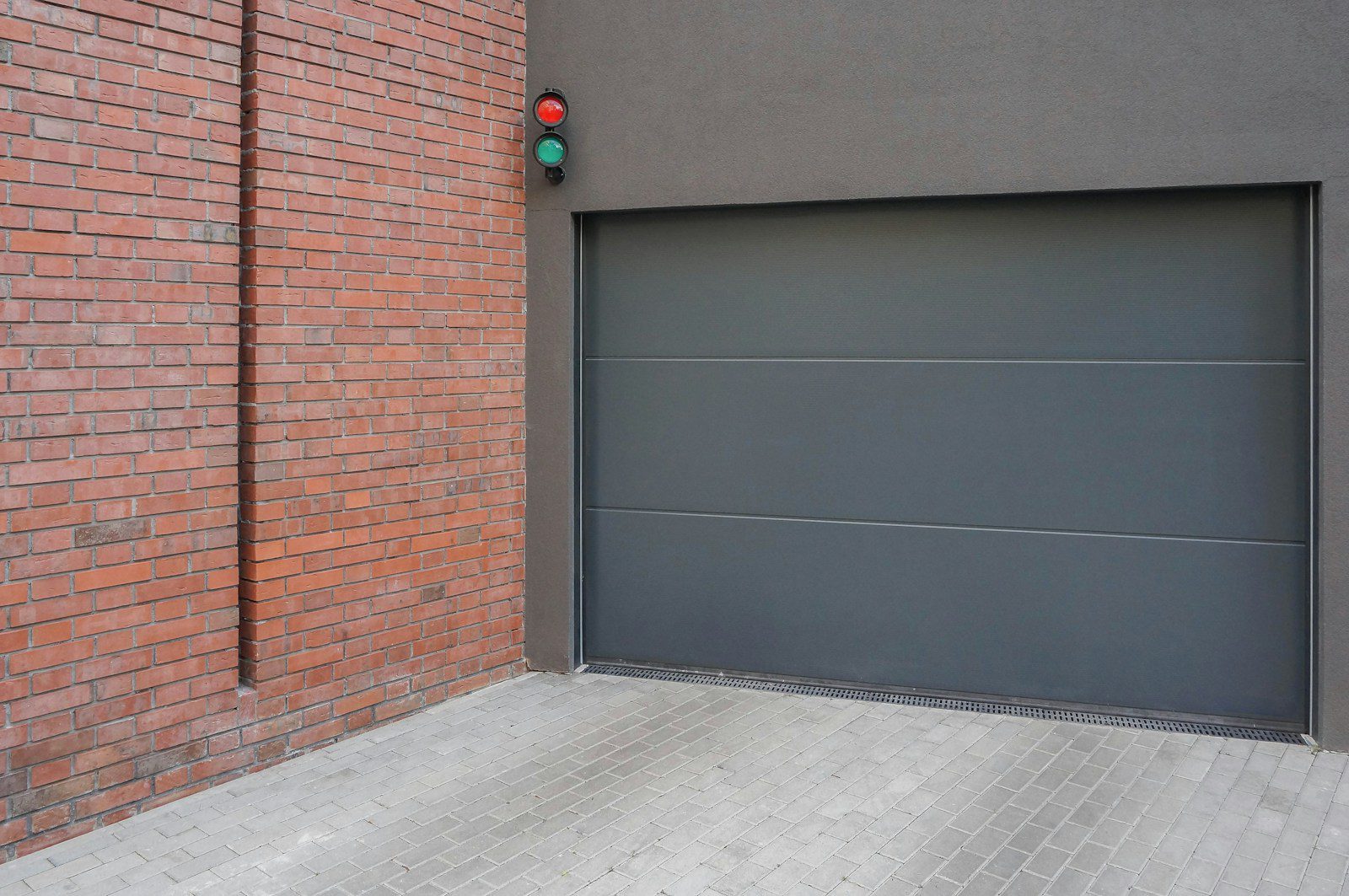
While a garage can certainly add convenience, it’s a costly addition that might not pay off when it’s time to sell. Not all buyers have cars or require a garage, making this a risky investment.
Instead of building a new garage, consider improving the existing storage in your home or adding a carport, which can be a less expensive option.
9. Installing a Home Theater System


High-end electronics like a home theater system can seem like a fancy addition, but they quickly become outdated as technology advances.
Furthermore, not all buyers will value a home theater system, and some may prefer to design their own entertainment space. Instead of investing in a home theater, consider upgrading your home’s internet infrastructure. In today’s digital age, a strong, reliable internet connection is a highly desirable feature.
10. Building a Deck or Patio
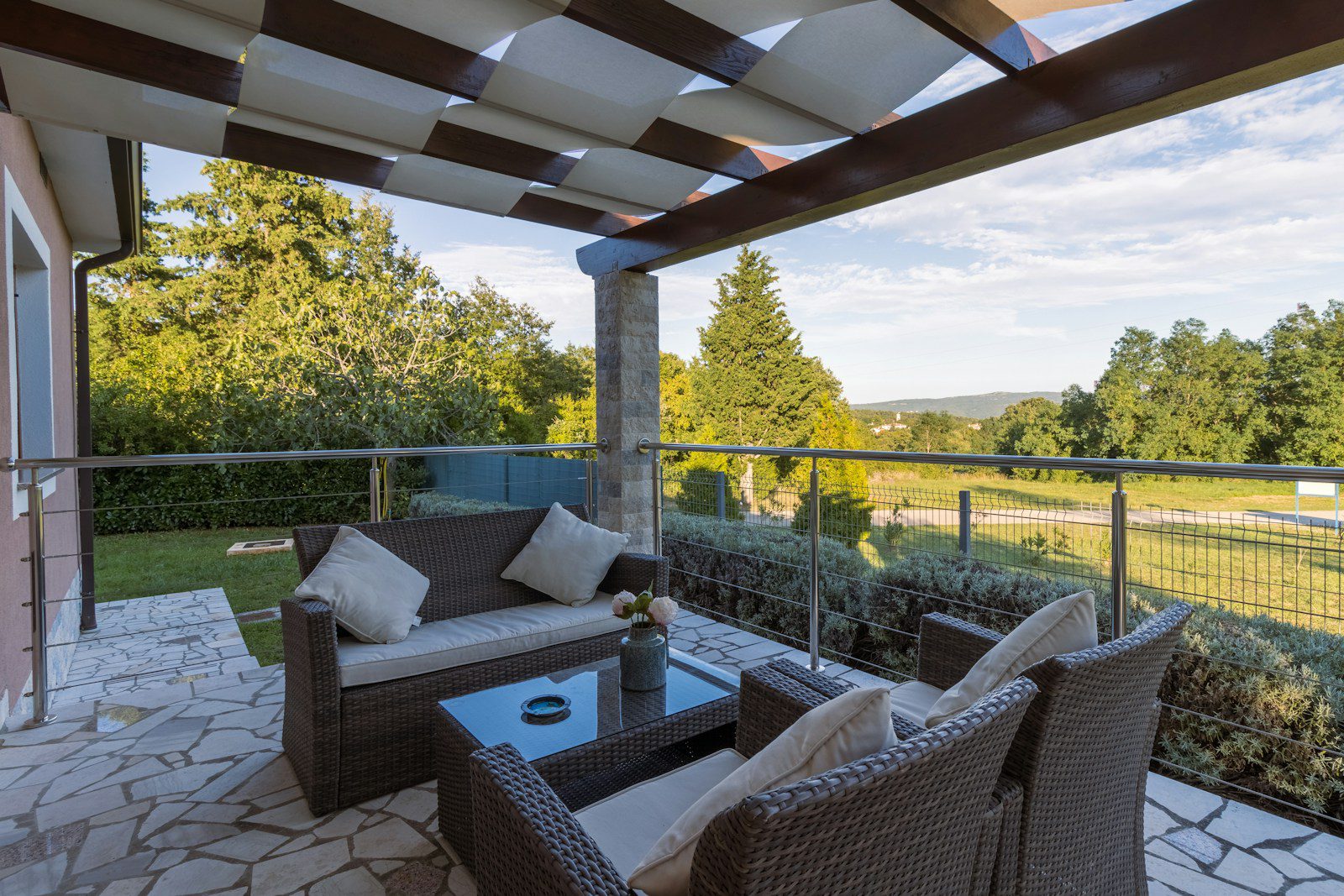
Outdoor spaces like decks and patios can enhance the enjoyment of your home, but they’re not always a good investment. The cost of building a deck or patio can be high, and the return on investment can vary greatly depending on the quality of the construction and the preferences of potential buyers.
If you’re considering adding a deck or patio, it’s worth researching local market trends and consulting with a real estate professional.