


Thirty years ago, a lot of household habits weren’t just preferences — they were genuinely the smart, sensible way to do things given the technology, safety standards, and daily realities of the time. Nobody was doing it wrong; they were doing it right for the world they lived in. The trouble is that habits tend to outlast the reasons behind them, and plenty of routines have quietly stuck around long after the logic disappeared.
None of this is a knock on how things used to be done. It’s just a reminder that “we’ve always done it this way” is worth double-checking every so often. Here are ten household habits that made complete sense a few decades ago but don’t hold up quite the same way today.

Keeping a Landline as the Primary Phone
A landline used to be the only reliable way to reach a household in an emergency, which made it a non-negotiable expense regardless of cost. With cell phone coverage now reaching the vast majority of households, most families can reach each other and emergency services just as reliably, often more so, without paying for a second line that mostly gets used by robocalls at this point.
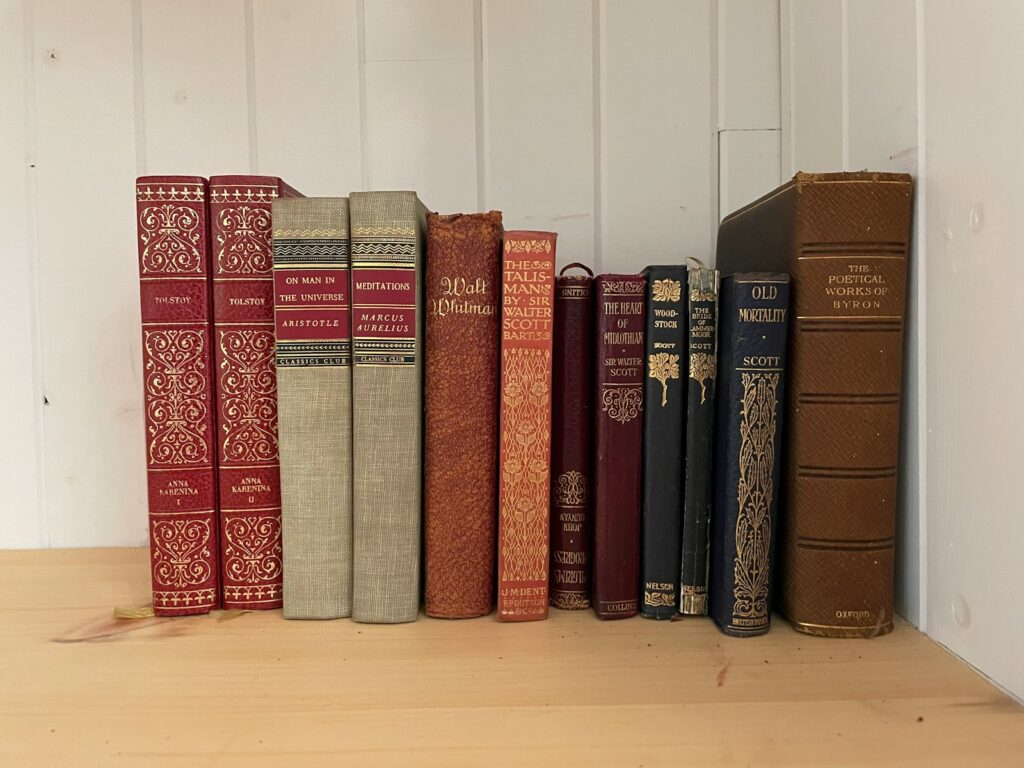
Buying a Physical Encyclopedia Set
A shelf of encyclopedias was once a serious investment in a household’s access to information, purchased specifically so kids could look things up for school. That role has been almost entirely replaced by searchable, constantly updated information available on any device, making a printed encyclopedia set more of a decorative relic than a research tool.
Using Hand-Me-Down Cribs Without Checking Current Safety Standards
Passing a crib down through a family used to be standard practice and a point of practicality. Crib safety standards have changed significantly since then, and drop-side cribs were banned nationally due to entrapment and suffocation risks. An older crib, even one that looks perfectly fine, may not meet current safety requirements, which makes checking the manufacture date and hardware against current standards genuinely worth the effort before using one for a new baby.
Ironing Absolutely Everything, Including Sheets and Underwear
Ironing the entire laundry load, down to pillowcases and undergarments, was common when fabrics wrinkled more easily and looking put-together carried more social weight day to day. Modern wrinkle-resistant fabrics and a more casual standard of daily dress mean most households can reserve ironing for the handful of garments that actually need it, saving real time each week.
Keeping an Extension Cord Running Semi-Permanently
Running an extension cord to power something regularly, rather than adding an outlet, used to be a common workaround in older homes with limited electrical capacity. Fire safety organizations now caution that extension cords are meant for temporary use, not as permanent household wiring, since they can overheat under sustained load. If something’s been plugged into an extension cord for months, it’s worth having an outlet added instead.
Saving Every Newspaper and Magazine “For Later”
Stacks of newspapers and magazines kept for articles to revisit or projects to reference made sense before that same information became searchable online in seconds. A subscription pile that used to represent useful, hard-to-replace information now mostly represents recycling that hasn’t happened yet.
Skipping the Dryer Lint Trap Cleaning “Because It’s Fine”
A quick glance rather than an actual full cleaning of the lint trap used to feel like enough, especially with older, less powerful dryers. Modern fire safety data still points to clogged lint traps and vents as a leading cause of home dryer fires, and lint buildup happens just as easily in newer, more efficient machines. Cleaning the trap after every single load, not just when it looks obviously full, is worth the ten extra seconds.
Buying Furniture Meant to Last a Lifetime, Regardless of Fit
Investing in a single, heavy, built-to-last furniture set made sense for families who expected to stay in one home for decades and pass items down. With people moving more often and living in a wider range of home sizes, furniture that can adapt to different spaces often serves a household better than pieces built for permanence in a home you might not stay in.
Keeping a Paper Address Book by the Phone
A handwritten address book near the phone used to be the only record of everyone’s contact information, updated by hand whenever someone moved or got a new number. Phone contacts now sync automatically, update themselves, and back up to the cloud, making the paper version something most households keep out of nostalgia rather than actual necessity.
Stockpiling Paper Coupons for Weekly Deals
Clipping and organizing paper coupons was once genuinely one of the most effective ways to save meaningfully on groceries, worth the time it took every week. Digital coupons, store loyalty apps, and cashback apps have largely replaced that system with something faster and less prone to expiring in a drawer before you remember to use it, which makes an overflowing coupon binder more clutter than savings for most households today.