


Home design trends come and go, and what once seemed stylish can quickly become outdated. While some retro features carry charm and nostalgia, others can make your home look stuck in the past. Updating these elements not only refreshes your living space but can also increase your home’s appeal and value.
This list highlights ten once-popular home features that are now considered outdated. From avocado-colored appliances to popcorn ceilings and heavy furniture, these design choices may be holding your home back. Here’s what to watch for and what you might consider replacing to bring your space into the modern era.
1. Avocado-Colored Appliances

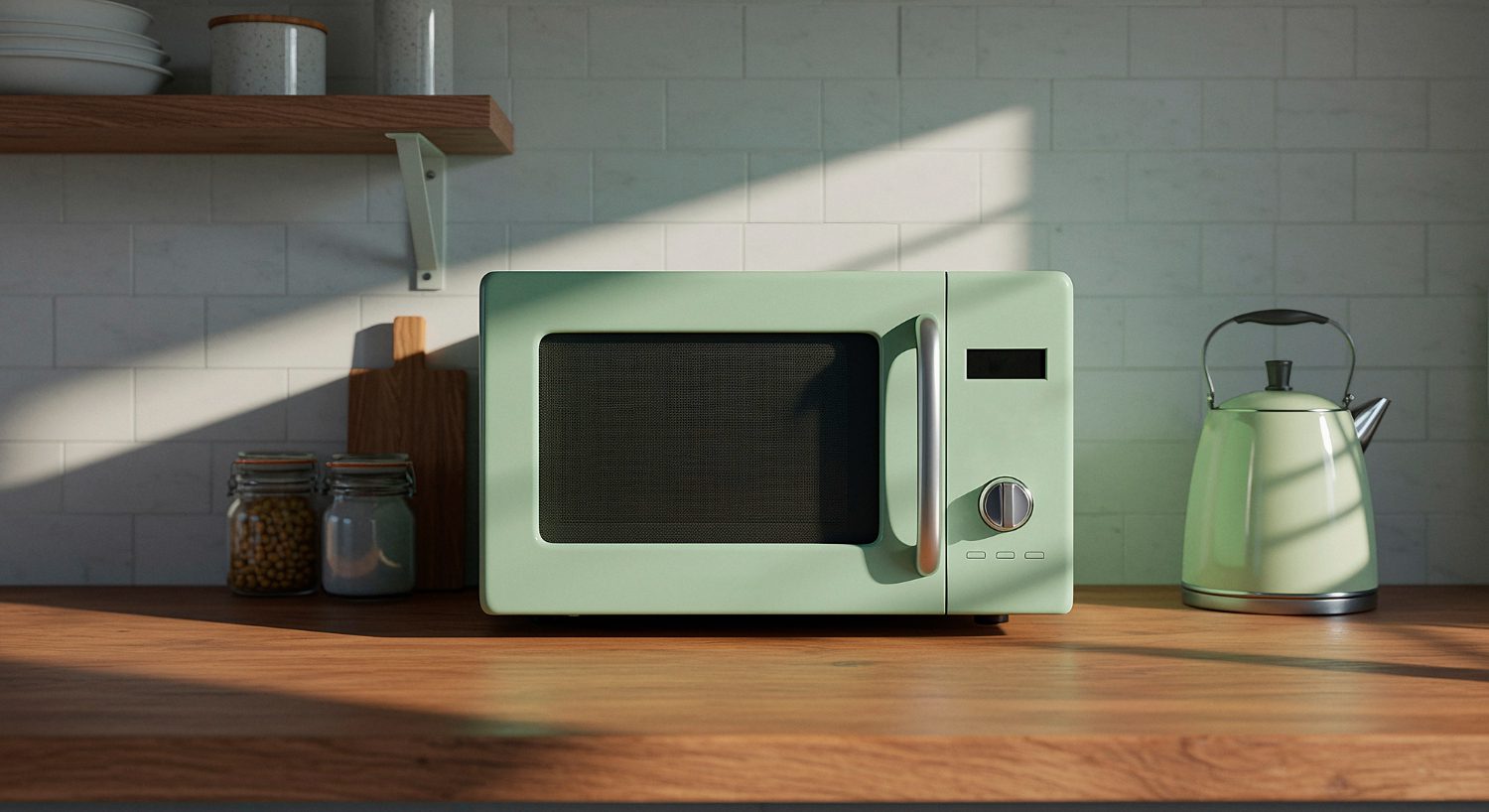
In the 1970s, avocado-colored refrigerators, stoves, and dishwashers were considered cutting-edge kitchen style. These appliances gave homes a vibrant, earthy look and were seen as a modern alternative to plain white finishes. Today, however, that once-trendy green hue makes a kitchen look frozen in time.
Contemporary kitchens lean toward sleek stainless steel, black, or neutral-colored appliances that blend seamlessly with different design styles. While your avocado appliances may still function well, they can make your home feel dated and even lower resale appeal.
2. Popcorn Ceilings

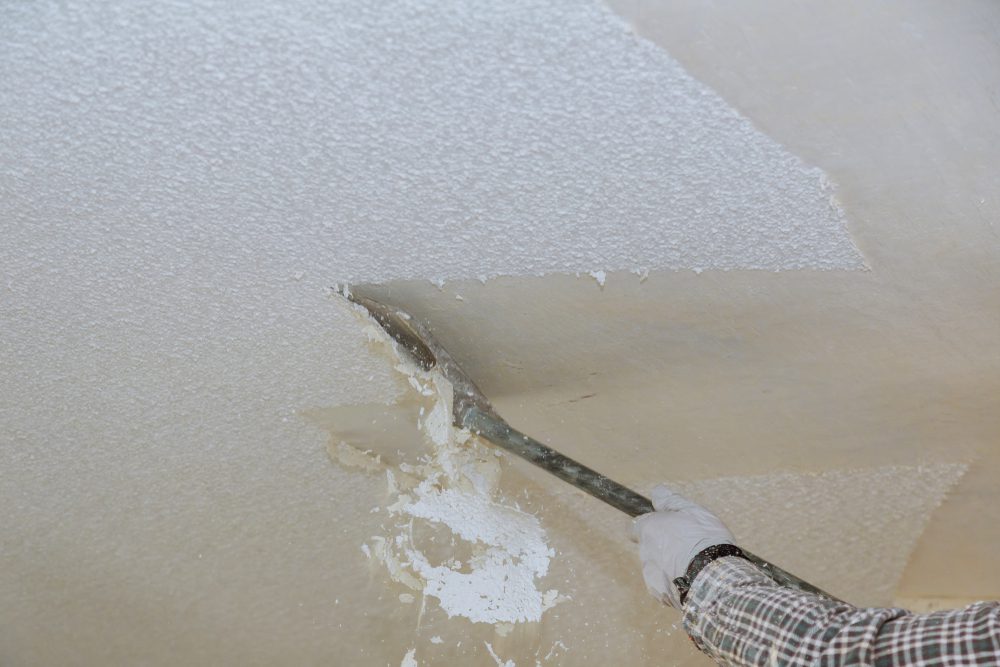
Popcorn ceilings, also known as cottage cheese or stucco ceilings, became popular for their affordability and sound-dampening qualities. Their textured look was a go-to choice in mid-20th century homes, but their rough finish easily traps dust and is difficult to clean.
Today’s homeowners prefer smooth ceilings, which create a clean, open, and modern look. Additionally, older popcorn ceilings may contain asbestos, making them more than just an eyesore—they can also pose a health risk if disturbed.
3. Wall-to-Wall Carpeting
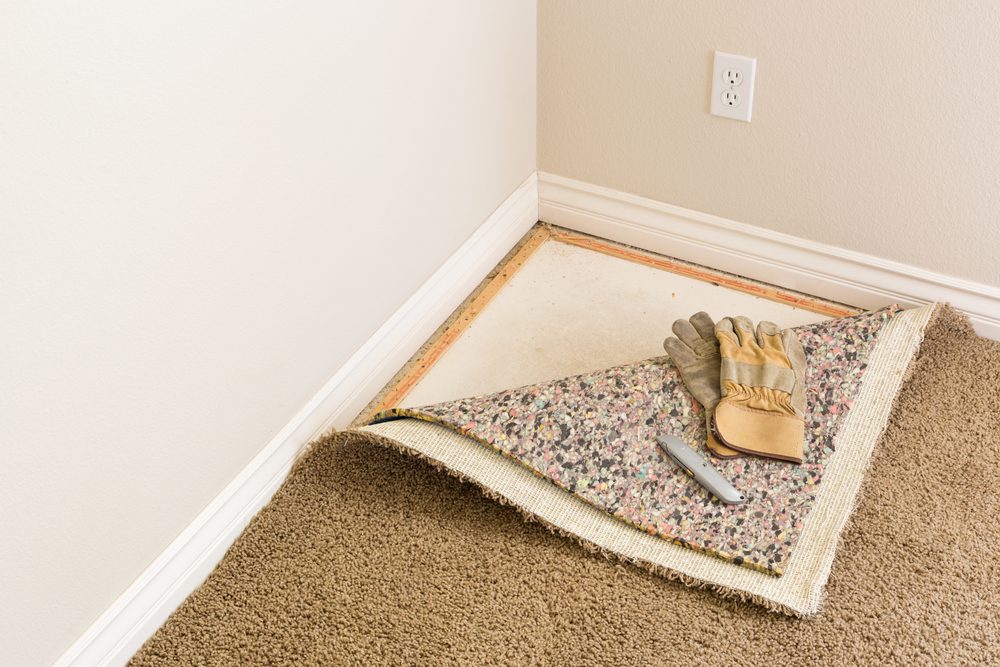
In the 1980s and 1990s, wall-to-wall carpeting was considered the ultimate in comfort and luxury. Available in countless colors and textures, it gave homes a cozy feel. But over time, carpeting absorbs stains, odors, and allergens, making rooms look worn and less hygienic.
Today, hardwood, laminate, and luxury vinyl flooring dominate modern homes. These materials are easier to clean, last longer, and appeal to homebuyers looking for sleek, low-maintenance living spaces.
4. Floral Wallpaper

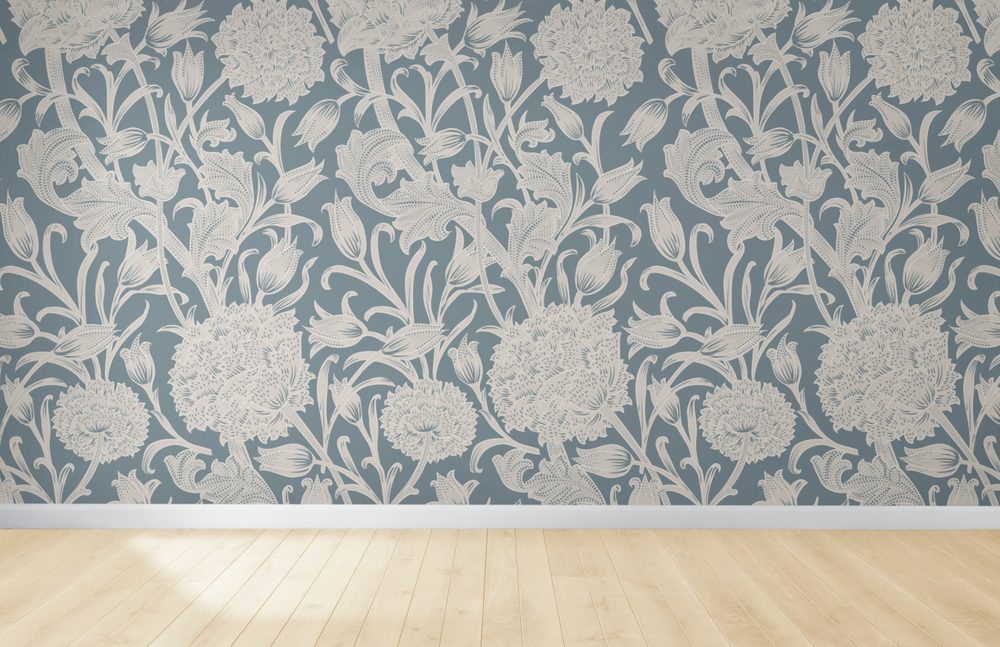
Floral wallpaper once brought vibrant patterns and personality into living spaces. Bold prints were especially popular in the 1970s and 80s, covering everything from bathrooms to bedrooms. While once chic, large-scale floral designs now feel overwhelming and outdated in most homes.
Minimalist and neutral color palettes are now favored for their versatility and calming effect. If you still love florals, consider using them sparingly in accent walls or smaller accessories instead of covering entire rooms.
5. Brass Fixtures

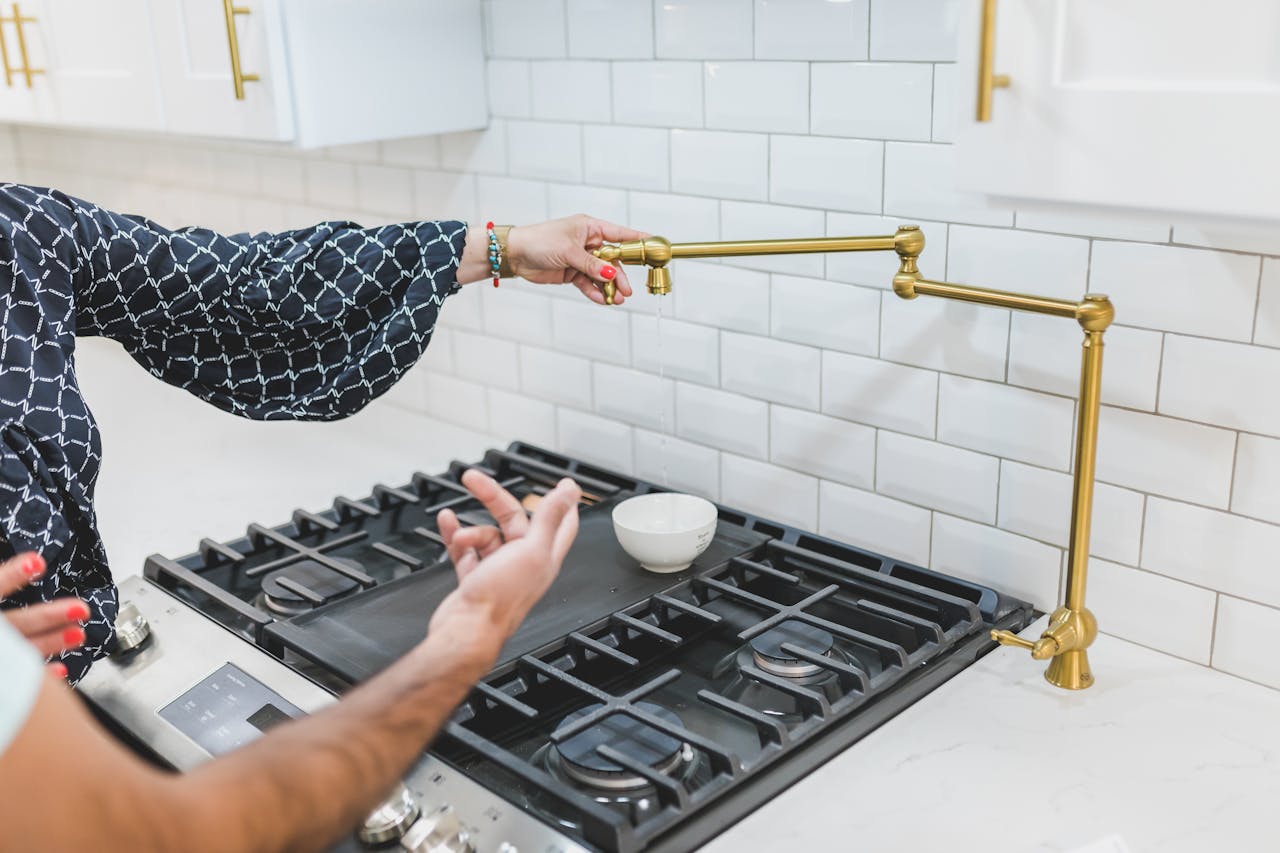
Shiny brass hardware was once synonymous with luxury. From faucets to light switches, the golden finish brought glamour to homes throughout the 80s and 90s. But brass is prone to tarnishing, and its flashy look doesn’t blend well with today’s streamlined interiors.
Modern homeowners tend to prefer brushed nickel, matte black, or stainless steel fixtures. These alternatives provide a contemporary, durable finish that works with a wide range of styles.
6. Wood Paneling

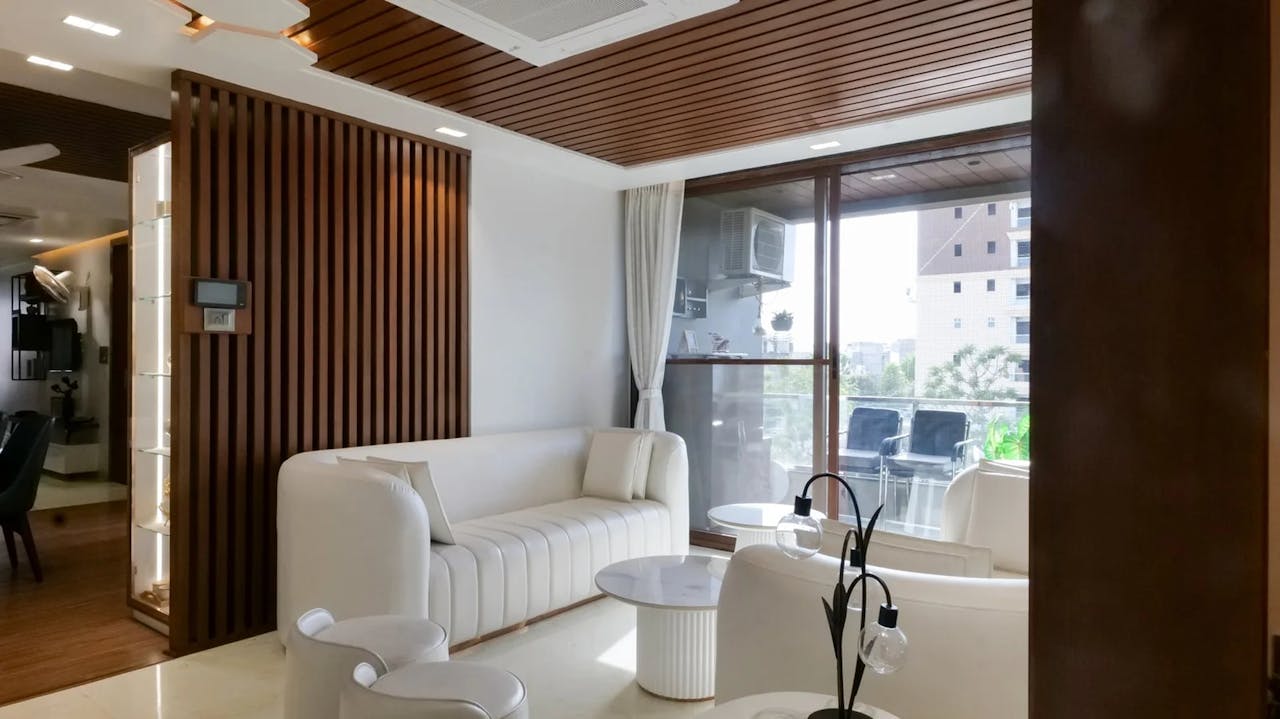
Wood paneling gave homes a rustic, cabin-like feel when it surged in popularity during the 1960s and 70s. But in darker shades, it can make rooms feel closed in, heavy, and outdated. What once felt warm and cozy can now drag down a home’s appeal.
Today’s design trends lean toward light, bright spaces that feel airy and open. Painting over existing paneling in soft tones or replacing it with drywall are common upgrades that instantly modernize a room.
7. Ceramic Figurines

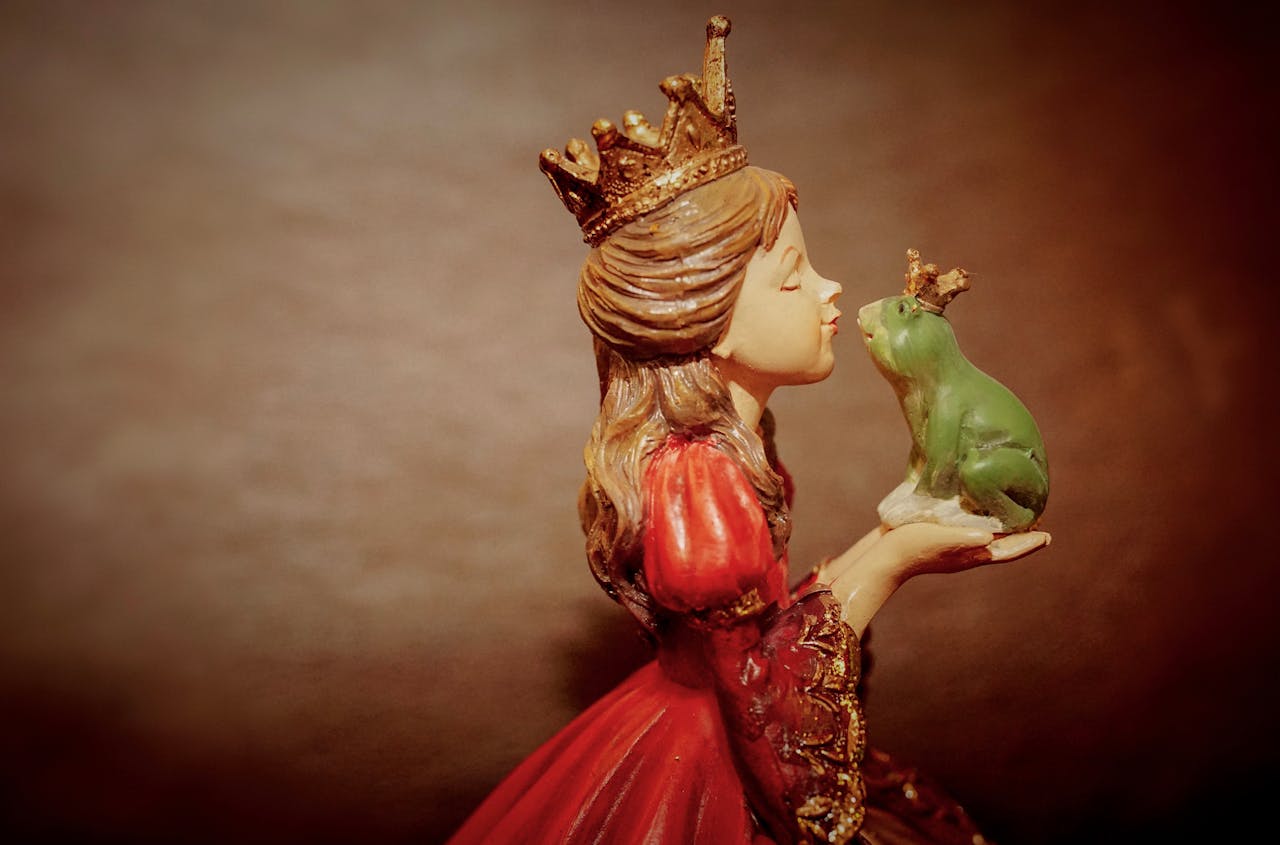
Once a symbol of charm and sophistication, ceramic figurines decorated mantels, shelves, and display cabinets in countless homes. But when clustered together, they can create a cluttered, outdated aesthetic that detracts from more modern design.
Today’s interiors favor intentional curation. A few meaningful, well-placed pieces create a sense of personality without overwhelming the space, keeping the focus on simplicity and clean design.
8. Vertical Blinds

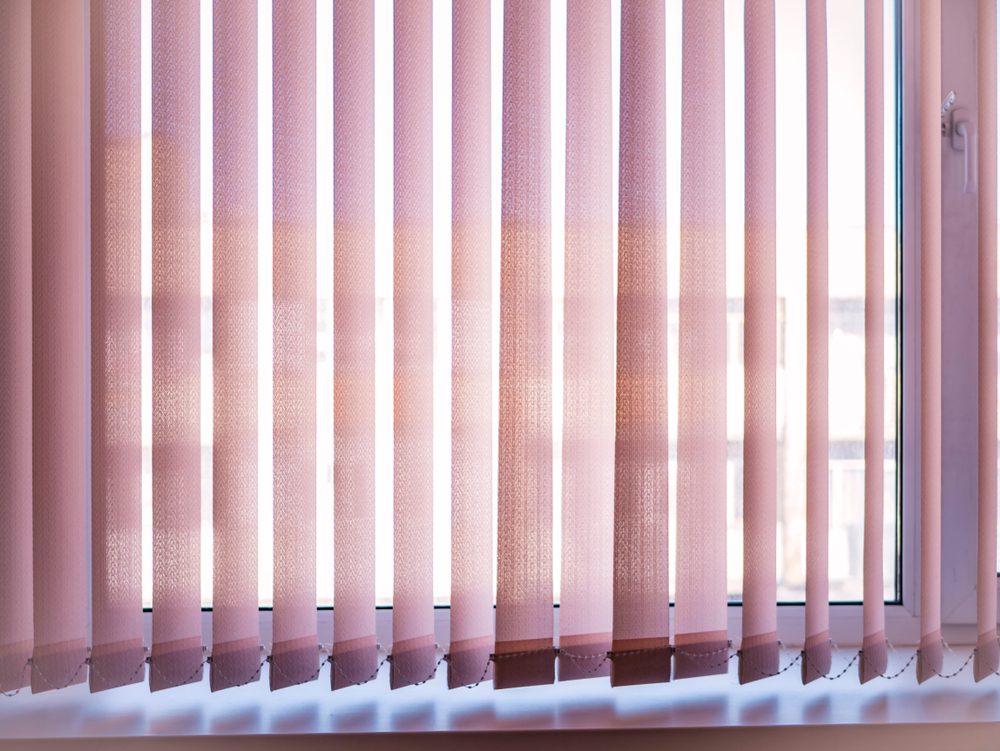
Vertical blinds were a practical solution for large windows and sliding doors in the 1980s and 90s. They were inexpensive and easy to install, making them a popular choice. However, their stiff movement and utilitarian look now feel clunky and outdated.
Modern alternatives like Roman shades, roller blinds, or light, airy curtains provide a more elegant and functional approach. These upgrades instantly refresh a room while offering better light control and style.
9. Overstuffed Furniture


Oversized, overstuffed furniture was once considered the pinnacle of comfort, with deep cushions and plush armrests dominating living rooms. But their bulky shapes can overwhelm a space, making rooms feel crowded and dated.
In contrast, today’s furniture trends lean toward clean lines and sleeker silhouettes. Streamlined sofas and chairs not only maximize space but also bring a sense of modern sophistication to a room.
10. Tiled Countertops
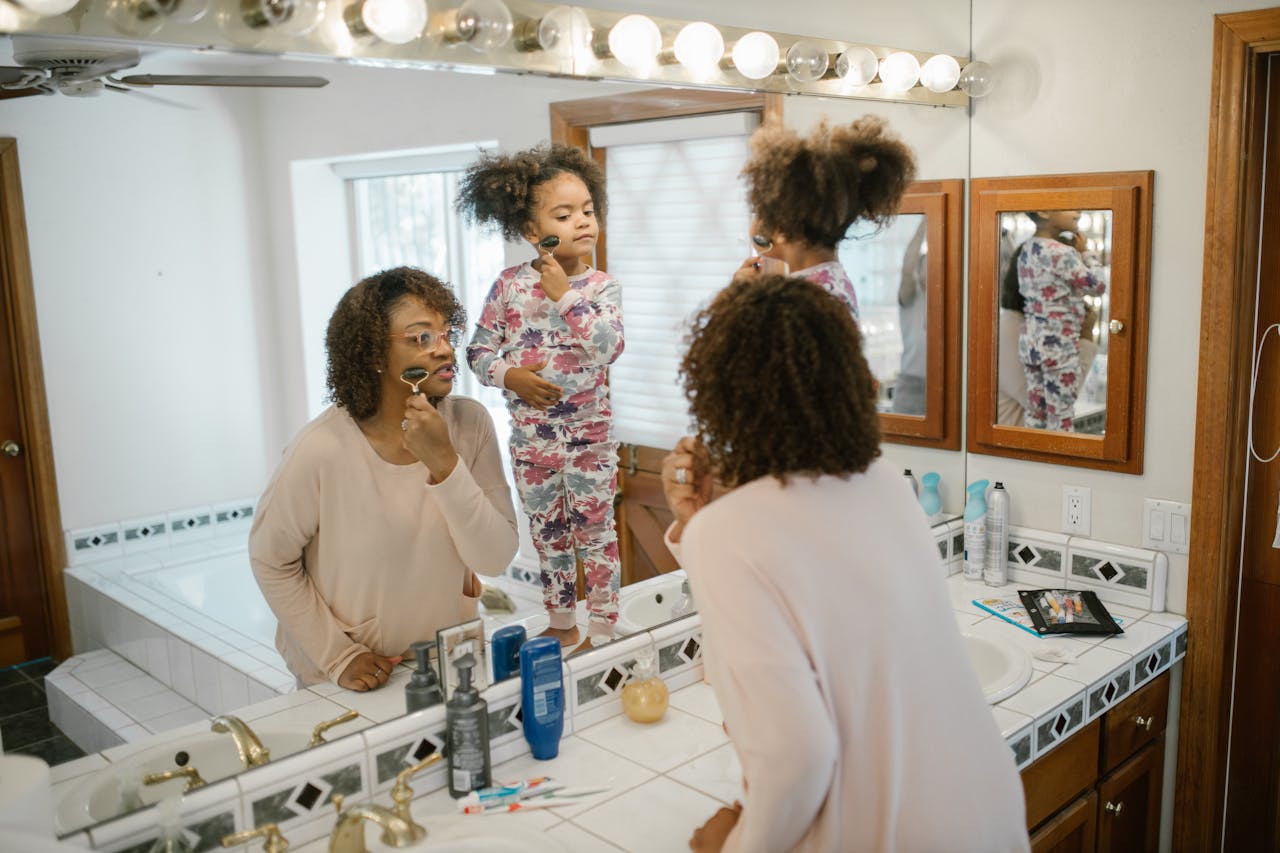
Tiled countertops were once praised for their affordability and design variety. They gave kitchens a handcrafted look and allowed homeowners to experiment with color and pattern. But grout lines quickly collect dirt, making them tough to clean and less desirable today.
Modern kitchens now favor sleek, seamless surfaces such as quartz, granite, or solid-surface materials. These options are not only stylish and easy to maintain but also add long-term value to a home.