


You probably don’t realize how many everyday items in your home can harbor germs. Many things you use often can become a breeding ground for bacteria, mold, and viruses if not replaced regularly.
Knowing which items to replace and when can help you reduce the risk of illness and keep your environment cleaner. This article will guide you through ten common items that you should consider replacing right now to stay healthier.
Kitchen sponges


Your kitchen sponge can quickly become a hotspot for bacteria. After just two weeks, it may harbor millions of germs.
To keep it cleaner, wash your sponge daily with hot, soapy water and microwave it wet for two minutes.
Still, it’s best to replace your sponge every couple of weeks. This helps prevent bacteria buildup and keeps your kitchen healthier.
Mascara wands

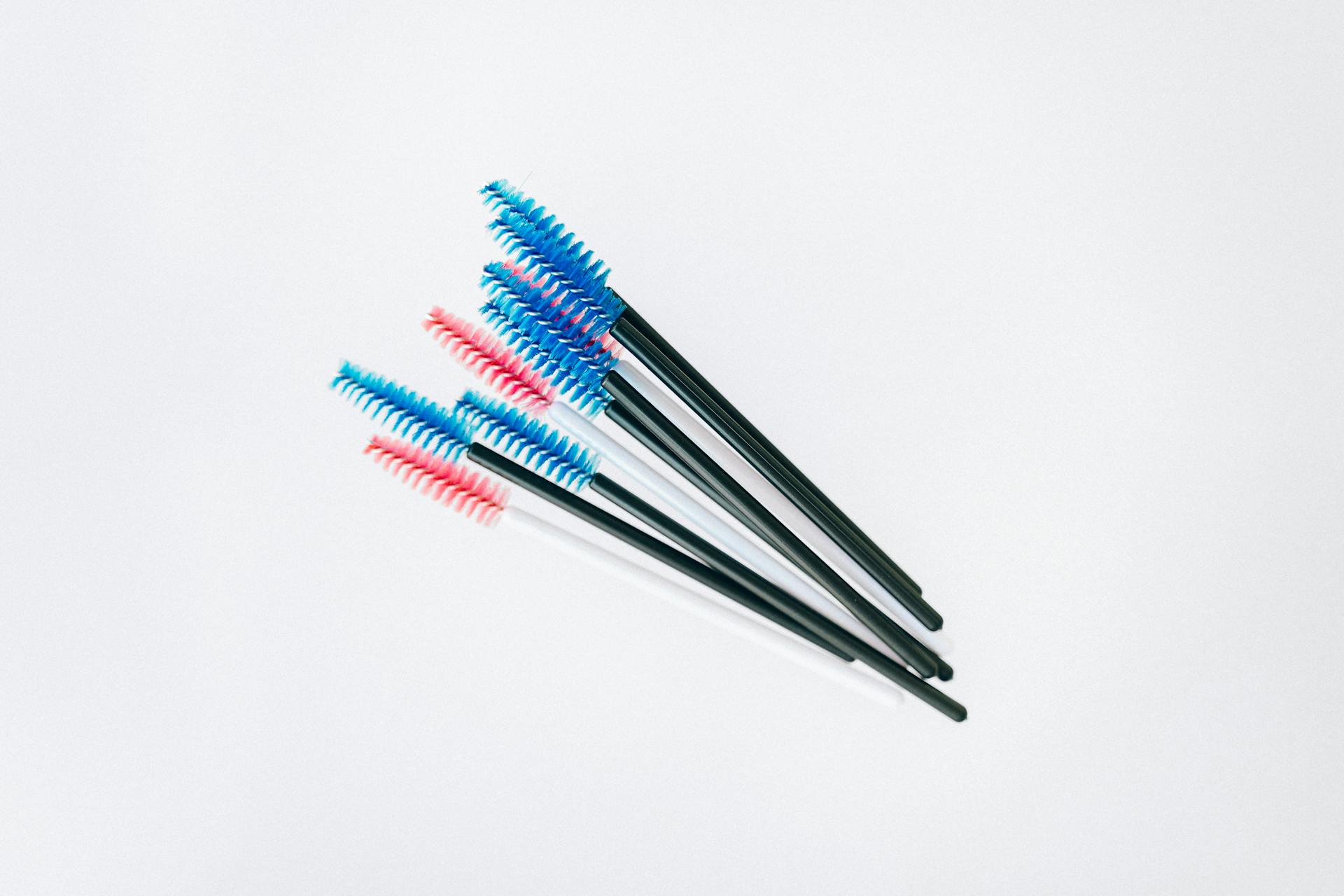
Your mascara wand can quickly become a place where bacteria grow. Each time you use it, germs from your eyes and environment get trapped.
Using the same mascara for more than three months increases this risk. You should replace your mascara regularly to keep it clean.
Cleaning the wand can help, but it doesn’t remove all bacteria. The safest choice is to swap your mascara every few months.
Makeup brushes


Your makeup brushes can collect bacteria if you don’t clean them regularly. This buildup can cause skin irritation and breakouts.
It’s a good idea to wash your brushes every 7 to 10 days to keep them fresh and safe. With proper care, you don’t need to replace them often.
If your brushes start shedding or smell bad, it’s time to replace them. Keeping them clean helps protect your skin and improve your makeup application.
Shower head filters
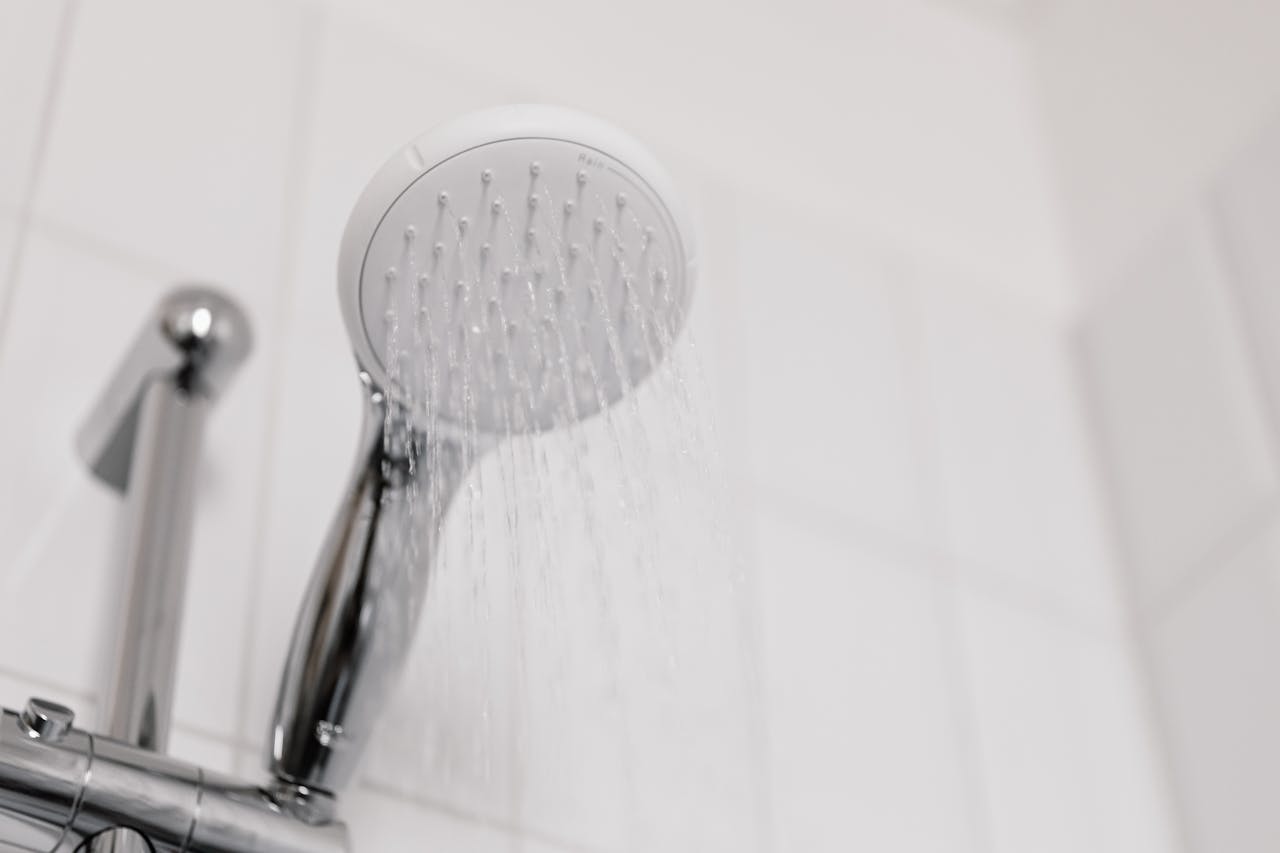
Your shower head can harbor bacteria, algae, and germs over time. Using a shower head filter helps reduce these contaminants in your water.
Filters with media like KDF use copper and zinc to cut down chlorine and limit bacterial growth. Replacing an old or dirty shower head filter can improve your skin and hair health.
Dishcloths and rags


Your dishcloths and rags can hold more bacteria than you might expect. They often stay damp, making them a perfect place for germs to grow.
If you don’t replace or wash them frequently, harmful bacteria like E. coli can build up. To keep things fresh, swap them out regularly and let them dry completely between uses.
Plastic cutting boards


If your plastic cutting board has visible knife marks or grooves, it’s time to replace it. These cuts can trap bacteria and are hard to clean fully.
Using damaged plastic boards may also release tiny plastic particles into your food. Keeping an eye on wear and tear helps reduce this risk.
Choosing a new board regularly keeps your kitchen safer and more hygienic.
Reusable water bottles
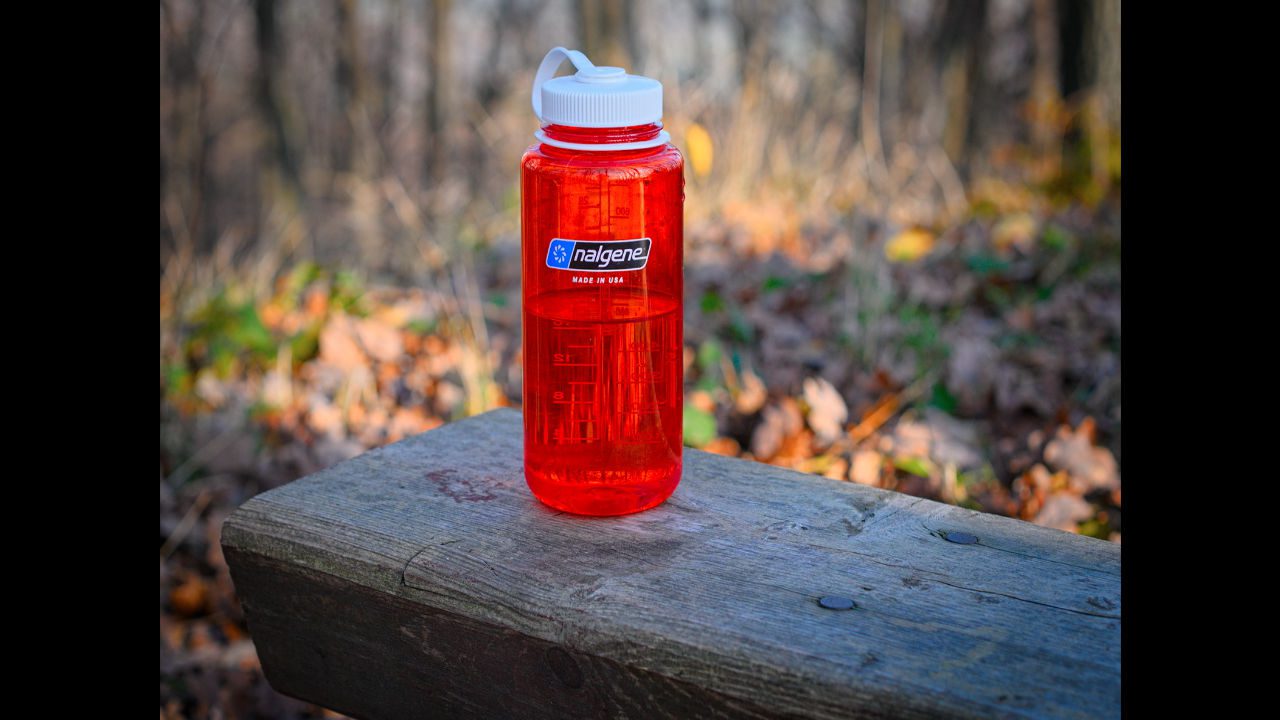
Your reusable water bottle can carry a lot more germs than you might expect. Every sip deposits bacteria inside, which multiply quickly in the moist environment.
Studies show these bottles can have more bacteria than kitchen sinks or even toilet seats.
To keep yours safe, clean it regularly with hot soapy water or a bottle brush. Replacing it when signs of wear appear is a smart idea. This helps you avoid unwanted bacteria build-up and stay healthy.
Toothbrushes

You should replace your toothbrush every three months. Over time, bacteria builds up on the bristles, which could affect your mouth health.
Toothbrushes can also carry germs from the bathroom environment, especially if they’re stored near the toilet. Rinsing it well and letting it air dry can help, but regular replacement is key to keeping your mouth clean.
Bath towels

Your bath towel can harbor bacteria, yeast, and even mold if it stays damp for too long. This happens because warmth and moisture create a perfect environment for germs to grow.
To keep your towels fresh and clean, wash them regularly, ideally after three to four uses. Also, make sure they dry completely between uses to reduce bacteria buildup. Replace towels every 1 to 3 years, depending on their condition and quality.
Razors
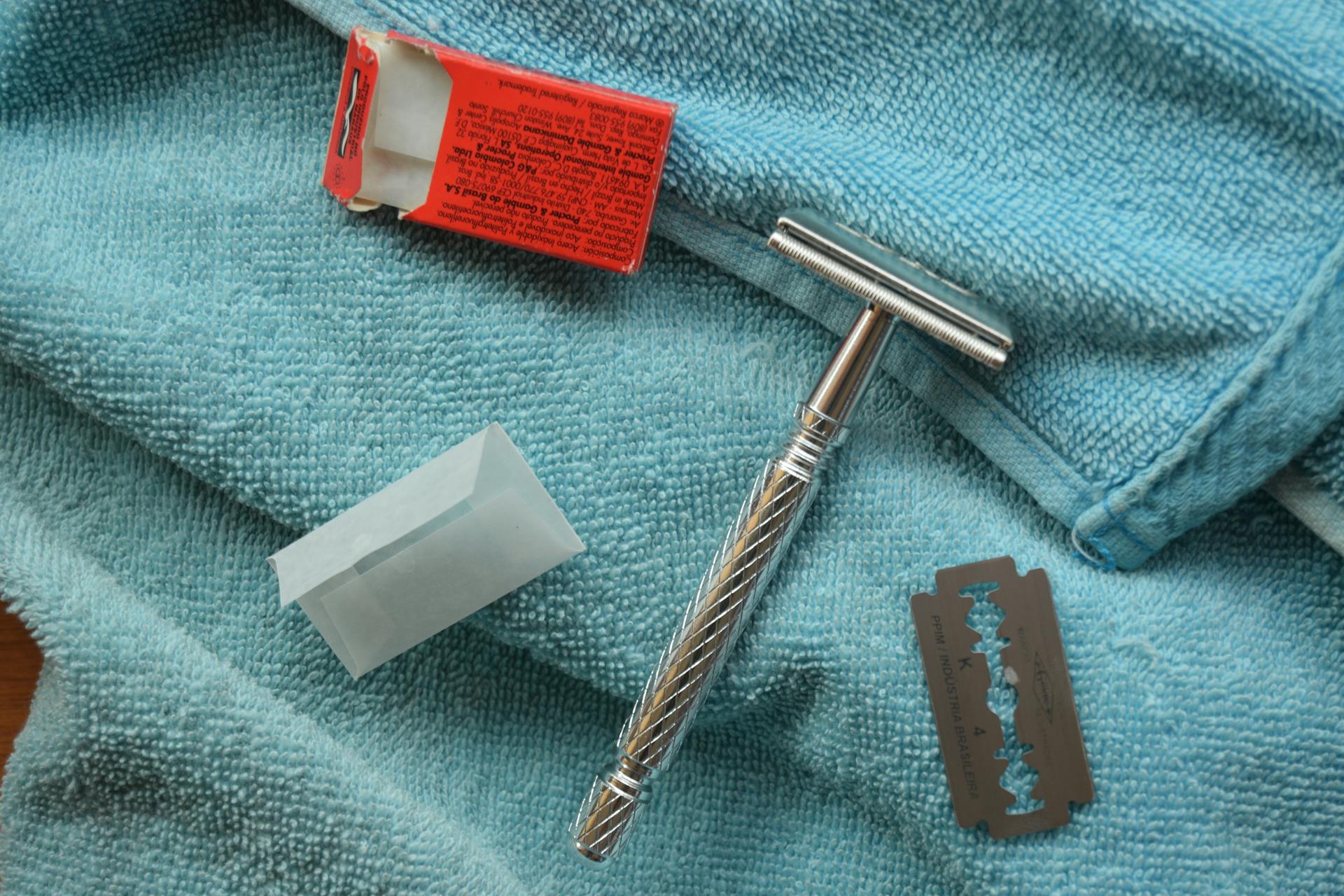
You should replace your razor blades every two weeks or sooner if they start feeling dull or rusty. Using old blades can increase the chance of bacteria buildup, which isn’t good for your skin.
After each use, hang your razor in a dry, well-ventilated area. Keeping it dry helps reduce germs and keeps your blades sharper longer. Avoid sharing razors because it can spread bacteria and viruses.