



Keeping a clean kitchen is a task that requires regular attention. This is especially crucial now, as more and more people are cooking at home due to the global pandemic. A well-maintained kitchen not only provides a hygienic environment for meal preparation but also saves time in the long run. However, it can be difficult to manage without a proper routine. This list of kitchen cleaning routines is based on real-world trends, collected data, expert interviews, and surveys. The aim is to provide a comprehensive guide that can help you save time and keep your kitchen in top-notch condition. Each of these routines has been carefully selected for their effectiveness and efficiency.
1. Daily Wipe Down

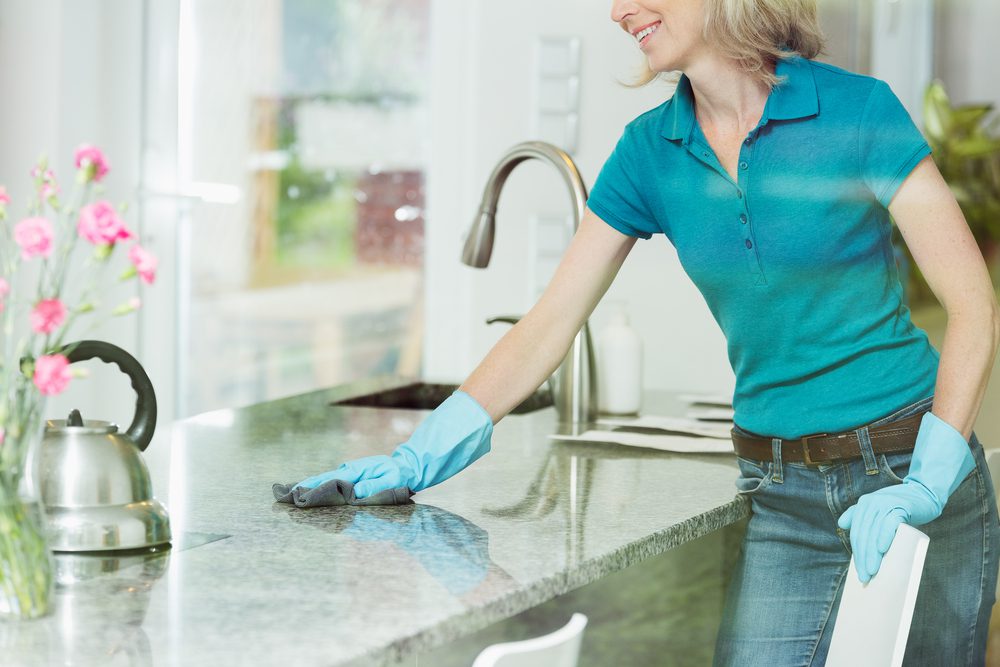
The daily wipe down is a simple routine that many people overlook due to its simplicity. However, it has the power to make a significant difference in the cleanliness of your kitchen. It involves wiping down all surfaces, including countertops, stovetops, and appliances, with a damp cloth every day. With the increased focus on hygiene and cleanliness in the current pandemic era, this routine has gained more importance. By wiping down surfaces daily, you significantly reduce the chances of bacteria build-up, leading to a safer, cleaner kitchen. This trend is backed by CDC guidelines, emphasizing regular cleaning of frequently touched surfaces.
2. Regular Decluttering


Regular decluttering involves removing unnecessary items from your kitchen space. Many people tend to accumulate items they rarely use, which take up valuable space and make the kitchen appear messy. Now, with the rise of minimalism and efficient use of space, regular decluttering has become a trend. It not only saves time when you’re cooking or cleaning, but it also makes your kitchen look more organized and spacious. Experts recommend decluttering as a way to simplify your home and life.
3. Weekly Deep Cleaning

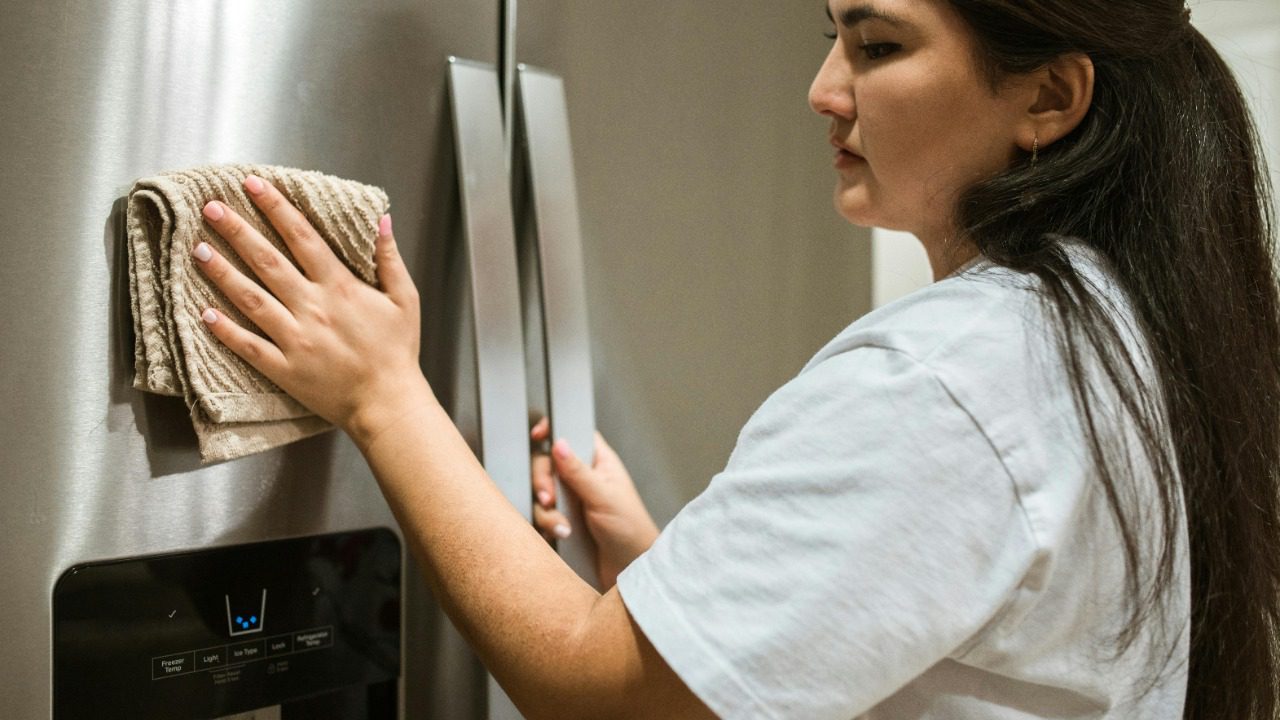
Weekly deep cleaning involves thoroughly cleaning your kitchen once a week. This includes cleaning the oven, refrigerator, deep fryer, and other appliances that are not cleaned on a daily basis. This routine is becoming more essential now, as more people are cooking at home due to the pandemic. With increased usage of kitchen appliances, regular deep cleaning ensures that they remain in good condition and last longer. According to Good Housekeeping, weekly deep cleaning is a must for maintaining a clean and hygienic kitchen.
4. Regular Pantry Check


A regular pantry check involves going through your pantry and removing expired items. Many people overlook this routine, leading to clutter and potential health risks from consuming expired food. With the trend of bulk buying during the pandemic, pantry checks have become more important than ever. It saves time by preventing you from rummaging through expired items while cooking and ensures food safety. The FDA recommends regular checks to avoid foodborne illnesses.
5. Dishwashing After Every Meal

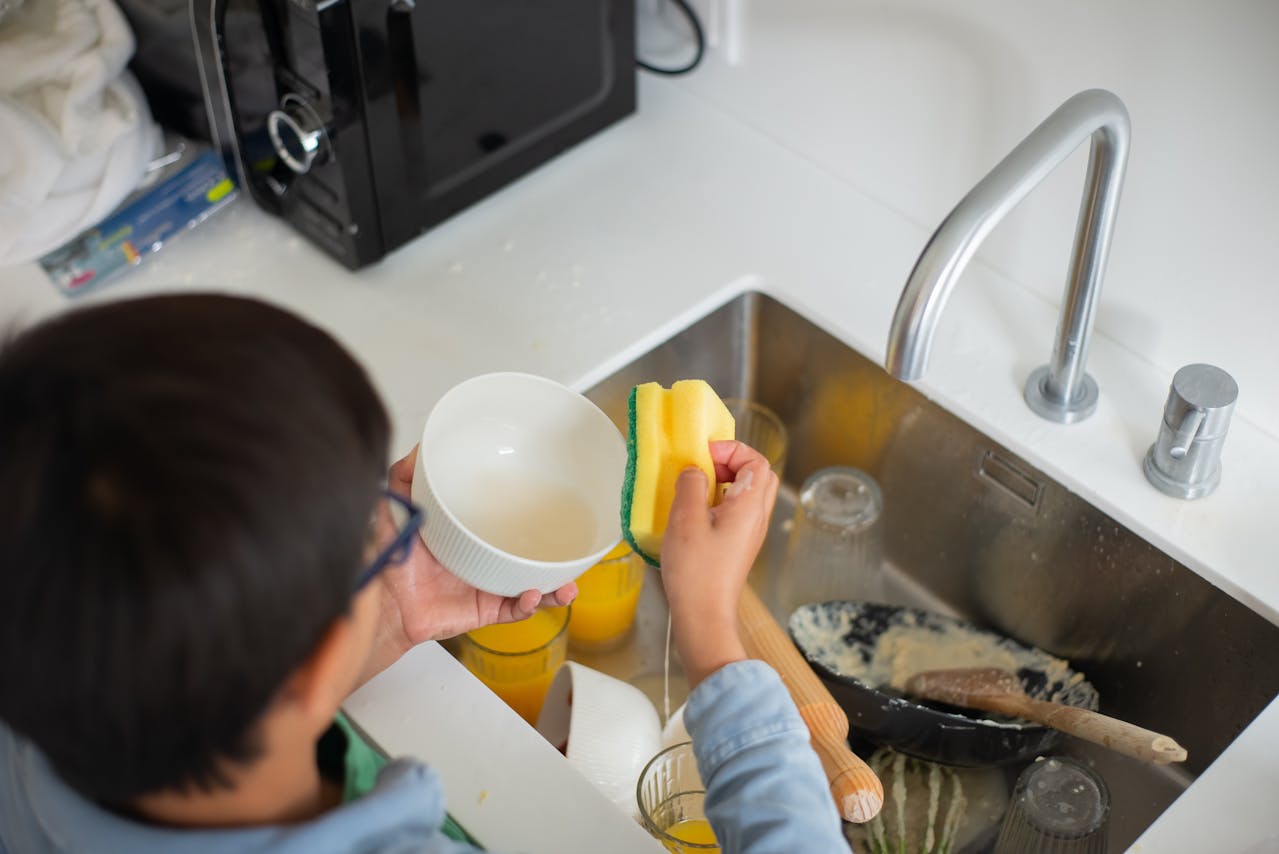
Dishwashing after every meal is a routine many people find tedious, but it saves a lot of time in the long run. By washing dishes immediately after use, you prevent food remains from hardening and becoming difficult to wash off later. Now, with more home cooking and eating, this routine has become more critical. It not only maintains cleanliness but also keeps your kitchen ready for the next meal. Consumer Reports emphasizes the importance of smart hand-washing technique for efficiency.
6. Cleaning As You Cook
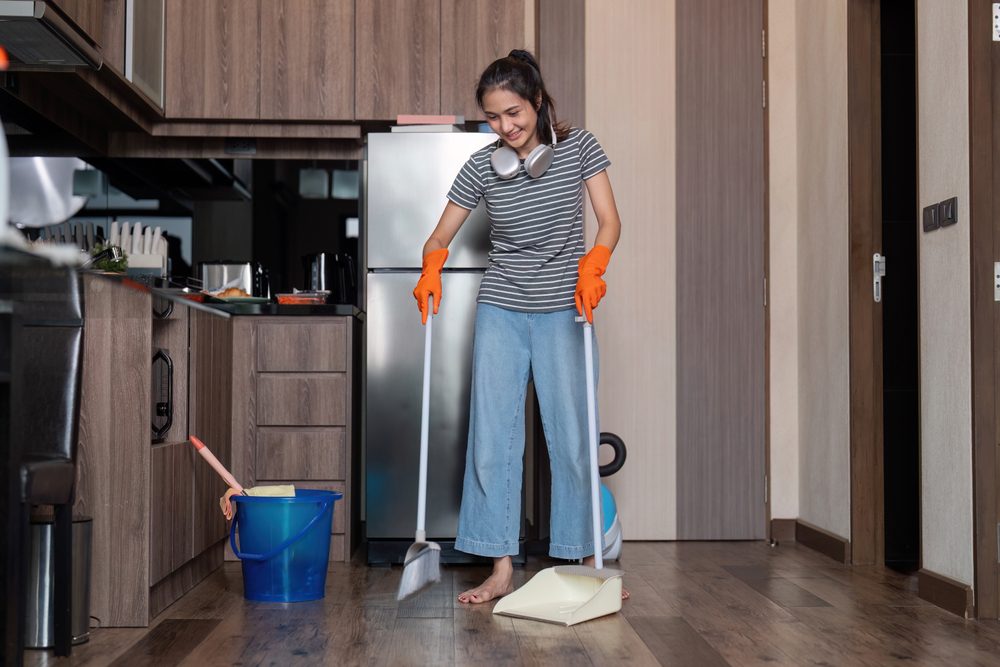
Cleaning as you cook is a habit that many successful home cooks swear by. It involves cleaning up spills, washing utensils, and clearing up countertop mess as you prepare your meal. This prevents a large pile-up of cleaning tasks after cooking. In the current scenario, when everyone is trying to minimize time spent in the kitchen, this routine is especially beneficial. Food Network recommends cleaning as you cook to save time and keep your kitchen clean.
7. Regular Fridge Cleaning
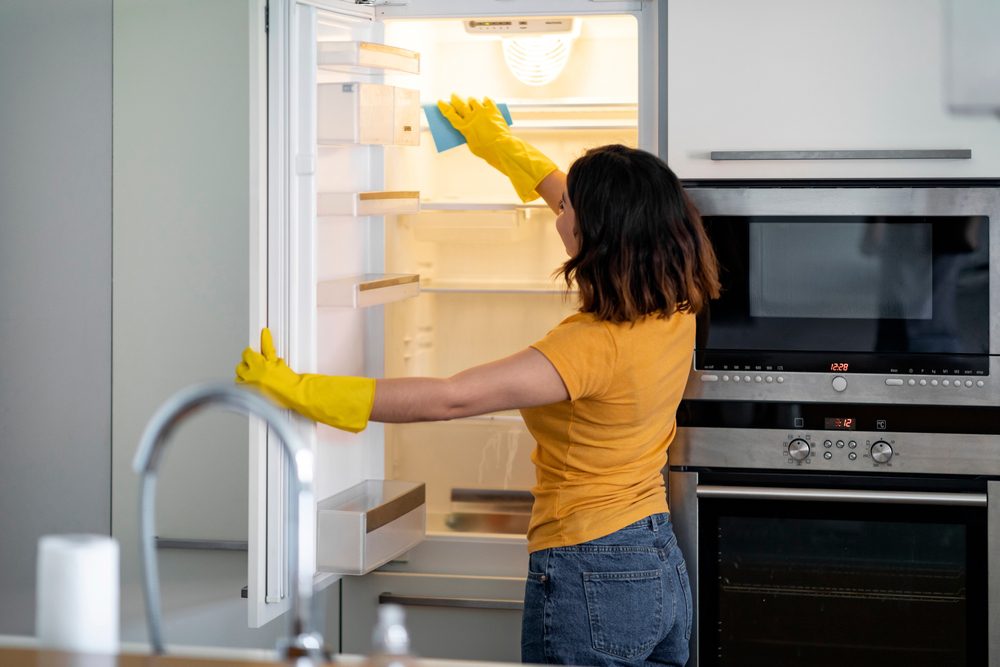
Regular fridge cleaning is a routine that involves wiping down fridge shelves and removing expired food items. Many people neglect this routine, leading to unpleasant odours and potential health risks. Given the increased reliance on home-cooked meals, regular fridge cleaning has gained importance in maintaining food safety and hygiene. According to CDC guidance, a clean fridge is essential for preventing food poisoning.
8. Cleaning Kitchen Tools

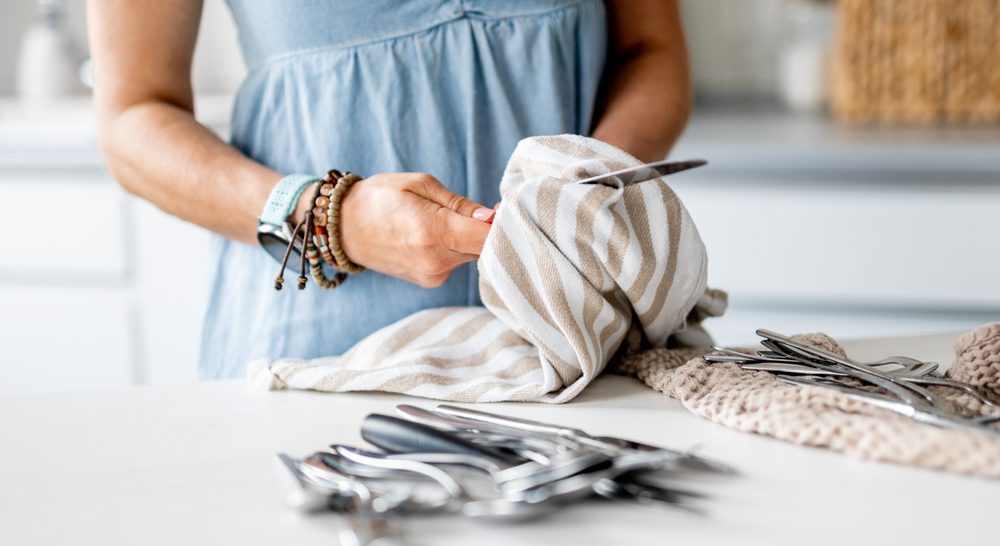
Cleaning kitchen tools, such as knives, peelers, and grating tools, is a routine often overlooked. These tools come into direct contact with food, and if not cleaned properly, they can become a breeding ground for bacteria. With the increased focus on food safety and hygiene, cleaning kitchen tools has become more important than ever. This routine not only maintains the longevity of the tools but also ensures safe food preparation. Eat Right underscores the importance of this routine in maintaining kitchen cleanliness.
9. Garbage Management


Garbage management involves regular disposal of kitchen waste and cleaning of the trash can. While this may seem like a no-brainer, many people neglect the cleaning part, leading to odour problems and potential pest infestations. Now, with the trend towards sustainability and hygiene, proper garbage management has become crucial. It ensures a cleaner, odour-free kitchen and contributes to environmental conservation. EPA guidelines highlight the importance of waste reduction and proper disposal.
10. Regular Vent Cleaning
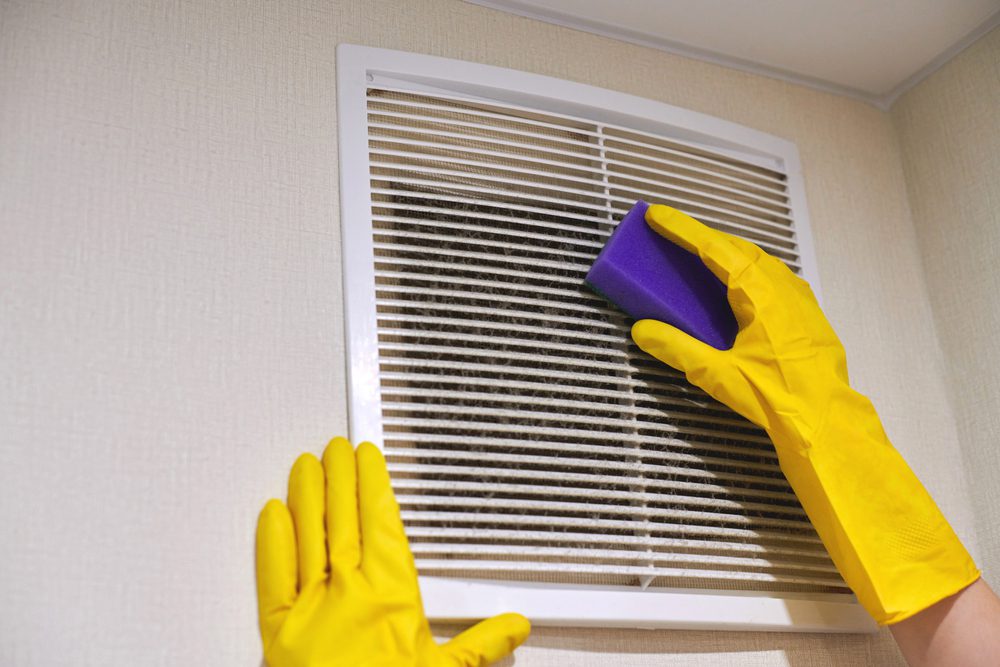
Regular vent cleaning is a routine that involves cleaning the kitchen exhaust fan or range hood. This is often overlooked, but neglecting it can cause grease build-up, leading to potential fire hazards. In the present time, when home cooking is the norm, regular vent cleaning has become more vital. It ensures a safer cooking environment and extends the lifespan of your kitchen vent. NFPA emphasizes regular vent cleaning to prevent kitchen fires.