


Cleaning your kitchen can feel straightforward, but you might be missing key details that affect how well your items get clean. Many common tools and appliances require specific care to stay in good shape and to keep your kitchen truly sanitary.
Knowing the right way to clean your kitchen items can save you time and prevent damage. By adjusting your routine, you’ll get better results without extra effort, making your space healthier and more enjoyable to use.
Dishwasher Overloading


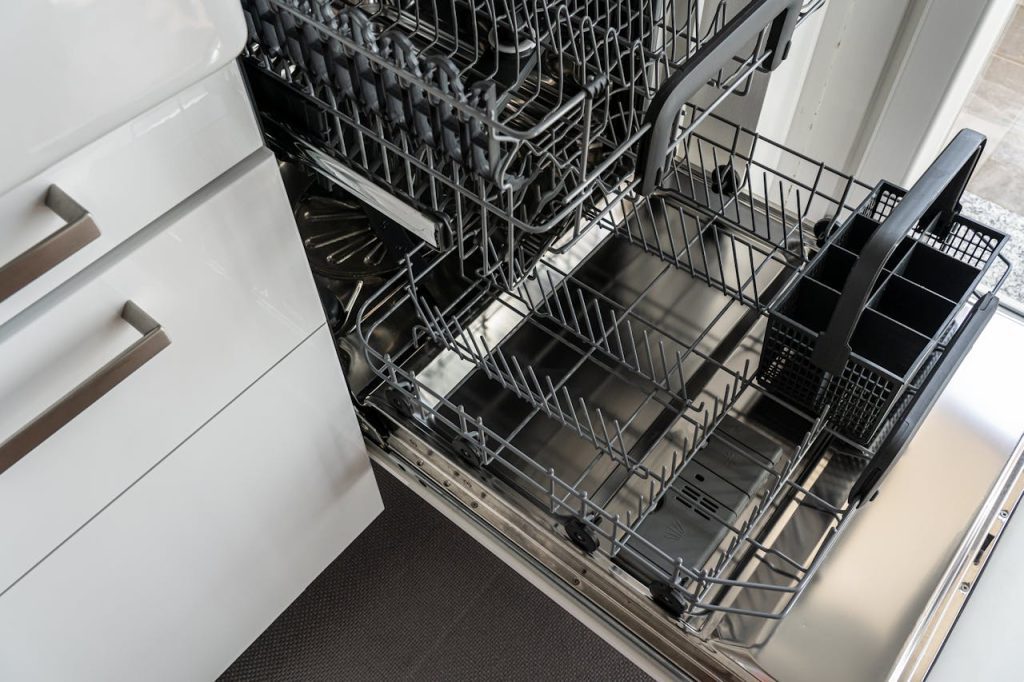
You might be cramming too many dishes into your dishwasher at once. Overloading blocks water and detergent from reaching all surfaces effectively.
This means some dishes won’t get fully clean. It also puts extra strain on the dishwasher’s spray arms.
Try to leave enough space between items so water can flow freely. This small change can improve your dishwasher’s performance.
Using Too Much Soap on Surfaces


You might think more soap means cleaner surfaces, but using too much can actually leave a sticky residue. This residue attracts dirt, making your kitchen look dirtier faster.
Keep your soap use moderate and rinse well with water. This helps avoid buildup and keeps surfaces looking fresh longer.
Cleaning Kitchen Sponges with Just Water

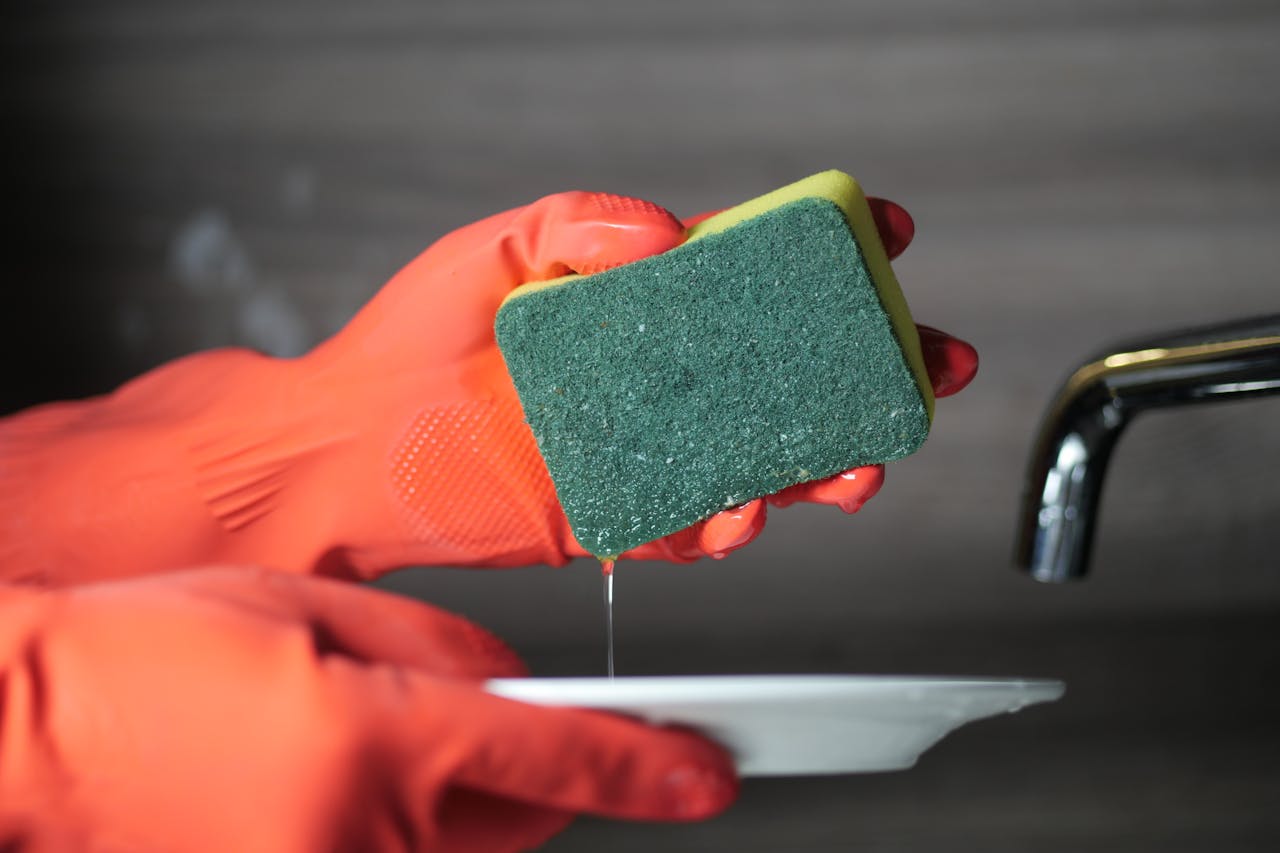
You might think rinsing your sponge with water is enough, but it often isn’t. Simply using water removes some food particles but doesn’t fully kill bacteria.
If you want to keep things basic, rinse your sponge thoroughly with hot water after each use. This helps wash away grease and dirt but won’t eliminate all germs.
For better cleaning, occasionally soak your sponge in boiling water for a minute. This uses heat to reduce bacteria without harsh chemicals, making it an easy and natural option.
Washing Cast Iron Pans with Soap

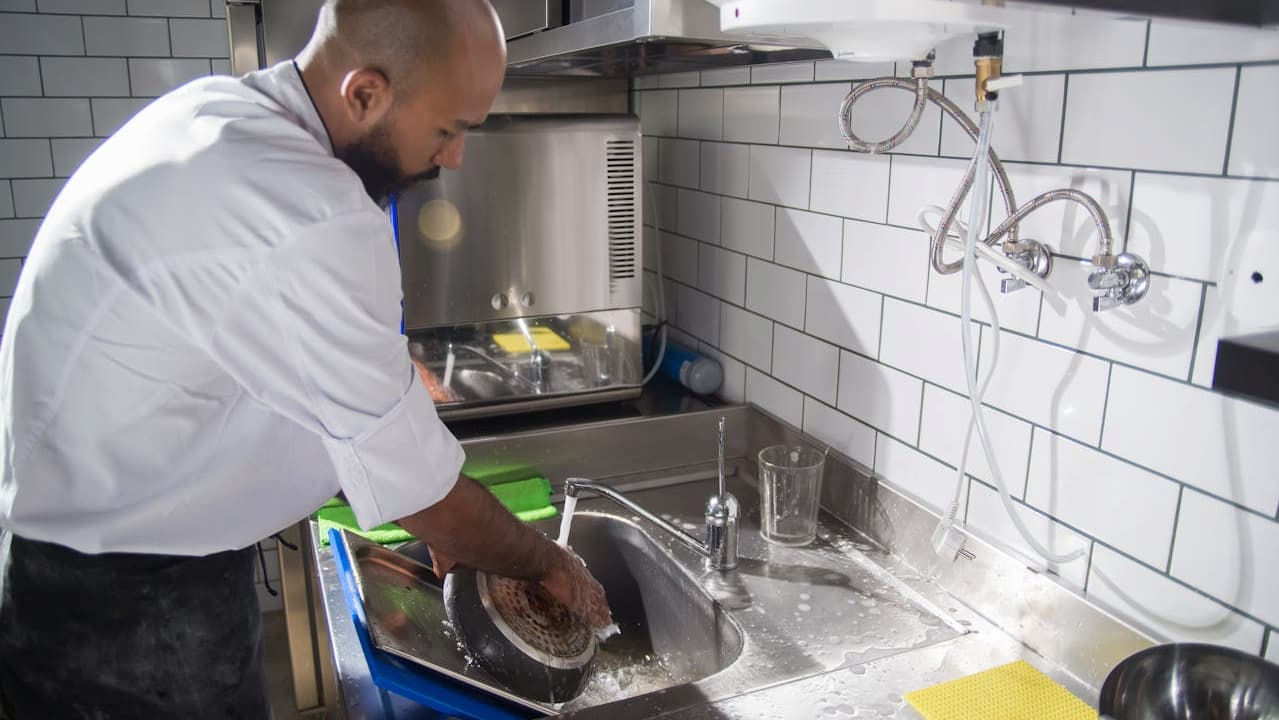
You can clean your cast iron pans with a small amount of mild soap without harming the seasoning. Use just a drop to avoid excess rinsing, which can lead to rust.
After washing, dry your pan immediately and apply a thin layer of oil. This helps maintain the seasoning and keeps your pan ready for cooking.
Avoid soaking your cast iron in water. Instead, scrub gently and let it air dry with a paper towel inside to absorb moisture.
Ignoring the Dishwasher Filter

You might think your dishwasher cleans itself, but that’s not the case. The filter traps food particles and debris to keep your dishwasher running efficiently.
If the filter gets clogged, your dishes may not come out fully clean. It’s a good idea to check and clean the filter regularly to avoid bad odors and buildup.
Cleaning the filter is simple and helps extend the life of your dishwasher. Just remove it, rinse off the debris, and pop it back in.
Neglecting to Clean the Trash Can Regularly


You might take out the trash frequently but forget to clean the can itself. Over time, spills and residue build up on the lid and edges, causing unpleasant smells.
Regularly wash your trash can with warm water and soap. This helps prevent bacteria and mold growth, keeping your kitchen fresher and healthier.
A clean trash can also reduces odors that can affect other areas of your kitchen. Taking a few minutes to scrub it can make a big difference.
Using a Broom Instead of a Wet Mop for Floors

You might think a wet mop is the only way to clean kitchen floors, but using a broom can be just as effective. When paired with a damp towel, a broom lets you scrub without soaking the floor.
This method uses less water, so it’s great for wood or laminate surfaces. Plus, the broom helps push the towel around, covering more area faster than a traditional mop. Give it a try next time you clean!
Scrubbing Stainless Steel Appliances Wrong

You might think scrubbing harder gets your stainless steel appliances cleaner, but it often just adds scratches. Use a soft, non-abrasive cloth or sponge instead.
Wipe in the direction of the grain to avoid streaks and preserve the finish. Harsh cleaners can damage the surface, so stick to gentle solutions.
Always dry the appliance immediately after cleaning to prevent water spots. Buff with a clean, dry cloth to keep that polished look.
Cleaning Knives in the Dishwasher

You might think throwing knives in the dishwasher saves time. However, the heat and strong detergents can dull the blades quickly.
Dishwashers can also cause rust or damage to wooden handles. Washing knives by hand helps keep them sharper and safer.
Use a sponge and clean from the spine side to protect the blade edge. This simple step makes a big difference for your knives’ life.
Not Running Monthly Dishwasher Cleaning Cycles
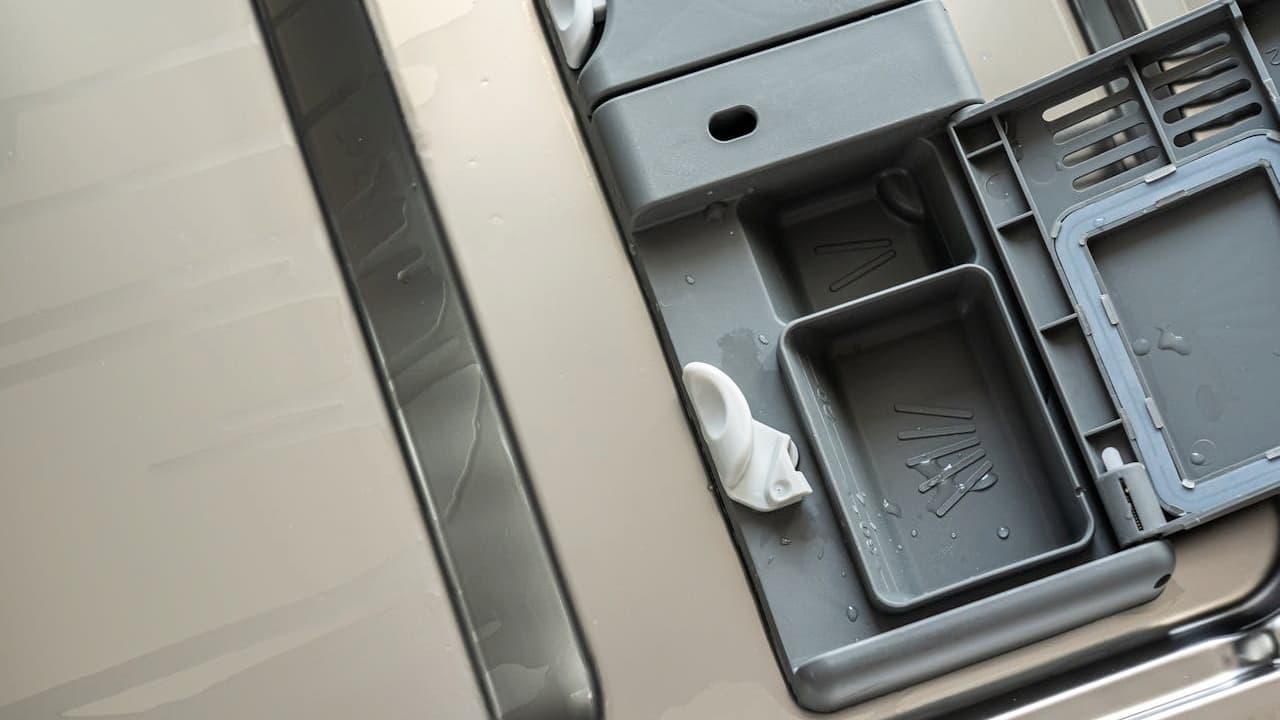
You might think your dishwasher cleans itself, but it actually needs regular care. Running a monthly cleaning cycle helps remove buildup from spray arms, filters, and the interior.
Using a dishwasher cleaner or a mix of vinegar and baking soda keeps your machine fresh and efficient. Skipping this step can reduce cleaning power and leave your dishes less clean than they should be.