


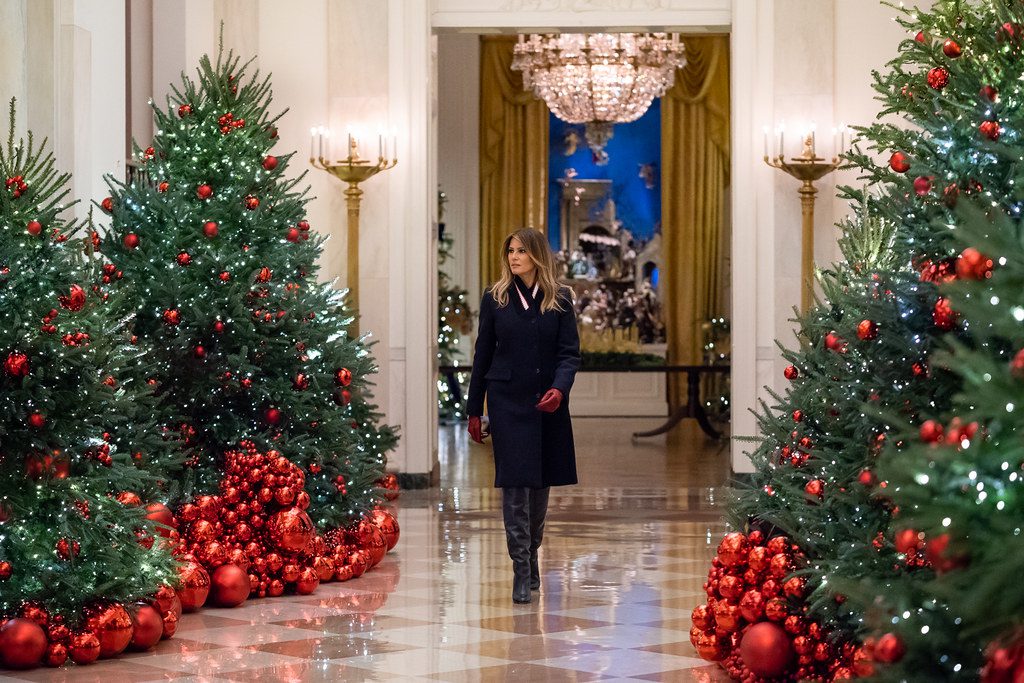
If you love scrolling through photos of The White House at Christmas, you know the first ladies are really the secret creative directors behind the magic. From towering Blue Room trees to fiber-optic experiments, each era has turned holiday décor into a snapshot of the country’s mood.
Here are ten of the most memorable White House Christmas decorations by first ladies in Washington, and how they quietly reshaped what you expect from a presidential holiday.
1) Jacqueline Kennedy’s 1961 Blue Room Tree


Jacqueline Kennedy’s 1961 Blue Room tree is where your modern idea of a White House Christmas really starts. In 1961, First Lady Jackie Kennedy introduced the first official White House Christmas tree in the Blue Room, decorated with ornamental replicas of toys from the 18th and 19th centuries. According to a history of White House Christmas traditions, She also began the custom of choosing a theme, which instantly turned décor into a form of storytelling rather than just tinsel and lights.
She decorated a tree placed in the oval Blue Room with ornamental toys, birds and angels modeled after Pyotr Tchaikovsky’s Nutcracker Suite ballet, a detail highlighted in Jacqueline Kennedy Refines the Season. Another account of Blue Room trees notes that She helped launch a visual tradition that now spans 48 administrations, tying the Nutcracker Suite fantasy directly to national memory. For you as a viewer, that 1961 tree set the expectation that White House holidays should feel curated, cultured and a little bit theatrical.
2) Mamie Eisenhower’s 1954 Peace on Earth Display

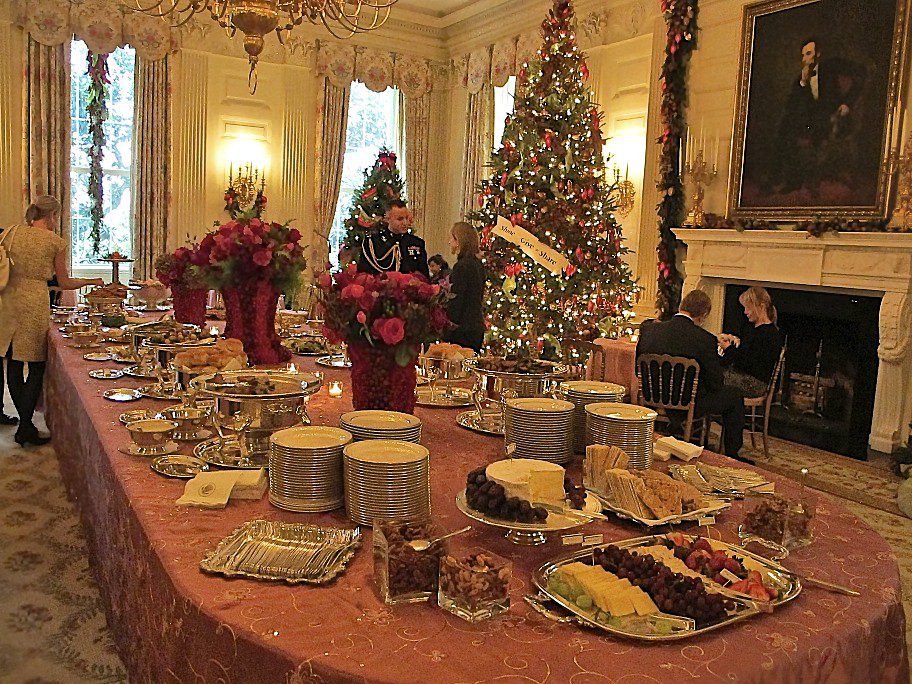
Mamie Eisenhower’s 1954 “Peace on Earth” theme shows how early first ladies were already using Christmas décor to send a message. She filled the entrance hall with a 27-foot fir tree, a literal showstopper the moment you walked in. Historical overviews describe that tree as covered in 500 red velvet bows and white candles, a color palette that leaned into classic Americana while still feeling soft and hopeful. The scale alone signaled that the holidays at the White House were not just family time, they were a national mood board.
By centering the phrase “Peace on Earth,” Mamie Eisenhower was speaking directly to a country living with Cold War anxiety. The glowing white candles and hundreds of bows turned the house into a quiet argument for calm and stability. When you look at later decorations, you can see how this approach, pairing a simple phrase with very intentional visuals, becomes a template for how first ladies communicate values through Christmas.
3) Laura Bush’s 2001 Home for the Holidays Trees

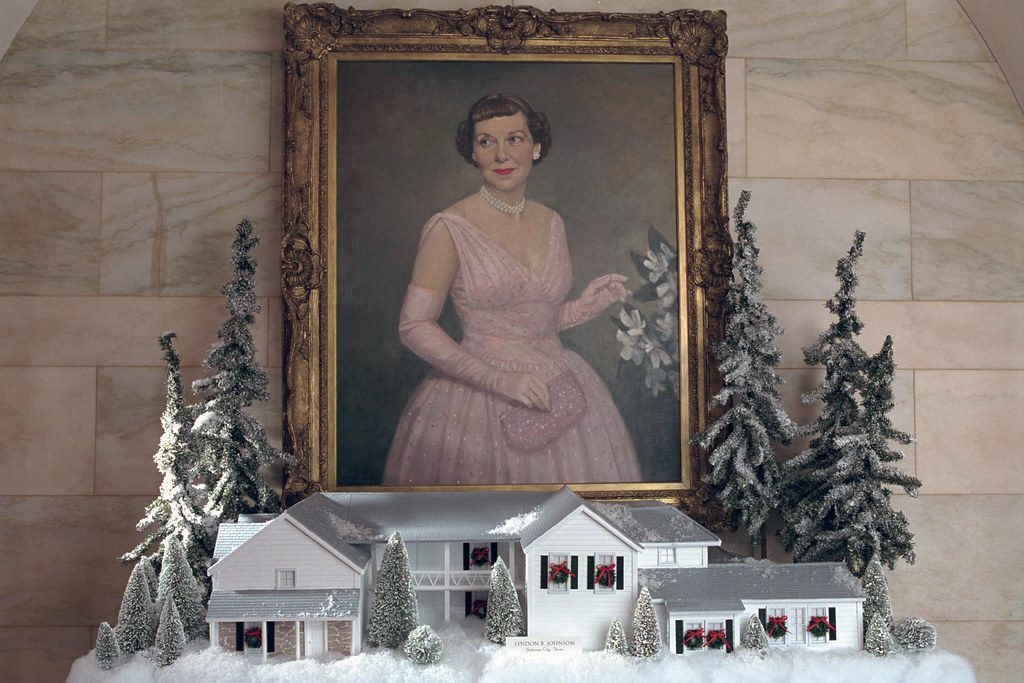
Laura Bush’s 2001 “Home for the Holidays” theme leaned into comfort at a time when the country badly needed it. She filled the White House with 28 Christmas trees, so wherever you turned, you were reminded of familiar traditions. The centerpiece was the Blue Room tree, which featured 1,396 ornaments made by low-income and disabled Americans, a detail preserved in records from the George W. Bush Presidential Library. That choice pulled everyday people directly into the most photographed tree in the country.
By spotlighting artisans who were often overlooked, Laura Bush turned the décor into a quiet statement about inclusion and dignity. The sheer number of trees made the building feel like a cluster of homes rather than a distant institution. For visitors, and for anyone seeing the images later, the message was clear: “home” at Christmas could be shared, not just private, and the White House was trying to model that.
4) Melania Trump’s 2018 Be Best Christmas
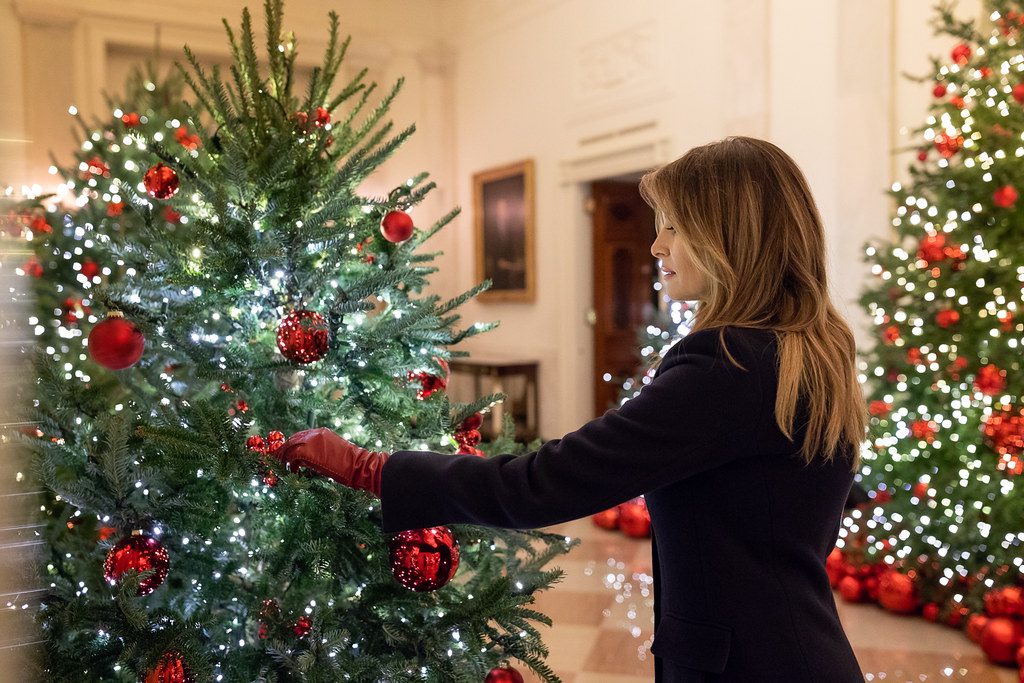
Melania Trump’s 2018 “Be Best” Christmas went big on spectacle and branding. The Blue Room held an 18-foot-tall tree wrapped in 29,000 lights and 3,000 ornaments inspired by classic American illustrations, tying the décor to stories many visitors grew up with. Official descriptions of the 2018 display note that the broader White House was draped in over 500 feet of red ribbon garlands, so the theme followed you from corridor to corridor instead of staying in a single room.
Because “Be Best” was her signature initiative, using it as the holiday theme blurred the line between policy messaging and seasonal décor. For you as a viewer, that meant the images did double duty, selling both a festive mood and a specific agenda about children’s well-being. The intense lighting and saturated reds also showed how modern first ladies are comfortable treating the White House like a stage set that has to read instantly on television and social media.
5) Michelle Obama’s 2013 Gifts of the Season Ornaments

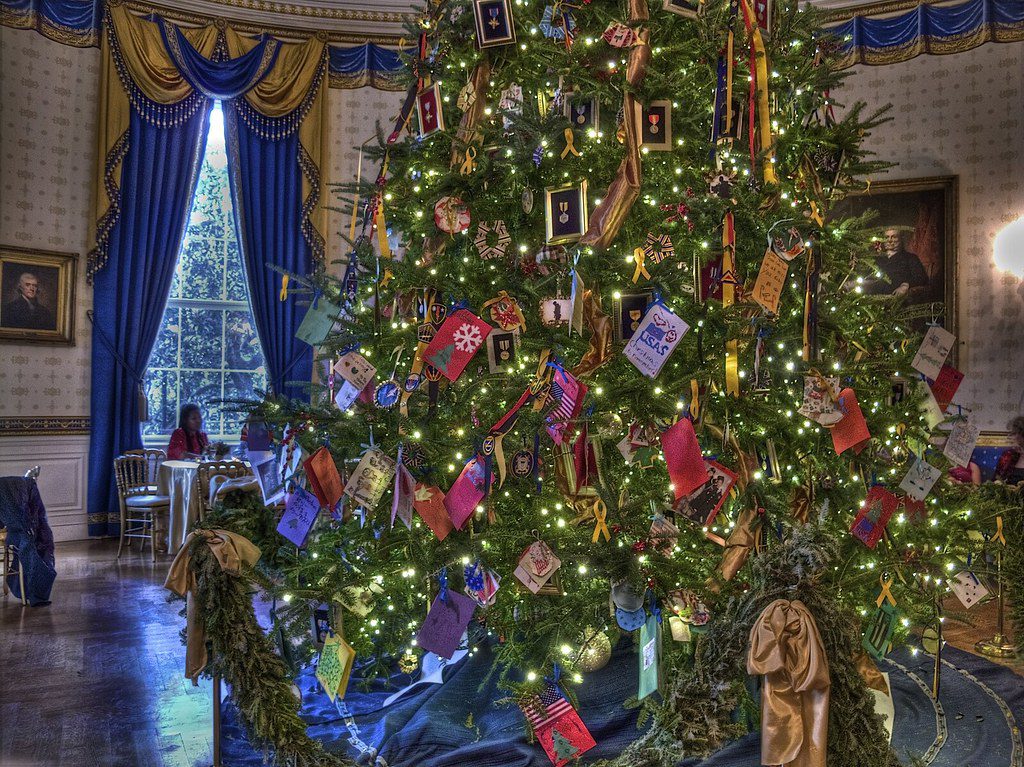
Michelle Obama’s 2013 “Gifts of the Season” theme brought the focus squarely onto service and sacrifice. In the Grand Foyer, she showcased an 18.5-foot Fraser fir covered in colorful, handmade paper ornaments created by children from military families, a detail documented by the Barack Obama Presidential Library. Instead of relying on luxury materials, she elevated simple paper crafts, which made the tree feel approachable and emotionally direct.
By centering kids from military households, Michelle Obama used the most prominent tree to remind visitors who carries the weight of long deployments. The decorations became a visual thank-you note, not just a pretty backdrop. For guests walking through, the message was that the “gifts” that matter most at Christmas are people’s time, resilience and community support, not whatever is wrapped under the tree.
6) Nancy Reagan’s 1982 America the Beautiful Theme

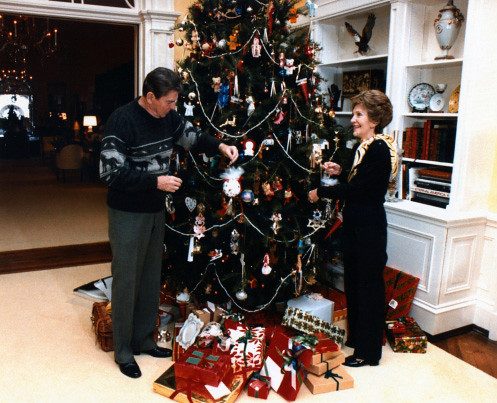
Nancy Reagan’s 1982 “America the Beautiful” theme turned the State Dining Room into a map of the country in miniature. The main tree was ornamented with state flowers and birds, so every branch carried a little piece of local identity. According to records on Patricia Nixon’s stately elegance, later first ladies often drew on similar ideas of regional symbolism, but Reagan’s take stood out for how literally it translated the song “America the Beautiful” into décor.
Outside, more than 5,000 lights illuminated the exterior, making the entire building part of the show. That glow turned the White House into a kind of shared town square for anyone watching on television. For you, the takeaway is that Reagan’s Christmas linked patriotism with natural beauty, suggesting that loving the country meant noticing its specific flowers, birds and landscapes, not just waving a flag.
7) Pat Nixon’s 1970 White House of the Future Decor

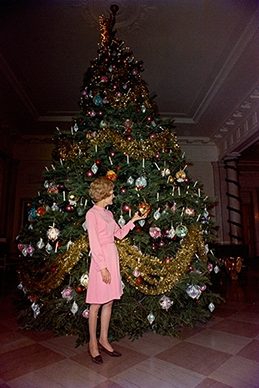
Pat Nixon’s 1970 “White House of the Future” theme is one of the boldest experiments on this list. She installed a fiber-optic Christmas tree in the East Room, embracing cutting-edge technology at a time when most people still associated the holidays with old-fashioned glass bulbs. Aluminum ornaments symbolized modernity, catching and reflecting the shifting lights so the tree looked almost space-age.
Her broader approach to Christmas is captured in accounts of Pat Nixon’s Yuletide legacy, which note how she expanded White House Holiday décor with new ideas like poinsettia trees. For visitors, the 1970 display suggested that tradition did not have to mean nostalgia only, it could also mean optimism about where technology might take the country. If you have ever seen a color-changing LED tree, you are looking at a mainstream version of the risk she took in that East Room.
8) Rosalynn Carter’s 1978 Christmas Around the World

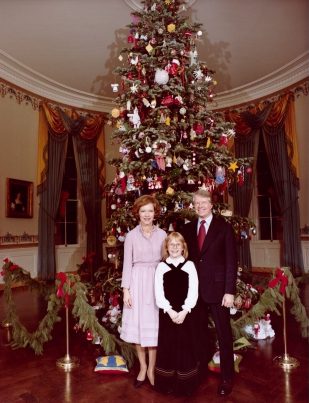
Rosalynn Carter’s 1978 “Christmas Around the World” theme turned the White House into a quick tour of global traditions. Trees in every room represented different countries, so as you moved through the building you were effectively walking through a series of cultural snapshots. The Jimmy Carter Presidential Library notes that one highlight was a German nutcracker collection display, a nod to one of the most recognizable European Christmas exports.
By filling the house with international symbols, Rosalynn Carter used the holidays to underline ideas of diplomacy and cultural respect. For guests, especially children, the experience quietly taught that Christmas is not a single American script but a patchwork of customs. In a city built on foreign policy, that choice turned seasonal décor into a soft lesson in global awareness.
9) Barbara Bush’s 1991 America’s Libraries Initiative

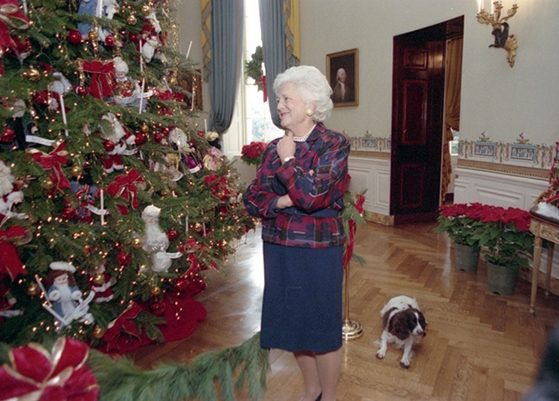
Barbara Bush’s 1991 “America’s Libraries” theme made reading the star of the season. The Blue Room tree carried book-themed ornaments, turning its branches into a kind of three-dimensional bookshelf. In the library, she went even further, adding 72 smaller trees dedicated to children’s reading, a detail preserved by the George H. W. Bush Presidential Library. Each of those trees reinforced her long-standing advocacy for literacy.
For families visiting the White House, the message was unmistakable, stories matter as much as stockings. By tying Christmas joy to libraries and children’s books, Barbara Bush suggested that one of the best gifts adults can give is the ability to read. That framing still resonates in later décor that highlights classrooms, school art projects and community libraries as essential parts of holiday life.
10) Jill Biden’s 2021 Gifts of Warmth Tree
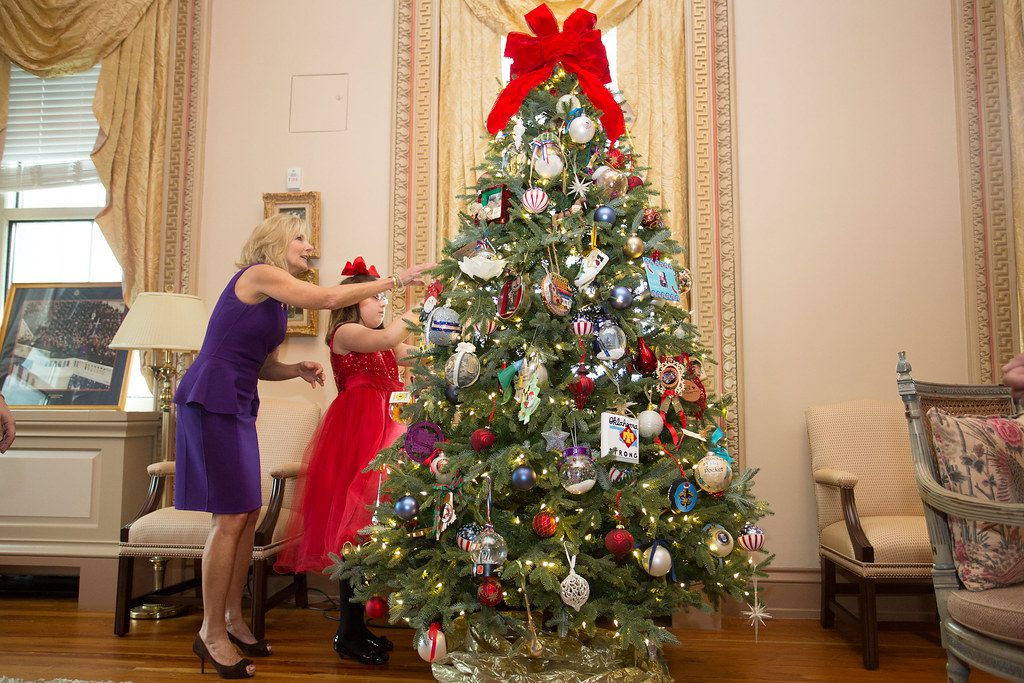
Jill Biden’s 2021 “Gifts of Warmth” theme brought the focus back to tactile comfort and personal history. In the Blue Room, she showcased a 13-foot-tall tree decorated with over 2,000 ornaments handmade by Americans, including knitted items and family heirlooms, as summarized by the White House Historical Association’s 2021 report. The mix of yarn, fabric and passed-down pieces made the tree feel like a national living room rather than a distant display.
Her approach fits into a longer arc of Blue Room trees that, as one overview of Blue Room trees through the years notes, stretches across 48 administrations. Another historical survey of Nixon ornaments from Florida shows how earlier first ladies also relied on handmade work, including pieces representing all 50 states. Jill Biden’s emphasis on warmth and heirlooms pulls those threads together, reminding you that the most powerful White House Christmas decorations are the ones that feel like they could have come from your own home.
More from Decluttering Mom: