


Clutter experts agree that the fastest way to reclaim your home is to stop hoarding the everyday items that quietly pile up in closets, drawers, and on counters. These ten categories show up again and again in client homes, wasting space, money, and energy. By targeting them directly, you can cut through decision fatigue and make visible progress without sorting every last belonging.
1) Outdated Paperwork

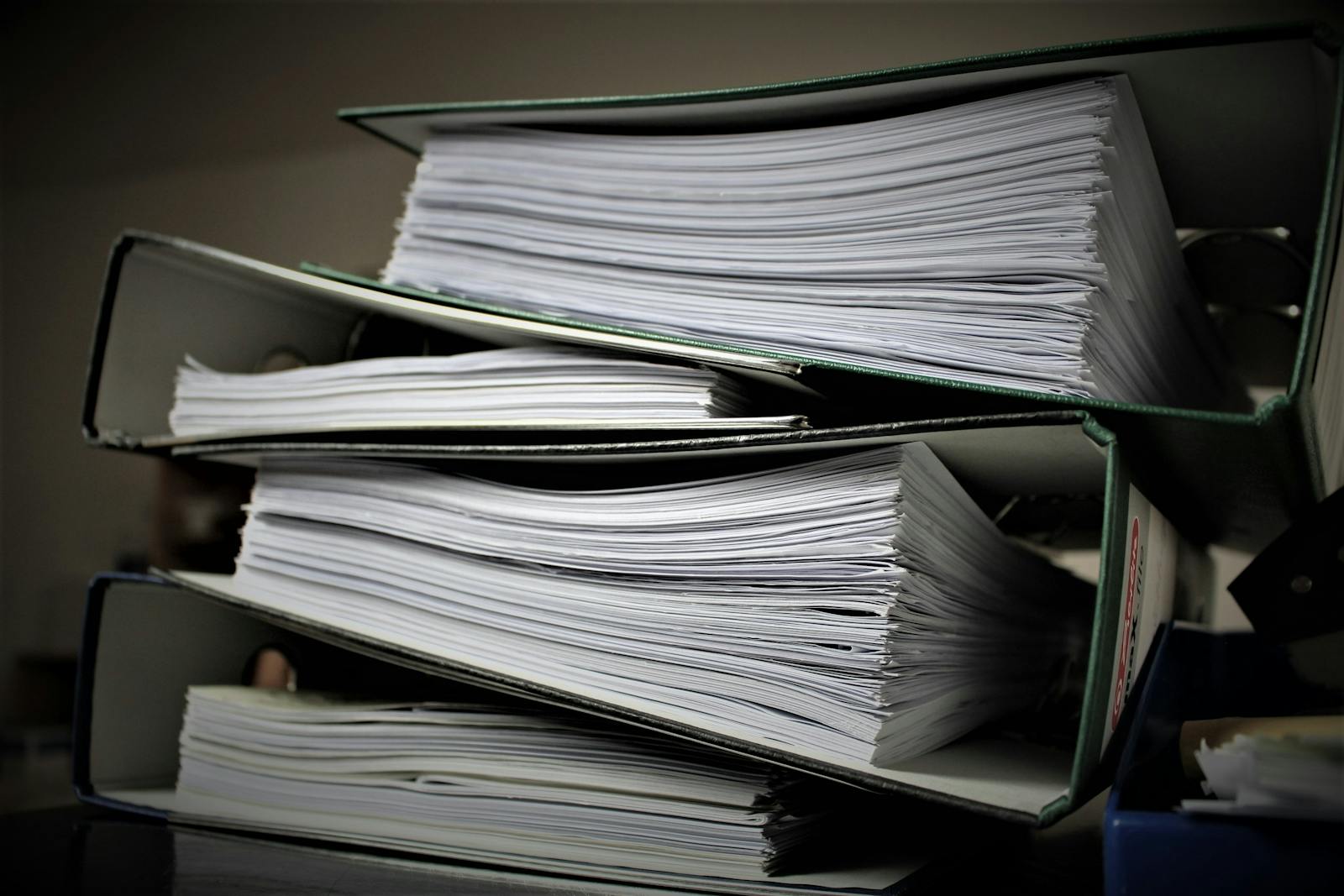
Outdated paperwork is one of the most common clutter traps, and it is far more pervasive than you might think. A 2022 survey from NAPO found that 55% of Americans hoard old documents, leading to an average of 10,000 sheets of paper per household. That is entire file cabinets of bank statements, utility bills, and closed-account records that no one needs to reference. The sheer volume makes it harder to find the few documents that actually matter, such as tax records or legal paperwork.
Keeping this much paper also has real costs, from buying extra storage boxes to paying for off-site storage units. It increases the risk that sensitive information, like Social Security numbers, will be misplaced or exposed. Clutter professionals recommend setting clear retention rules, such as shredding paid bills after a set period and scanning key documents, so you are not drowning in paper that has long since lost its purpose.
2) Unworn Clothes
Unworn clothes quietly dominate closets, making it harder to see what you actually wear. Professional organizer Regina Leeds has observed that clients routinely keep clothes unworn for over a year, and she estimates that 80% of wardrobes are unused. That neglected bulk contributes to 7 billion pounds of textile waste annually in the U.S., a staggering figure that reflects stuffed drawers, overfilled dressers, and storage bins of “someday” outfits. When every hanger is occupied, getting dressed becomes a daily battle instead of a quick decision.
From a clutter perspective, those unworn items block you from seeing the pieces that fit, flatter, and suit your current life. They also delay necessary purchases, because you assume you have “plenty of clothes” while rotating the same few outfits. Experts suggest using a one-year rule, turning hangers backward, or boxing up questionable pieces; if you do not reach for them within a season or two, donating them frees space and keeps textiles in circulation instead of in landfills.
3) Plastic Bags
Plastic bags often feel too useful to toss, so they accumulate in kitchen drawers and under-sink stashes. A 2021 study from the University of California, Berkeley found that households hoard an average of 500 plastic bags. That mountain of crinkly clutter is not just unsightly; it also lingers in the environment, with individual bags taking 20 to 1,000 years to decompose. What starts as a “just in case” stash quickly becomes an overflowing cabinet that spills every time you open it.
From an organizing standpoint, that volume of bags crowds out more useful items like cleaning supplies or pantry staples. It also masks how many you truly have, which means you keep accepting new ones at the store. Clutter experts recommend setting a firm container limit, such as one small bin of bags for trash liners or pet waste, and then consistently recycling or refusing extras so the pile cannot quietly rebuild.
4) Receipts and Manuals
Receipts and manuals are classic paper clutter, and organizer Peter Walsh has seen how extreme they can get. In his book “It’s All Too Much”, he notes that “receipts and manuals pile up to 20 inches deep in drawers,” a depth confirmed by a Consumer Reports analysis showing that 70% of them become obsolete within six months. That means most of the paper you are saving for “just in case” is already irrelevant, tied to expired warranties, returned items, or long-replaced gadgets.
Letting these stacks grow makes it harder to find the one receipt you actually need for a big-ticket return or tax deduction. It also clogs prime storage space in kitchens and home offices. Walsh’s broader system, detailed again in “It’s All Too Much: An Easy Plan for Living a Richer Life with Less Stuff”, emphasizes keeping only what actively supports your life. Applying that lens, you can scan key receipts, recycle outdated manuals, and rely on digital copies from manufacturers instead of filing every scrap of paper.
5) Duplicate Kitchen Utensils
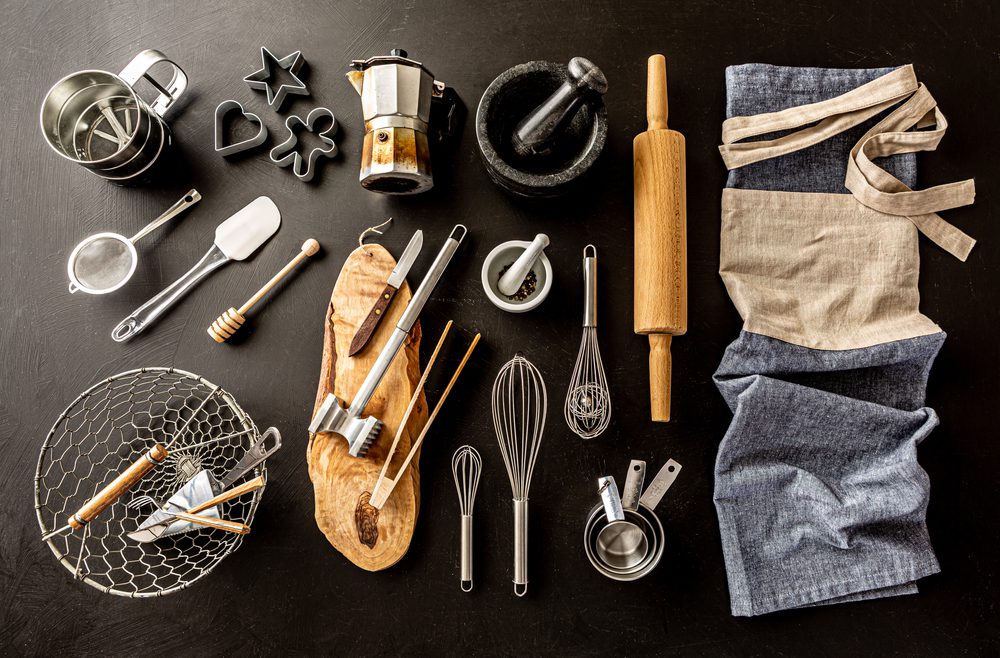
Duplicate kitchen utensils are another category that multiplies quietly. In Marie Kondo’s Netflix series “Tidying Up,” one featured family had 50+ duplicate kitchen utensils, from spatulas to ladles. That extreme example mirrors findings from NAPO that unused gadgets occupy 30% of counter space on average. When drawers are crammed with extra peelers, whisks, and tongs, you end up rummaging for the one tool you actually like while the rest jam the drawer rails and collect crumbs.
Beyond the annoyance, this clutter can discourage home cooking because meal prep feels chaotic before you even start chopping. It also hides the fact that you may be missing a truly useful tool, such as a sharp chef’s knife, while owning five dull paring knives. Organizers recommend choosing one or two favorites in each category, donating the rest, and using drawer dividers so every utensil has a visible home, making daily cleanup faster and more satisfying.
6) Unread Books
Unread books often carry good intentions, but they can quietly overwhelm shelves and nightstands. A 2020 survey of 1,000 readers found that 65% hoard books they “intend to read,” leading to an estimated 2.2 billion unread books in U.S. homes, a figure highlighted by organizer Julie Morgenstern. That backlog turns what should be a source of joy into a visual to-do list, with stacks of novels, memoirs, and self-help titles silently reminding you of unfinished goals.
From a clutter perspective, overflowing shelves make it harder to find the titles you truly love and want to revisit. They also crowd out space for current interests, like cookbooks you actually use or reference guides for your work. Experts suggest creating a small “to-read” shelf with a strict capacity and regularly culling anything that no longer excites you, donating those volumes so they can be discovered by someone who will actually open them.
7) Sentimental Items Like Old Letters and Photos
Sentimental items, especially old letters and photos, are among the hardest things to edit. The Hoarding Disorder Association’s 2023 report found that 40% of people hoard these keepsakes, and psychologist Dr. Gail Steketee explains that “They anchor us to the past.” That emotional weight can lead to paralysis, with boxes of cards, school photos, and inherited albums stacked in closets and under beds because you feel guilty discarding any of it.
While these items are meaningful, storing them in inaccessible piles means you rarely look at them, and they still consume valuable space. The emotional clutter can be just as heavy as the physical, especially when every box represents unresolved grief or unfinished organizing projects. Professionals often recommend choosing representative samples, creating curated albums, or digitizing key images so you can honor your history without letting it overrun your present-day living areas.
8) Obsolete Electronics Like Old Chargers and Cables
Obsolete electronics, especially old chargers and cables, tangle up drawers and office corners. A 2022 review found that these forgotten cords clutter 25% of home offices, contributing to a global e-waste problem that has reached 53.6 million metric tons according to UN data. That means your drawer of mystery USB cables, outdated phone chargers, and dead routers is part of a much larger environmental issue, not just a minor annoyance.
On a practical level, keeping every cord “just in case” makes it harder to locate the one you actually need to charge a current device. It also encourages buying duplicates because you assume you do not have the right cable. Organizers suggest gathering all electronics in one place, matching cords to active devices, and responsibly recycling anything that no longer fits your technology, using local e-waste programs instead of letting it linger in a tangle.
9) Expired Cosmetics
Expired cosmetics often linger in bathroom drawers and makeup bags long after their safe use window. Beauty expert Jamie Rosen reports that women hoard 15–20 expired items per vanity, with 60% of those products past their 6–12 month shelf life. That means dried-out mascaras, separated foundations, and old lipsticks are not only taking up space, they are also risking skin irritation and eye infections every time you reach for them.
From a clutter standpoint, these outdated products crowd out the few items you actually use daily, like a favorite SPF or concealer. They also distort your sense of what you own, leading to repeat purchases of similar shades and formulas. Experts recommend checking for open-jar symbols that indicate shelf life, labeling products with the date opened, and doing a quick quarterly sweep to discard anything that smells off, has changed texture, or has been sitting untouched for months.
10) Expired Canned Goods and Spices in the Pantry
Expired canned goods and spices are pantry staples that quietly turn into clutter and waste. Nutritionist Joy Bauer has noted that pantries often hold expired canned goods and spices that add up to $1,500 in waste per household yearly, with 40% of food discarded due to clutter. When shelves are packed two or three rows deep, it is easy for older items to migrate to the back and expire unnoticed, while you keep buying duplicates of beans, tomatoes, or cinnamon.
Beyond the financial hit, this kind of food clutter can undermine healthy eating goals, because you cannot easily see the nutritious options you already have. It also increases the risk of using stale spices that dull the flavor of home-cooked meals, making takeout more tempting. Organizers recommend a simple front-facing system, grouping like items together, labeling shelves, and doing regular “eat down the pantry” weeks so food gets used while it is still safe and tasty.