


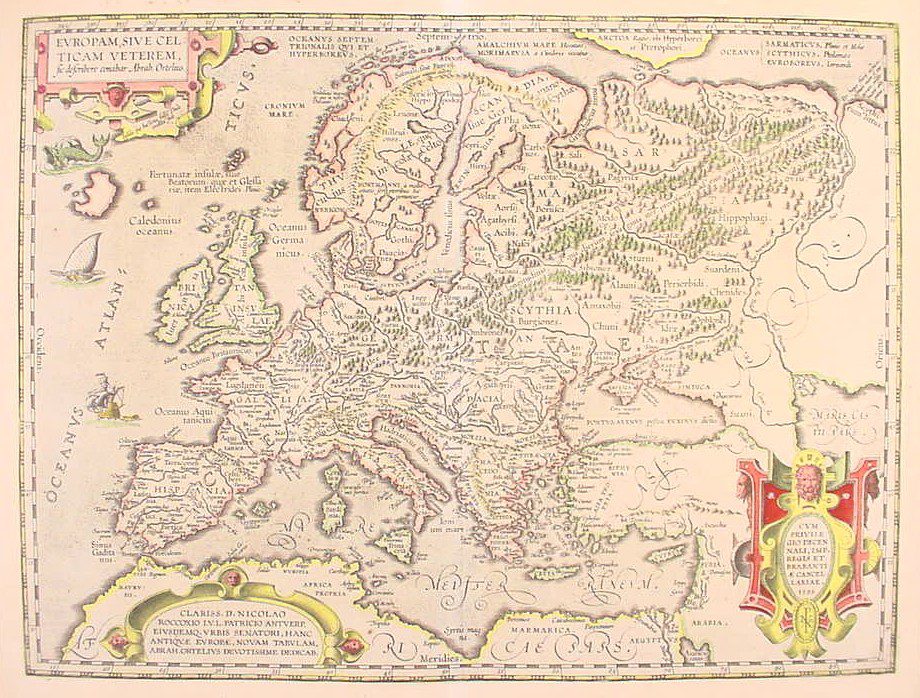
Historic maps and atlases are not just fascinating relics from the past; they have become an increasingly popular investment, with collectors recognising their potential for significant appreciation in value. The rarity and condition of these items play a crucial role in determining their worth, making it essential for collectors to understand how to assess these factors accurately.
This list is based on real-world trends, expert interviews, auction results, and data. It provides a comprehensive guide to identifying and evaluating the scarcity and condition of historic maps and atlases. Expect to gain valuable insights into the world of cartography collecting and learn how to assess the value of your own collection.
1. Age


The age of a map or atlas often influences its scarcity and therefore its value. Older maps and atlases have survived numerous wars, natural disasters, and the ravages of time, making them rare and highly sought after. However, simply being old does not necessarily make a map valuable. Its historical significance, the accuracy of the details, and the artist who created it also play a significant role.
Today, with the rising interest in history and genealogy, older maps and atlases have become even more valuable. They provide a unique perspective of the world during different periods and are now seen as crucial historical documents. This trend has led to an increase in their market value, making it a good time for collectors to invest in older maps and atlases.
2. Condition
The condition of a map or atlas significantly impacts its value. Items that are in excellent condition, with vibrant colors, clear details, and minimal damage, are usually worth more. Things to look out for include tears, stains, foxing (age-related spots and browning), and whether the map has been trimmed or is missing its margins. However, some collectors appreciate the charm of a well-worn map, as long as it is not excessively damaged.
In the current market, the condition of a map or atlas is becoming increasingly important. As more people become interested in collecting, the demand for items in excellent condition has surged. A well-preserved map or atlas can fetch a high price at auction, making condition assessment a vital skill for collectors.
3. Rarity
Rarity is a crucial factor when assessing the value of a historic map or atlas. The number of copies that were originally produced, and how many have survived to the present day, greatly influence an item’s rarity. Limited edition maps, or those produced by a renowned cartographer, are particularly rare and valuable. However, rarity alone does not guarantee value; the item must also be of interest to collectors.
The scarcity of a map or atlas is becoming more significant as collectors become better educated and more discerning. This trend towards rarity is driving up prices for rare maps and atlases, making it important for collectors to accurately assess an item’s rarity.
4. Historical Significance
Historic maps and atlases with significant historical relevance are highly valued by collectors. These may include maps from important periods in history, maps depicting significant explorations, or atlases used by notable figures. However, proving historical significance can be challenging and often requires a good understanding of history and provenance research.
Today, as more people become interested in history, maps and atlases with historical significance are gaining in value. They provide a unique insight into historical events and periods, making them attractive to collectors and historians alike.
5. Artist or Cartographer
The artist or cartographer who created the map or atlas can also affect its value. Works by renowned cartographers or artists are generally more valuable, particularly if they were pioneers in their field. However, collectors should be wary of fakes and reproductions, as these are less valuable and can be difficult to identify without expert knowledge.
The rising interest in collecting maps and atlases has led to increased recognition of the importance of the artist or cartographer. Collectors are now more willing to pay a premium for works by well-known individuals. As a result, understanding who created a map or atlas is becoming increasingly important.
6. Geographical Coverage

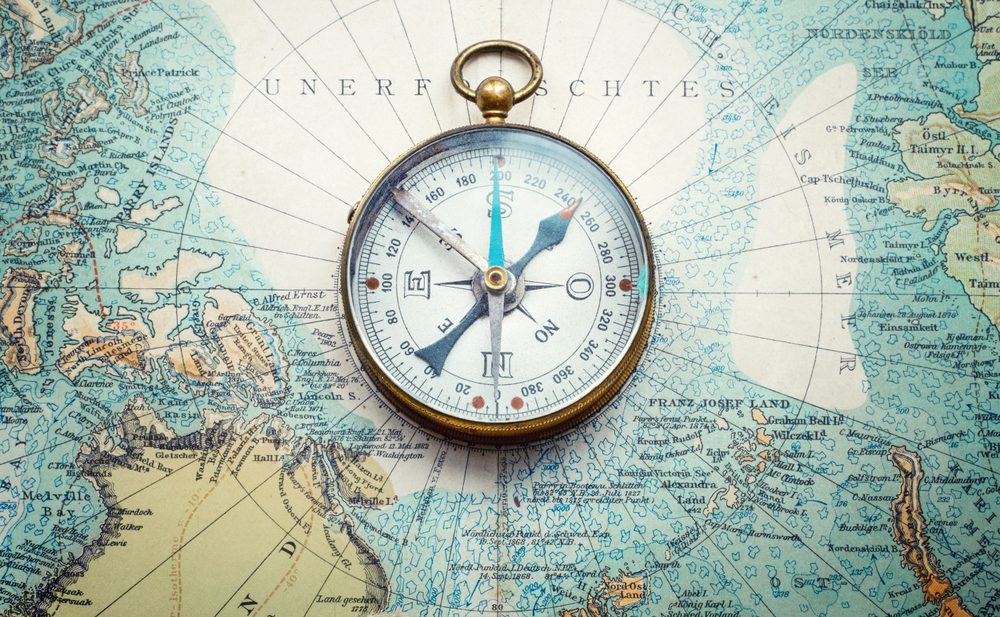
The geographical coverage of a map or atlas can also influence its value. Some collectors specialize in maps of certain areas, such as their hometown or country, making these items more valuable. However, maps covering obscure or less-known regions may also be of value, particularly if they offer unique insights or details.
With the growing popularity of genealogy and local history, maps and atlases covering specific geographic areas are becoming more valuable. They provide a unique perspective on the history and development of a location, making them highly desirable to collectors.
7. Printing Technique
The printing technique used to produce a map or atlas can influence its value. Early maps, printed using techniques such as woodcut, engraving, or lithography, are often more valuable than modern reproductions. However, identifying the printing technique can be challenging and usually requires expert knowledge.
As collectors become more knowledgeable, the importance of the printing technique is becoming more recognized. Original prints, produced using historic printing techniques, are now highly sought after and can command a premium price.
8. Decorative Appeal
The decorative appeal of a map or atlas can significantly affect its value. Maps with beautiful illustrations, elaborate borders, or vibrant colors are often more valuable, particularly if they are in excellent condition. However, the decorative appeal is subjective and can vary between collectors.
Today, as more people become interested in interior design and home décor, the decorative appeal of maps and atlases is becoming more important. They are now seen as works of art and can be a stunning addition to any home or office.
9. Size
The size of a map or atlas can also influence its value. Larger maps, particularly wall maps or atlases, can be more valuable due to their visual impact and the detail they provide. However, large maps can also be more susceptible to damage, which can reduce their value.
The trend towards using maps and atlases as décor has increased the value of larger items. They make a dramatic statement and can be a focal point in any room.
10. Provenance
The provenance of a map or atlas, or its history of ownership, can significantly increase its value. Items with a well-documented provenance, particularly if they have been owned by notable figures or institutions, are often more valuable. However, establishing provenance can be challenging and often requires expert research.
Today, as collectors become more discerning, the importance of provenance is becoming more recognized. A map or atlas with a well-documented provenance can command a premium price, making it essential for collectors to research an item’s history.