



When you and your partner finally decide to share a home, the hardest part often is not the lease or the mortgage, it is deciding what has to go. Treat the move like a strategic purge, so you are not hauling emotional baggage and duplicate clutter into a fresh space. By approaching your combined home the way professionals approach complex projects, you can protect your relationship, your budget, and your sanity.

1) Duplicate kitchen gadgets that clog every drawer
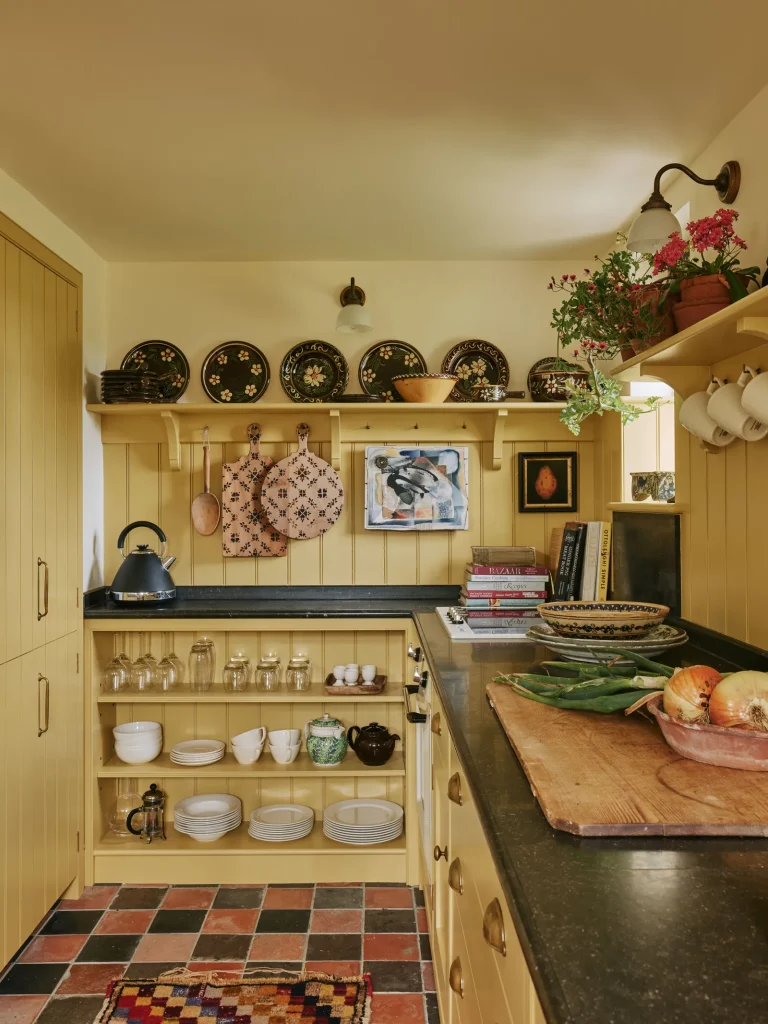
Duplicate kitchen gadgets are the first things you should purge when combining homes, because they quietly swallow storage and create daily friction. Just as engineers conduct a detailed survey of every well before the cessation of production to determine the exact method and number of cement plugs required, you should systematically review every spatula, blender, and coffee maker before unpacking. Before the boxes are emptied, each item needs a clear purpose, or it should be donated, sold, or recycled so your new kitchen can actually function.
Each drawer and cabinet becomes prime real estate once two households merge, so keeping three garlic presses or multiple slow cookers is a hidden cost in lost space and constant rummaging. When you streamline to one high quality set of knives, one reliable food processor, and a single everyday coffee machine, you reduce visual noise and decision fatigue. That clarity makes it easier to cook together, share routines, and avoid petty arguments about whose gadget is “better” every time you make dinner.
2) Old mattresses that undermine sleep and health
Old mattresses are another category you should purge, because they directly affect your health and your mood with each night of sleep. When two people move in together, it is common to have at least one sagging or lumpy mattress in the mix, often kept out of habit or to save money. Instead of defaulting to the older option, treat the decision like a technical evaluation, checking for visible dips, broken springs, or lingering odors that signal it is time to let go.
Keeping a worn-out mattress can lead to back pain, restless nights, and resentment when one partner sleeps better than the other. Upgrading to a new, mutually chosen mattress also sends a clear signal that you are building a shared life, not just squeezing one person into the other’s existing setup. By donating or responsibly recycling the old one, you free up space, simplify moving logistics, and invest in a neutral, comfortable foundation that belongs to both of you equally.
3) Extra sofas and bulky chairs that crowd the living room
Extra sofas and bulky chairs are prime candidates for purging, because they can quickly turn a shared living room into a cramped storage unit. When each of you brings a full set of living room furniture, you may end up with three couches and more armchairs than you have guests. Instead of forcing everything into one space, evaluate which pieces actually fit the room’s dimensions and natural traffic flow, then commit to keeping only what supports comfortable conversation and relaxation.
Holding on to every oversized piece can block windows, cover vents, and make it harder to host friends or simply move around without bumping into furniture. Choosing one main sofa, a couple of versatile chairs, and perhaps a compact loveseat gives you flexibility to rearrange as your needs change. Selling or donating the extras not only clears space but can also fund small upgrades like better lighting or a shared coffee table that reflects both of your styles.
4) Redundant dining sets and mismatched dishes
Redundant dining sets and stacks of mismatched dishes are another clutter trap that couples should address early. When you combine homes, it is easy to end up with two full sets of plates, bowls, and glassware, plus random pieces from college or first apartments. Instead of cramming everything into cabinets, decide together on one primary set that suits your current lifestyle, whether that is everyday stoneware or more formal porcelain, and let the rest go.
Too many dishes encourage endless sink piles and make it harder to notice when something is chipped or unsafe to use. By paring down to a consistent, durable set, you simplify cleanup and create a more cohesive look when you host dinners or holiday gatherings. You can keep a small backup stash for guests, but donating the excess to shelters or resale shops turns your surplus into something useful for others while keeping your cabinets manageable.
5) Outdated electronics and tangled cables
Outdated electronics and tangled cables should be high on your purge list, because they take up space without delivering real value. When two tech setups merge, you often inherit duplicate routers, old laptops, retired smartphones, and boxes of mystery chargers. Start by testing what still works, securely wiping data from devices you no longer need, and responsibly recycling anything that is obsolete or incompatible with your current systems.
Keeping every old gadget “just in case” can create safety risks, from frayed cords to overloaded power strips, and makes it harder to find the devices you actually use. Consolidating to one shared printer, a single streaming device per TV, and a clearly labeled basket of essential cables keeps your home office and entertainment areas functional. The process also gives you a chance to discuss digital habits, privacy expectations, and backup plans so your tech life feels shared rather than chaotic.
6) Duplicate cleaning supplies and bulky appliances
Duplicate cleaning supplies and bulky appliances are easy to overlook, yet they quietly fill closets and utility rooms. When you combine homes, you may suddenly have two vacuum cleaners, multiple mops, and shelves of half-used detergents and sprays. Instead of stacking everything in a corner, compare performance, energy efficiency, and condition, then keep the best vacuum, the most effective mop, and a streamlined set of products you both like.
Excess cleaning gear can leak, expire, or simply get in the way when you are trying to maintain a tidy home. By consolidating, you reduce the number of bottles and tools you have to manage, which makes it easier to divide chores fairly and stick to a cleaning routine. Donating gently used appliances and properly disposing of old chemicals also reduces environmental impact, aligning your new household with more sustainable habits from the start.
7) Excess linens, towels, and bedding sets
Excess linens, towels, and bedding sets often multiply unnoticed, especially when both partners bring full households into one space. You might discover three sets of guest sheets, piles of faded towels, and comforters that no longer fit your new bed size. Rather than stuffing everything into the top of a closet, decide how many sets you realistically need for your own bed, a guest bed, and rotation during laundry, then release the rest.
Too many linens make it harder to keep track of what is clean, what fits which bed, and what is actually in good condition. Curating a smaller collection of high quality, coordinated pieces simplifies storage and makes everyday routines like changing sheets or grabbing a fresh towel more pleasant. Donating usable extras to animal shelters or community organizations turns your surplus into comfort for others, while your home gains breathing room and a more polished feel.
8) Old paperwork, duplicate files, and mystery folders
Old paperwork, duplicate files, and mystery folders are another category that deserves a deliberate purge when you move in together. Each of you likely has your own stack of past leases, outdated insurance policies, and instruction manuals for appliances you no longer own. Instead of merging two piles into one overflowing filing cabinet, sit down to sort what must be kept for legal or financial reasons and what can be shredded or recycled.
Unnecessary paper clutter not only eats up physical space but can also hide important documents you might need in an emergency. Creating a shared system for essentials like tax records, warranties, and medical information helps both partners know where things are and reduces stress during high pressure moments. As you digitize or discard, you also open conversations about joint accounts, shared responsibilities, and long term planning, which strengthens the foundation of your combined household.
9) Sentimental decor that no longer fits your shared style
Sentimental decor that no longer fits your shared style can quietly strain a new living arrangement if you never address it. Posters from college, childhood trophies, or inherited knickknacks may carry personal meaning, but they can clash when displayed together in a limited space. Instead of insisting that every item stay on the wall or shelf, talk openly about which pieces still represent who you are now and which ones can be stored, photographed, or passed along.
Letting go of some sentimental items does not erase the memories attached to them, it simply acknowledges that your life is evolving. Choosing a few meaningful pieces from each person to feature in common areas creates a balanced visual story of your relationship. The rest can be curated into memory boxes or digital photo albums, so your home feels intentional and current while your history remains honored in a way that does not overwhelm shared rooms.
10) Furniture and items tied to past relationships
Furniture and items tied to past relationships are often the most emotionally charged things to purge, yet they can be crucial to a healthy fresh start. A bed frame bought with an ex, framed photos from previous partnerships, or gifts that still carry romantic associations may feel awkward or hurtful in a new shared home. Addressing these objects directly, rather than pretending they are neutral, helps both partners feel respected and secure.
Keeping such items in prominent places can trigger unnecessary comparisons or doubts, even if no one intends harm. Agreeing to replace key pieces like the primary bed or main sofa, and relocating or letting go of certain mementos, signals that your current relationship is the priority. By consciously choosing what stays and what goes, you create a space that reflects your present commitment, making your combined home feel like a true beginning rather than a collage of old chapters.
More from Decluttering Mom: