



The post-modern world has gone through some significant transformations. While it’s easy for us to adapt to new trends, we cannot say the same thing about the past. The past has experienced many trends that are simply unfathomable for the new generation.
Today, we will delve into the ’60s, an era marked by transformation and revolution, especially when it comes to home life. We’ve compiled a list of 10 things from the ’60s home that Gen Z will likely never understand, based on real-world trends, data, and research.
1. Rotary Phones

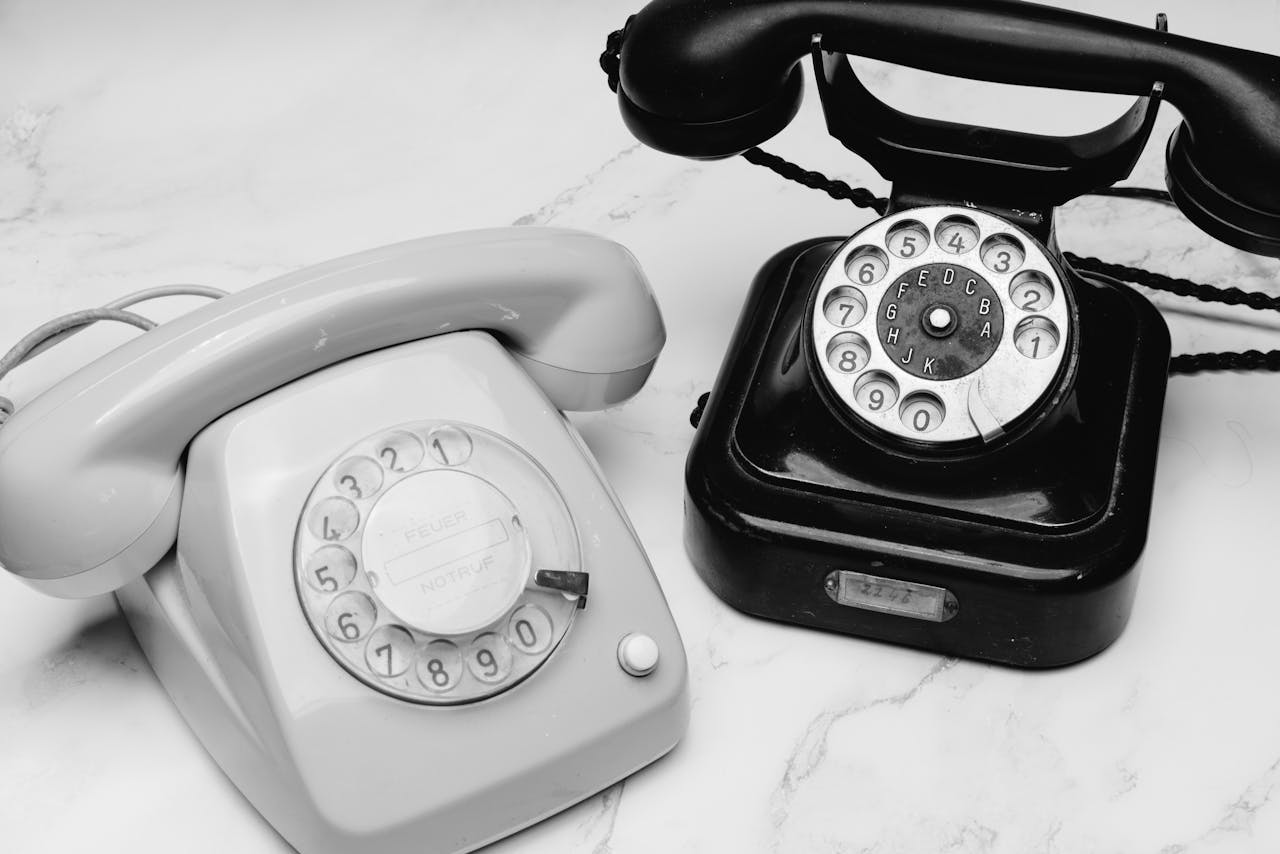
Rotary phones were the standard form of communication during the ’60s. These bulky, corded devices required users to dial by turning a wheel with numbered holes. The concept of waiting for the dial to return to its position before dialing the next number is something that Gen Z, with their instant touch-screen smartphones, would find hard to digest.
In fact, some Gen Z individuals have never even seen a rotary phone. This manual, time-consuming process of dialing numbers is so foreign to them that videos of teenagers struggling to operate rotary phones have gone viral on the internet.
2. Lack of Internet


The internet has become such an integral part of our lives that it’s hard to imagine a world without it. But in the ’60s, the concept of the internet was non-existent. People relied on newspapers, radio, and television for news and entertainment.
Life without the internet meant that people had to physically go out to pay bills, book tickets, and shop for groceries. The convenience of online shopping, instant messaging, and streaming platforms like Netflix was unimaginable.
3. Black and White Television


With today’s high-definition screens and advanced color technology, Gen Z might find it hard to believe that black and white television was the norm in the ’60s. Color TV did exist, but it was so expensive that most households could not afford it.
Watching a black and white TV required viewers to use their imagination to fill in colors. This is in stark contrast to the vivid, crystal-clear displays that Gen Z is accustomed to.
4. Smoking Indoors


The ’60s was a time when smoking was widely accepted and even glamorized. It was common for people to smoke indoors, at work, and even in front of children.
Today, with the knowledge of the harmful effects of secondhand smoke, smoking indoors is largely frowned upon and even illegal in many places. The WHO reports that exposure to secondhand smoke causes over 1.2 million premature deaths per year, something unimaginable in the ’60s.
5. Manual Appliances


From washing machines to coffee makers, appliances in the ’60s required more manual labor compared to the high-tech, automated devices that Gen Z is accustomed to.
For instance, washing machines had separate tubs for washing and rinsing clothes, and coffee makers didn’t have automatic timers or temperature control. The convenience of modern appliances is something that would make manual ’60s appliances seem like a lot of work.
6. Encyclopedias


Before the advent of the internet, encyclopedias were the go-to sources for information. These multi-volume books were a common fixture in ’60s homes and libraries.
In contrast, Gen Z has a world of information at their fingertips thanks to the internet. The idea of flipping through pages to find information is a concept that many of them have never experienced.
7. Record Players

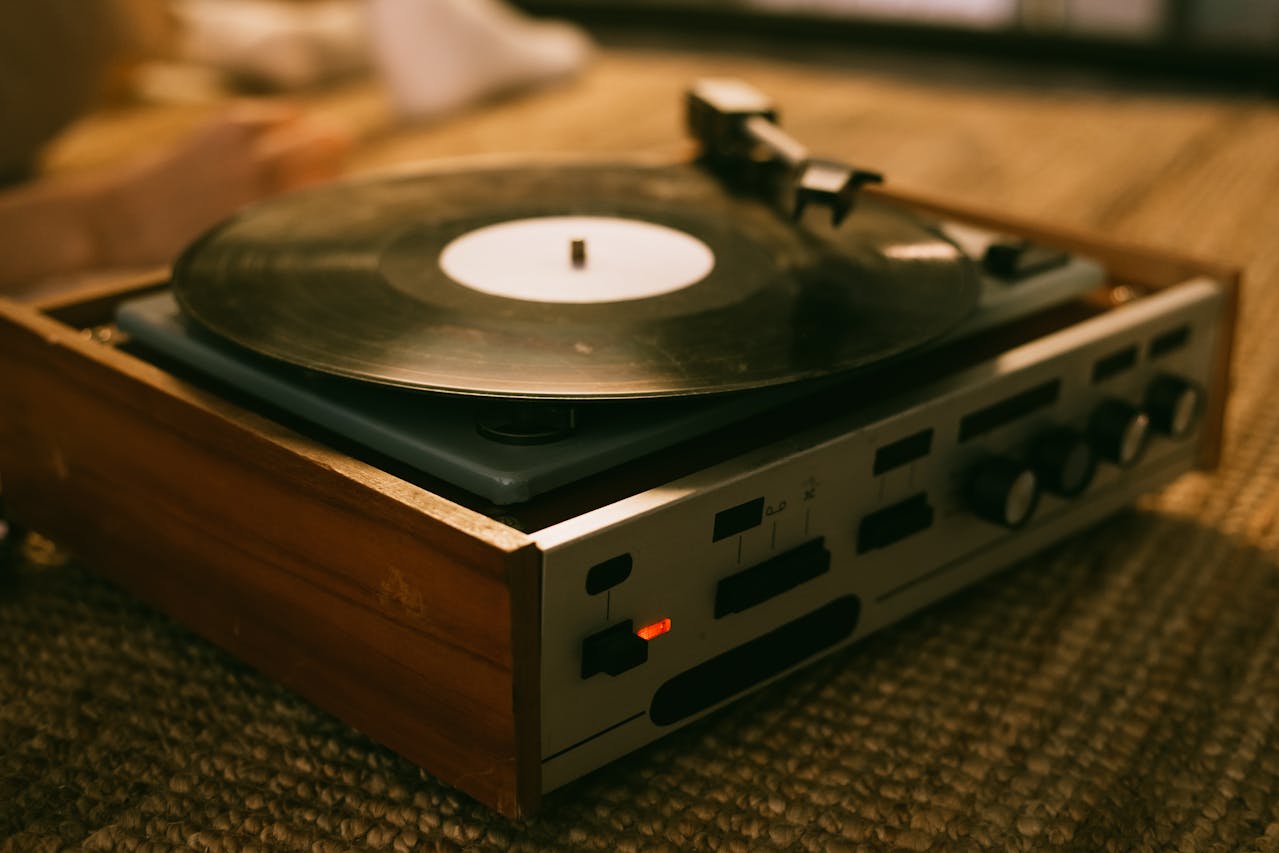
The ’60s was the golden era of vinyl records. Record players were a common feature in most homes, and music lovers would spend hours listening to their favorite albums.
In contrast, Gen Z consumes music in a completely different way. With streaming platforms like Spotify and Apple Music, they have millions of songs available at the touch of a button.
8. Typewriters

Before computers and laptops became mainstream, typewriters were the primary tool for writing. These machines required physical force to press the keys and didn’t have features like spell check or delete buttons.
For Gen Z, who are used to digital keyboards and auto-correct features, using a typewriter would be a completely foreign concept.
9. Dial-Up Modems
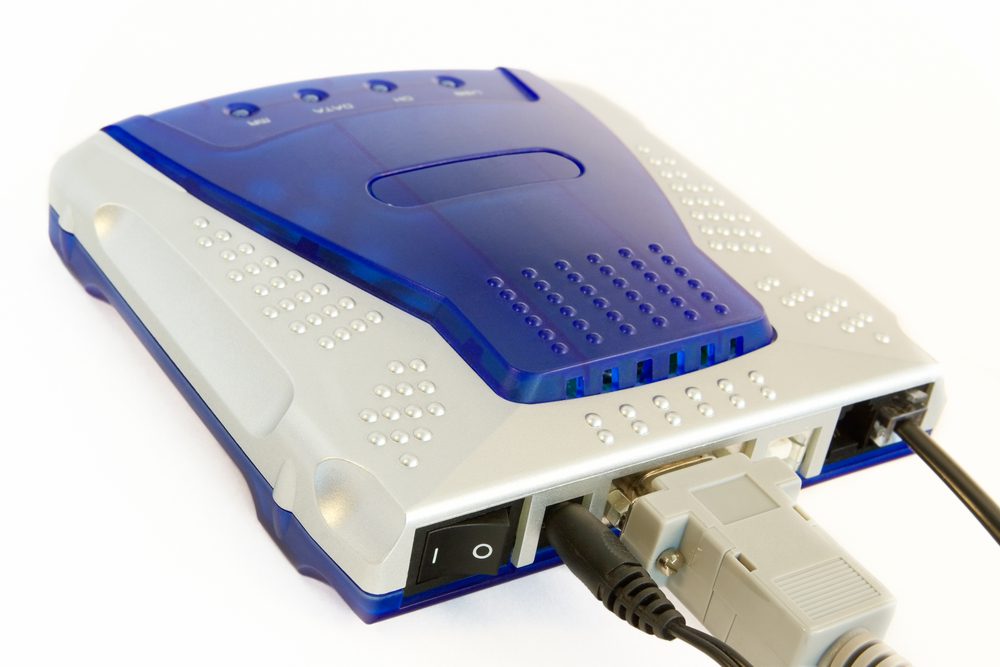
Although the internet didn’t become mainstream until the ’90s, the precursor to the internet, known as ARPANET, was developed in the late ’60s. To connect to it, people used dial-up modems, which were slow and made distinctive noise when connecting.
In contrast, Gen Z is used to high-speed internet and Wi-Fi, and the idea of waiting for a connection to establish is almost unthinkable.
10. Outdoor Antennas

In the ’60s, people used outdoor antennas to get TV reception. These large, metal devices had to be adjusted manually to get the best reception.
Today, with the advent of cable TV and streaming services, the idea of adjusting an antenna to watch TV is something that most members of Gen Z would find hard to comprehend.