


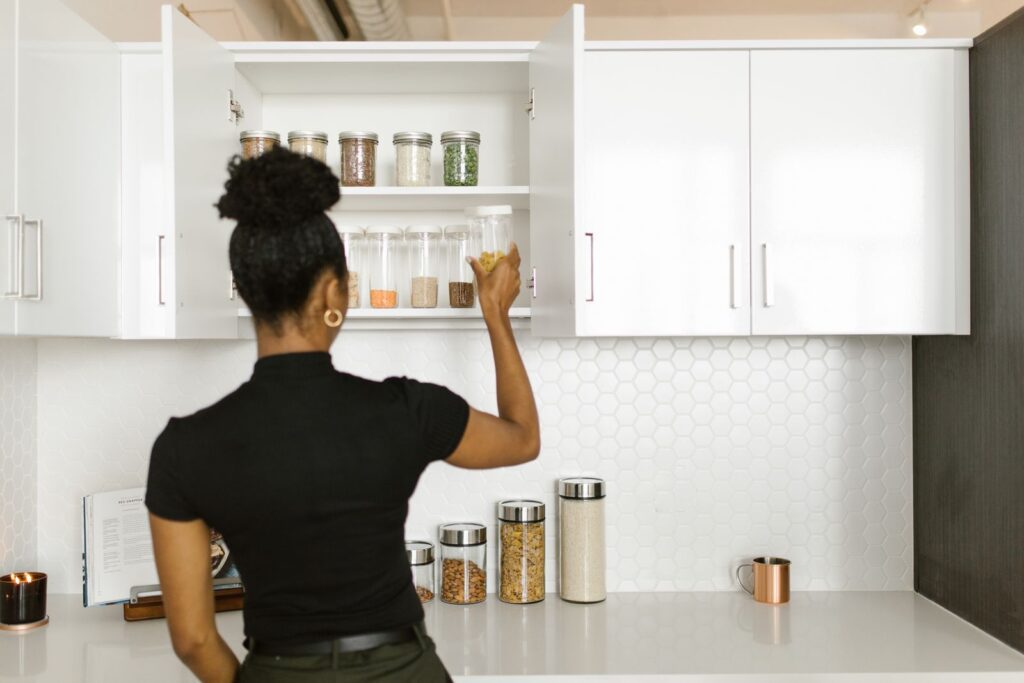
Pantries have a way of becoming archaeological sites. Push past the cereal boxes you actually use, and there’s a whole layer of history back there: a spice you bought for one recipe in 2019, a can of something with a label so faded you’re not entirely sure what’s inside anymore, half a bag of flour that’s been open long enough to develop opinions of its own.
None of this happens because anyone is careless — pantries are deep, the lighting is bad, and grocery shopping doesn’t usually come with a built-in review of what’s already in there. But a regular pantry purge does more than just create space; it also means you’re not accidentally cooking with ingredients well past their useful life. Here are ten common categories worth checking the next time you’re in there.

Spices Older Than You’d Like to Admit
Ground spices don’t typically become unsafe to eat after they age, but they do lose potency significantly over time, and McCormick notes that ground spices generally stay at peak flavor for about two to three years, with whole spices lasting somewhat longer. A spice that’s lost its potency won’t ruin a dish, but it also won’t add much of anything, which means recipes can end up bland for reasons that have nothing to do with your cooking skills. Giving a spice a quick smell test is a reliable way to judge whether it’s still worth using — if it doesn’t smell like much, it won’t taste like much either. Replacing a handful of your most-used spices, rather than the entire rack at once, is a manageable way to tackle this category.
Cans With Faded, Illegible, or Rusted Labels
Canned goods have a genuinely long shelf life, but cans stored for years can develop rust, dents, or bulging that indicate the seal has failed, which is a food safety concern rather than just an aesthetic one. Even cans in good physical condition sometimes end up with labels so faded that it’s impossible to tell what’s actually inside without opening them. Any can that’s rusted, bulging, leaking, or severely dented should be discarded regardless of its date. For everything else, doing an annual pantry sweep to check dates and rotate older cans to the front keeps this category from becoming an unlabeled guessing game.
Opened Bags of Flour, Sugar, and Baking Staples
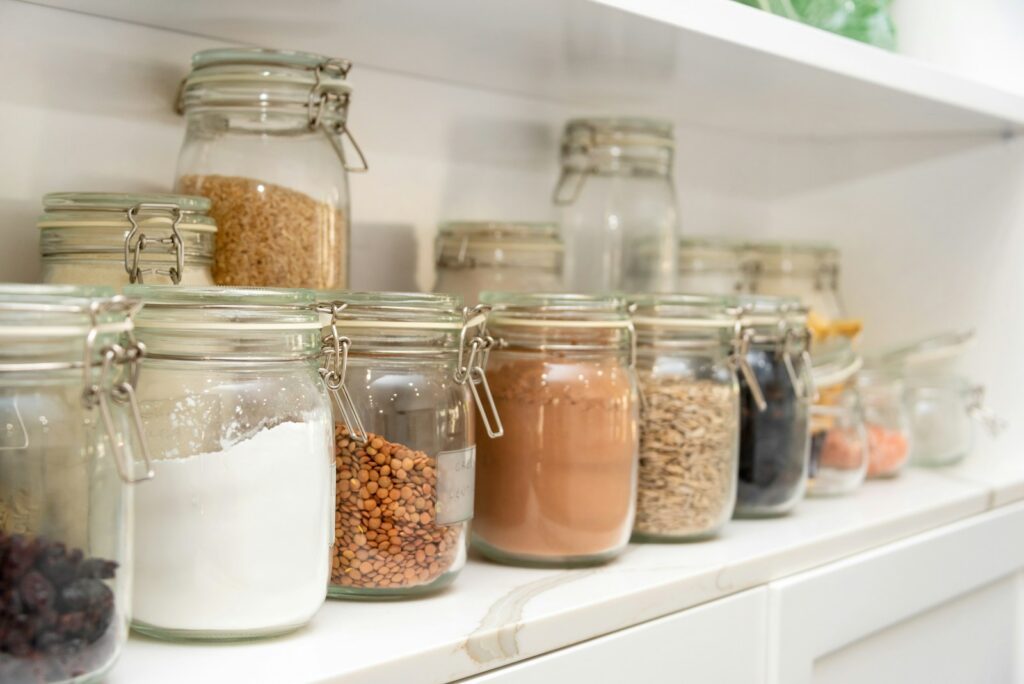
Baking staples bought for a specific recipe or holiday often get opened, used once, and then pushed to the back of the shelf where they’re forgotten for months or years. Flour in particular can develop a stale smell or attract pantry pests if left in its original bag rather than an airtight container. Transferring opened staples into sealed containers immediately after opening both extends their usable life and makes it obvious at a glance how much you actually have left. If a bag has been open for over a year and doesn’t smell fresh, it’s generally safer to replace it than risk it in a recipe.
Multiple Half-Used Bags of the Same Snack or Cereal
It’s common to open a new bag of chips or a new box of cereal before finishing the last one, especially in households with kids who have shifting preferences. Over time, this results in a shelf of several partially eaten bags, some of which go stale before anyone gets back to them. Consolidating open bags of similar items, and committing to finishing one before opening a new one, helps prevent this particular pileup. A stale cracker or chip isn’t dangerous, but it is disappointing enough that most people just leave the bag to sit even longer once they’ve had one bad handful.
Specialty Ingredients From a Recipe You Only Made Once
A specific vinegar, an unusual grain, or a jar of something purchased for one recipe you tried and never made again is a nearly universal pantry occupant. These ingredients often sit for years because throwing away something barely used feels wasteful, even though it’s realistically not going to get used before it expires. Checking whether an ingredient has a reasonable substitute you’d actually reach for, or committing to using it up in the next month, helps clarify whether it’s worth keeping. If it’s been sitting untouched for over a year, it’s a fairly reliable sign the recipe experiment has run its course.
Condiments Past Their Prime in the Pantry Overflow
Extra bottles of condiments bought in bulk or received as gifts sometimes get stored in the pantry as overflow once the refrigerator door is full, and it’s easy to lose track of how long an unopened bottle has actually been sitting there. While many condiments have a long shelf life unopened, quality does decline over time, and once opened they generally need refrigeration and have a much shorter useful window. Checking dates on pantry overflow condiments during a regular sweep, and only buying backups you’ll realistically use within the recommended window, prevents a slow accumulation of sauces nobody remembers buying.
Bulk-Buy Items That Seemed Like a Good Idea at the Time
Warehouse club shopping trips often result in oversized bags of rice, enormous jars of a specific sauce, or bulk snack packs that seemed economical in the moment but end up taking up disproportionate pantry space for months. Buying more than a household will realistically use before quality declines can actually work out to be more expensive per use, not less, once spoilage is factored in. Being honest about your household’s actual consumption rate for a given item, rather than the rate you imagine, helps avoid this particular trap going forward. For anything already sitting unused, checking whether a local food pantry can use the excess is a better outcome than letting it go stale.
Expired Boxed and Packaged Mixes
Cake mixes, pancake mixes, and other packaged baking mixes often get pushed to the back of a shelf and forgotten, sometimes well past the printed date on the box. Because these dates are generally about quality rather than safety for shelf-stable dry mixes, an expired box isn’t necessarily dangerous, but the leavening agents inside can lose effectiveness over time, resulting in baked goods that don’t rise properly. A quick date check during a pantry sweep helps avoid the disappointment of a cake that won’t rise after everything else has already been mixed together. Mixes more than a year past their date are generally safer to replace than to gamble on for something like a birthday cake.
Reusable Containers From Takeout and Deli Purchases
Plastic deli containers and takeout containers often get saved for reuse and stored in or near the pantry, and while a few genuinely come in handy, most households accumulate far more than they’ll ever use. These containers frequently don’t stack well, don’t have matching lids, and take up space that could hold actual food storage. Keeping a small, useful stack and recycling the rest is a quick way to reclaim meaningful shelf space. If a container has been sitting unused for over a year, it’s unlikely to suddenly become useful going forward.
Duplicate Bottles of Oil or Vinegar You Forgot You Had
It’s easy to buy a new bottle of olive oil or a specific vinegar without realizing a partially used bottle is already tucked behind other items on the shelf. Oils in particular can go rancid over time, developing an off smell or taste that makes them unpleasant to cook with even though they’re not unsafe. Doing a quick inventory before your next grocery trip, moving all oils and vinegars to one visible spot, helps prevent this specific kind of accidental duplicate purchase. Consolidating what you have also makes it much easier to actually use up a bottle before it goes rancid rather than starting a fresh one prematurely.