



In an era where sleep deprivation is almost a universal experience, it’s crucial to make your bedroom a sanctuary for quality rest. It’s not just about having a good mattress and a comfortable pillow, the environment of your bedroom plays a significant role in setting the stage for a good night’s sleep. Your bedroom should be a place where you can disconnect from the world and focus on rejuvenating your body and mind. It’s not always easy to create such a place, but with a few simple additions and adjustments, you can transform your bedroom into a tranquil haven that promotes better sleep.
1. Blackout Curtains


Blackout curtains are a must-have for anyone struggling with sleep. They block out all the light from outside, creating a dark environment that is conducive to sleep. Our bodies are naturally programmed to sleep when it’s dark, and having blackout curtains can help keep your internal body clock in check.
They are especially beneficial for those who work night shifts or live in areas with long daylight hours. Blackout curtains don’t just keep your bedroom dark, but they can also help reduce noise and regulate the room temperature, which contributes to a more peaceful sleep environment.
2. White Noise Machine

White noise machines can be a game-changer for light sleepers. They produce soothing sounds that can mask disturbing background noises, such as traffic, loud neighbors, or a snoring partner. White noise has a consistent frequency that distracts your brain and helps you to relax and fall asleep faster.
If you don’t want to invest in a white noise machine, there are plenty of white noise apps available that can do the trick. Choose sounds that you find relaxing, like waves, rain, or forest sounds. Remember, the idea is not to create a completely silent environment but to provide a consistent, soothing background noise.
3. Essential Oil Diffuser
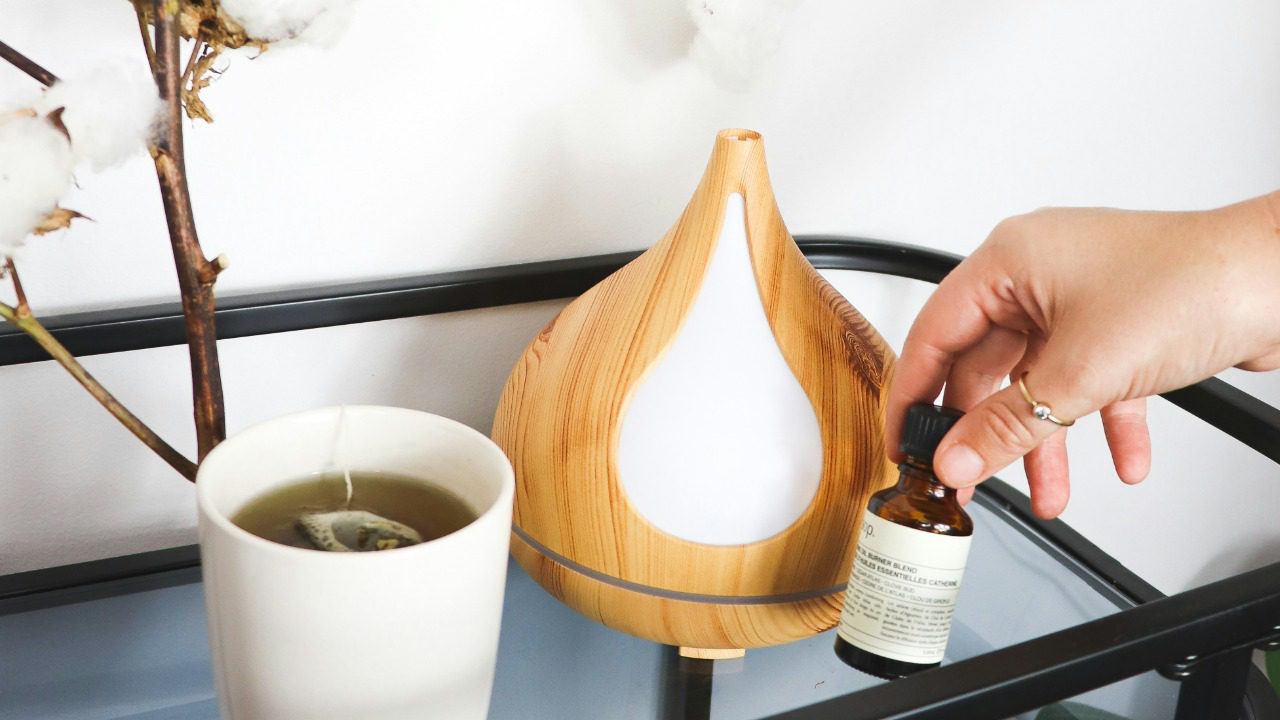
Aromatherapy can be a powerful tool in your sleep routine. Scents like lavender, chamomile, and ylang-ylang have been proven to induce relaxation and improve sleep quality. An essential oil diffuser disperses these scents throughout your bedroom, creating a calming atmosphere.
Apart from improving sleep, essential oils can also help reduce stress and anxiety levels. They are a natural, non-invasive solution to sleep problems. However, remember to use them responsibly and avoid using them continuously throughout the night. A few hours before bedtime should be sufficient.
4. Quality Bedding

Spending a little extra on high-quality bedding can significantly improve your sleep quality. Look for materials that are breathable, soft, and durable, like Egyptian cotton or bamboo. These materials can help regulate your body temperature, preventing you from waking up in the middle of the night feeling too hot or too cold.
Your pillow and mattress also fall into this category. They should support your body in a way that prevents discomfort or pain. A good mattress and pillow can be an investment, but considering we spend about a third of our lives sleeping, it’s definitely worth it.
5. Reading Material

Reading before bed is a great habit that can help you relax and wind down. It distracts your mind from the day’s troubles and prepares your body for sleep. Keep a few books or magazines in your bedroom that you find interesting, but not too engaging that they keep you up all night.
Avoid reading from electronic devices like tablets or e-readers with backlit screens, as they emit blue light that can disrupt your sleep. Choose physical books or e-readers with e-ink screens that don’t emit light.
6. Water Bottle

Drinking water is essential for overall health, but it can also improve your sleep. Staying hydrated can prevent you from waking up thirsty in the middle of the night. Keep a water bottle by your bed for easy access.
However, try not to drink large amounts of water right before bed, as this can lead to frequent bathroom trips during the night. A few sips should be enough if you wake up feeling thirsty.
7. Nightstand Lamp
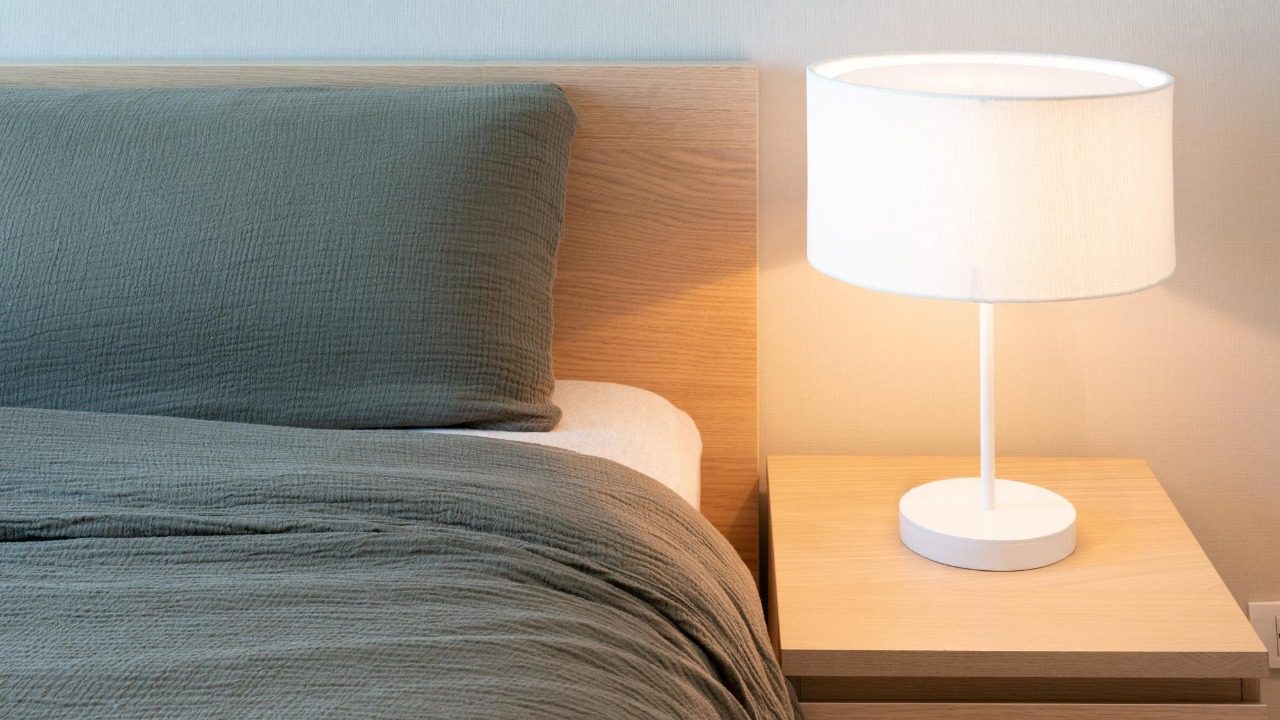
A nightstand lamp with a warm light can create a relaxing atmosphere in your bedroom. It’s also practical for those late-night reading sessions. Avoid bright, blue-toned lights, as they can disrupt your sleep.
Many lamps now come with adjustable brightness settings, allowing you to create the perfect atmosphere for sleep. Some even have a ‘sunset’ setting, where the light gradually dims over time, mimicking a natural sunset and helping you wind down.
8. Indoor Plants
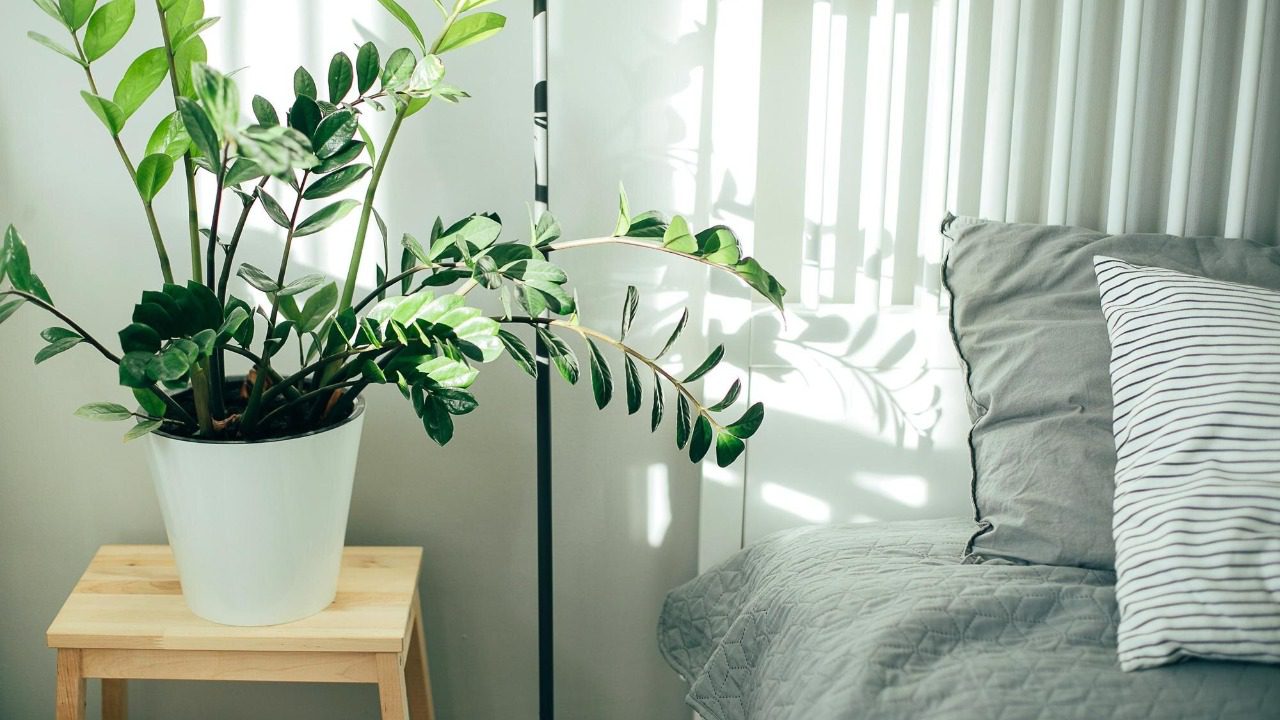
Indoor plants can make your bedroom feel more serene and calming, contributing to better sleep. Some plants, like the snake plant and aloe vera, also improve air quality by releasing oxygen at night.
However, not all plants are suitable for bedrooms. Some can trigger allergies, and others require a lot of light. Do some research to find the best plants for your specific needs and conditions.
9. Journal

Keeping a journal in your bedroom can be a great tool for managing stress and anxiety, both of which can interfere with sleep. Jotting down your thoughts, worries, or a to-do list for the next day can help clear your mind and make it easier to fall asleep.
Writing in a journal can also help you identify patterns or habits that might be affecting your sleep, such as late-night snacking or screen time. Use it as a tool to understand and improve your sleep.
10. Alarm Clock

An alarm clock might seem counterintuitive for better sleep, but it can actually help regulate your sleep schedule. Going to bed and waking up at the same time every day can help set your internal body clock, leading to better sleep quality.
Choose an alarm clock that wakes you up gently, with increasing volume or light. Avoid using your phone as an alarm clock, as it can tempt you into late-night scrolling, which can disrupt your sleep.