


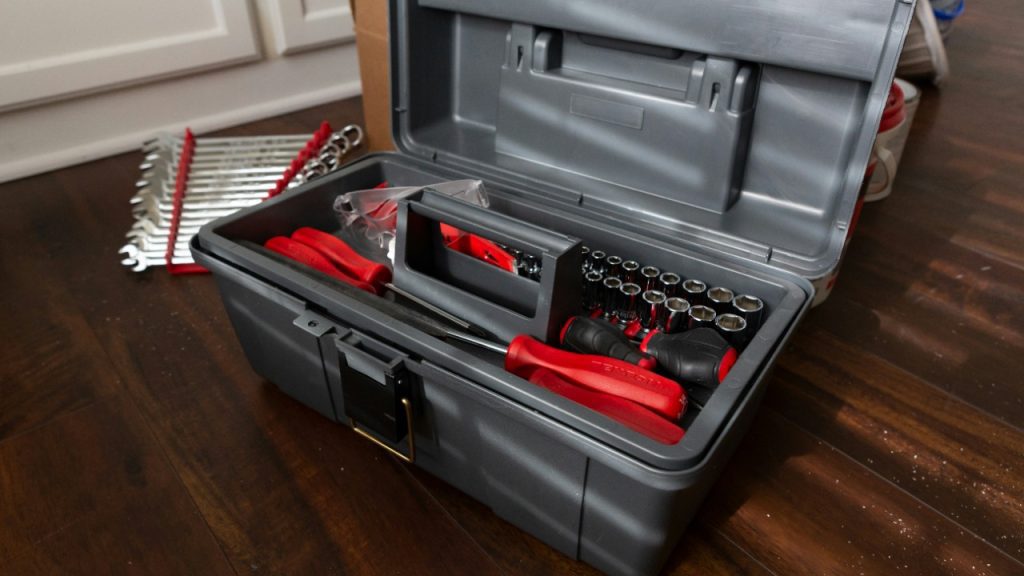
We all have our own essential tools that we cannot do without. These are the tools we always reach for, the ones that make any DIY task or repair job easier and more efficient. A well-stocked toolbox is like a good friend: always there when you need it and reliable in a pinch. So what does one keep in such an important kit? Here are the ten things I always keep in my toolbox, and why I find them so indispensable.
1. Screwdrivers

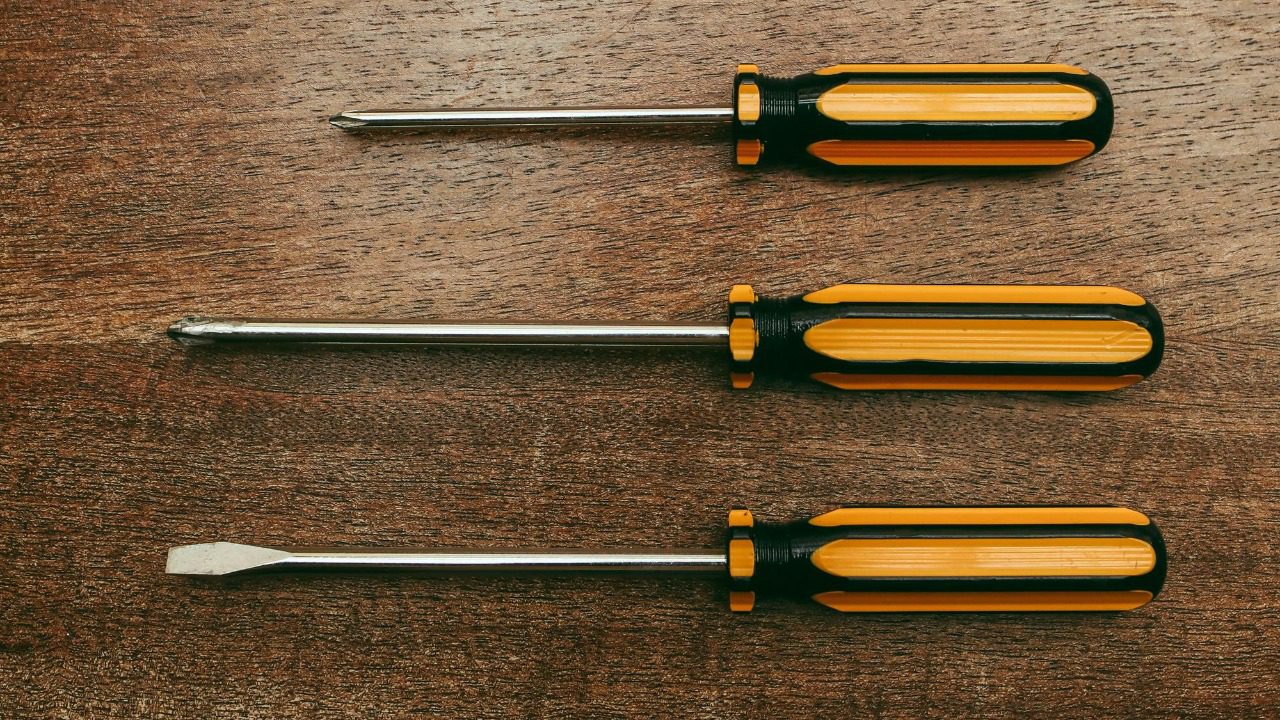
Screwdrivers are a toolbox essential. You’ll need both flathead and Phillips head varieties for a range of tasks. The flathead screwdriver is versatile and can also be used for prying things open or scraping off old paint. The Phillips head, on the other hand, provides more contact points with the screw, reducing the chance of slippage. Having a set of different sized screwdrivers can also come in handy. Sometimes, you’ll need a smaller screwdriver for electronics and glasses, while larger screws found in furniture may require a heftier tool. Magnetic screwdrivers can be a lifesaver when you’re trying to keep track of tiny screws.
2. Hammer
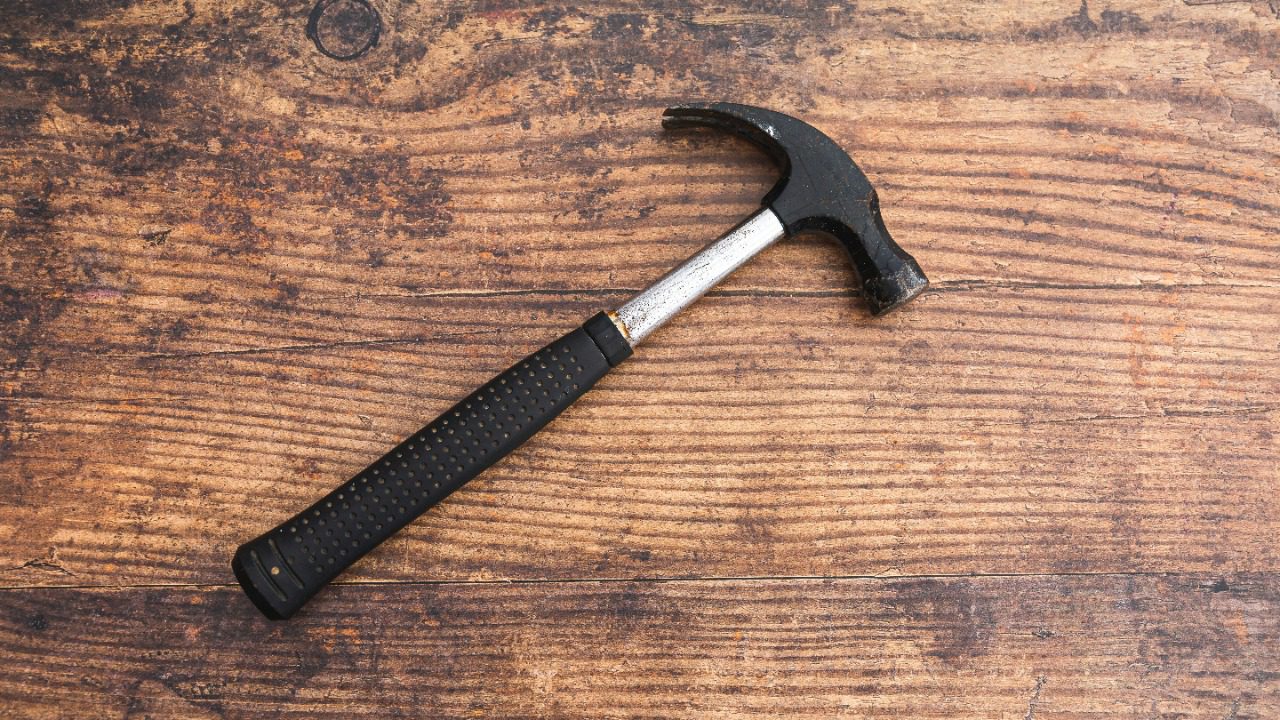
A good hammer is another must-have tool. From driving in nails to breaking things apart, the hammer is a staple of any toolbox. Choose one that has a solid metal construction and a comfortable grip. Hammers aren’t just for nails. They can also be used for minor demolition jobs, or to gently tap things into place. A claw hammer also doubles up as a handy tool for pulling out nails. Always remember to use the right amount of force – too much can cause damage, while too little might not get the job done.
3. Tape Measure

A tape measure is one of those tools you might not need every day, but when you do need it, nothing else will do. Whether you’re planning a new piece of furniture, or trying to figure out if that new TV will fit on your wall, a good, reliable tape measure is essential. Look for a tape measure that is easy to read with both metric and imperial units. A lock function can also be useful to keep measurements in place. Remember, the golden rule of DIY: measure twice, cut once.
4. Pliers
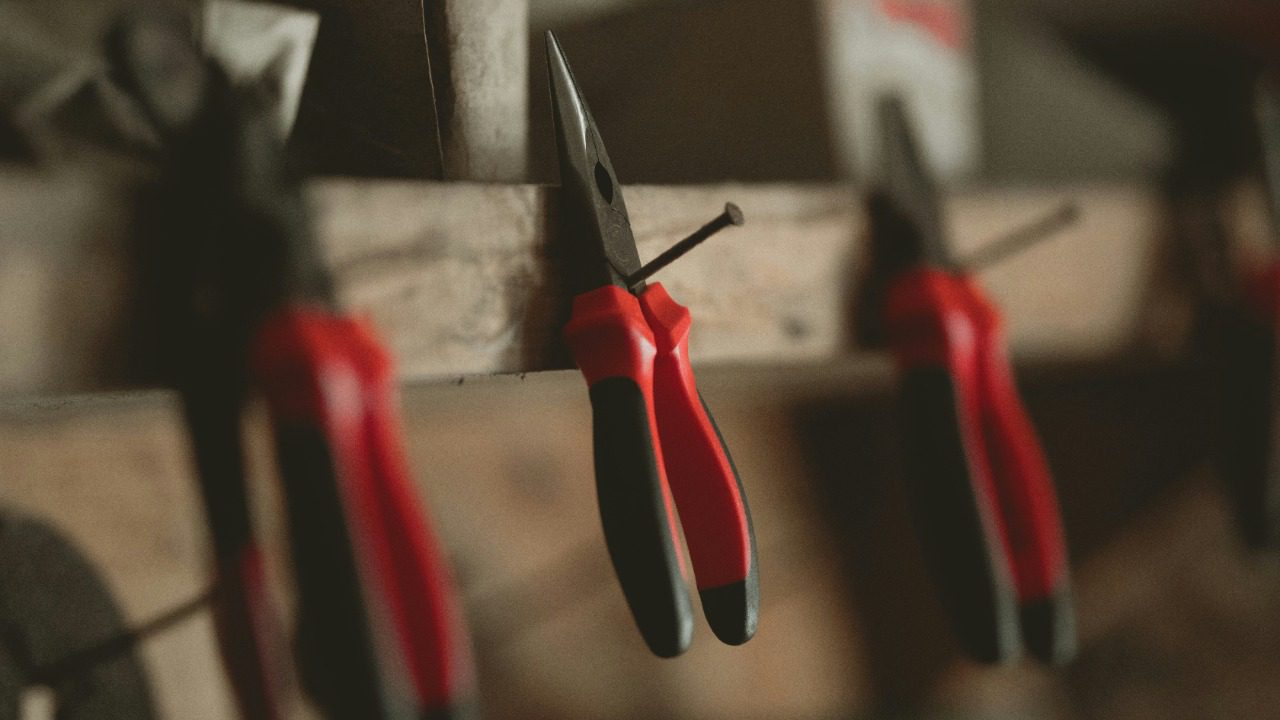
Pliers are a versatile tool that can be used for a variety of tasks, from bending wires to holding hot objects. They come in several types, including flat-nose, needle-nose, and wire-cutting pliers. When choosing pliers, opt for ones with a good grip and adjustable width. Keep in mind that using pliers as a hammer or wrench can damage the tool, so always use the right tool for the job.
5. Wrench Set
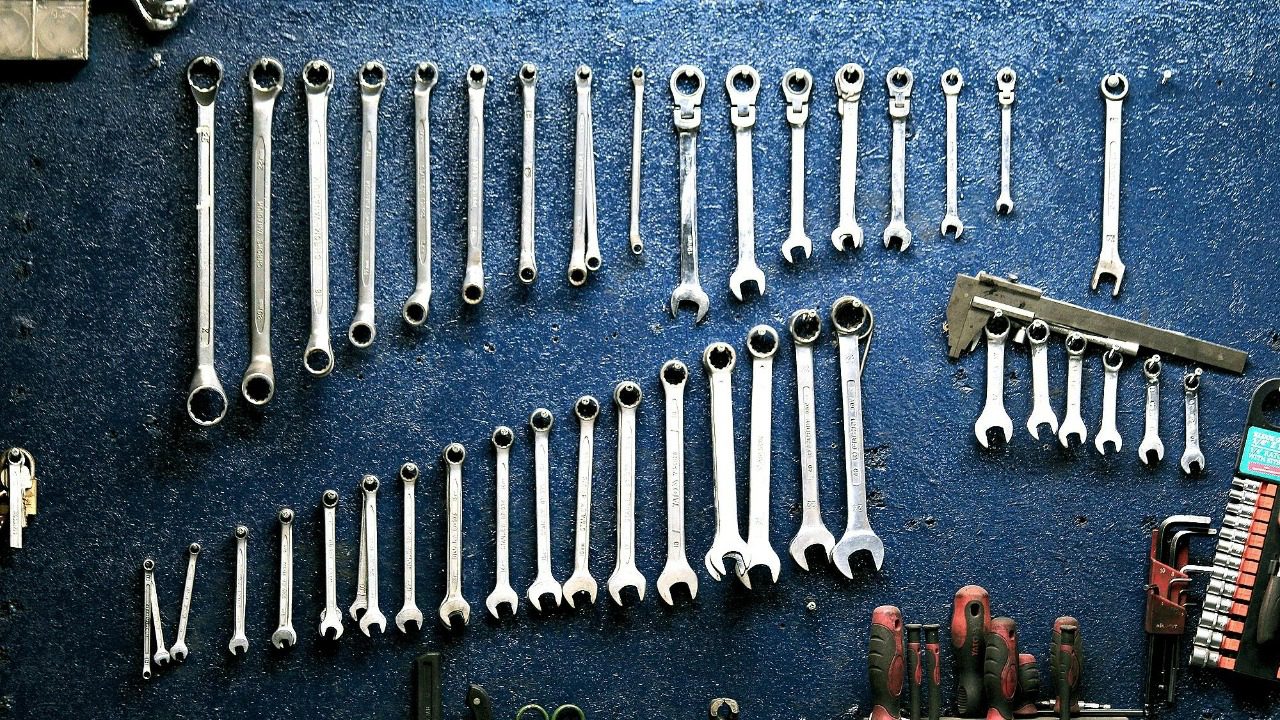
A wrench set is a valuable addition to any toolbox. It’s used when you need to provide grip and mechanical advantage in applying torque to turn objects. For example, when you’re tightening or loosening nuts and bolts. A set of combination wrenches – with one open end and one box end – can be particularly versatile. Also, consider getting an adjustable wrench for jobs that require different sizes.
6. Utility Knife
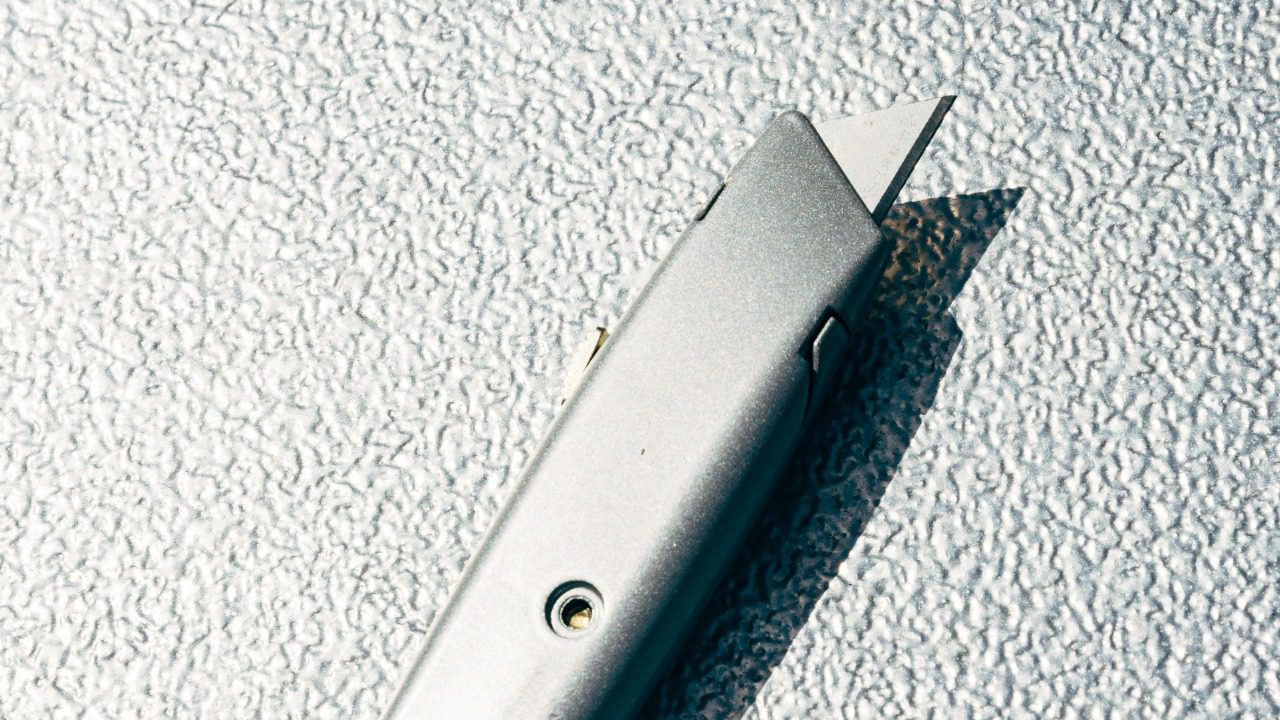
A sharp, reliable utility knife can serve a multitude of purposes. From opening packages to stripping wires and cutting through materials like carpet or wallpaper, it’s a must-have. Always keep your knife clean and sharp. A dull knife can be more dangerous than a sharp one, as you have to use more force to make cuts. Remember to use a stable surface and cut away from your body to avoid accidents.
7. Level
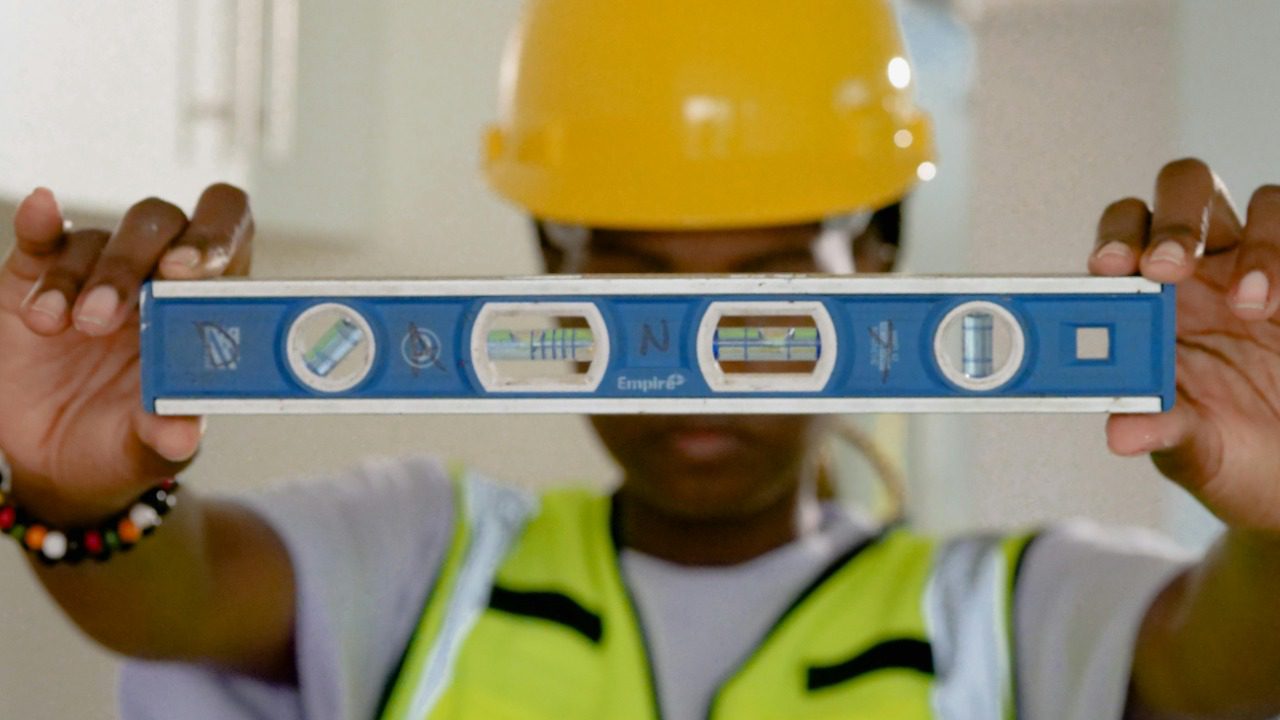
A level is essential for many home improvement tasks. Whether you’re hanging a picture, installing shelves, or laying tile, a level ensures your work is straight and aligned. Digital levels can provide accurate readings, but traditional bubble levels are just as effective and more affordable. Either way, a level can help turn a good DIY project into a great one.
8. Flashlight


A flashlight is often overlooked as a tool, but it’s incredibly useful. It can light up dark corners and help you find lost screws or tools. Choose a durable, bright flashlight with a long battery life. Keep in mind that a headlamp can be a good option when you need both hands free. Also, consider keeping a spare set of batteries in your toolbox.
9. Duct Tape

Duct tape is the ultimate quick-fix tool. From sealing leaks to holding things together temporarily, there’s not much it can’t do. Remember, while duct tape is versatile, it’s not always the best long-term solution. Use it for temporary fixes, but always plan to replace it with a more permanent solution later.
10. Safety Glasses
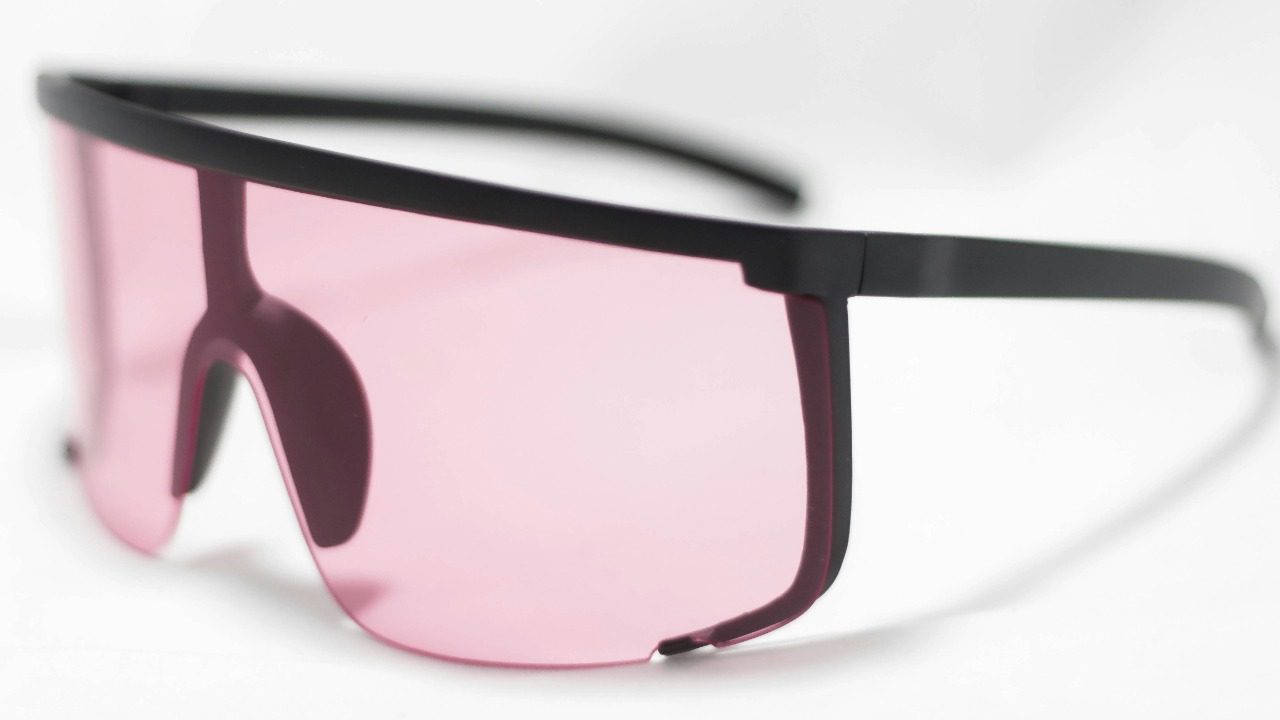
Last but not least, safety glasses. DIY tasks can sometimes get messy, and it’s important to protect your eyes from dust, debris, and any flying particles. Choose safety glasses that fit well and offer UV protection if you’re working outdoors. Remember, safety should always come first in any DIY project. These are the ten things I always keep in my toolbox. They may be basic, but they’re versatile and reliable – the hallmarks of any good tool. What about you? What are your toolbox essentials?