


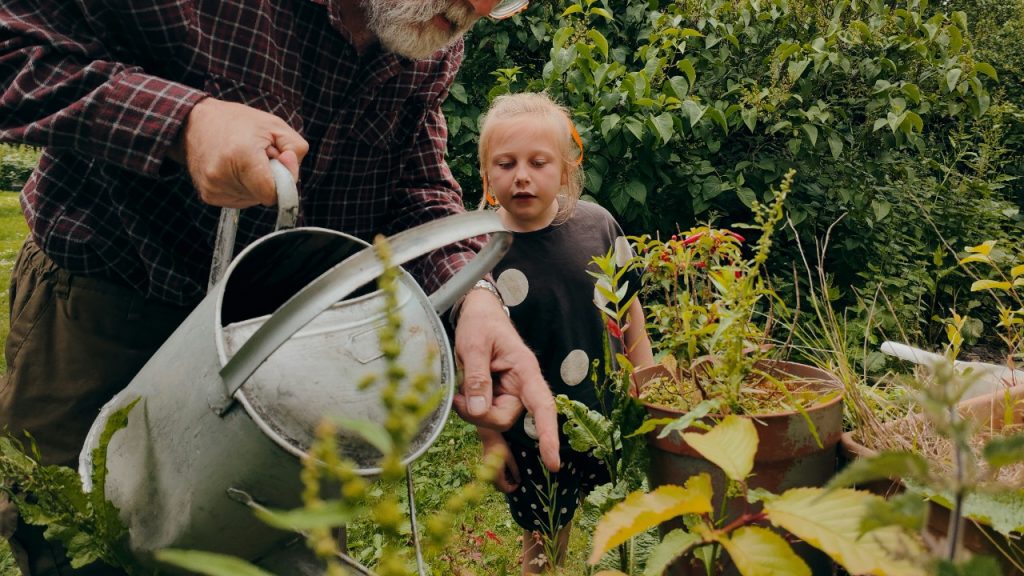
When it comes to caring for our homes, there’s an abundance of information available online and in books. But, there’s a certain wisdom that can only be gleaned from the generations before us, who learned and practiced their home care techniques in a time when resources were more limited. I was fortunate enough to learn some valuable tips from my grandparents, who were masters of home management. These lessons are not only practical but also imbued with a deep respect for thriftiness, sustainability, and a genuine love for home. Here are ten of those lessons that have greatly helped me in my journey of home care.
1. The Power of Baking Soda and Vinegar

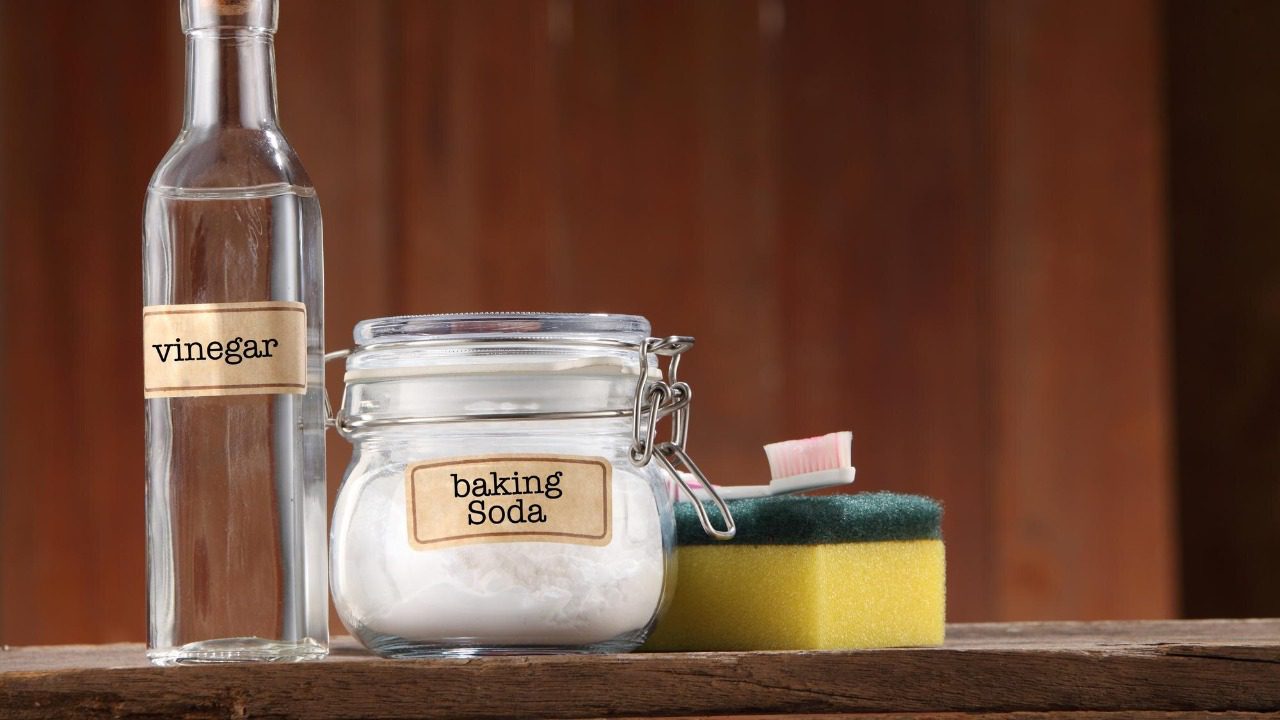
My grandparents taught me that some of the best cleaning agents aren’t found in the cleaning aisle of the supermarket, but in your kitchen pantry. Baking soda and vinegar are versatile, inexpensive, and eco-friendly solutions for a range of cleaning tasks.
Baking soda is a mild abrasive that can scrub away tough stains and grime, while vinegar is a natural disinfectant that can kill most bacteria, germs, and mold. For example, to unclog a drain, pour half a cup of baking soda followed by half a cup of vinegar. Wait 15-20 minutes and then rinse with boiling water. This is just one of the numerous ways these two staples can be used to maintain a clean and healthy home.
2. The Importance of Regular Maintenance
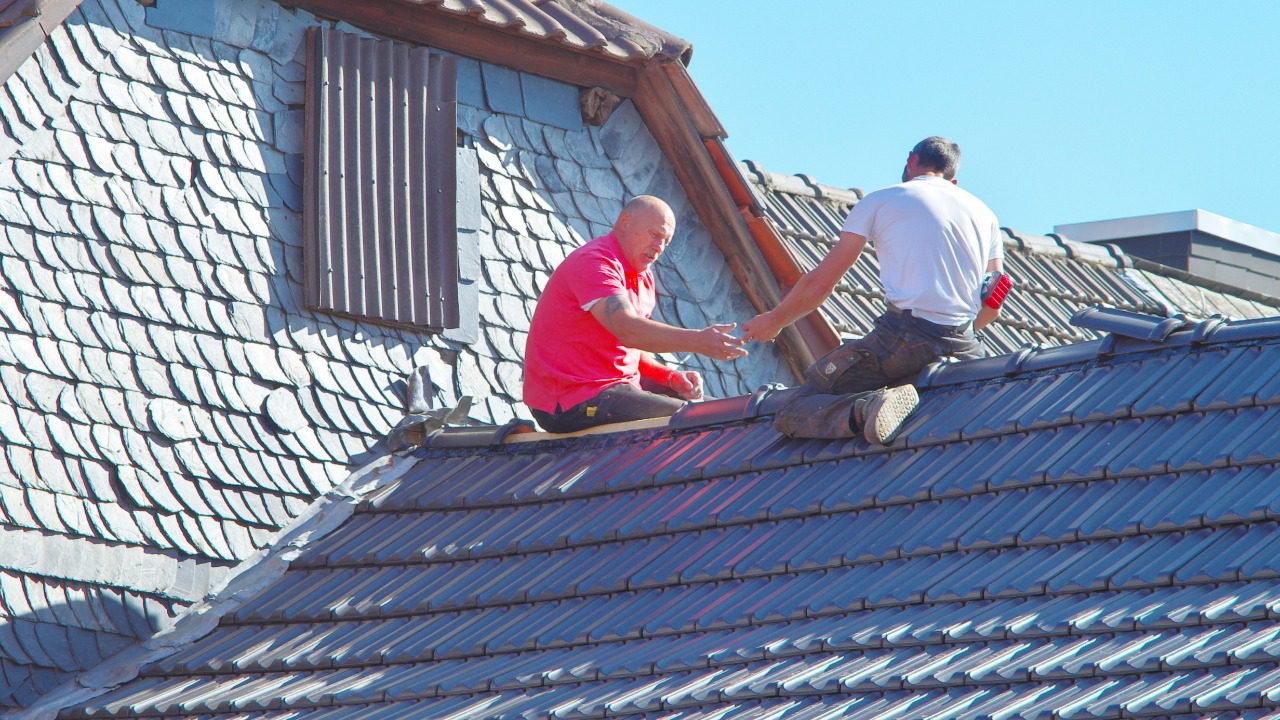
One of the most valuable lessons I learned was the importance of regular maintenance. My grandparents often said, “A stitch in time saves nine.” They believed that regular check-ups and minor repairs can prevent big problems down the road.
For instance, they used to regularly inspect the roof for any loose or missing tiles that could lead to leaks, and they would also clean the gutters to prevent water damage. Similarly, a quick dusting and vacuuming every week can prevent the build-up of dust and allergens, promoting a healthier living environment. Regular maintenance, albeit time-consuming, can save you a lot of trouble and expense in the long run.
3. The Value of Natural Light
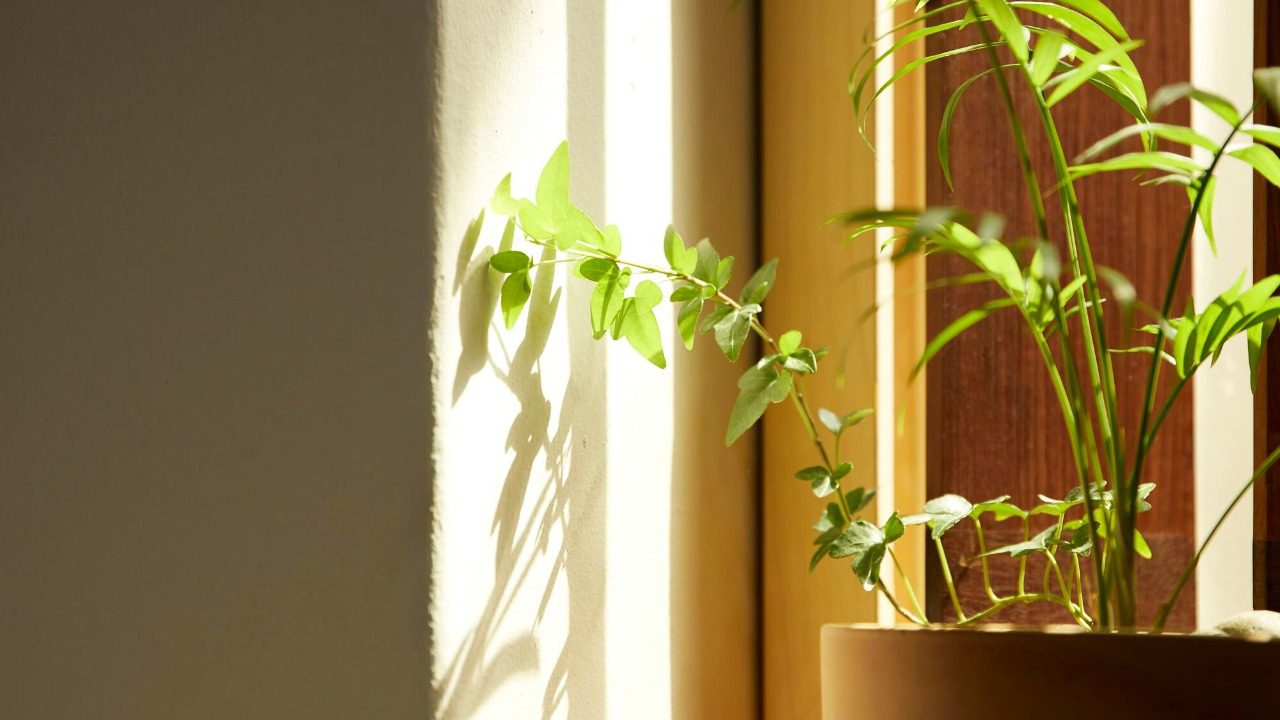
My grandparents recognized the value of natural light long before it became a trendy feature in home design. They taught me how to use natural light to make my home more energy-efficient and psychologically uplifting.
By keeping the curtains open during the day, they would let in sunlight, which naturally warms the house and reduces the need for artificial heating. They also positioned mirrors strategically to reflect light into darker areas. Besides, exposure to natural light has been shown to improve mood and productivity. So, make the most of the sunlight to create a bright, cheerful, and energy-efficient home.
4. The Principle of “Use it Up, Wear it Out, Make it Do or Do Without”
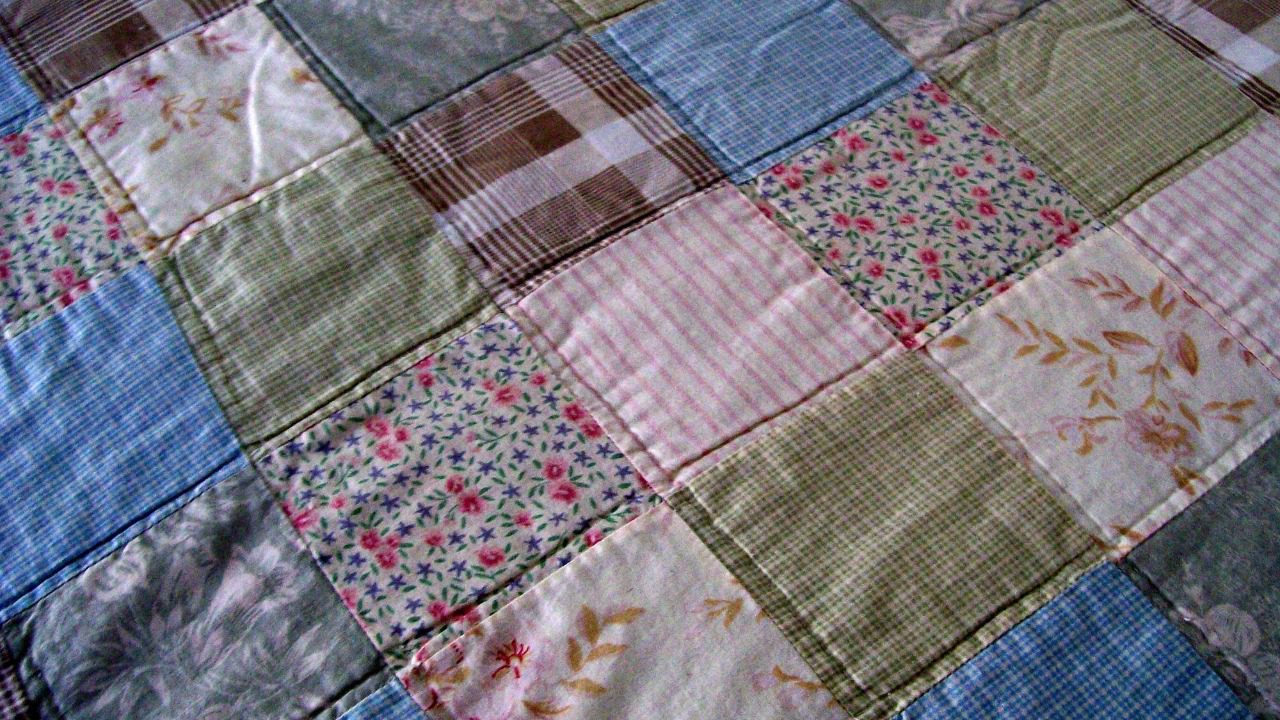
This principle essentially encapsulates my grandparents’ approach to home care and life in general. They were incredibly resourceful and believed in getting the most out of everything they owned.
For example, they would find creative ways to repurpose items that would otherwise be discarded. An old ladder became a bookshelf, and worn-out clothes were transformed into patchwork quilts or cleaning rags. When something broke, they would try to fix it themselves before considering replacing it. This principle is not only economical but also environmentally friendly, as it reduces waste and consumption.
5. The Art of Home Cooking
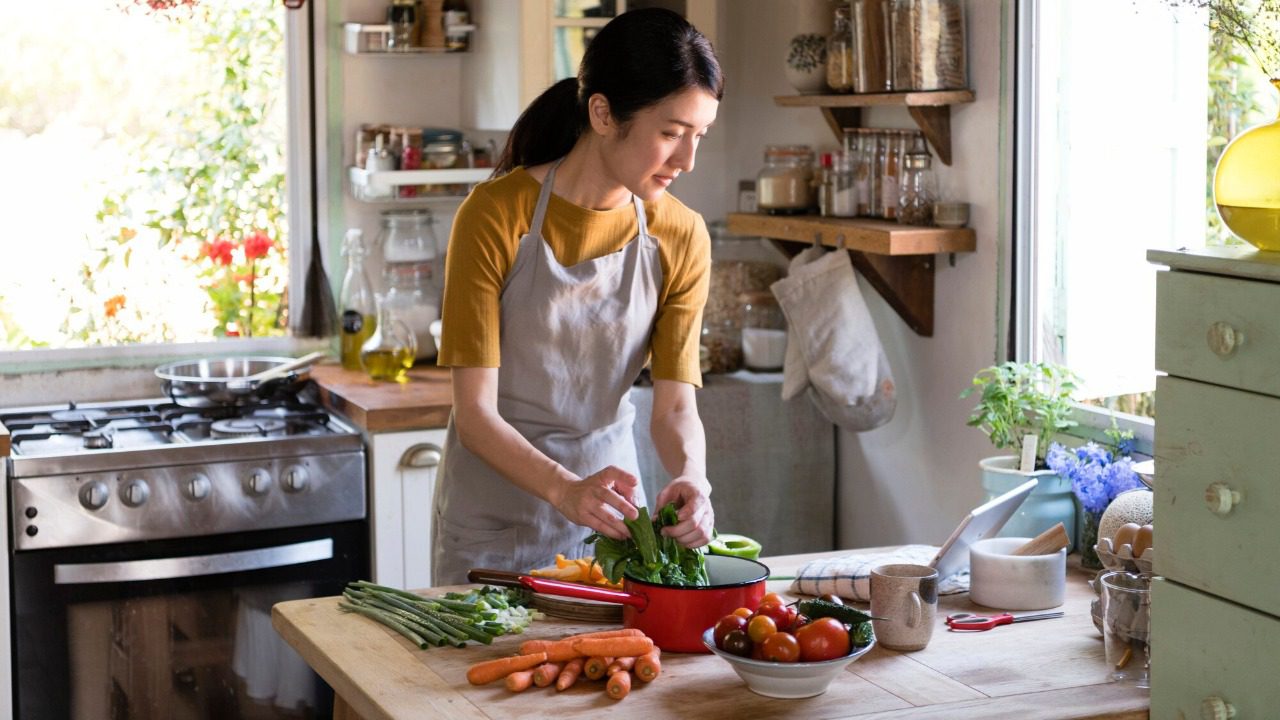
My grandparents were big advocates of home cooking. They taught me that preparing your own meals is not only healthier and more economical but also a great way to care for your home and the people in it.
Cooking at home gives you control over the ingredients and portion sizes, allowing you to make healthier choices. Plus, there’s something incredibly satisfying about making a meal from scratch. The aroma of home-cooked food adds warmth to the home and brings people together. So, embrace the art of home cooking and turn mealtimes into special occasions.
6. The Wisdom of Seasonal Living

My grandparents had a deep respect for the natural rhythm of the seasons. They believed in adjusting their lifestyle and home care routines according to the time of the year.
In the summer, they would air out the house to reduce humidity and prevent mold. In the winter, they would seal drafts to conserve heat. They also changed their diet and activities to suit the season. Living in tune with the seasons can help you adapt to changes in the weather and make your home more comfortable and efficient.
7. The Beauty of Simplicity

One of the most profound lessons I learned was the beauty of simplicity. My grandparents lived a modest life and taught me that you don’t need much to create a comfortable and welcoming home.
They valued quality over quantity, choosing to invest in a few well-made items rather than filling their home with clutter. They also kept their décor simple and functional, creating a sense of calm and order. Embracing simplicity in your home can reduce stress, make maintenance easier, and create a peaceful sanctuary.
8. The Practice of Growing Your Own Food
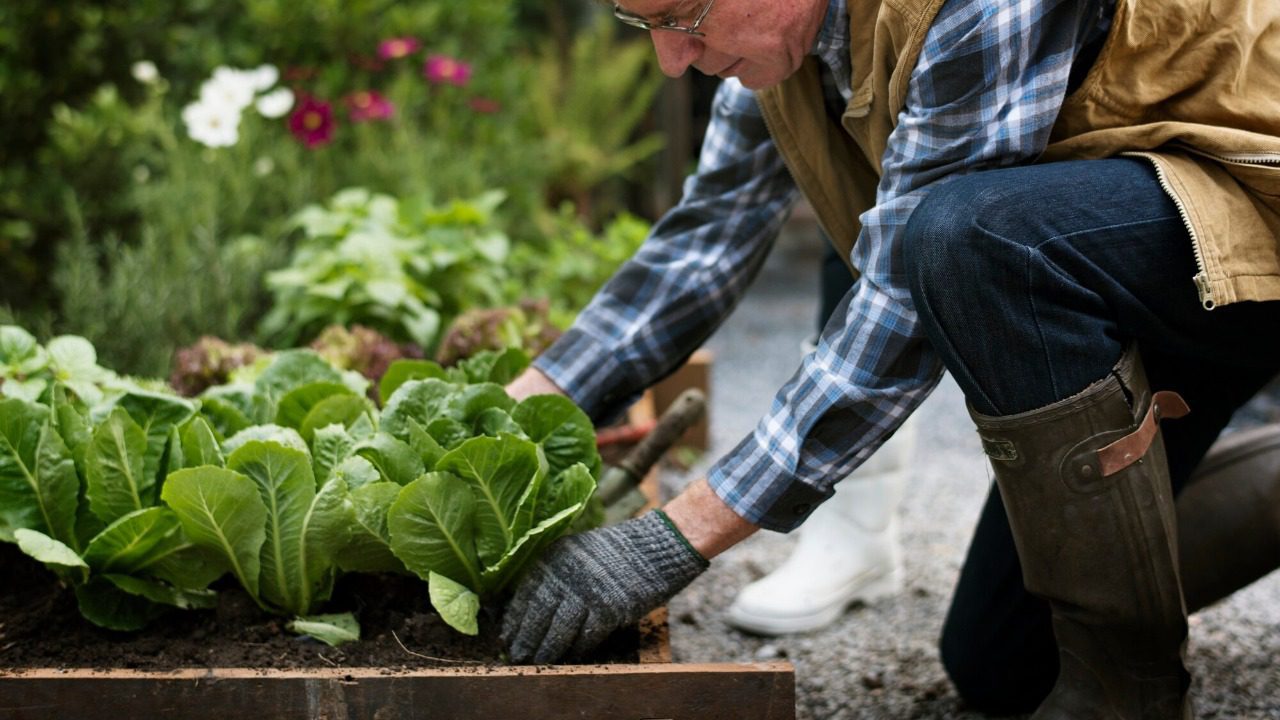
My grandparents had a vegetable garden and taught me the joy of growing your own food. It not only provides fresh, nutritious produce but also adds beauty to your home and connects you with nature.
Whether it’s a small herb garden in your kitchen or a large vegetable patch in your backyard, gardening can be a rewarding and therapeutic activity. Plus, it can help you save money on groceries and reduce your environmental footprint. So, consider starting your own garden and enjoy the benefits of homegrown produce.
9. The Habit of Saving Energy
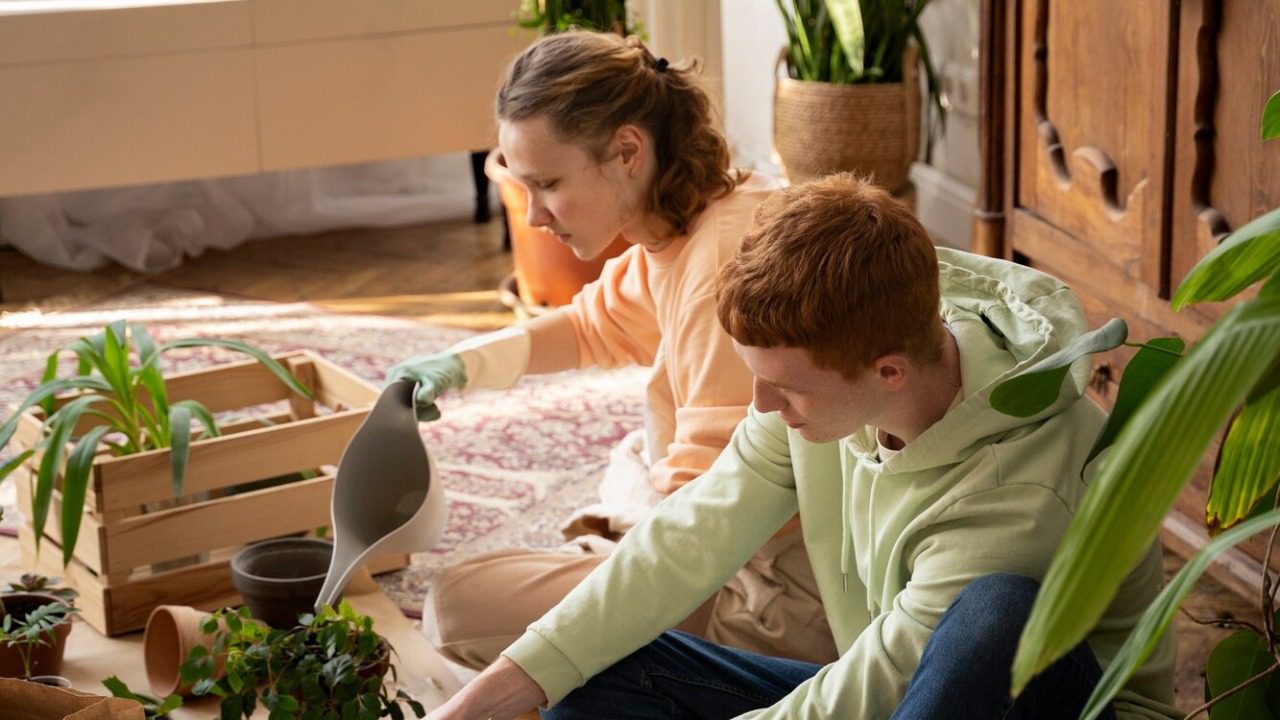
My grandparents were conscious of their energy use long before it became a mainstream concern. They taught me simple habits that can conserve energy and reduce utility bills.
For example, they would always turn off lights and appliances when not in use. They also insulated their home well to minimize heat loss in winter and heat gain in summer. These small changes can make a big difference in your energy consumption and carbon footprint. So, be mindful of your energy use and cultivate habits that conserve resources.
10. The Virtue of Patience
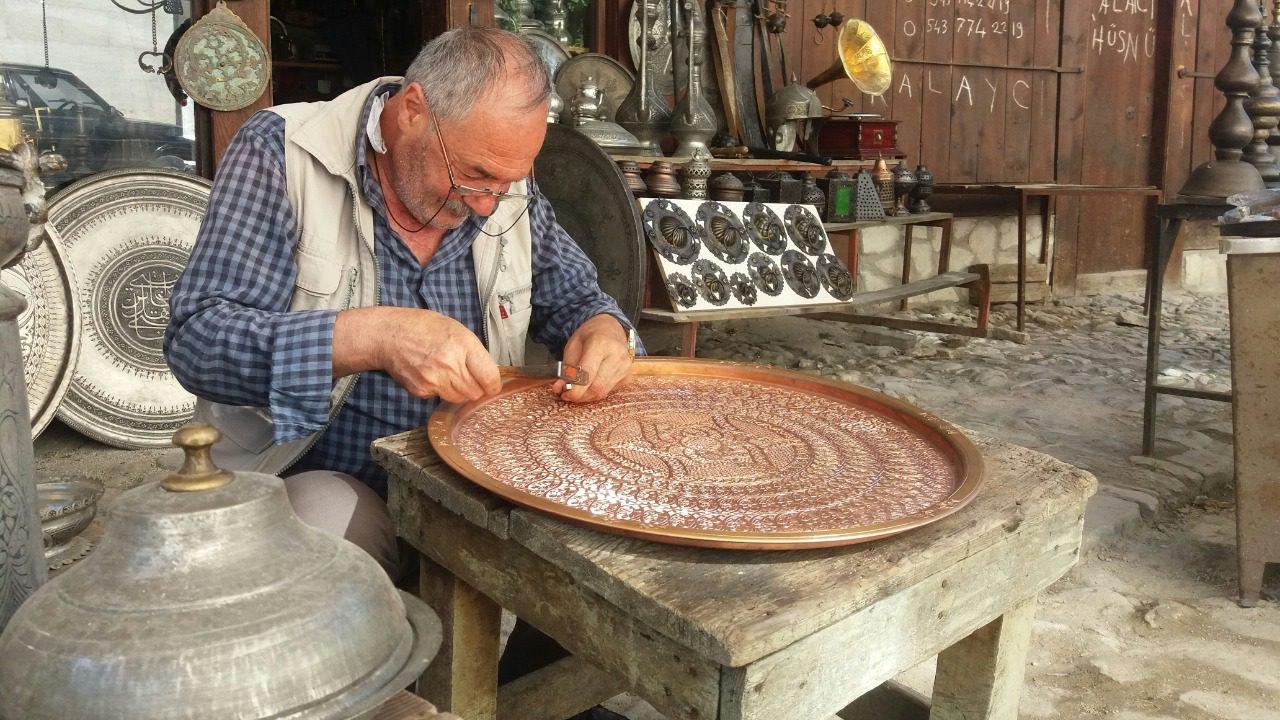
Last but not least, my grandparents taught me the virtue of patience. Home care is not always about quick fixes but requires patience and careful attention.
Whether it’s waiting for a plant to bear fruit, a stain to lift, or a home-cooked meal to be ready, patience is often rewarded in the realm of home care. So, take your time, enjoy the process, and remember that good things often come to those who wait.