


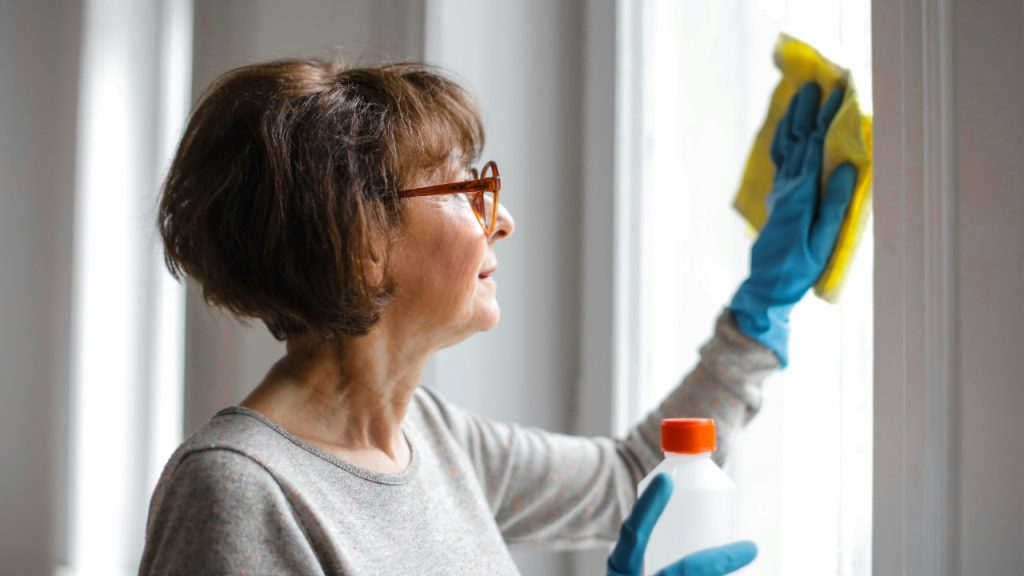
Life is busy, and sometimes cleaning can fall by the wayside. We all have those things in our homes that we overlook, or intentionally put off cleaning until absolutely necessary. But while it might seem like these neglected spots are harmless, they can actually gather dust, dirt, and bacteria, negatively impacting your health and well-being. In this post, we’ll delve into ten things you might only clean once a year, but really shouldn’t. Let’s take a look at these items and discuss why it’s important to clean them more frequently, and how best to do so.
1. Ceiling Fans


Ceiling fans are notorious dust collectors. Because they are out of sight, it’s easy to forget about them. However, when the fan is turned on, it can disperse dust particles throughout the room, triggering allergies or respiratory issues.
Cleaning a ceiling fan can be a simple task if done regularly. Use an extendable duster or a vacuum with a brush attachment to clean the blades. For those with more time, you can use a step stool and a damp cloth to wipe each blade individually. Remember to clean the top of the blades as well as the underside.
2. Window Tracks


Window tracks can accumulate a surprising amount of dirt and grime. Not only does this look unsightly, but it can also hinder the functioning of your windows.
To clean window tracks, start by vacuuming out loose dirt. Then, use an old toothbrush and a solution of vinegar and water to scrub away the remaining grime. Wipe clean with a cloth. To prevent buildup, clean your window tracks a few times a year.
3. Behind Appliances

The areas behind your fridge, oven, and washer/dryer are easy to ignore, but they can become a breeding ground for dust and pests.
At least twice a year, pull these appliances away from the wall and vacuum behind them. This will not only help maintain cleanliness but also improve the efficiency of your appliances.
4. Pillows


We often wash our pillowcases, but how often do we clean the pillows themselves? Over time, pillows can harbor dust mites and dead skin cells.
Most pillows can be machine washed and dried. Check the care label to be sure. To maintain freshness, aim to wash your pillows every three to six months.
5. Shower Heads
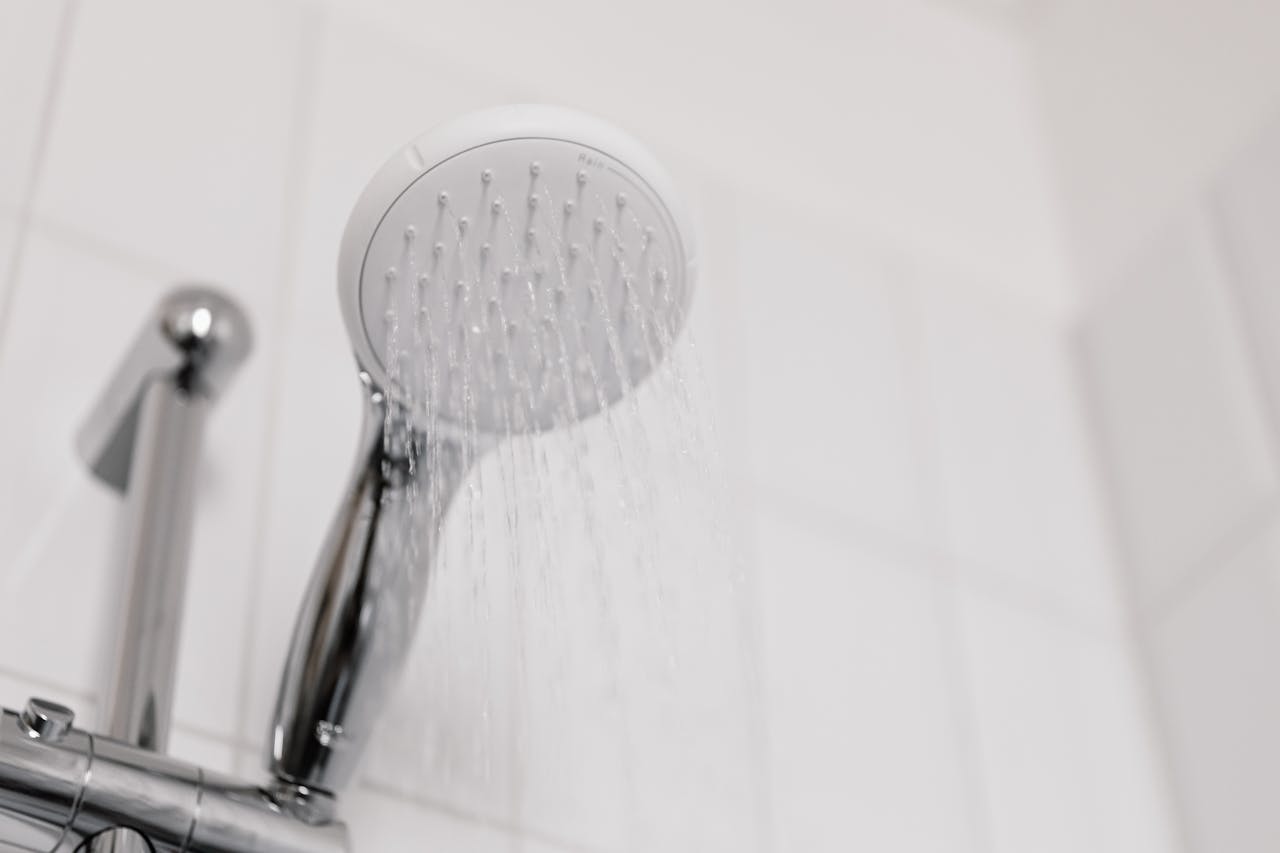
Shower heads can become clogged with mineral deposits, which can affect water pressure and even harbor bacteria.
To clean a shower head, fill a plastic bag with vinegar, tie it around the shower head, and let it soak overnight. In the morning, remove the bag and run the shower to rinse off the vinegar.
6. Garbage Bins


Even with regular bag changes, garbage bins can get dirty and smelly. This can attract pests and create an unpleasant environment.
Once a month, take your garbage bins outside and hose them down. Scrub the inside with a brush and a solution of dish soap and water. Rinse and let dry before using again.
7. Computer Keyboards


We use them daily, but rarely clean them. Keyboards can become a hotbed for germs, especially if you eat or drink at your desk.
Use a can of compressed air to remove crumbs and dust from between the keys. Then, use a cotton swab dipped in rubbing alcohol to clean each key.
8. Door Handles


Door handles are touched multiple times a day but are rarely cleaned. They can harbor a surprising amount of bacteria and viruses.
Wipe down your door handles with a disinfectant wipe or a cloth sprayed with disinfectant at least once a week.
9. Light Switches


Like door handles, light switches are frequently touched, but rarely cleaned.
Use a disinfectant wipe or a cloth sprayed with disinfectant to clean your light switches at least once a week.
10. Toothbrush Holders

Toothbrush holders can become a breeding ground for bacteria. If not cleaned regularly, these bacteria can be transferred to your toothbrush and then to your mouth.
Once a week, wash your toothbrush holder in hot, soapy water. Rinse well and let dry before replacing your toothbrushes.
By putting a bit more attention to these often-overlooked areas, you can maintain a cleaner, healthier living environment. So, let’s stop the once-a-year cleaning tradition and start taking better care of our homes.