


Over time, our homes tend to accumulate items that no longer serve us, whether because they’ve expired, become obsolete, or simply no longer bring us joy.
Getting rid of clutter not only helps create more space but also promotes a sense of organization and mental clarity.
1. Expired Medications


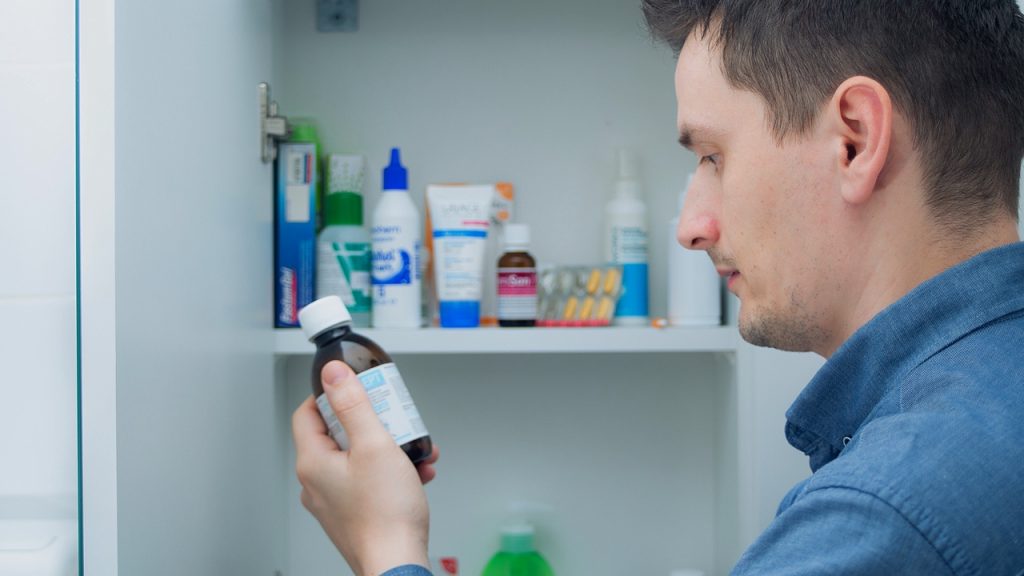
Expired medications can lose their effectiveness and may even become harmful. Holding onto old prescriptions or over-the-counter drugs can clutter your medicine cabinet and pose health risks. Dispose of them properly at a local pharmacy or through designated drug take-back programs. Regularly check your medicine cabinet and get rid of expired items.
2. Old Magazines and Newspapers

While old magazines and newspapers may hold sentimental value or contain interesting articles, they take up valuable space and can quickly accumulate. Consider recycling them or, if they contain important information, digitizing them for easier storage. Decluttering your reading materials will free up space for more relevant, up-to-date content.
3. Broken Electronics

Broken gadgets, old phones, or out-of-date electronics often sit in drawers collecting dust, but they serve no real purpose. Many electronics are recyclable, and some stores even offer trade-in programs. If they’re beyond repair, it’s best to dispose of them at a certified e-waste recycling facility to keep harmful components out of landfills.
4. Worn-Out Shoes

Shoes that are too worn out to be repaired or donated are just taking up space in your closet. If they no longer provide the support or comfort they once did, it’s time to toss them. Shoes with damaged soles or broken heels are not only unusable but also a safety hazard.
5. Unmatched Socks

We all have that drawer full of lonely socks, some without matches for years. If you’ve tried to find the match and it’s nowhere to be found, it’s time to let go of the mismatched socks. Recycling or repurposing them into rags or craft projects is a great way to reduce waste.
6. Old or Stale Food

Expired or stale food not only takes up space but can also pose health risks. Regularly check your pantry, fridge, and freezer for items past their expiration date or those that have been sitting around for too long. Throw out anything that could cause foodborne illnesses, and clean out your food storage regularly.
7. Unnecessary Paperwork

Cluttered filing cabinets filled with outdated paperwork are not only inefficient but also a fire hazard. Papers like old bank statements, credit card offers, and irrelevant receipts can be shredded and disposed of. Keep only the essential documents and consider scanning and digitizing records to reduce physical clutter.
8. Expired Cosmetics and Toiletries

Cosmetics, lotions, and toiletries have expiration dates for a reason. Using expired products can lead to skin irritation or infection. Go through your beauty stash, check for outdated items, and dispose of anything that’s past its prime. Be mindful to also clean and sanitize the containers before discarding them to avoid contamination.
9. Tattered Towels and Bedding

Old towels and bedding that are no longer absorbent or comfortable should be replaced. These items can accumulate bacteria or become unsanitary over time. If they’re beyond repair, recycle or repurpose them into cleaning rags or donate them to animal shelters. Fresh, clean linens will help maintain a comfortable and hygienic home.
10. Old Books and DVDs

While books and DVDs hold sentimental value for many, they can quickly take up a lot of space if they’re never read or watched. Donate books to libraries or local charities, and consider selling DVDs or trading them in for digital versions. A clean, updated collection allows for more space and less clutter.