


Basements can seem like a convenient spot for extra storage, especially when space is limited elsewhere in your home. However, not everything is suited for this environment, which often has fluctuating temperature and humidity levels.
Knowing what not to store in your basement helps protect your belongings and keeps your home safe. Being aware of the risks can save you from damage and potential hazards down the line.
Important Documents like birth certificates and passports

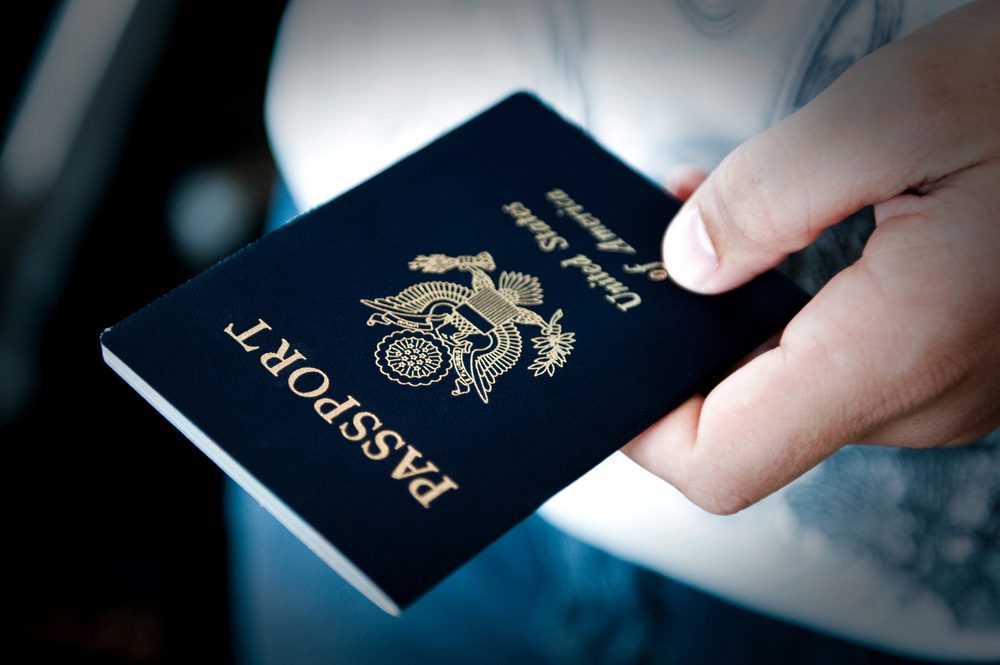
You should avoid storing important documents like birth certificates and passports in your basement. Basements are often damp, which can damage paper over time.
Moisture can cause mold or make documents unreadable. It’s better to keep these papers in a dry, secure place.
Consider using fireproof and waterproof folders or safe boxes. This way, your important documents stay protected and easy to find when you need them.
Baby clothes and stuffed animals

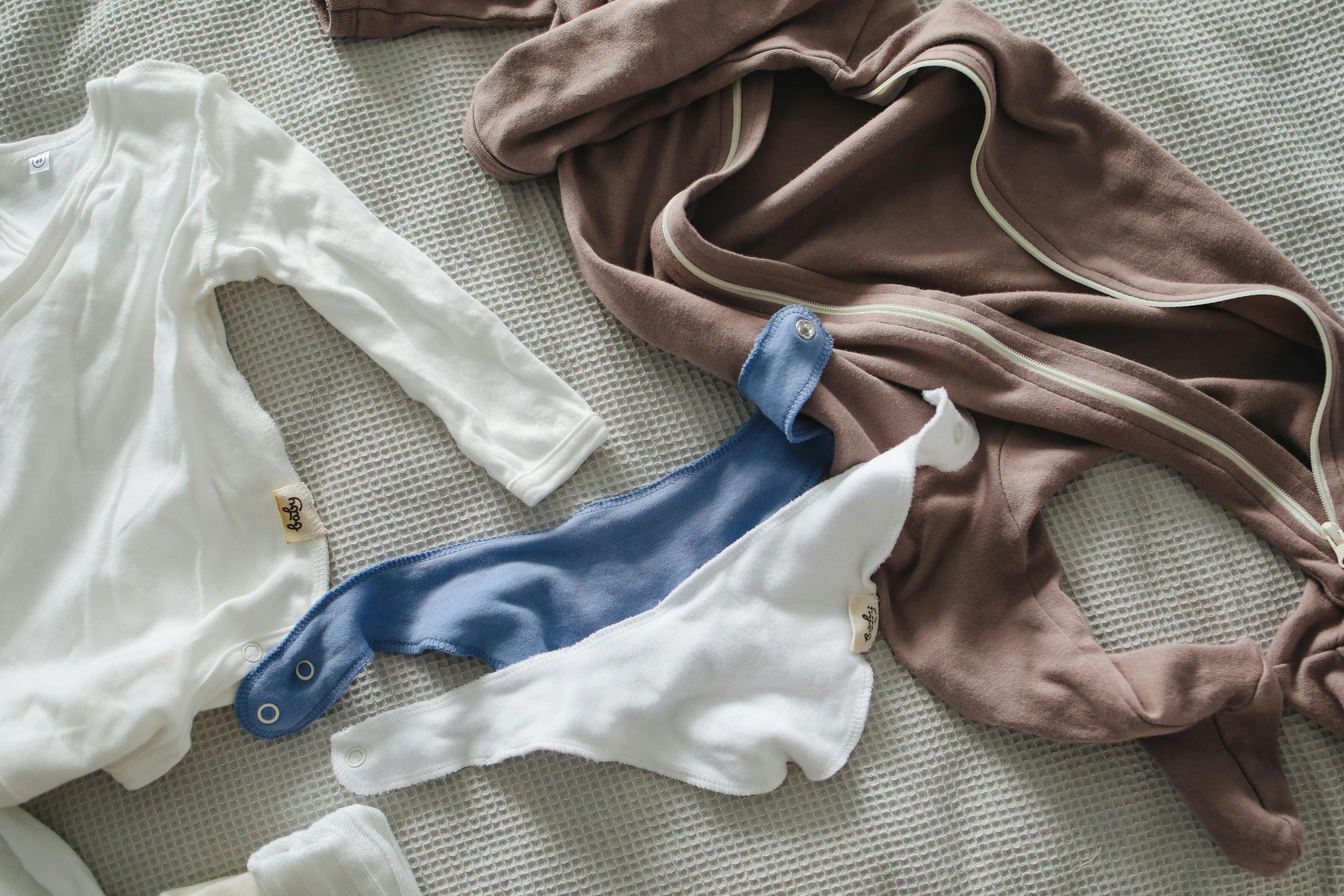
You should avoid storing baby clothes and stuffed animals in the basement. Basements often have damp conditions, which can lead to mold and mildew that damage delicate fabrics.
Stuffed animals can also attract pests like moths and mice, which may cause further harm. It’s best to keep these items in a dry, climate-controlled area where they stay clean and safe.
Wedding gowns

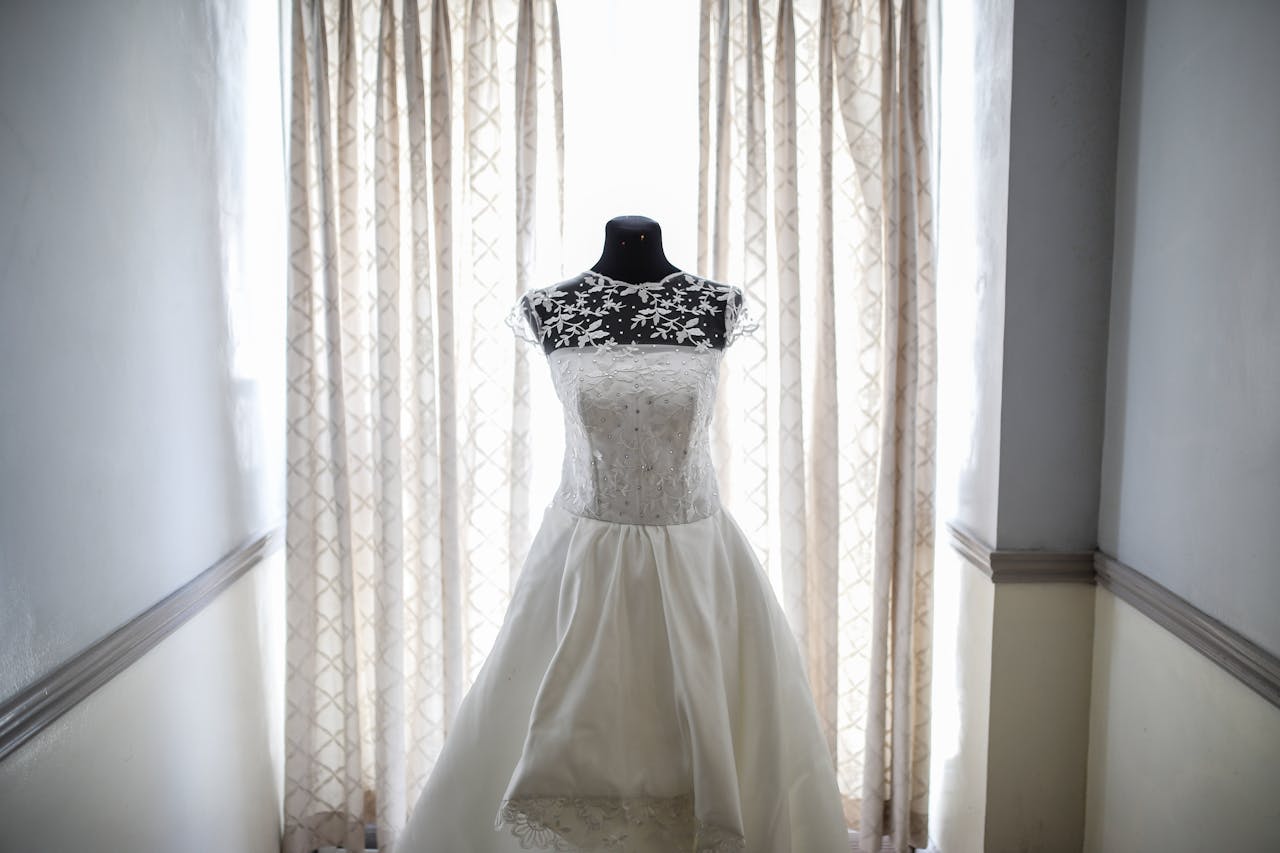
You should avoid storing your wedding gown in the basement. The damp environment can cause mold and mildew to develop on the fabric.
Basements often have fluctuating temperatures, which can weaken delicate materials like lace, satin, or silk.
If you want to keep your gown in good condition, choose a cool, dry place with stable humidity instead.
Flammable liquids such as paint and kerosene

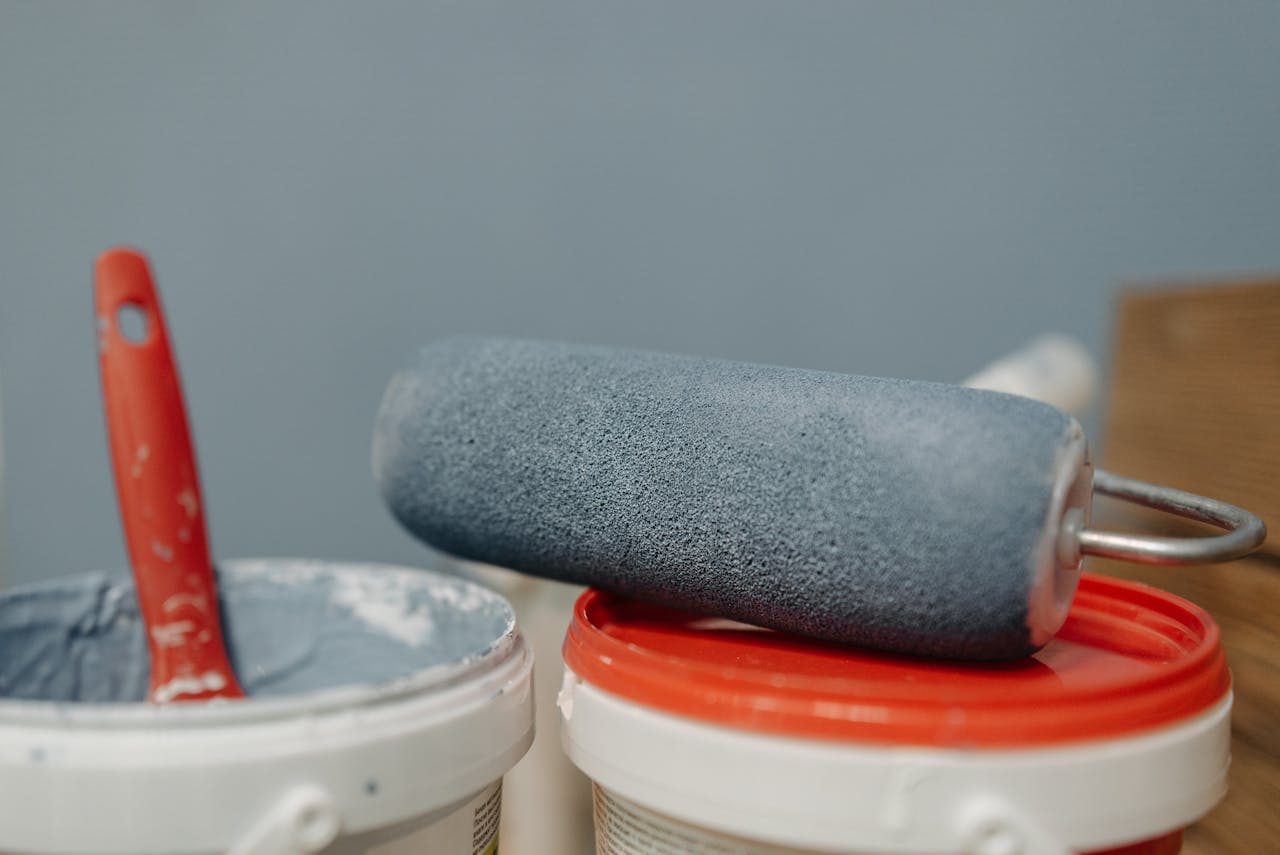
You should avoid storing flammable liquids like paint and kerosene in your basement. These substances can easily catch fire if they come near heat sources such as a furnace or water heater.
Keeping them in your basement increases the risk of accidents. Instead, store them in a cool, well-ventilated area away from any flames or sparks.
Make sure containers are tightly closed and properly labeled. This helps you stay safe and organized.
Propane tanks

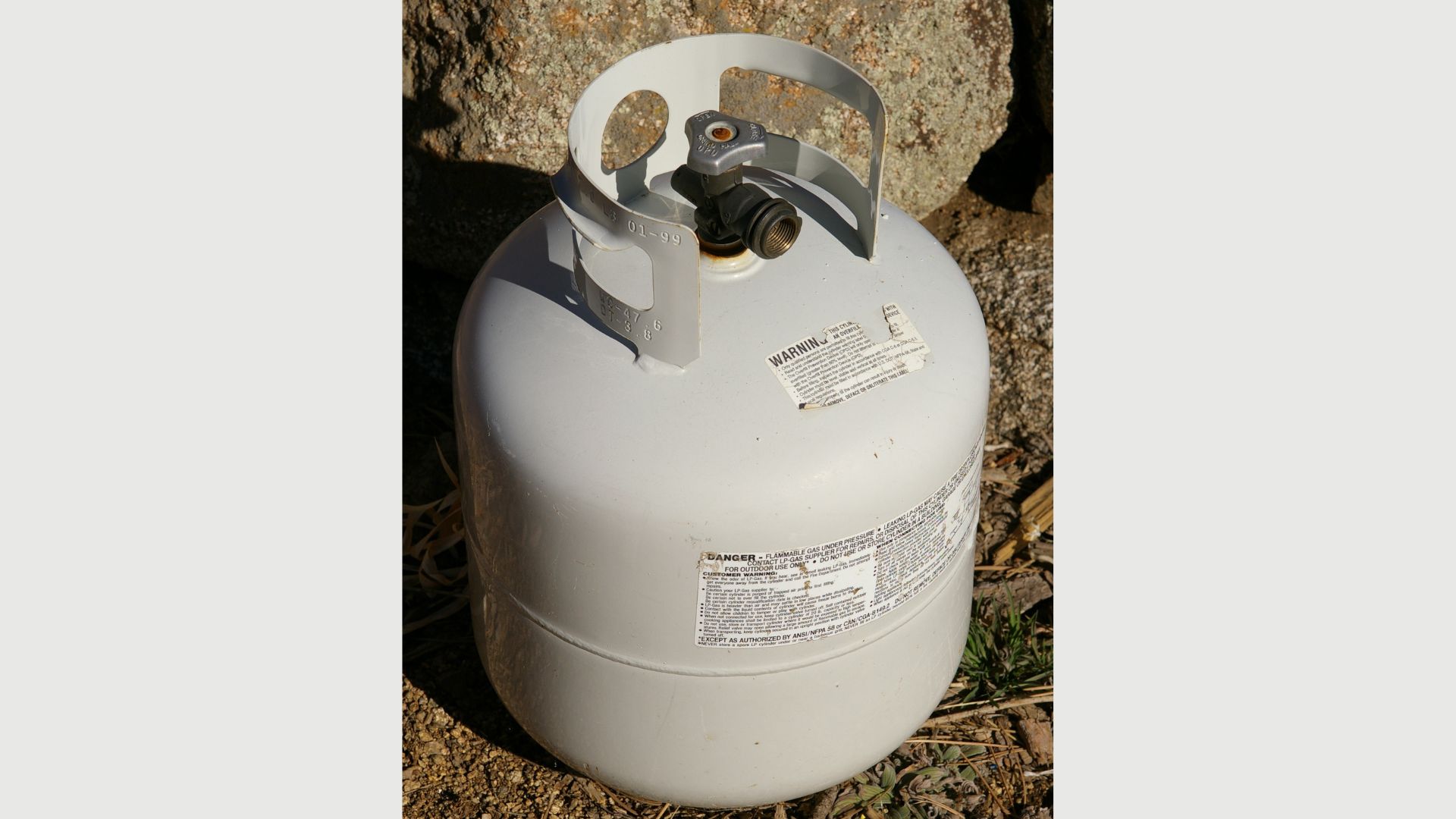
You should never store propane tanks in your basement. Changes in temperature can cause the tank to leak or build up dangerous fumes.
Basements are often close to heaters and other appliances, which increases the risk of fire.
Keep your propane tanks outside in a well-ventilated area, away from direct sunlight and extreme temperatures. Always make sure the valve is fully closed before storing.
Gas-powered lawn tools

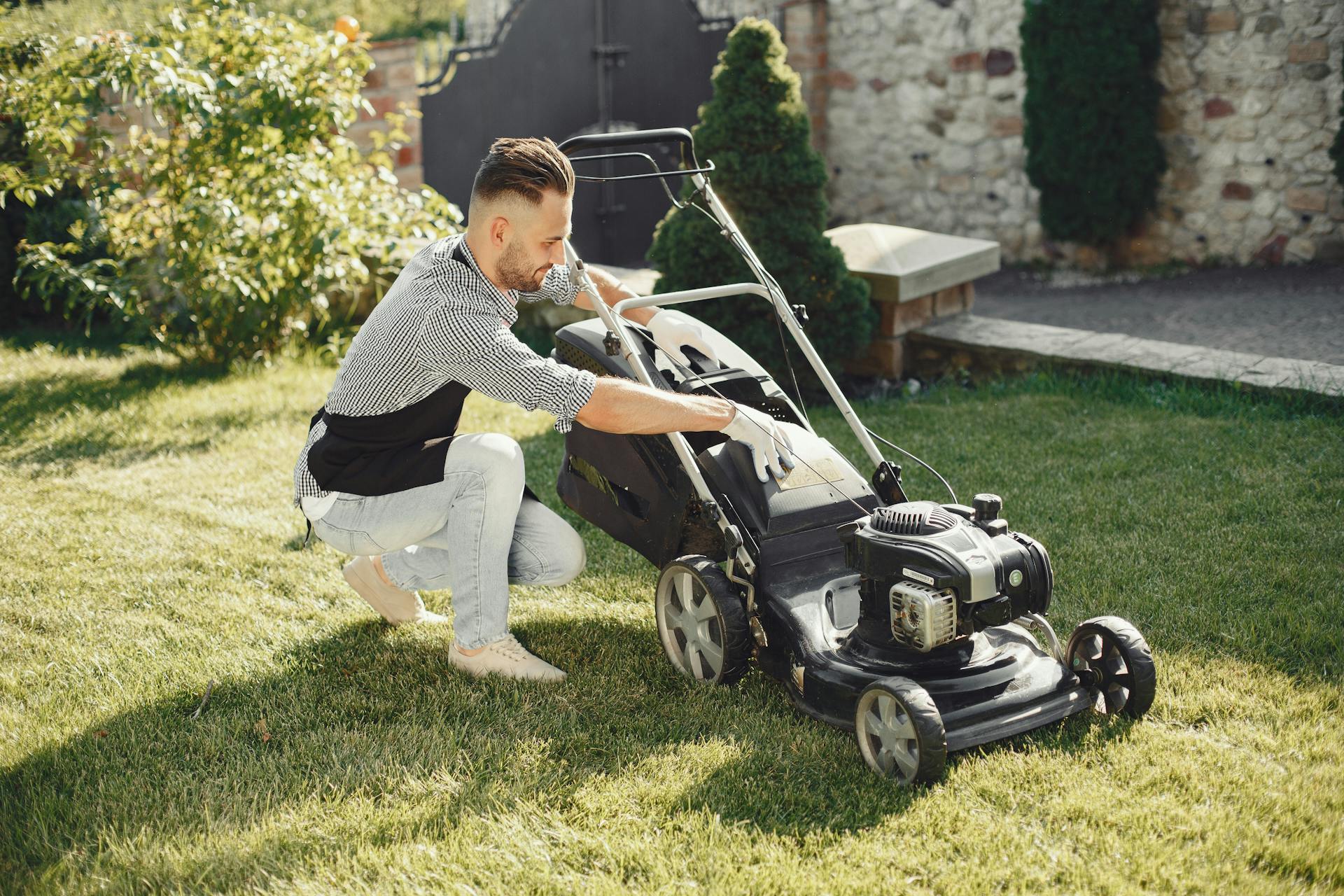
You should avoid storing gas-powered lawn tools in your basement. Gas and oil can leak, creating fire hazards and unpleasant smells.
Basements often lack good ventilation. This makes it unsafe if fumes build up over time.
Instead, store these tools in a well-ventilated shed or garage where the air can circulate freely. This keeps your basement safer and your tools in better condition.
Leather and suede items


You should avoid storing leather and suede items in your basement. These materials are very sensitive to moisture and can easily develop mold or mildew when exposed to damp conditions.
Basements often have high humidity, which can cause leather to crack and suede to become stiff. Keeping these items in a climate-controlled area will help preserve their quality.
If you must store them, use airtight containers and a dehumidifier to reduce moisture, but it’s better to find a place with stable temperature and low humidity.
Paper products like cardboard boxes

You should avoid storing paper products, especially cardboard boxes, in your basement. Cardboard easily absorbs moisture from the air, which causes it to weaken and break down over time.
This damp environment makes paper items a target for mold and pests. If you must keep paper or cardboard, consider airtight plastic containers to protect them better.
Candles

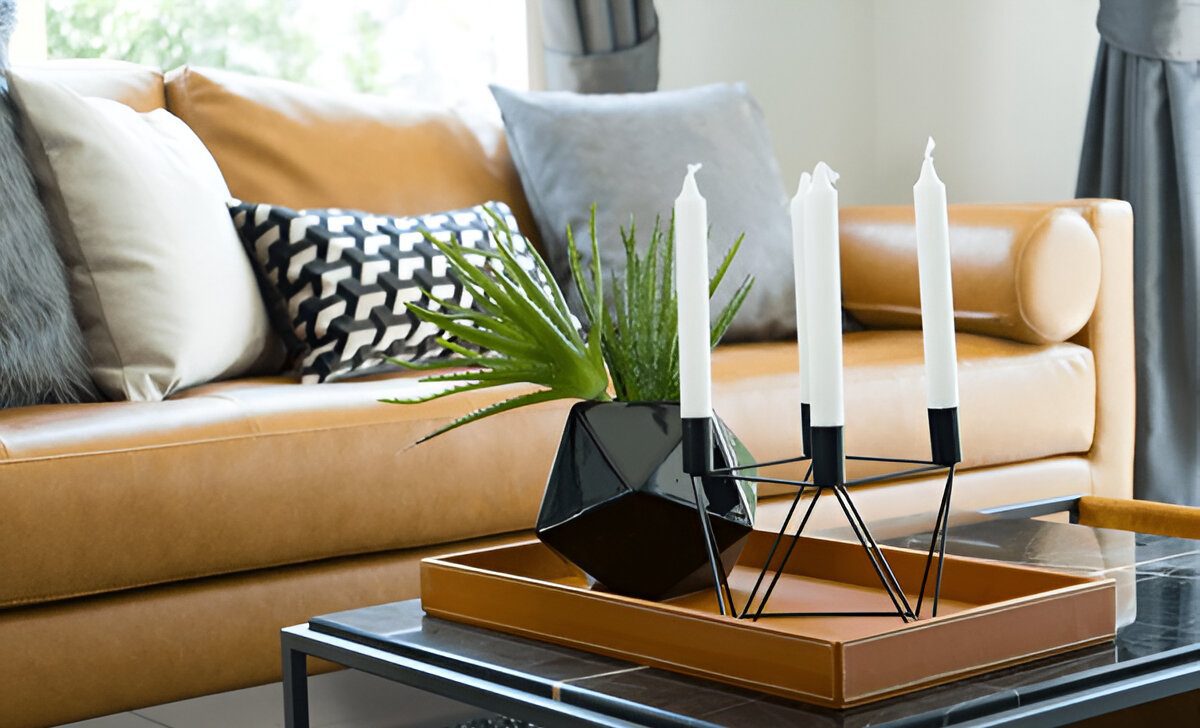
You should avoid storing candles in your basement. Temperature changes can cause them to soften or even melt.
If your basement gets warm or humid, the wax may become misshapen or develop spots.
To keep your candles looking their best, store them in a cool, dry place away from heat sources. This will help them last longer and stay safe.
Jewelry and other valuables

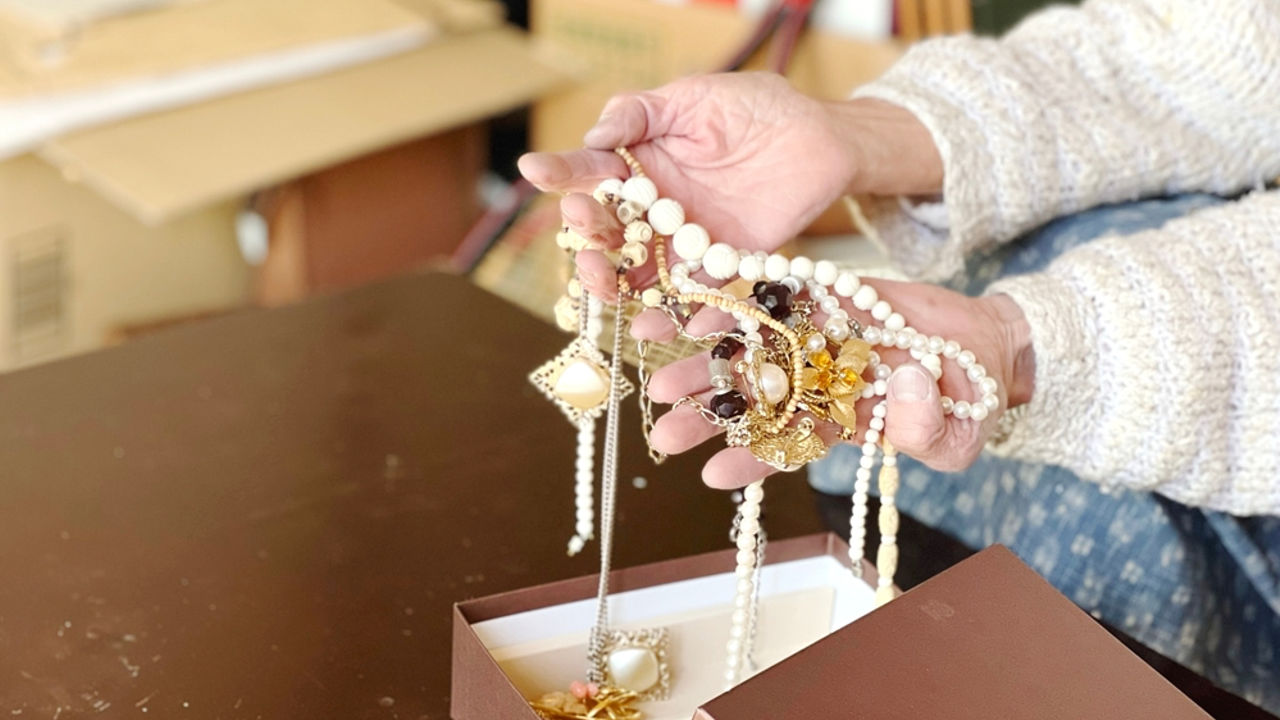
You should avoid storing jewelry and other valuables in your basement. The environment can be damp and prone to temperature changes, which may damage metals and gemstones over time.
Basements can also attract pests or even burglars, so keeping anything valuable there increases the risk of loss. It’s better to store these items in a secure, dry place inside your home.