


Warehouse club memberships are practically a rite of passage for anyone running a household, and for good reason — bulk buying can genuinely save money on the right items. The trap is assuming that logic applies to everything in the store, when in reality a lot of bulk purchases end up costing more in wasted space, wasted product, and quiet frustration than they ever saved at checkout.
Part of the problem is that bulk sizes are calculated for savings per unit, not for how quickly a household will realistically use something up before it goes stale, expires, or simply gets abandoned behind other items. In fact, reporting on household food waste has found that buying in bulk can actually increase the amount of food that goes to waste rather than saving money overall. Here are ten common bulk buys worth reconsidering.

Fresh Produce in Large Bulk Bags
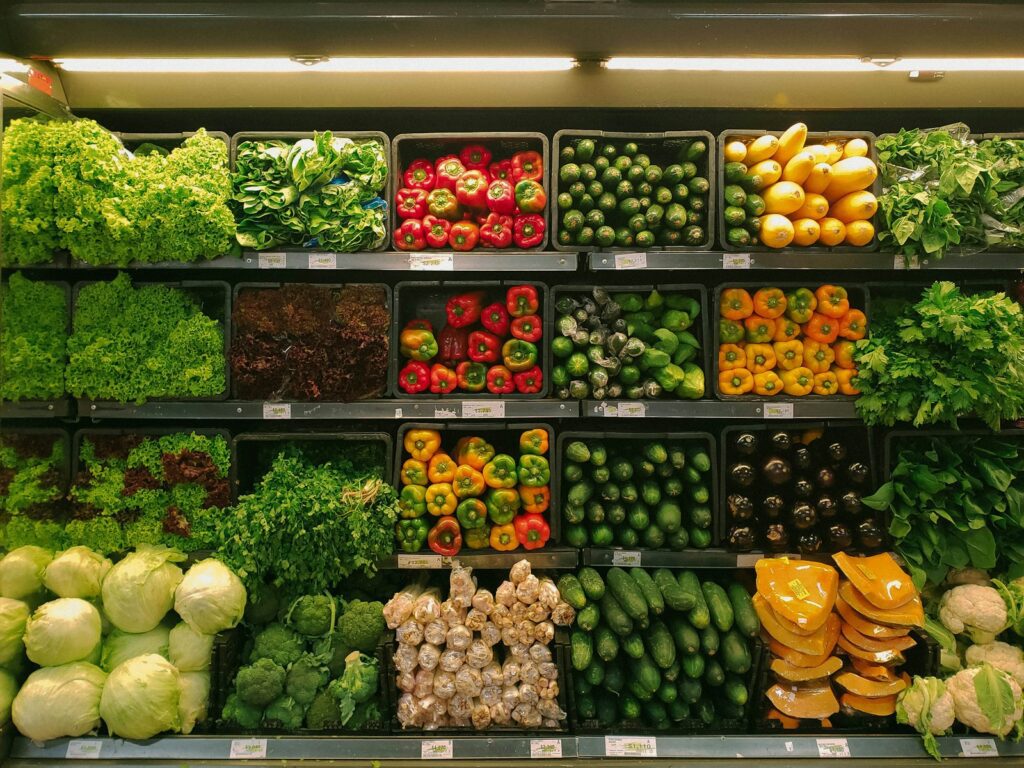
A giant bag of onions, a huge box of strawberries, or an oversized bag of salad greens looks like an obvious deal per pound, but fresh produce has a short window before it starts to spoil, mold, or wilt. Most households end up using the first portion and letting the rest go bad in the crisper drawer, which erases any savings from the bulk price. Buying only what you can realistically use within about a week, even if it costs slightly more per unit, tends to result in less actual waste and less money spent overall. For produce you do want to buy in bulk, freezing or preserving the extra immediately after purchase is a better strategy than hoping to eat through it in time.
Spices in Large Containers
Warehouse club spice containers are often five or ten times the size of a standard grocery store jar, which seems economical until you consider that ground spices lose potency well before most households can use through a container that size. Buying spices you use frequently, like salt, pepper, or cumin, in bulk can make sense, but a specialty spice used once or twice a year is rarely worth the oversized container. Sticking to smaller containers for infrequently used spices, and reserving bulk sizes for genuine daily staples, prevents a pantry shelf from filling up with barely touched jumbo jars.
Specialty Condiments and Sauces
A massive jar of a specific barbecue sauce or a gallon-sized bottle of a specialty dressing can seem like a good deal, but unless it’s something your household uses on a near-daily basis, much of it will likely go unused before quality declines or it expires. Once opened, many condiments have a shorter usable window than their unopened shelf life suggests, meaning a large size doesn’t necessarily buy you more time. Reserving bulk condiment purchases for genuine everyday staples like ketchup or mayonnaise, and buying smaller sizes of anything more occasional, helps avoid this particular waste.
Cleaning Supplies in Oversized Containers
Giant jugs of specific cleaning products can be genuinely economical for something used constantly, like laundry detergent, but for more niche cleaners used only occasionally, a bulk size can sit half-used for years. Some cleaning product formulas can also degrade or separate over very long storage periods, reducing effectiveness by the time you get to the bottom of an oversized container. Buying bulk sizes only for the cleaning products your household genuinely goes through quickly, and standard sizes for the rest, prevents an under-sink cabinet from filling up with barely dented jugs.
Snack Variety Packs
Bulk variety packs of snack bars, chips, or crackers seem efficient, but they often include flavors that not everyone in the household actually likes, which means certain items get picked over while others sit untouched at the bottom of the box. This results in a pantry that looks stocked but is actually full of the least popular flavors from pack after pack. Buying single-flavor bulk packs of proven household favorites, rather than variety packs with built-in guesswork, tends to result in less product going stale unwanted.
Paper Products Beyond Reasonable Storage Space
Bulk toilet paper and paper towels are a genuinely reasonable buy for most households, but buying more than your storage space can reasonably accommodate just shifts the problem from your wallet to your closets and hallways. Oversized paper product purchases stored in awkward spots — stairwells, closets meant for other things — can become a persistent clutter issue even though the product itself won’t expire. Measuring your actual available storage space before committing to the largest available bulk size helps avoid this particular kind of space-driven regret.
Vitamins and Supplements
Large bottles of vitamins or supplements can seem economical, but many have a limited shelf life once opened, with potency declining well before an oversized bottle is finished. Health habits and specific supplement needs also change over time, meaning a giant bottle bought during one wellness phase can easily outlast your interest or need for that particular product. Buying smaller quantities of supplements, especially any you’re trying for the first time, prevents a medicine cabinet from filling up with abandoned bottles from phases that didn’t stick.
Frozen Foods Beyond Your Freezer’s Realistic Capacity
A warehouse club freezer aisle can make it tempting to stock up heavily on frozen meals, vegetables, and proteins, but if your freezer doesn’t have the actual space to store everything properly, items end up crammed in ways that lead to freezer burn and forgotten, buried packages. Buying only what your freezer can comfortably hold with room to see and access everything tends to result in food that actually gets used rather than lost in the depths for months. If a bulk frozen purchase means items get pushed to the back and forgotten, the size wasn’t actually a good fit for your storage capacity.
Beauty and Skincare Products in Jumbo Sizes
Bulk-sized shampoo, lotion, and skincare products can be a good value for something you use daily without variation, but many people rotate between different products or try new ones frequently enough that a jumbo bottle outlasts their interest in it. Skincare products in particular can also change effectiveness or texture over long periods once opened, especially anything with active ingredients. Sticking to standard sizes for products you’re still testing, and reserving bulk sizes for tried-and-true daily basics, prevents a bathroom cabinet from accumulating half-used jumbo bottles.
Baking Ingredients for Occasional Bakers
A warehouse-sized bag of flour or sugar makes sense for someone who bakes weekly, but for households that bake only occasionally, these bulk staples often go stale, develop pantry pests, or simply take up shelf space for years before being used up. Flour in particular has a more limited shelf life than most people expect, especially once exposed to air after opening. Buying standard grocery store sizes unless you genuinely bake on a regular basis, and storing what you do buy in an airtight container, helps ensure baking staples actually get used while still fresh.