


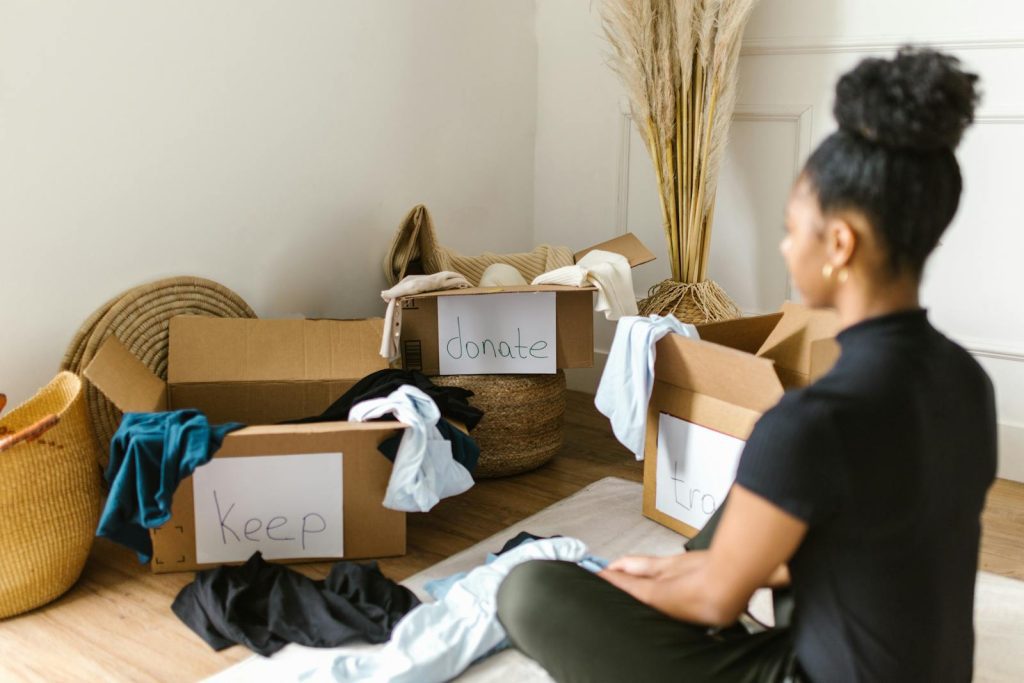
Kids outgrow clothes, toys, and gear fast, and those forgotten piles can quietly take over your home. Turning them into donations right now clears space for summer and gets useful items into other families’ hands. Here are 10 things your kids have outgrown that you can donate today, while also tapping into smart local services and stress-reducing decluttering strategies.
1) Outgrown Clothes

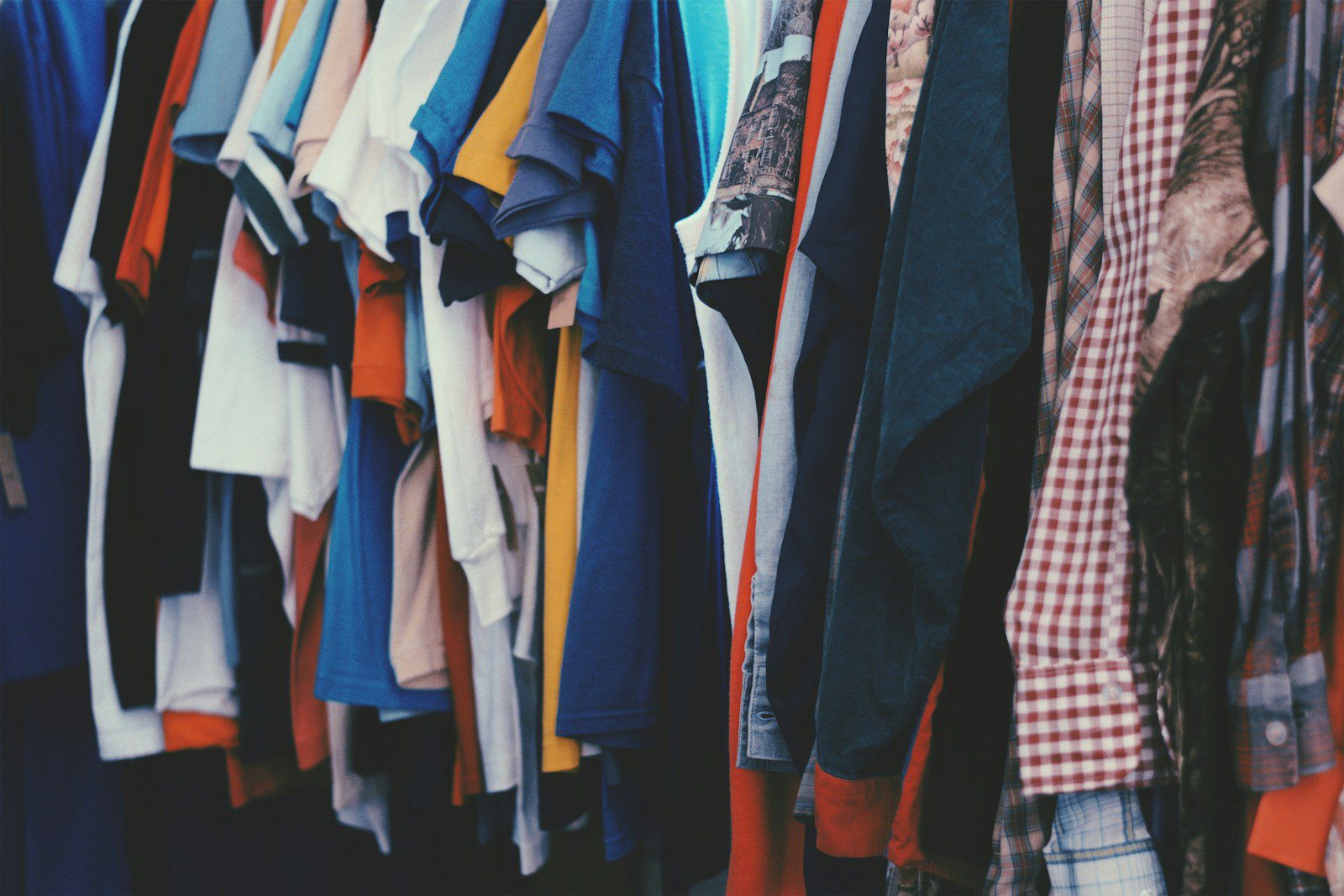
Outgrown clothes are usually the biggest and easiest win, because they leave closets packed with items your kids will never wear again. A new Seattle service exchanges your kids’ outgrown clothes for new things they need, proving that those tiny jeans and jackets still have real value. That kind of model shows how quickly children cycle through sizes and how much surplus clothing is sitting in family homes.
Even if you are not near Seattle, you can still move clothes into circulation. Guidance on what to do with the clothes your children have outgrown notes that the first thing you can do is donate them to a secondhand store, where another child can use them. Passing along clean, gently worn items supports local resale shops, school clothing drives, and mutual aid groups, while giving you back drawers and hangers for pieces that actually fit.
2) Outgrown Toys
Outgrown toys are another clutter hotspot, especially as kids shift from chunky blocks to intricate sets or from stuffed animals to board games. Advice on what to declutter for summer highlights 7 areas that need your attention now, and kids’ toys are one of the categories that tend to pile up. That guidance reflects a broader pattern, where playrooms and living rooms become storage zones for toys that no longer match your child’s age or interests.
Donating these toys, rather than letting them linger in bins, has clear benefits. Community centers, preschools, and shelters often welcome complete puzzles, dolls, and building sets in good condition. Some resale chains, such as Kid to Kid pays you CASH for your kid’s outgrown items, specifically look for gently used trendy styles and brands in like-new condition. Whether you choose donation or resale, moving toys along reduces visual noise at home and gives other families affordable access to quality playthings.
3) Outgrown Books
Outgrown books, from early board books to first readers, can quietly fill shelves long after your child has moved on to chapter novels. Seasonal guidance on how to declutter kids books notes that Today’s mission is to declutter kids books from bedrooms, playrooms, or any other living space where they accumulate. That focus mirrors broader summer decluttering advice that includes kids’ books among the key areas that need attention as you reset your home.
Donating these titles to school libraries, neighborhood little free libraries, or literacy nonprofits keeps stories circulating instead of gathering dust. When you let your child help choose which books to pass on, you also reinforce the idea that they are sharing favorites with younger readers. Clearing shelf space makes it easier to see and enjoy the books that still fit their reading level, and it signals that your home library evolves as they grow.
4) Outgrown Shoes
Outgrown shoes often linger in closets because they feel too “nice” to toss, even when toes are clearly cramped. Seasonal organizing advice on 20 easy things to get rid of today emphasizes that many households hold on to items they need to let go of in the summer, and kids’ shoes are a classic example. Sandals, sneakers, and dress shoes that no longer fit still take up the same footprint as current pairs.
Donating gently worn shoes to local clothing banks or school drives keeps them in active use. Some programs highlighted in lists of 7 things your kids won’t miss explain that Instead of tossing them in the trash, you can recycle them, and Many programs break down the materials to make things like playground surfaces or new shoes. If the shoes are too worn for donation, those recycling options still keep them out of landfills while you reclaim closet space.
5) Outgrown Baby Gear
Outgrown baby gear, from bouncers to bassinets, can dominate storage areas long after your last diaper change. Summer-focused decluttering checklists, such as The Summer Declutter Plan, stress that You do not have to organize your whole house to have a meaningful summer, but picking a few big categories to release has an outsized impact, and bulky baby items are prime candidates. These pieces are often used intensely for a short window, then sit untouched.
Before donating, confirm current safety standards for items like cribs, car seats, and high chairs, since some organizations only accept gear that meets up-to-date guidelines. Items that pass those checks can be invaluable to new parents facing steep startup costs. Passing along swings, carriers, and strollers not only frees your garage or attic, it also extends the life of expensive products that are designed to be durable.
6) Outgrown Sports Equipment
Outgrown sports equipment, including cleats, shin guards, and bats, tends to accumulate as kids sample different activities. Seasonal lists such as 20 things to declutter before summer is over underline that families often keep gear they no longer use, even when it takes up valuable space. Kids’ sports equipment fits squarely into that pattern, especially when each new season brings a different uniform or size.
Donating these items to community leagues, school teams, or recreation centers helps lower the barrier to entry for other children. Many organizations run gear swaps so families can trade up in size without buying everything new. Clearing out old helmets, pads, and uniforms also makes it easier to see what still fits, so you avoid last minute scrambles before practices and games.
7) Outgrown Art Supplies
Outgrown art supplies, from dried markers to kiddie craft kits, can quickly overwhelm drawers and bins. Summer decluttering guides such as the Summer Declutter Guide point out that Ready to feel lighter before summer starts means tackling categories that quietly build up, and kids’ art supplies are a frequent culprit. As children age, they often move from chunky crayons and finger paints to sketchbooks and more advanced materials.
Sorting these supplies into “still usable” and “past their prime” piles lets you donate unopened kits, extra crayons, and paper to classrooms, after-school programs, or community art spaces. Broken or dried-out items can be recycled or discarded, making room for tools that match your child’s current interests. A streamlined art station encourages creativity, because kids can actually find what they need without digging through clutter.
8) Outgrown Electronics
Outgrown electronics, such as kid tablets, starter cameras, or early learning devices, often end up in drawers once children graduate to more advanced tech. Broader decluttering advice on 75 things to declutter and let go of notes that Moving slowly and thoughtfully for a few minutes each day builds momentum while protecting your time and energy, and electronics are a category where that approach pays off. Sorting cords, chargers, and devices in small batches keeps the task manageable.
Many charities and refurbishing programs accept working electronics, especially when they can be wiped and reset for new users. Schools, tutoring centers, and youth programs may welcome kid-friendly tablets or e-readers that still function well. Donating these items not only clears clutter, it also supports digital access for families who might not be able to purchase devices at full price.
9) Pandemic Stress Inducers like Extra Toys
Pandemic stress in kids has been linked to disrupted routines and crowded home environments, where every surface feels busy. Guidance on 10 parenting strategies to reduce your kids’ pandemic stress includes decluttering outgrown items as one way to create calmer spaces. Extra toys that your child no longer plays with can act as constant visual reminders of earlier, more chaotic months spent entirely at home.
Donating those toys, especially when you involve your child in the decision, can be framed as an act of generosity rather than loss. Choosing a local charity or community group together helps kids feel agency and pride. As shelves and floors clear, children gain room for current interests and quieter play, which supports the broader stress reduction strategies that focus on predictable routines and soothing environments.
10) Pandemic Stress Inducers like Unused Books
Unused books that your child has clearly outgrown can also contribute to a sense of overload, particularly if they are stacked in bedrooms or study areas. The same set of summer decluttering strategies that flag kids’ books as an area needing attention aligns with recommendations to reduce kids’ pandemic stress by simplifying their surroundings. When shelves are crammed, it is harder for children to find the stories and resources that actually support their current learning.
Donating early readers and picture books to literacy programs, daycare centers, or neighborhood book boxes turns that clutter into community support. Curating a smaller, age-appropriate collection at home can make reading feel more inviting and less like another task. As with toys, involving kids in choosing which titles to share reinforces a sense of control and kindness, both of which are important for easing lingering stress from the pandemic years.
More from Decluttering Mom: