


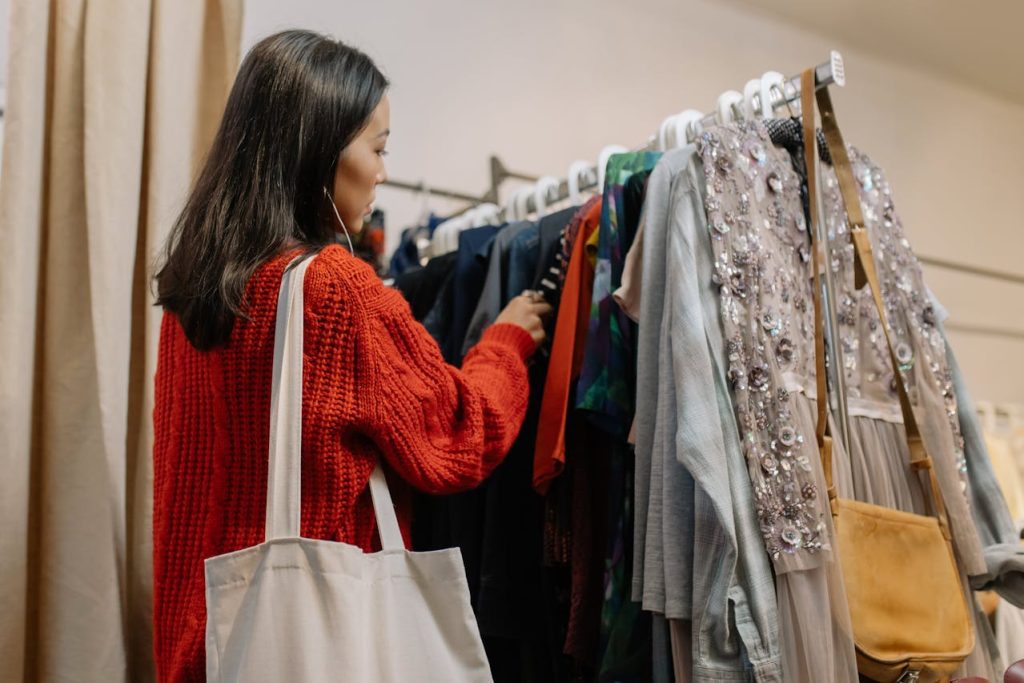
Thrifting is more than just a fun pastime; it’s a treasure hunt where you could potentially discover valuable antiques hidden beneath piles of discarded items. Thrift stores, flea markets, and garage sales are often bursting with overlooked treasures waiting to be found. But for the untrained eye, it can be challenging to separate the truly valuable antiques from the ordinary bric-a-brac. That’s where I come in. Over the years, I’ve honed my skills and developed a keen eye for spotting valuable antiques, and I’m eager to share my insider tips with you. The key ingredients to successful thrifting for valuables are knowledge, patience, keen observation, and a bit of luck. Let’s dive into the 10 tips that will help you spot valuable antiques at thrift stores.
Understanding the Basics of Antiques
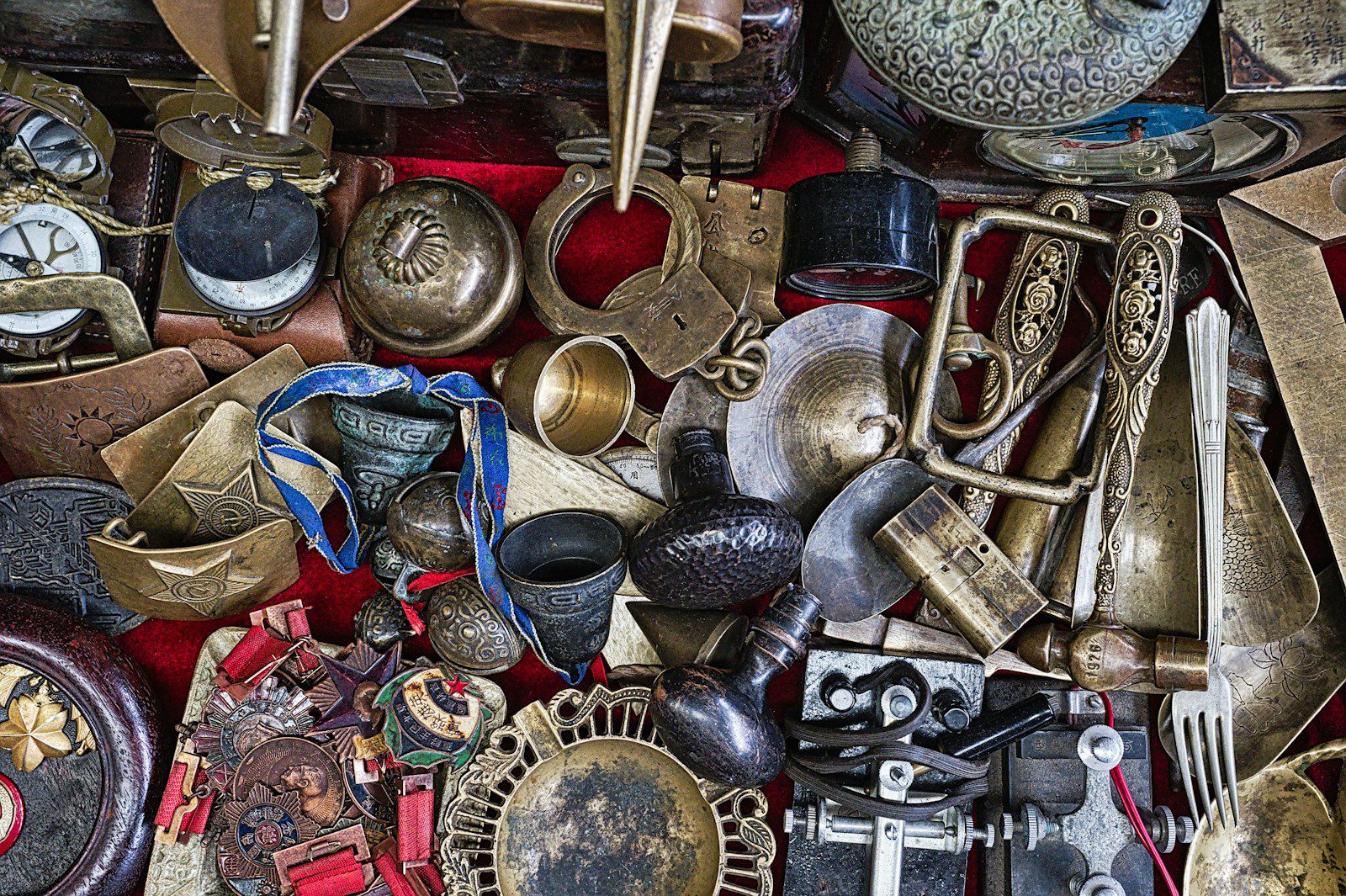
Before you start your thrifting adventure, it’s crucial to understand what makes an item an antique. Generally, an item is considered an antique if it’s at least 100 years old. However, some items might be younger but still valuable due to their rarity, workmanship, or association with a significant event or person. I recommend familiarizing yourself with the basics of antiques by reading books or online resources such as this comprehensive guide.
Learning about Different Types of Antiques
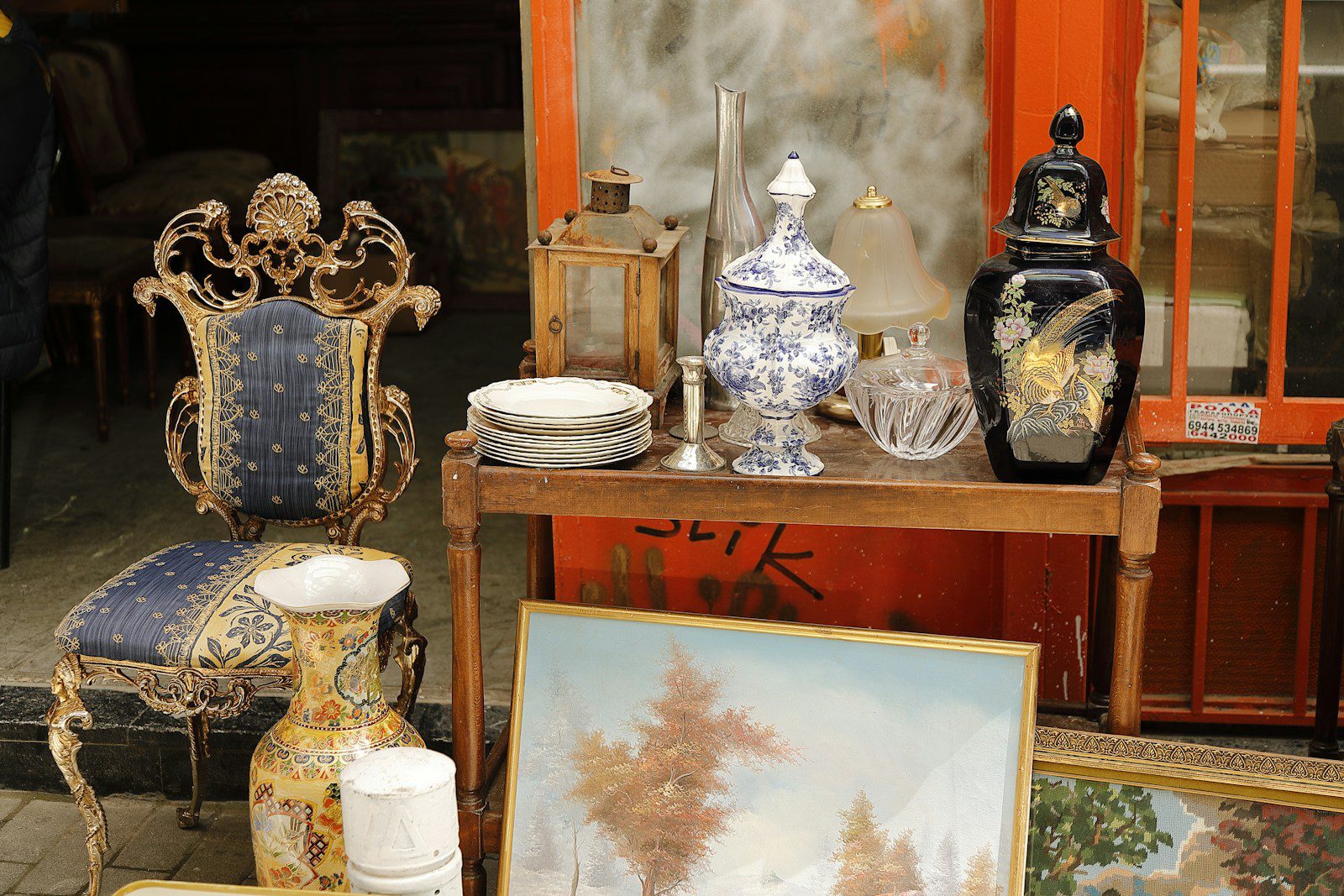
There’s a world of diverse types of antiques out there, from furniture, ceramics, jewelry, to books and toys. Each category has its unique characteristics, history, and value. For instance, if you’re into ceramics, you should learn about the different types of pottery, porcelain, and stoneware, and the specific marks and styles associated with each type. A great way to educate yourself is by visiting antique fairs and museums or by subscribing to antique collector magazines. There’s also a wealth of information online, like this scholarly article that provides an overview of different types of antiques.
Researching Antiques Before Shopping

Before hitting the thrift stores, it’s wise to do some preliminary research. This will help you identify potential valuable items and give you an edge when negotiating prices. Look for current trends in the antique market, which items are in demand, and the average prices. You can find this information by browsing online auction sites, attending antique shows, and reading antique collector blogs and forums.
Recognizing Quality Craftsmanship in Antiques

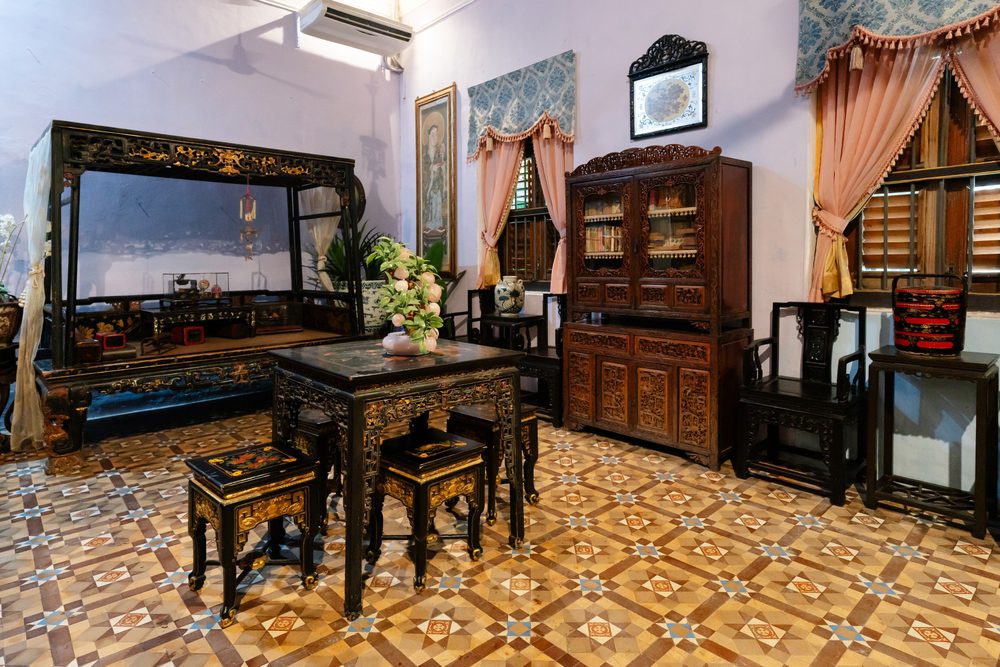
Quality craftsmanship is often a telltale sign of a valuable antique. Look for items that are well-made, with attention to detail and made from high-quality materials. For example, antique furniture should be sturdy, with dovetail joints and made from solid wood. Also, pay attention to the design and style of the item. An item that reflects a specific design movement or period, like Art Deco or Victorian, could be more valuable.
Spotting Authentic Antique Marks

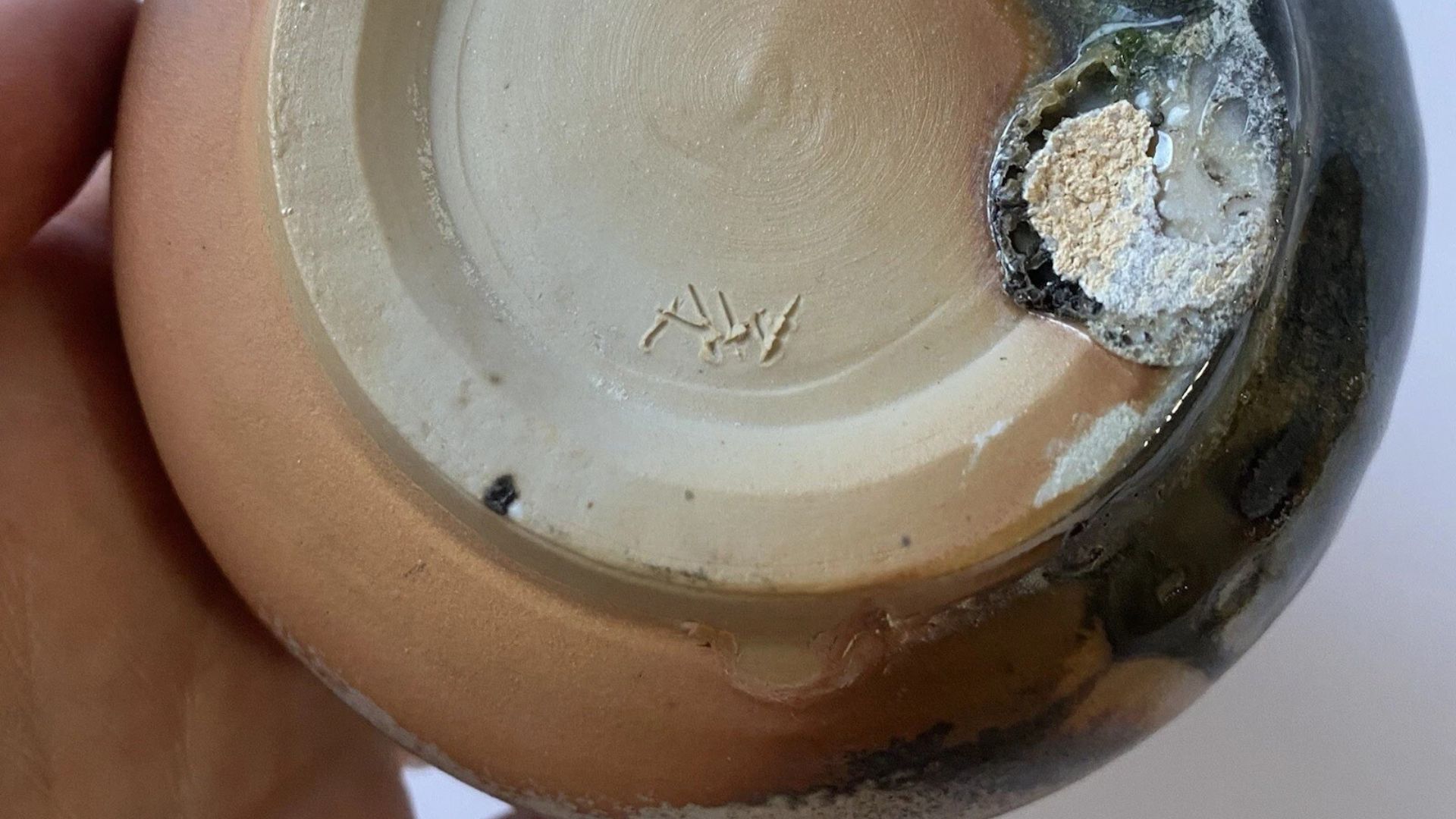
Many antiques bear maker’s marks, signatures, or hallmarks that can help confirm their authenticity and sometimes even date them. For instance, pottery and porcelain often have marks at the bottom, while silverware has hallmarks. Learning to recognize these marks is key to spotting valuable antiques. This guide provides valuable tips on spotting valuable silverware.
Checking the Condition of the Piece
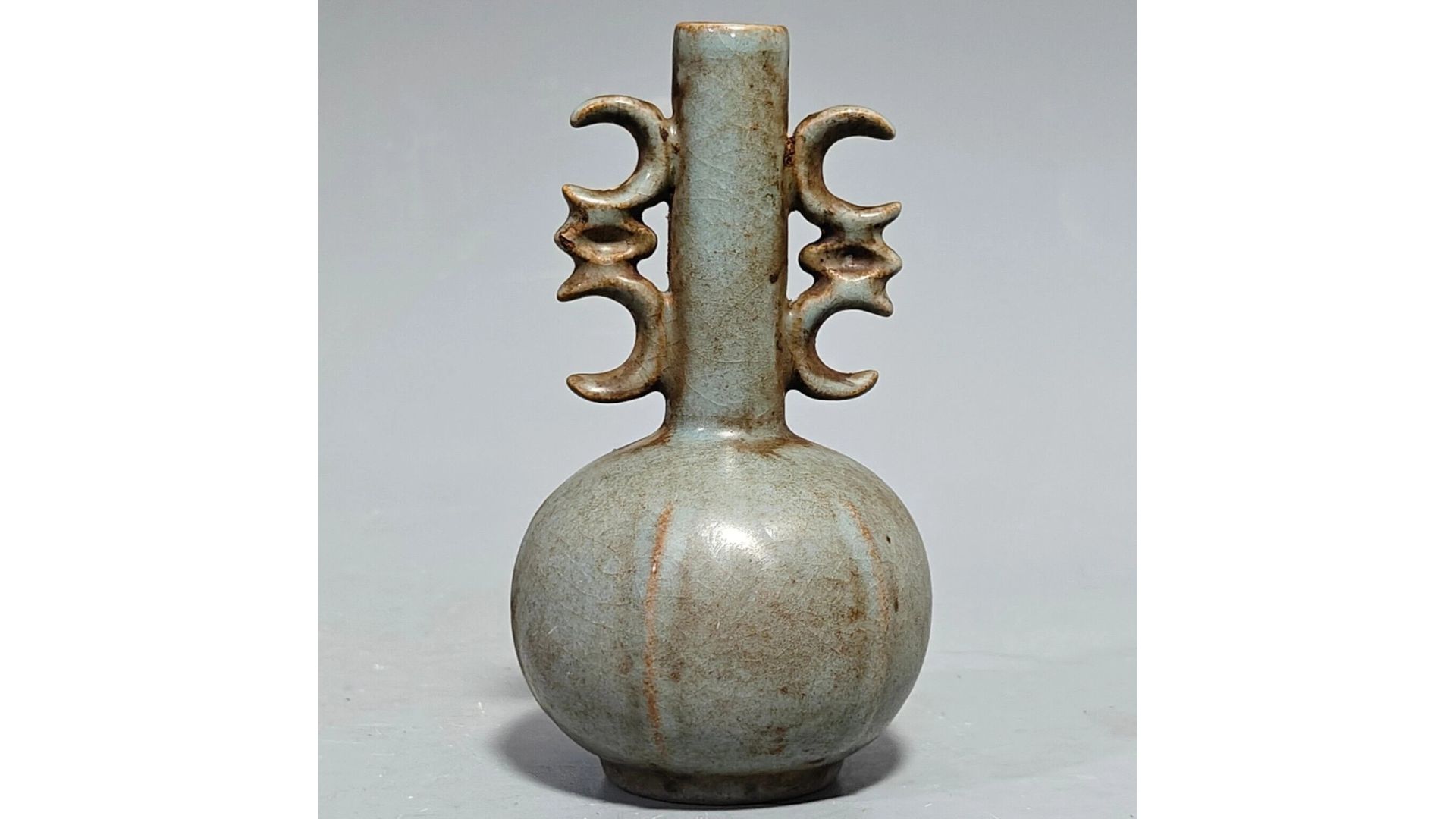
The condition of an antique plays a significant role in its value. While minor wear and tear can add character to an item, serious damages like cracks, missing parts, or extensive repairs can greatly reduce its value. Always inspect the item carefully and ask to see it under good lighting if possible.
Taking Note of Rarity and Desirability


The rarity and desirability of an antique can significantly increase its value. Unique items, limited editions, and items from renowned makers are usually more desirable. Also, items that reflect a particular time period, like mid-century modern furniture or Art Nouveau jewelry, can be highly sought after.
Using Technology to Your Advantage


Technology can be a valuable tool in your antique hunting journey. There are several apps and websites that can help identify, authenticate, and value antiques. You can also use your smartphone to quickly look up information or compare prices while you’re at the thrift store.
Negotiating the Price


Don’t be afraid to negotiate the price when you find a potential antique treasure. Thrift stores often price their items based on a quick assessment, and they may not recognize the true value of an antique. Be polite, but assertive, and remember that it’s okay to walk away if the price is too high.
Trusting Your Gut Instinct

Finally, trust your gut instinct. If something catches your eye and you have a good feeling about it, it might be worth taking a closer look. Your intuition, combined with your knowledge and research, can often lead you to incredible finds. Remember, thrifting for antiques should be a fun and rewarding experience. Happy hunting!