



From fax machines to paper phone books, a surprising amount of yesterday’s tech still lingers in our homes and offices—quietly eating space, time, and sometimes security. Streaming, smartphones, and cloud tools have made many once-essential gadgets redundant, yet habits (and dusty storage closets) keep them around.
Below is a clear-eyed look at 10 legacy devices that are past their prime. For each, you’ll see why people still buy or keep them, what they really cost in convenience and risk, and the smarter modern alternatives.
The picks are informed by industry reports, expert guidance, and long-term usage trends—so you can declutter confidently and upgrade where it actually matters.
1. Fax Machines


Once an essential fixture in offices worldwide, the fax machine is steadily becoming a relic. Despite its declining status, many businesses continue to maintain and use these machines for sending and receiving documents, overlooking the fact that this technology has been largely superseded by email and other digital communication tools. Today, the trend is toward digital transformation, with businesses phasing out outdated technology in favor of more efficient, secure, and cost-effective alternatives. Fax machines not only take up valuable office space, but also pose potential security risks, as faxes can easily be picked up by the wrong person. Experts recommend transitioning to secure email or cloud-based document sharing platforms.
2. CD Players

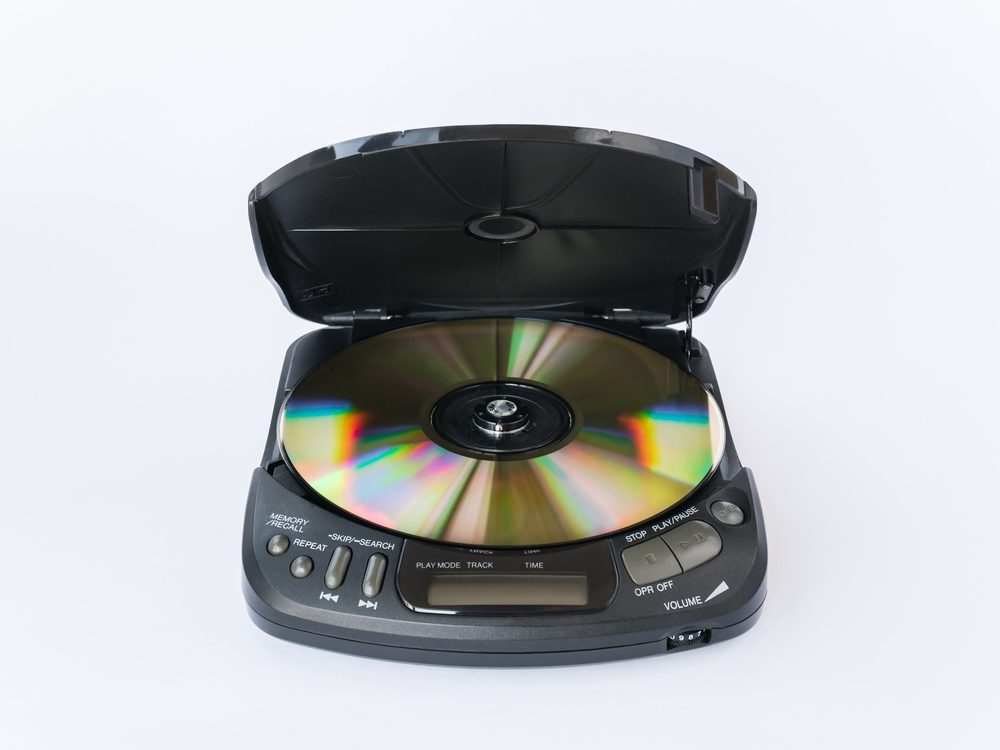
CD players, once a staple in every music lover’s home, are now often overlooked in favor of digital music streaming services. Despite this, many people continue to buy and use CD players, citing the superior sound quality and the pleasure of owning physical media. However, the trend clearly points toward digital music, with platforms like Spotify and Apple Music offering vast libraries at a fraction of the cost of CDs.
3. Landline Telephones

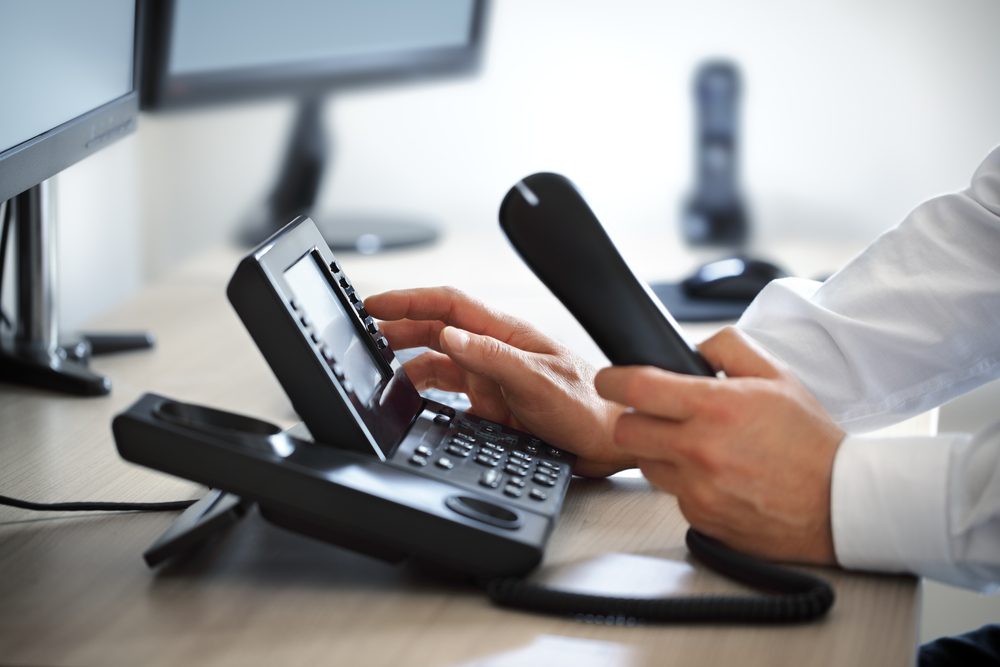
Despite the near-ubiquity of mobile phones, many households and businesses still maintain a landline telephone. Some keep their landlines due to habit, or because they believe it offers superior call quality or emergency service reliability. Yet, the market trend shows a steady decline in landline use. Mobile phones not only offer the same functionality, but also mobility, internet access, and a host of other features.
4. GPS Navigation Devices


GPS navigation devices were once a must-have for drivers. However, with the advent of smartphones equipped with reliable navigation apps like Google Maps and Waze, many drivers are overlooking standalone GPS devices. Current trends suggest that the value of GPS devices is dwindling, with smartphones offering real-time traffic updates and more comprehensive, frequently updated maps. For background on dedicated sat-navs versus phone-based navigation, see this overview of satellite navigation devices.
5. Point-and-Shoot Cameras
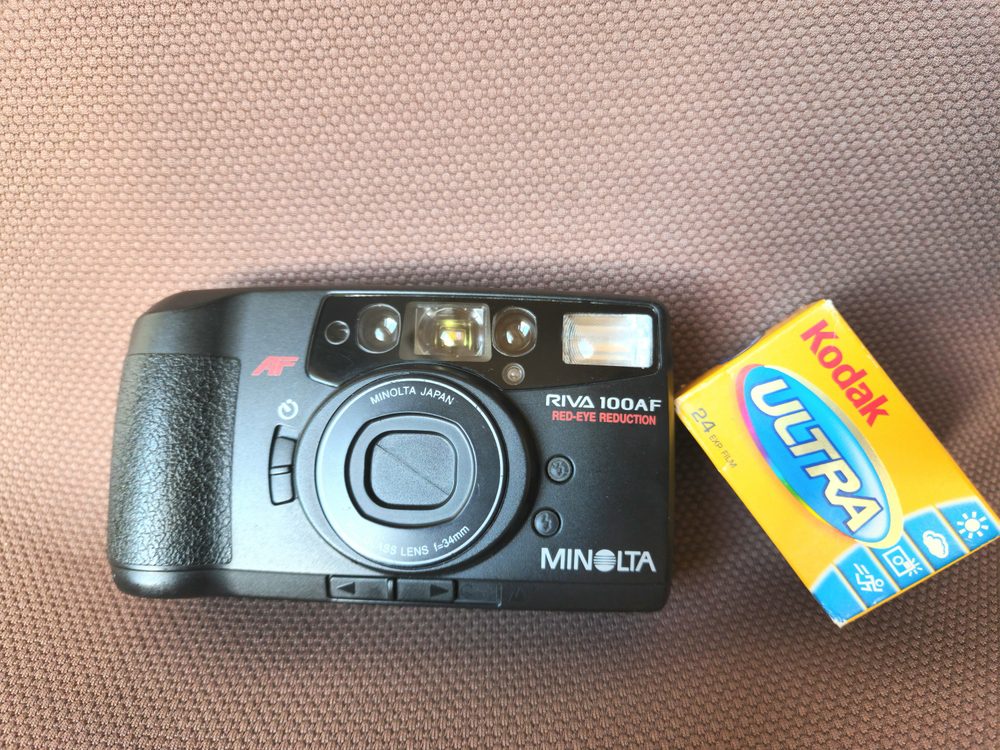
Point-and-shoot cameras have long been a favorite for capturing high-quality photos. However, many consumers are now overlooking these cameras in favor of smartphone cameras, which offer comparable image quality and the convenience of having a camera always at hand. Industry trends show that point-and-shoot camera sales are declining, with smartphones dominating the market. Not only do modern smartphones take excellent photos, they also offer a plethora of editing tools and sharing options.
6. DVD Players

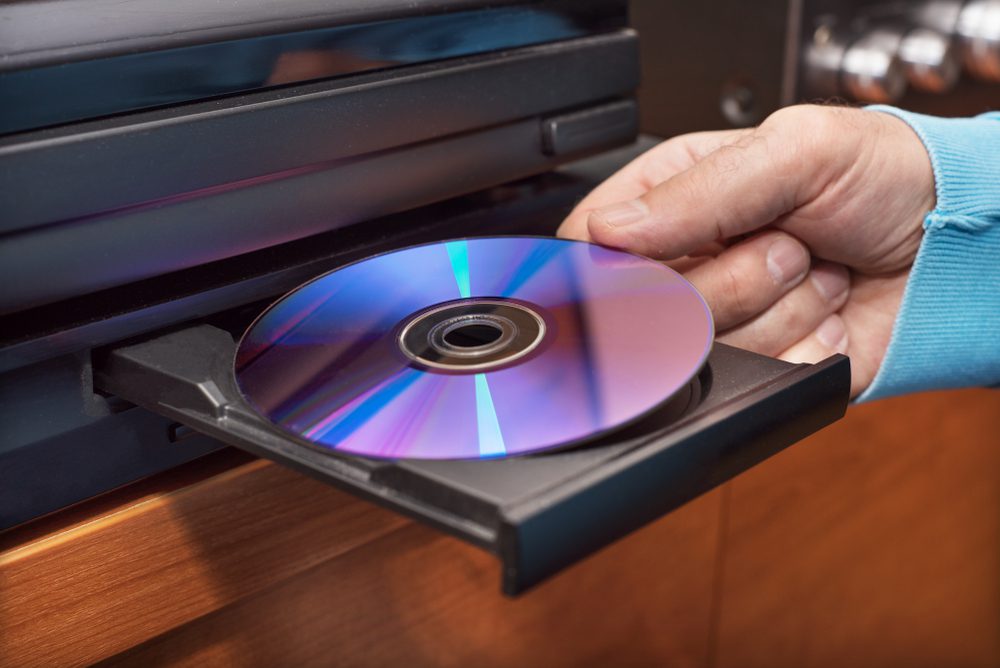
DVD players, once a home entertainment essential, are now often overlooked as streaming services like Netflix and Amazon Prime Video offer a more convenient way to watch movies and TV shows. Despite this, some people still buy DVD players to watch their collection of physical media. However, market trends indicate a broad shift toward digital, with streaming offering greater variety and accessibility.
7. Traditional Alarm Clocks


Traditional alarm clocks have been a bedroom staple for decades. However, with the advent of smartphones that offer alarm functionality, many people no longer see the need for a separate device to wake them up in the morning. The trend toward using smartphones as alarm clocks is growing, with many appreciating the convenience of a single device.
8. Paper Maps


Once an essential tool for navigating unfamiliar territory, paper maps are now often overlooked in favor of digital maps and GPS navigation systems. Despite this, some people continue to use paper maps, citing their reliability in areas with poor cell service. However, the trend toward digital navigation is clear, with digital maps offering real-time updates and easy route planning.
9. Traditional Calculators
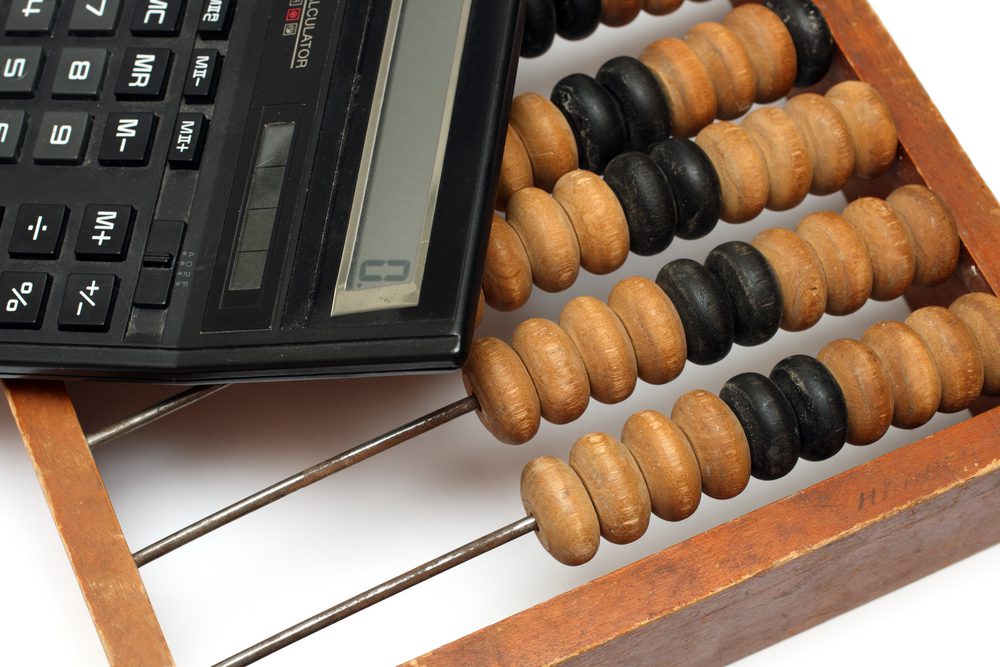
Traditional calculators, once a staple in classrooms and offices, are now often overlooked in favor of smartphone calculator apps or online tools. Despite this, some people continue to use traditional calculators, particularly in educational settings where smartphones may be prohibited.
10. Paper Phone Books

Once a staple in every household, paper phone books are now often overlooked in favor of online directories or simply searching for contact information on the internet. Despite this, some people continue to use paper phone books, particularly older generations who may be less comfortable with digital tools. However, the trend toward digital directories is clear, with many appreciating the convenience and immediacy of online search.