



When you’re diving into the world of vintage shopping, it’s easy to get excited about finding unique pieces with history. However, not everything labeled as vintage is genuinely old or authentic, which can make your hunt tricky.
Knowing how to spot fake vintage finds helps you avoid costly mistakes and build a collection you can truly trust. This guide will give you practical tips to recognize real vintage items and avoid common pitfalls when browsing shops, markets, or online listings.
Verify if the piece mixes incompatible styles from different eras


When you spot a vintage item, check if its style matches the era it claims to be from. Sometimes, fake pieces mix design elements from different periods that don’t belong together.
For example, a Victorian dress with modern zippers or an Art Deco lamp with features from another century can be a warning sign.
Trust your eyes—authentic vintage usually sticks to the materials and construction styles of its time.
Check for aged hardware like screws—Phillips screws indicate a post-1930s piece


When you look at screws on vintage furniture, it can tell you a lot about its age. Phillips-head screws were introduced in the 1930s.
If you find Phillips screws, the piece is likely from the late 1930s or later. This helps you avoid mistaking newer items for true antiques.
Also, handmade or early machine-made screws will look uneven or irregular. Keep this in mind to spot more genuine vintage finds.
Look for consistent wood types matching the period style


When you inspect a vintage piece, check if the wood type matches the era it’s supposed to come from. Different periods favored different woods, like mahogany in the 18th century or oak in rustic farmhouse furniture.
If you spot mismatched wood or patches with a different grain or color, it might be a sign of repair or a fake.
Consistency in wood helps maintain the piece’s authenticity and tells you a lot about its history.
Inspect label authenticity and care tags on clothing or accessories


You should closely examine the labels when checking vintage items. Authentic vintage labels often show signs of age and may use odd sizing numbers like 3, 5, or 7.
Look for original care tags, which became common in the 1970s. Their presence or absence can help date the piece.
Labels with clear logos, stitching, and fabric accuracy usually indicate the item is genuine. If the label looks new or poorly attached, be cautious.
Feel the texture—real vintage glass often has an oily or greasy feel


When you hold vintage glass, you might notice it feels a bit oily or greasy. This happens because of natural chemical changes, residue from production, or minerals like iron oxide in the glass.
You may also find a slightly satiny or slippery surface, especially on older pieces stored for a long time. This texture helps you tell genuine vintage glass from newer reproductions.
Examine wear patterns that naturally occur over decades
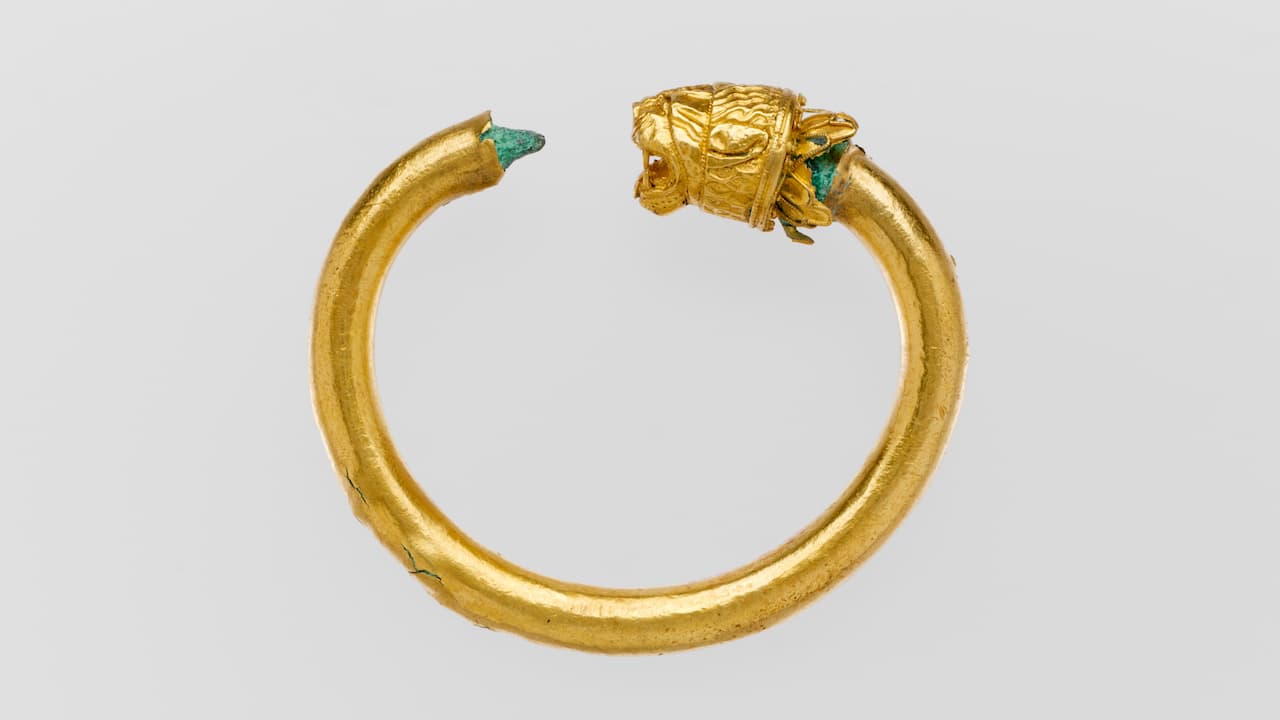
When you look at vintage items, pay close attention to wear patterns. Genuine wear happens unevenly, often in places that get frequent use, like cuffs, collars, or edges.
If the wear looks too perfect or symmetrical, it might be fake. Real age shows subtle signs of fading, fraying, or even tiny repairs.
Look for natural discoloration and fabric thinning, which develop over time. These details help you tell if your piece has truly stood the test of time.
Smell the item for old wood or fabric scents, not chemical odors
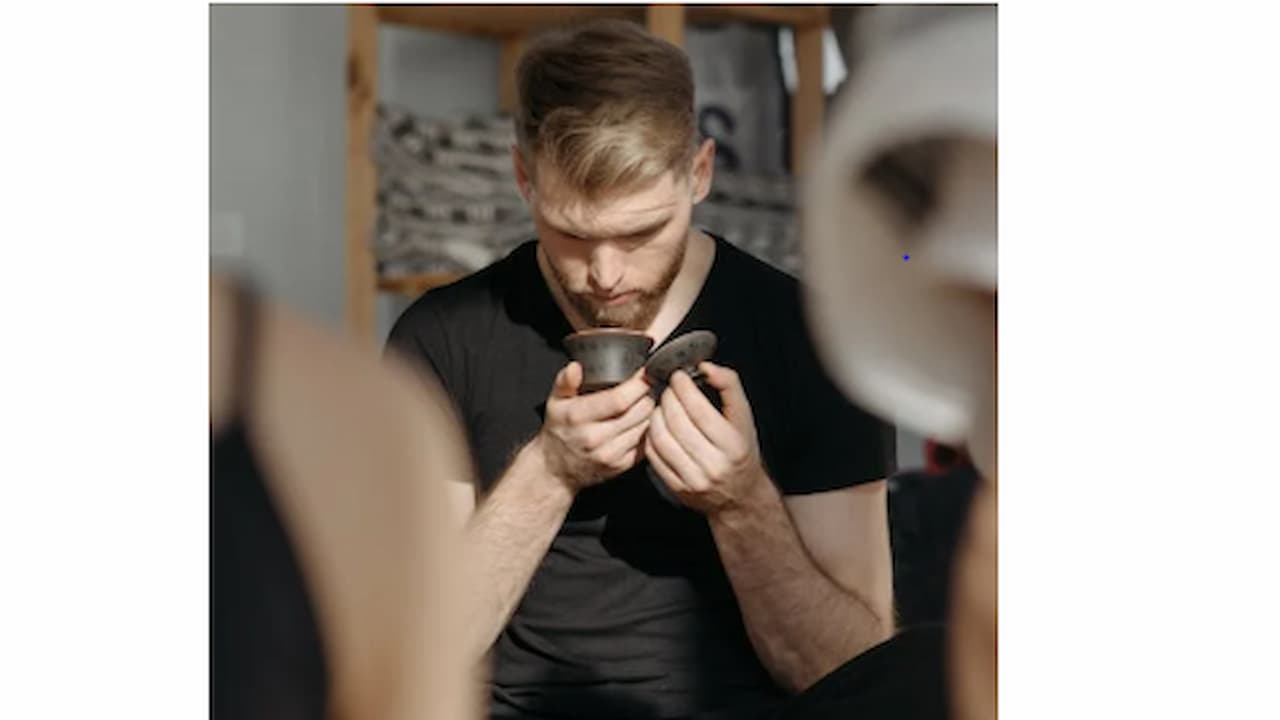
When you check vintage items, take a moment to smell them carefully. Genuine vintage pieces often have a subtle, musty scent from old wood or worn fabric.
If the smell is too sharp, like chemicals or paint, it might be newly manufactured or heavily restored.
Trust your nose—authentic vintage smells tell you the item’s true age and history.
Assess the patina on metals and wood for genuine aging
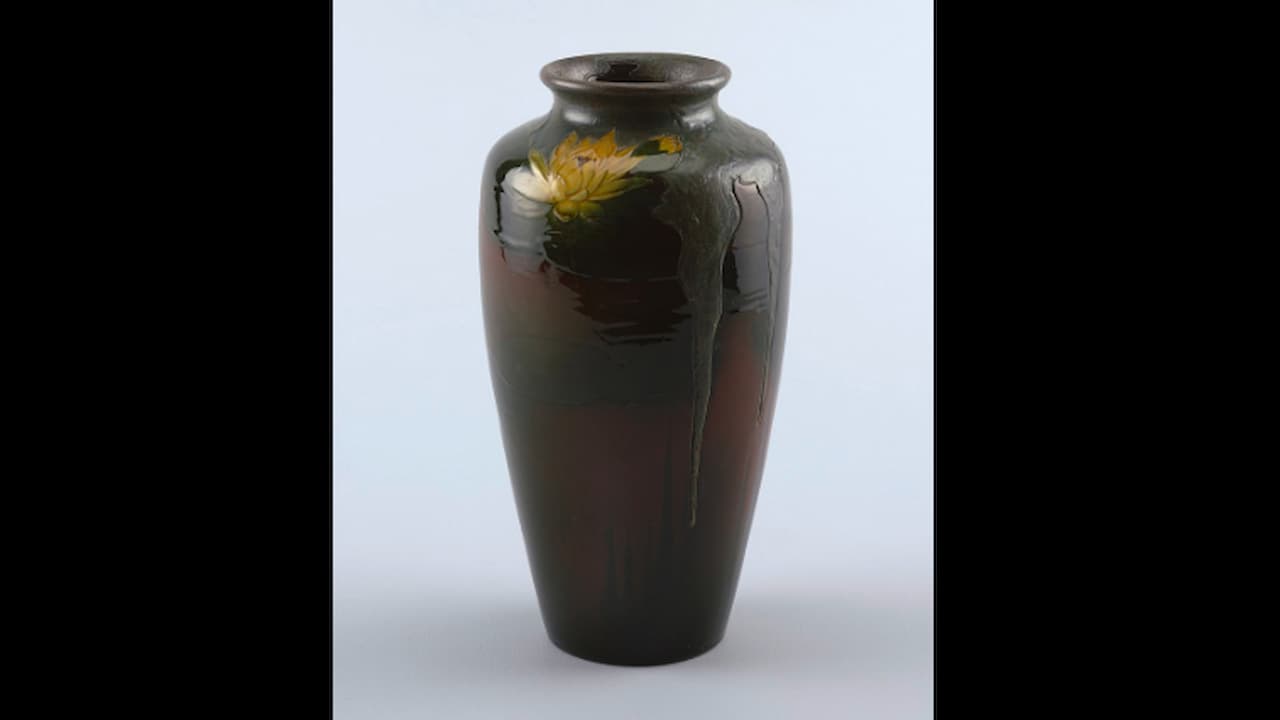
When you examine vintage pieces, look closely at the patina. Authentic patina is uneven and organic, with darker spots in crevices and lighter areas on raised surfaces.
For wood, check for a muted or slightly greyish hue that comes with age and exposure. On metal, you want to see natural wear, not just a uniform finish.
If the patina looks too perfect or uniform, it might be a sign the item was artificially aged or refinished. Your careful eye helps spot real aging.
Consult certified appraisers or antique dealers for expert opinions
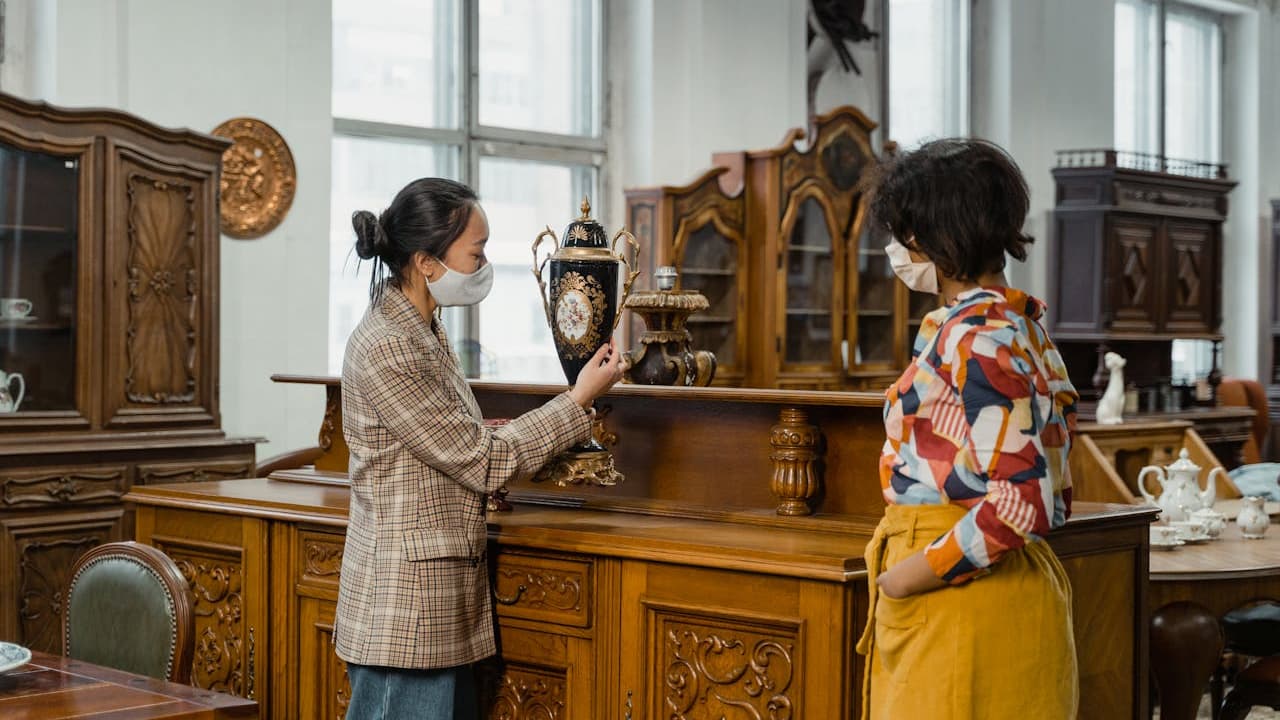
If you’re unsure about an item’s authenticity, reaching out to a certified appraiser can help. These professionals have the training and tools to spot details you might miss.
Antique dealers with a solid reputation can also provide valuable insights. They can share their experience and help you avoid costly mistakes.
Always look for appraisers with recognized credentials. Their expert opinions can add confidence to your vintage finds.
Look for imperfections like hand-tool marks rather than machine precision

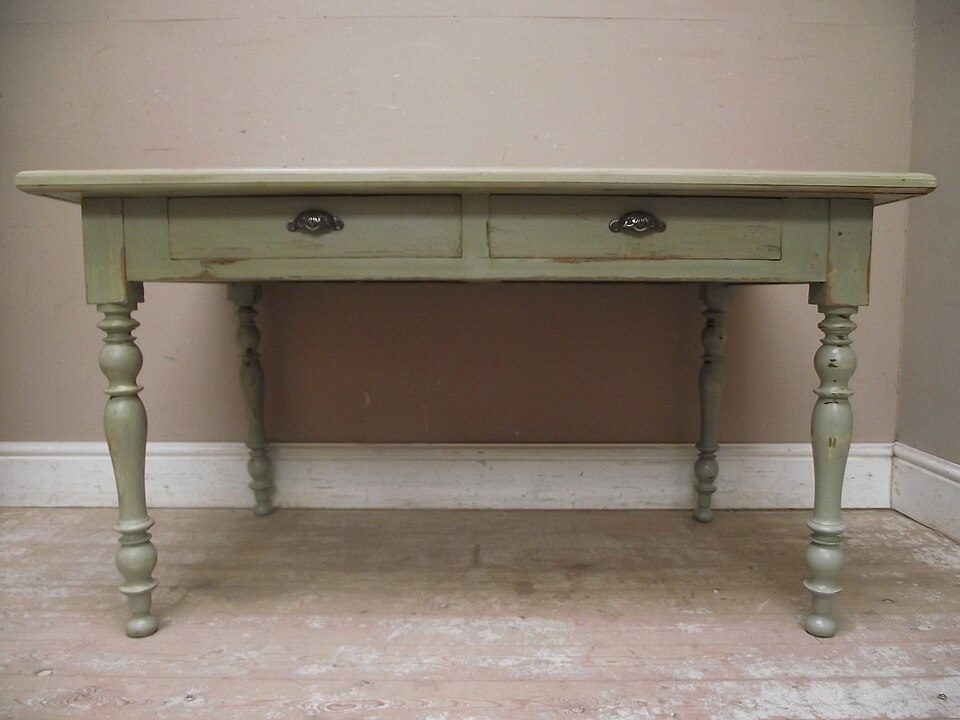
When you examine a vintage item, pay close attention to small imperfections. Hand-tool marks, like uneven cuts or slight scratches, often show the piece was made by hand. These marks add character and indicate authenticity.
Machine-made items tend to have perfect, uniform edges and surfaces. If your find looks too flawless, it might be a reproduction. Trust your eye to spot those subtle flaws that come from manual work.