


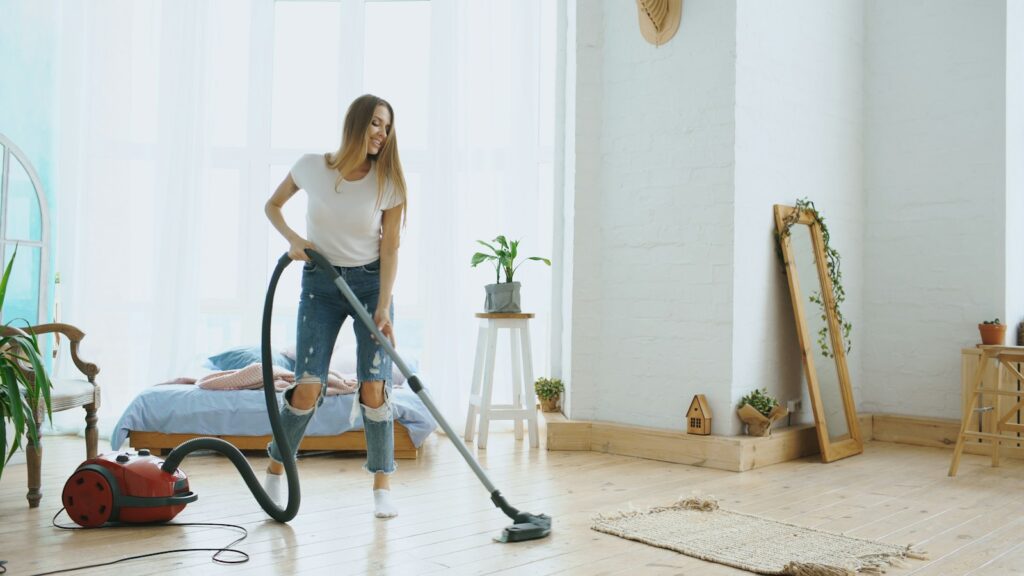
Cleaning day feels productive by definition. You’ve got the spray bottle in hand, music on, surfaces gleaming — surely that counts as progress. But a few of the habits that feel the most thorough are actually working against you, spreading germs around instead of removing them, or leaving behind residue that attracts dirt right back.
The good news is that fixing these doesn’t mean cleaning more. In most cases it means cleaning slightly differently, in an order or with a method that actually finishes the job instead of just rearranging the mess. Here are eleven habits worth reconsidering.

Using One Rag for the Whole House
Grabbing the same cloth to wipe the kitchen counter, then the bathroom sink, then a doorknob, feels efficient, but it just relocates bacteria from one surface to the next instead of removing it. This is especially risky moving from a bathroom to a kitchen surface. Keep a small stack of color-coded cloths — one for kitchen, one for bathrooms, one for general dusting — and toss them in the wash after each use rather than draping them over the faucet to reuse indefinitely. It sounds fussier than it is once you get a rhythm going.
Spraying Cleaner Directly Onto the Surface
It feels natural to spritz the counter and wipe, but most disinfectants need a certain amount of contact time on the surface to actually kill germs, and spraying straight onto a surface you immediately wipe dry often cuts that time short. The CDC’s guidance on home disinfection notes that surfaces need to stay visibly wet for the period listed on the product label to be effective. Spraying the cloth instead of the surface, or spraying and letting it sit before wiping, actually gets the job done rather than just making things smell clean.
Dusting With a Dry Cloth
A dry rag or feather duster mostly just stirs dust into the air and sends it back down onto the same surfaces a few minutes later, which is why a freshly dusted room can look dusty again by the next day. A slightly damp microfiber cloth actually traps particles instead of scattering them. If you’re using a duster, look for one specifically designed to hold onto dust rather than a traditional feather one, and always dust before vacuuming so anything that does fall gets picked up rather than resettling on the floor.
Vacuuming Before Dusting
This is the flip side of the last point: if you vacuum the floor first and then dust the shelves, everything that gets knocked loose during dusting lands right back on a floor you already cleaned. Working top to bottom — ceiling fans and shelves first, then surfaces, then floors — means gravity is doing your cleanup for you instead of undoing it. It’s a small reordering that takes zero extra time but noticeably extends how long a room stays looking clean.
Overloading on Cleaning Product
More soap doesn’t mean more clean; it usually means more residue left behind once the water evaporates, and that sticky film actually attracts new dust and dirt faster. This shows up most on floors and glass, where a heavy-handed pour leaves a hazy or tacky finish no amount of buffing seems to fix. Following the dilution ratio on the label, and using less than feels satisfying, almost always gives a better result along with saving product and money over time.
Ignoring the Vacuum Filter and Bag
A vacuum with a full bag or a clogged filter loses suction, which means it’s pushing dust and allergens back into the air instead of capturing them, even while it sounds like it’s working hard. Most manufacturers recommend emptying bagless canisters after every use and checking filters monthly, more often in a home with pets. A vacuum that seems to be “not picking things up like it used to” is very often just asking for a filter change rather than a replacement.
Cleaning the Counter With a Dirtier Sponge
Wiping down an already-clean counter with a sponge that’s been sitting wet by the sink for two weeks can leave the counter with more bacteria than it started with. If the sponge itself hasn’t been refreshed recently, it’s doing more redistributing than cleaning. Swapping it out regularly, and keeping a separate one strictly for dishes versus counters, keeps this from becoming a hidden source of recontamination.
Mixing Cleaning Products
Combining bleach with ammonia-based cleaners, or bleach with vinegar, creates toxic fumes that can cause real respiratory harm, and it happens more often than people realize when someone layers one product on top of another without rinsing in between. Public health guidance is unambiguous that bleach should never be combined with other cleaning chemicals. Sticking to one product per task, rinsing thoroughly with plain water before switching to a different cleaner, and never assuming “more cleaners at once equals more clean” avoids the risk entirely.
Reusing the Same Mop Water for Every Room
Mopping the kitchen, then the bathroom, then the hallway with the same bucket of water just means you’re mopping later rooms with dirtier water than you started with, which can leave streaks and haze rather than a clean floor. Changing the water at least once partway through a whole-house mop, or whenever it visibly clouds, makes a noticeable difference in the finished result, especially on light-colored flooring where residue shows.
Cleaning Bathrooms Before the Kitchen
It seems like it shouldn’t matter which room comes first, but starting with the bathroom and moving to the kitchen with the same supplies and cloths risks cross-contaminating food-prep surfaces with bathroom germs. Working from the least-dirty spaces toward the most-soiled ones — generally bedrooms and living areas, then kitchen, then bathroom last — keeps germs traveling in one direction instead of getting spread around the house.
Skipping the Rinse Step
Wiping cleaner on and immediately drying it off without ever rinsing leaves chemical residue behind on counters, tables, and floors, which then attracts dust and can transfer onto hands and food. This is especially true for all-purpose sprays used on kitchen surfaces where kids’ hands and food end up right after. A quick pass with a water-dampened cloth after the cleaning step removes that residue and actually leaves surfaces cleaner, not just shinier.