

Moving is already a stressful task without having to worry about what to pack. When it comes to clothing, we all tend to hoard things we don’t necessarily need or use. Clearing out your closet can seem overwhelming, but it’s an important step in the moving process. In this post, we’ll discuss 11 types of clothing items that you shouldn’t bother packing for a move. By leaving these items behind, you’ll lighten your load and make your move just a little bit easier.
1. Outdated Clothing


We all have those pieces in our wardrobe that we’ve held onto for years, hoping they’ll come back in style. But, if you haven’t worn them in the past year, it’s time to let go. Moving is an excellent opportunity to declutter and get rid of these outdated pieces. Donating or selling them can even provide you with some extra cash.
For example, those flared jeans from the early 2000s or the neon windbreaker from the 90s might not be your best fashion choices today. Instead of taking them with you, consider donating them to a local thrift store or selling them online. This will not only lighten your moving load, but you’ll also be aiding in the recycling of clothing.
2. Ill-Fitting Clothing

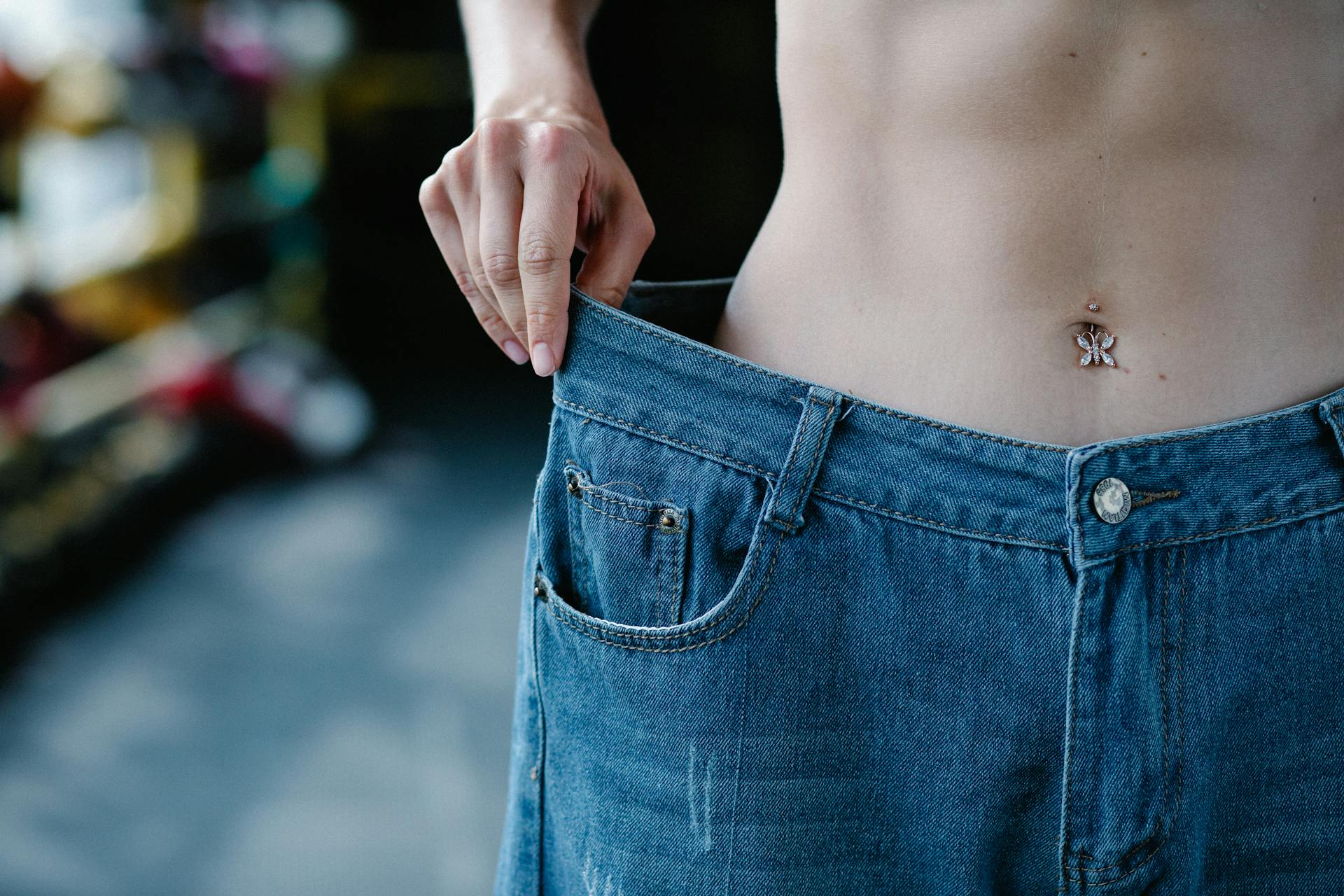
Clothing that no longer fits you properly should also be left behind. Whether it’s too big, too small, or just doesn’t flatter your figure, ill-fitting clothing is just taking up valuable closet space. Plus, moving with them means you’re moving with unnecessary items.
For instance, if you’ve recently lost or gained weight, you might have clothes that no longer fit you well. Instead of clinging onto them, consider giving them a new home. You can donate them to charities or even host a swap party with friends. This way, you’re not only decluttering but also helping someone else in need.
3. Damaged Clothing


We all have that one favorite shirt or pair of jeans that’s seen better days. While it’s tough to part with these items, moving is the perfect excuse to finally say goodbye. Damaged clothing, including items with holes, stains, or missing buttons, should be left out of your moving boxes.
For example, your favorite white tee might have a stubborn coffee stain that just won’t come out. Or maybe your go-to pair of jeans has a hole in an embarrassing place. Instead of packing these items, consider recycling them or repurposing them into cleaning rags.
4. Uncomfortable Shoes


We often keep shoes that are beautiful but painful, thinking that we’ll find the perfect occasion to wear them. If you haven’t found that occasion by now, it’s unlikely you ever will. Uncomfortable shoes should definitely be on your “Do Not Pack” list.
For instance, those stilettos that give you blisters every time you wear them or the boots that are just too tight around your calves. Rather than suffering through the pain, why not donate these shoes or sell them online? You’ll be doing your feet (and your new closet space) a favor.
5. Duplicate Items

Check your wardrobe for any duplicate items. Do you really need five black t-shirts or three identical pairs of jeans? Most likely, the answer is no. Duplicate items are just taking up space and aren’t necessary to bring with you when you’re moving.
For example, you might have a collection of white button-down shirts for work. But, do you really wear all of them? Is there a difference between each shirt? Probably not. Keep your favorite one or two and donate or sell the rest.
6. Event-Specific Clothing

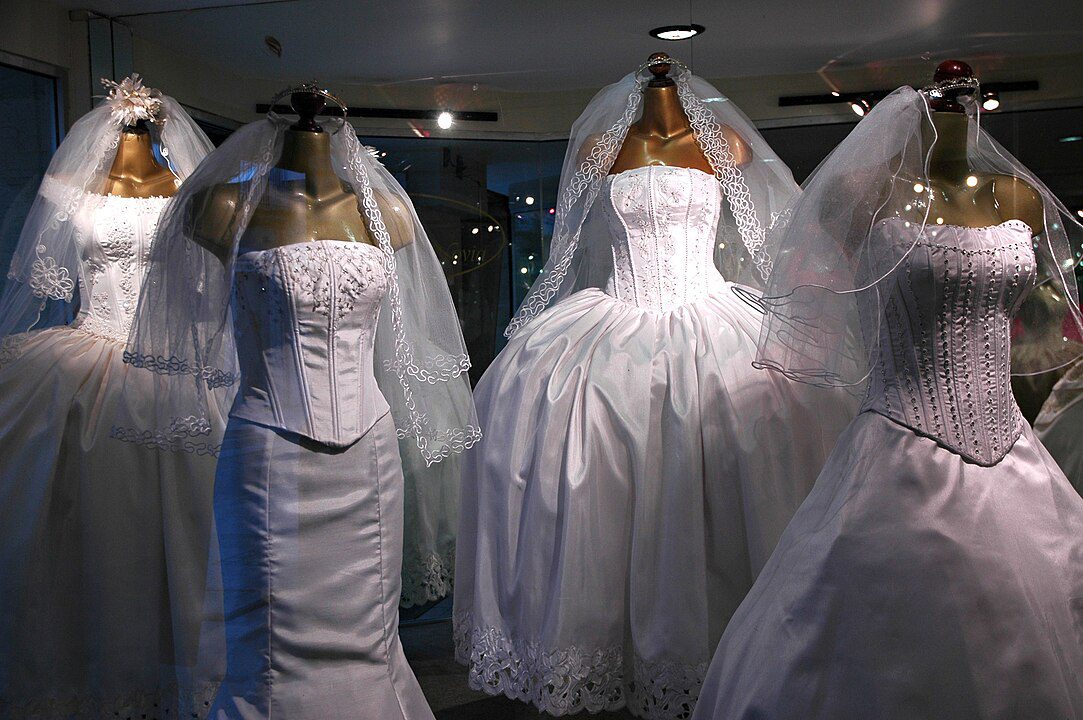
While it’s important to have a few special occasion outfits, there’s no need to hoard event-specific clothing, especially if these events are rare. This includes bridesmaid dresses, Halloween costumes, and extravagant hats.
For instance, you might have a collection of fancy dresses that you wore to proms, weddings, or other special events. If you’re not planning on re-wearing these items, why not sell or donate them? This will not only free up your closet space but also give someone else the chance to enjoy them.
7. Unworn Gifts

We all have received clothing gifts that, while thoughtful, just aren’t our style. Instead of letting these items gather dust in your closet, consider donating them or re-gifting them to someone who would appreciate them more.
For example, that sweater your aunt knitted for you last Christmas might not be your style. Instead of keeping it out of guilt, why not donate it to someone in need or re-gift it to a friend who would love it? This way, the item gets used and doesn’t just take up space in your closet.
8. Seasonal Clothing


If you’re moving to a place with a different climate, there’s no need to bring all your seasonal clothing. For instance, if you’re moving from a cold climate to a warm one, you can leave your heavy winter coats behind.
Also, if you’re moving during summer, you might want to consider storing your winter clothing and bringing it over later. This will save you space and make your move easier.
9. Old Underwear and Socks

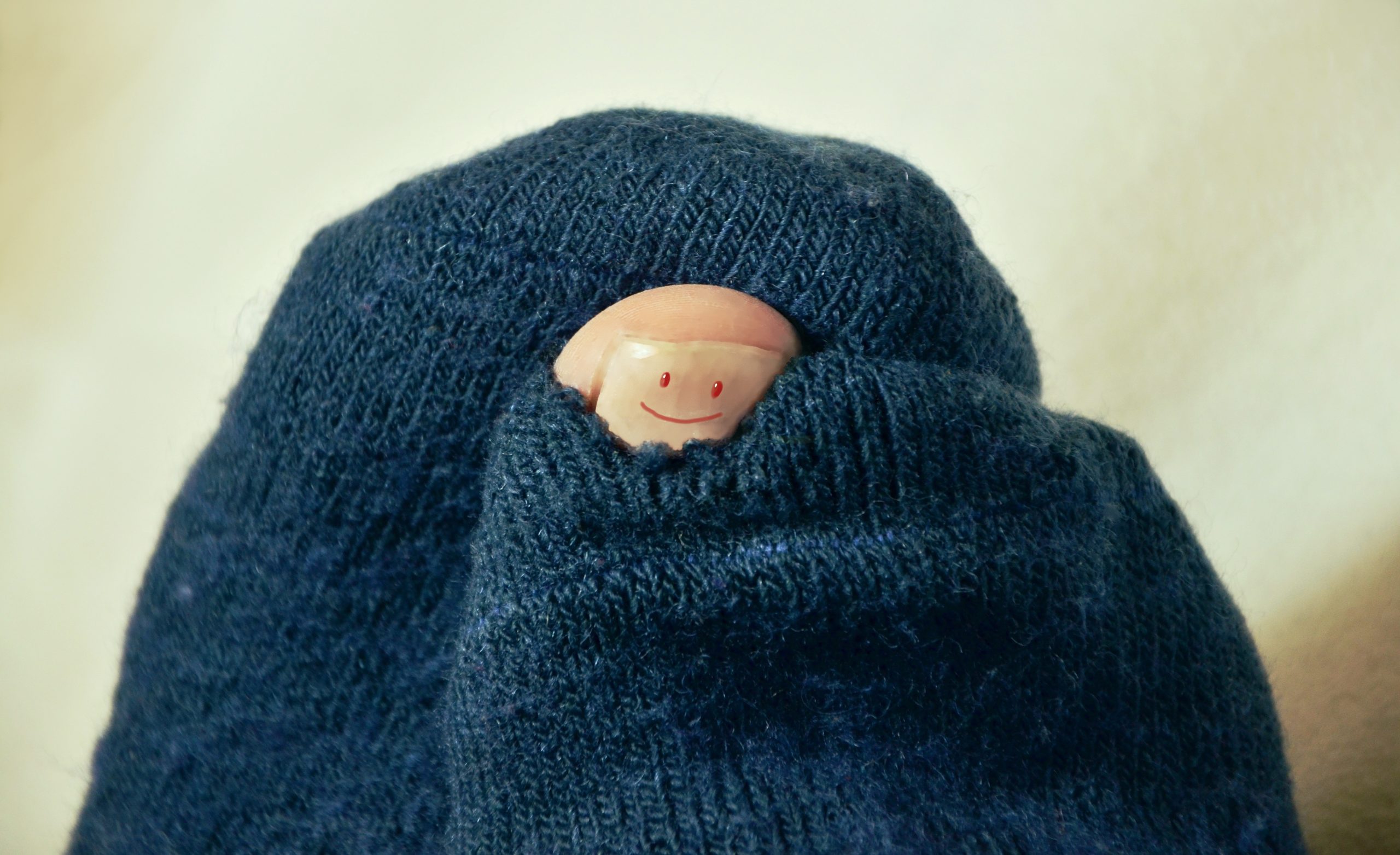
Old, worn-out underwear and socks should definitely be left behind when you move. These items tend to take up more space than you’d think, and moving is the perfect excuse to refresh your underwear and sock drawer.
Don’t feel guilty about throwing these items away. Remember, if they’re worn-out or have holes, it’s time to replace them.
10. Clothes You Always Skip Over


We all have those clothes that we always skip over when choosing what to wear. Whether it’s because they’re uncomfortable, unflattering, or just not your style anymore, if you’re always passing them over, it’s time to let them go.
Think about it: if you’re not wearing these items now, you’re unlikely to wear them in your new home. Save yourself the trouble of moving them and donate, sell, or recycle them instead.
11. Professional Clothing You No Longer Need

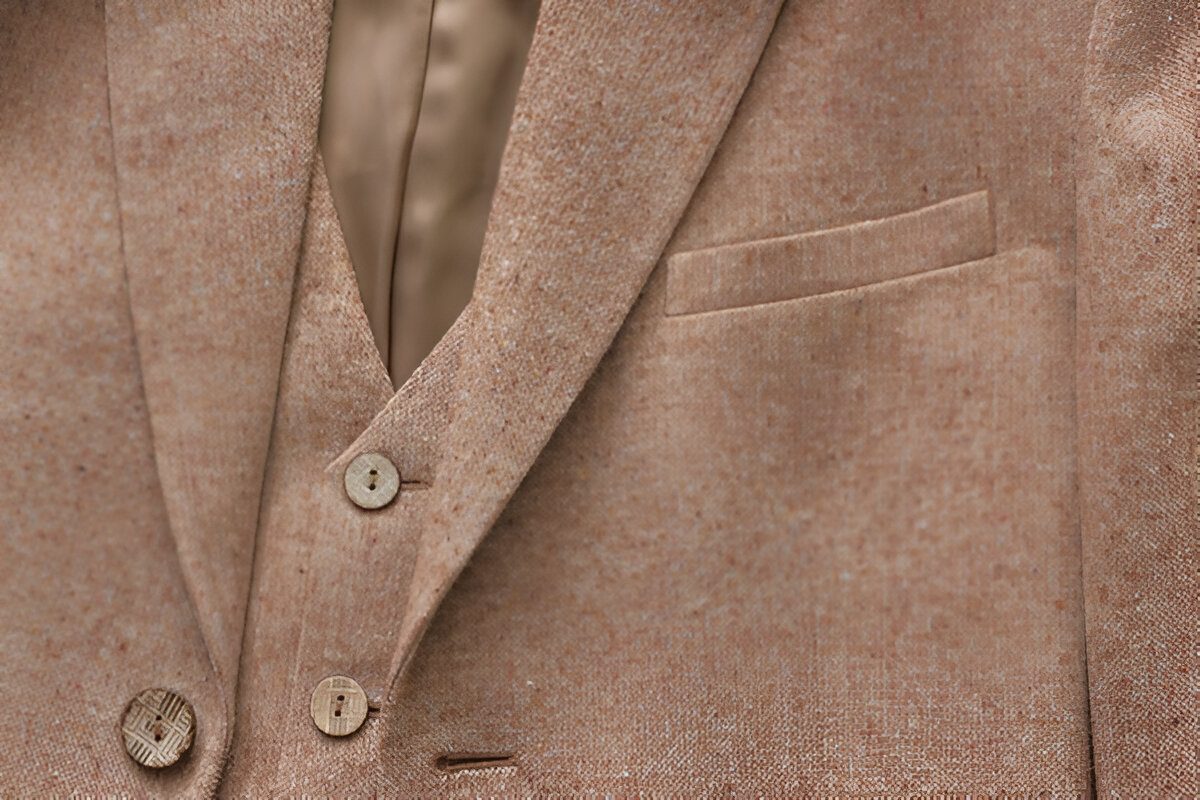
If you’ve recently retired or switched to a job with a more casual dress code, there’s no need to bring your old professional clothing with you when you move. Suits, blazers, and other professional attire can take up a lot of space and are unnecessary if you’re not going to wear them.
Consider donating these items to organizations that provide professional clothing to job seekers. This way, your clothes can help someone else make a good impression at their next job interview.