


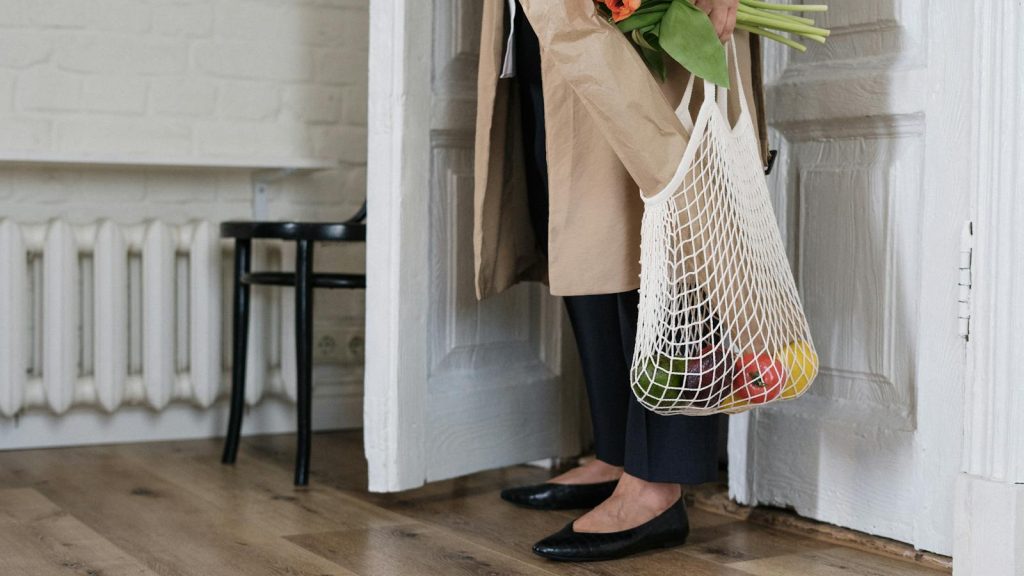
Clutter can quickly turn an inviting entryway into a chaotic mess, hindering your home’s functionality and aesthetic appeal. If you’ve been struggling to keep this high-traffic area clean and organized, you’re not alone. Many of us unknowingly make mistakes that invite clutter into our entryways. Understanding these pitfalls can help you create a more welcoming space.
This list is based on real-world trends, data, and expert opinions gathered from home organization professionals, interior designers, and home buyers’ surveys. We’ve identified common mistakes homeowners make when organizing their entryways and explained how to avoid them. Read on to discover what might be causing your entryway clutter and how to fix it.
1. Lack of Storage

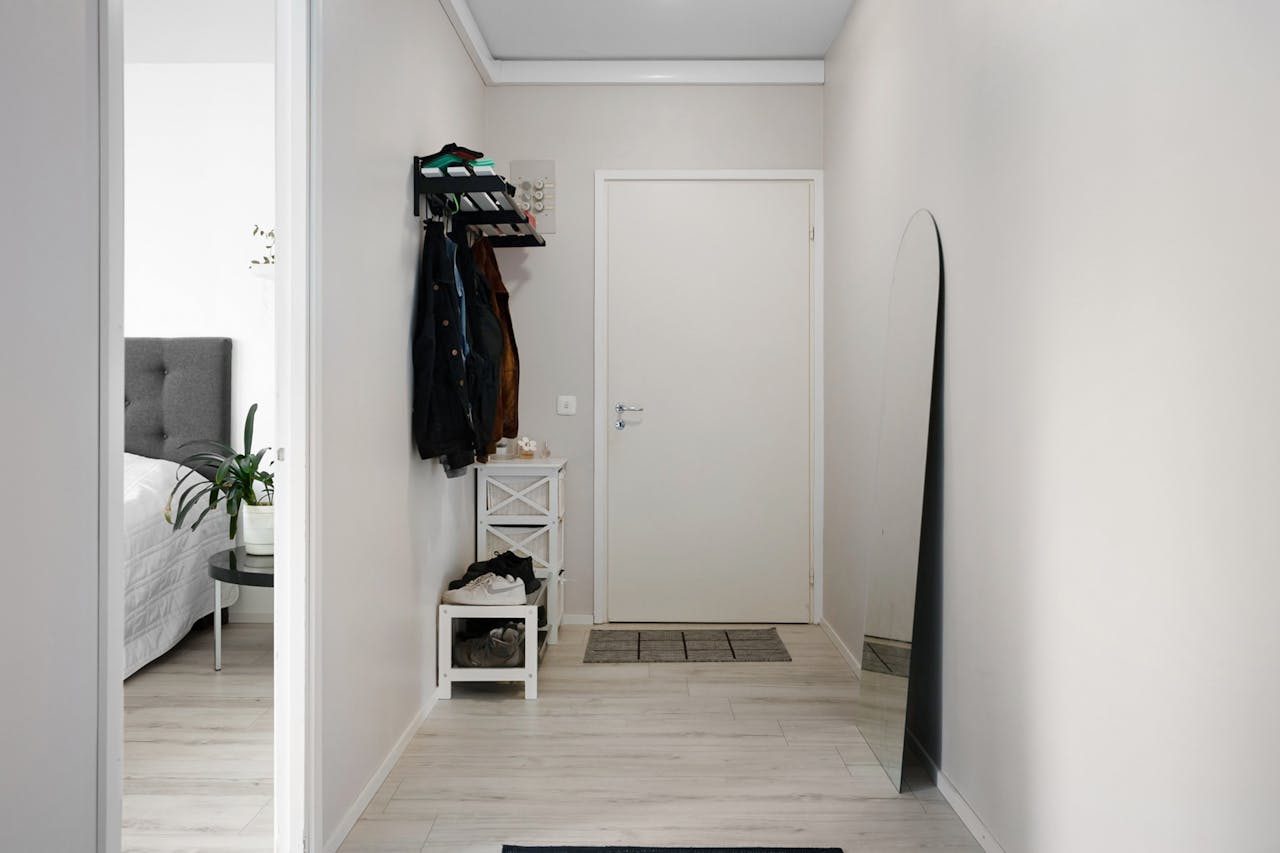
The most common mistake homeowners make in their entryways is not providing enough storage. When there is no place to put shoes, coats, hats, bags, and other everyday items, they end up cluttering the floor and surfaces. Many people overlook the importance of storage in entryways, focusing on aesthetics rather than functionality.
Incorporating storage solutions into your entryway is a top trend in home organization. Whether it’s a simple coat rack, a bench with storage underneath, or built-in cubbies, the right storage can keep your entryway tidy and inviting.
2. Poor Lighting

Many entryways suffer from poor lighting, which can make the space seem closed off and uninviting. This issue is often overlooked, as homeowners focus more on lighting in rooms where they spend more time. However, a dimly lit entryway can be unappealing and can hide clutter, leading to a messy space.
Interior design experts from HGTV advise that improving your entryway’s lighting can instantly enhance the space, making it feel more open and inviting while highlighting any clutter that needs to be addressed.
3. No Defined Space

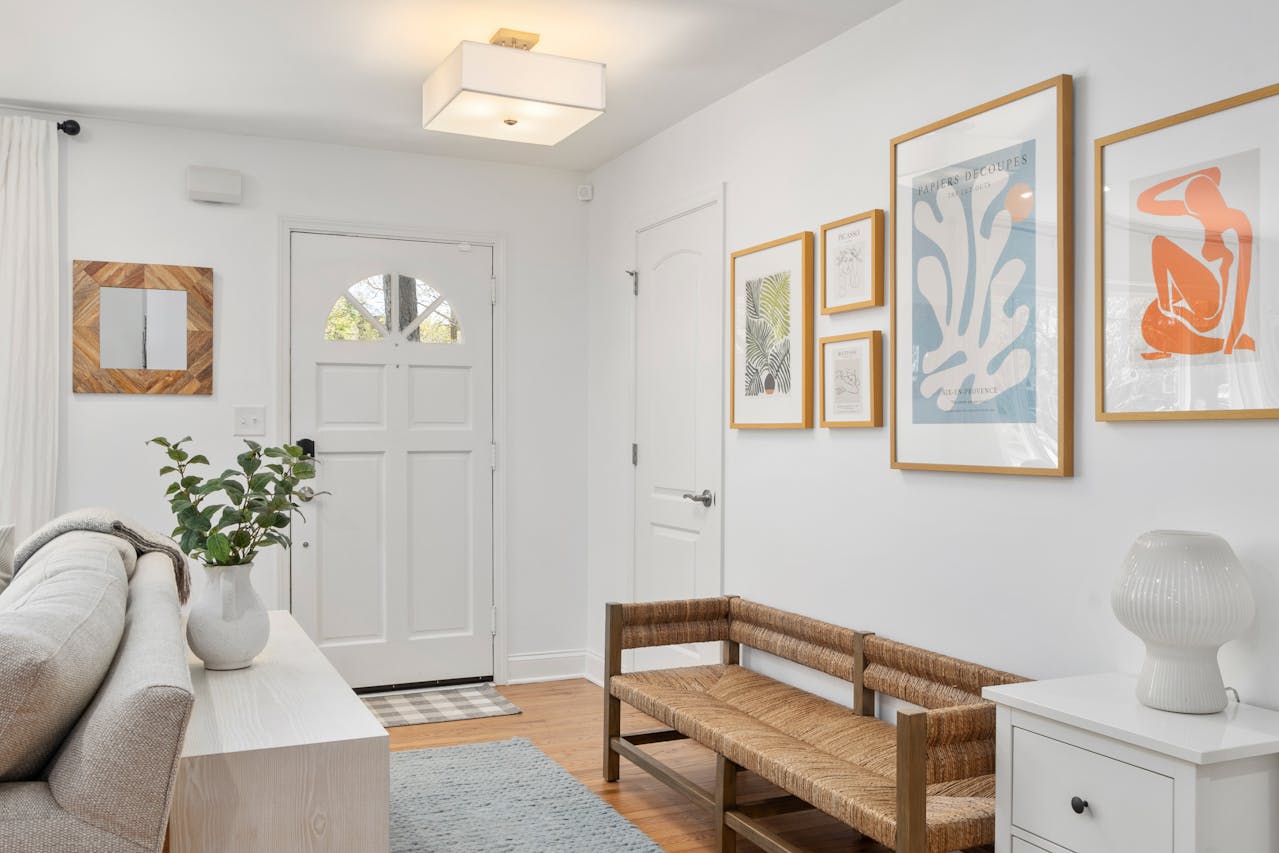
A common mistake is not clearly defining the entryway. In open floor plans, the entryway can blend into the living area, making it easy for clutter to spread. This problem can be overlooked when homeowners focus on maintaining an open feel in their homes.
Creating a clear boundary for your entryway can help keep clutter contained. This can be accomplished with a console table, a rug, or even a distinct paint color. A well-defined entryway not only adds structure to your home but also makes it easier to keep clutter at bay.
4. Too Much Decor
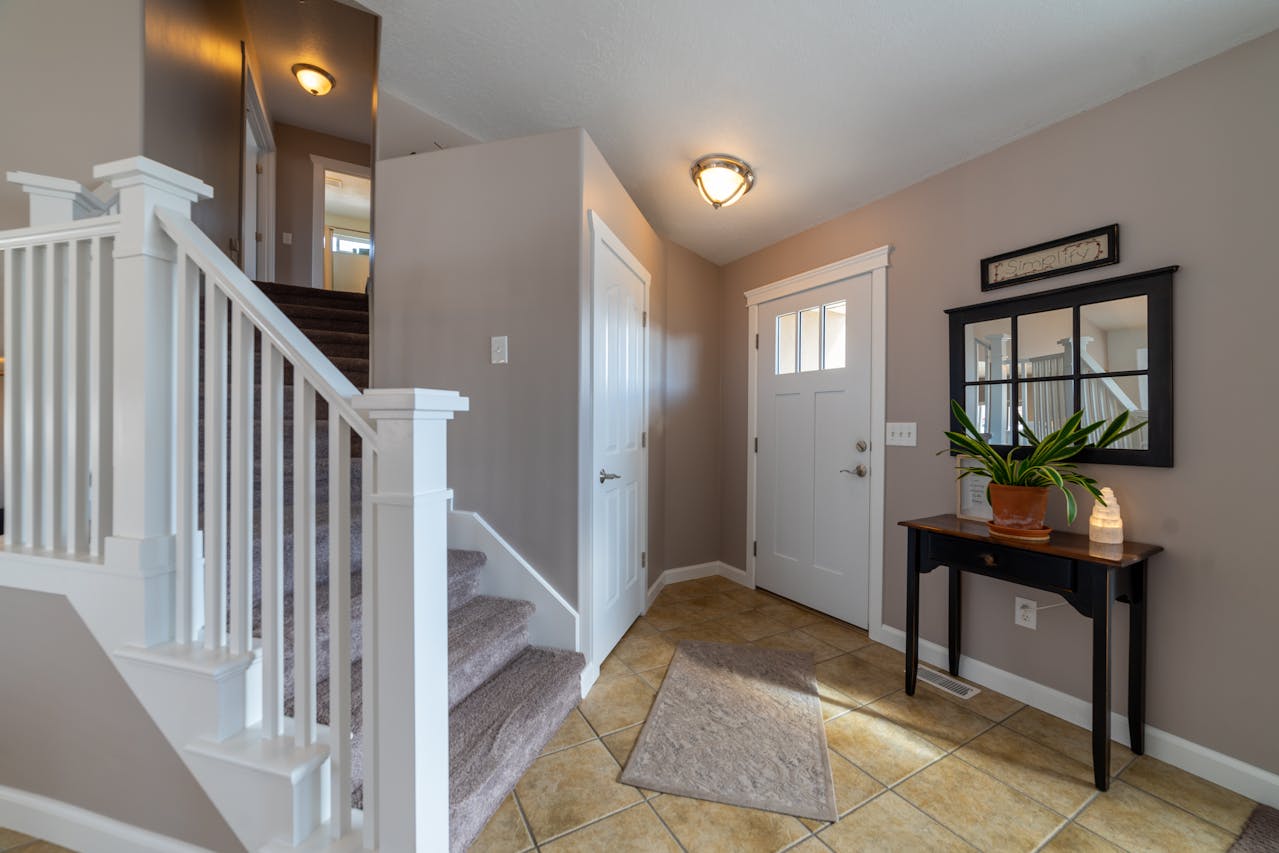
While it’s tempting to deck out your entryway with various decorative items, having too many can create a cluttered look. This mistake is common among homeowners who want to showcase their style and personality in the entryway. However, over-decoration can quickly lead to visual clutter, even if the area is clean.
The trend is moving towards minimalist design in entryways. Choosing a few key pieces can create a cleaner, more organized appearance, and offers a calm, welcoming vibe to guests.
5. Neglecting Wall Space

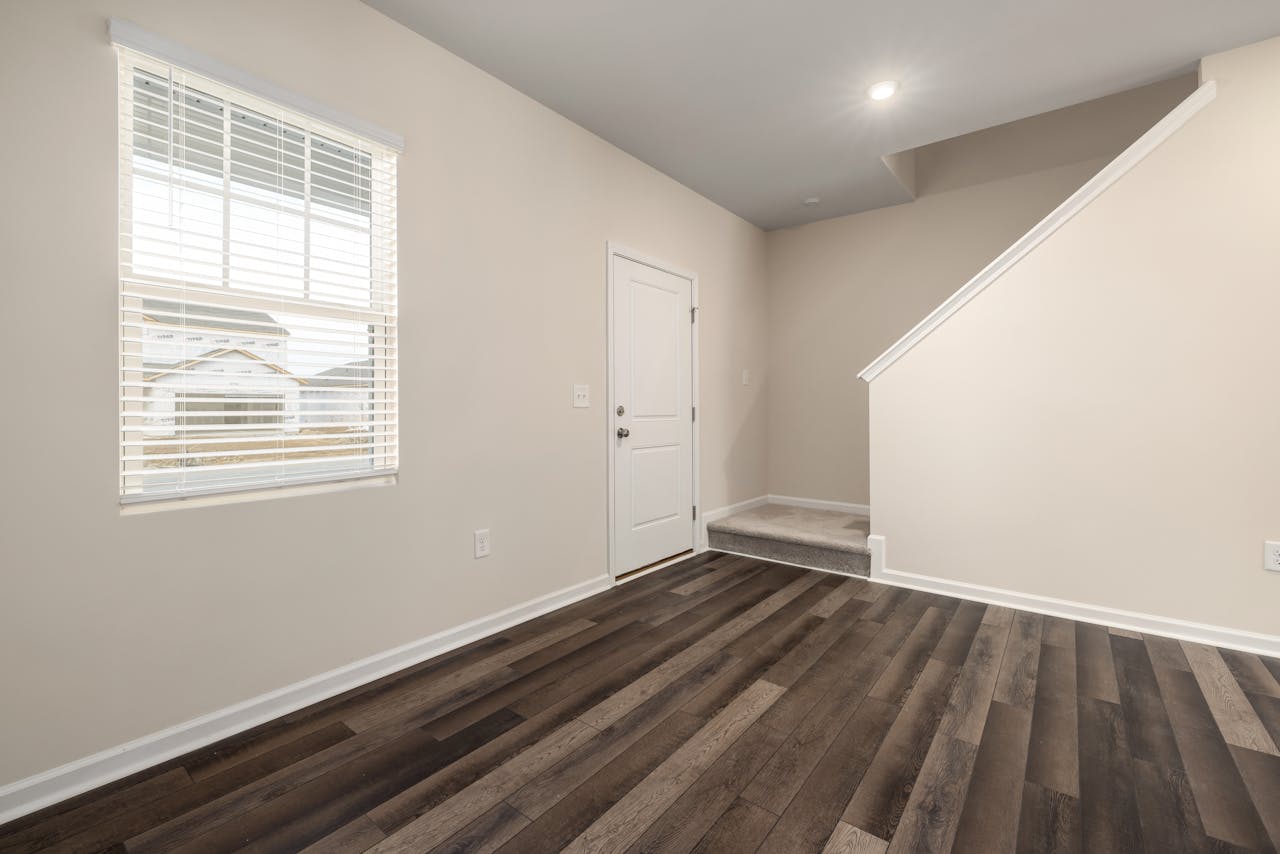
Many homeowners neglect the potential of their entryway walls for storage and decoration. This oversight can lead to a lack of storage and a missed opportunity for aesthetic enhancement. Wall space can be used for hooks, shelves, or artwork to add function and appeal to your entryway.
As highlighted by House Beautiful, utilizing wall space effectively can transform your entryway. Wall-mounted storage options can help keep clutter off the floor, while the right artwork or mirror can make the space feel larger and more inviting.
6. Choosing the Wrong Rug
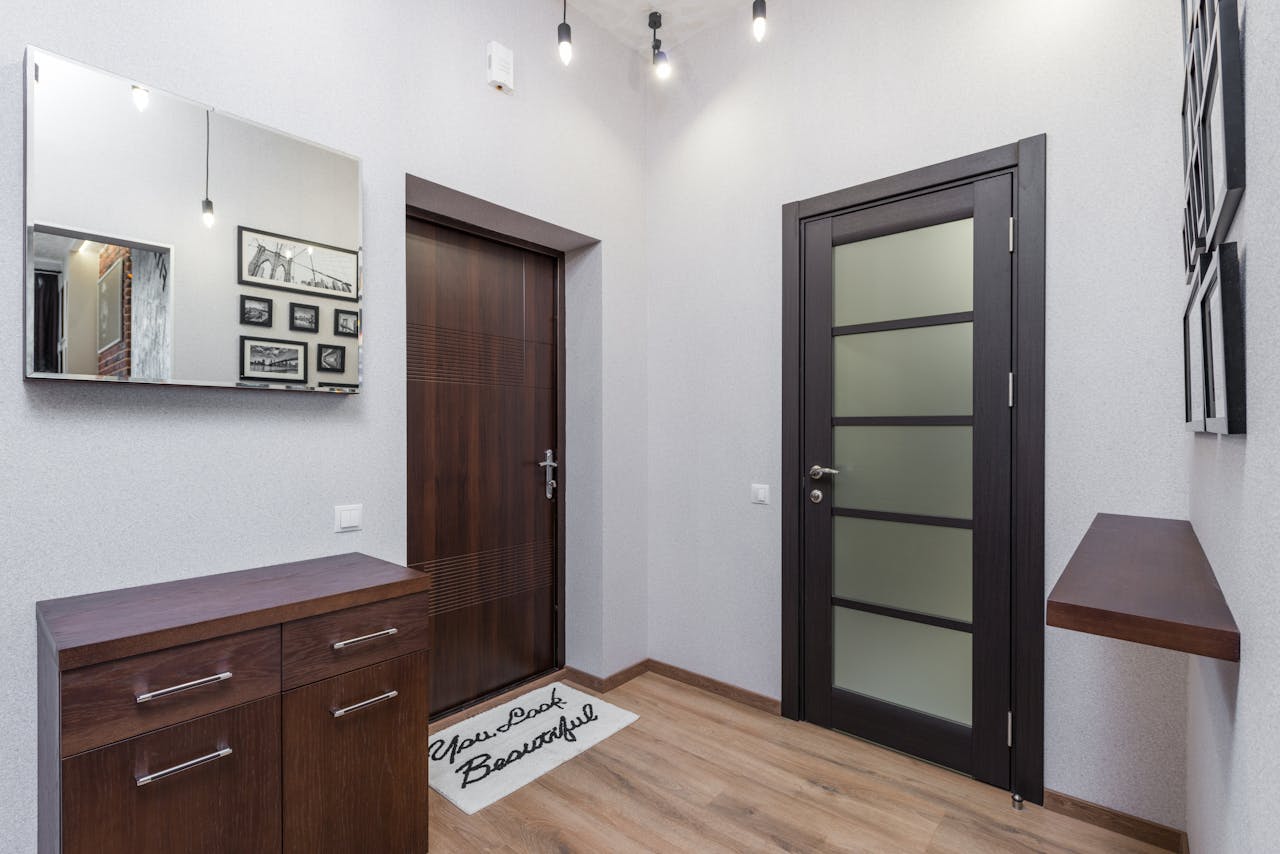
The choice of rug in your entryway can either invite or repel clutter. A small, fragile, or light-colored rug can quickly become dirty and cluttered with shoes and outdoor elements. Many homeowners choose rugs for their entryways based on style rather than practicality, leading to this common mistake.
Experts recommend choosing a durable, easy-to-clean rug for your entryway. A darker color or pattern can help hide dirt, while a larger size can provide a designated space for shoes, reducing clutter.
7. Ignoring the Entryway Closet
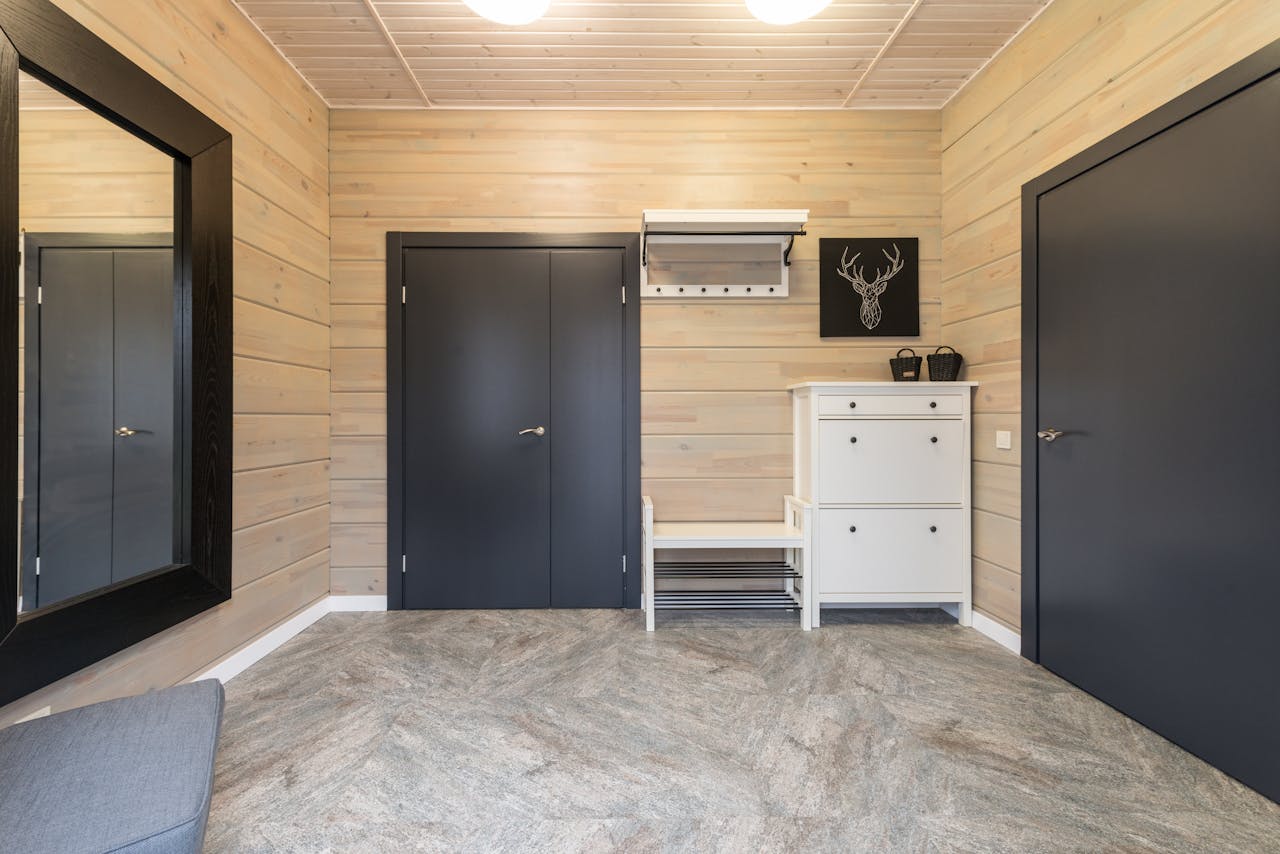
An overloaded or disorganized entryway closet can contribute to clutter. Homeowners often cram as much as possible into these closets, making it difficult to find and store items. The entryway closet can become a dumping ground for all sorts of items, contributing to the overall clutter.
Real Simple suggests organizing your entryway closet to maximize its effectiveness. Using baskets, shelves, and hooks can help keep items organized and easy to find, reducing the chance of clutter spilling out into your entryway.
8. Not Utilizing Vertical Space
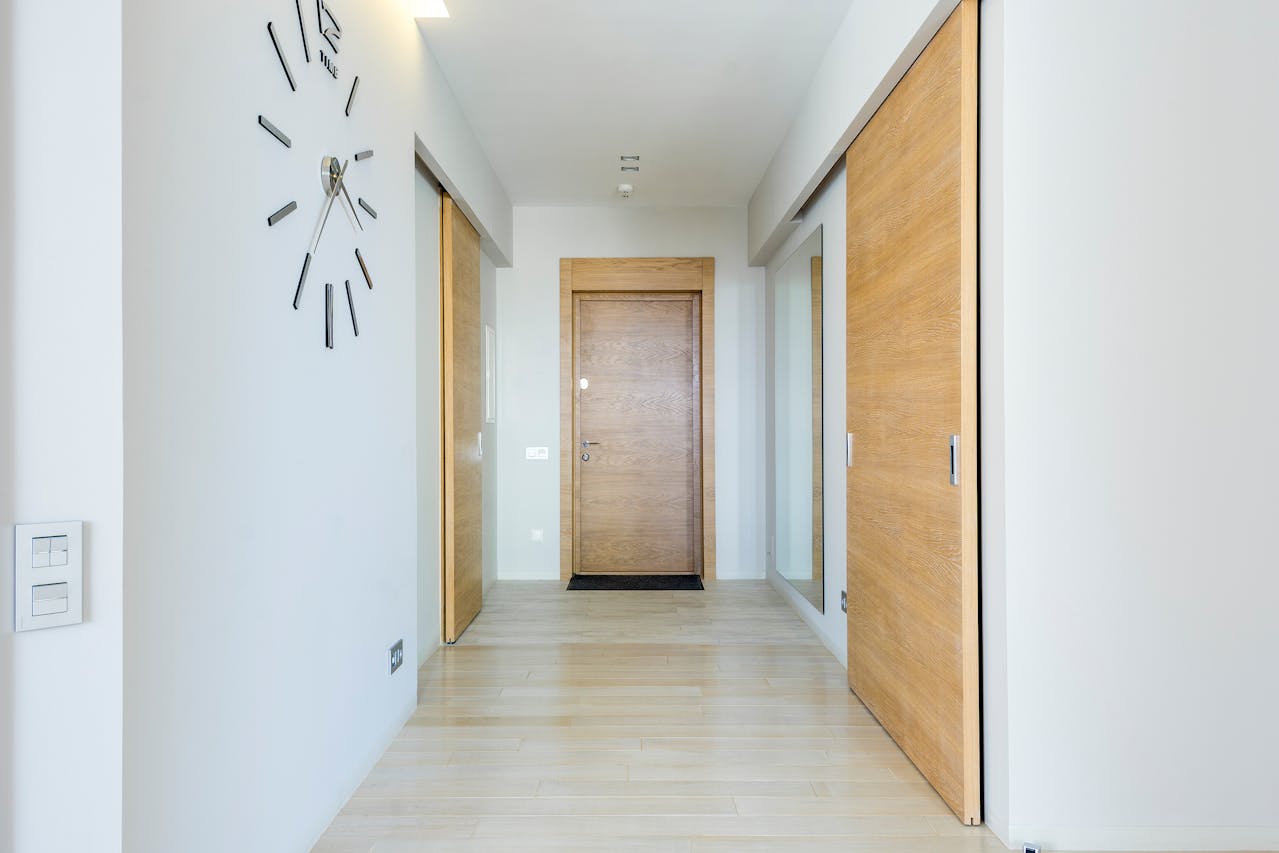
One mistake often seen is not utilizing the vertical space in an entryway. Homeowners tend to focus on ground-level storage and decor, overlooking the potential of the area above eye level. This can lead to missed opportunities for additional storage or decorative touches.
Using vertical space in your entryway can help reduce clutter. Wall-mounted shelves, high hooks, or tall storage units can provide additional storage without taking up floor space, keeping your entryway clean and organized.
9. Not Having a Place for Mail

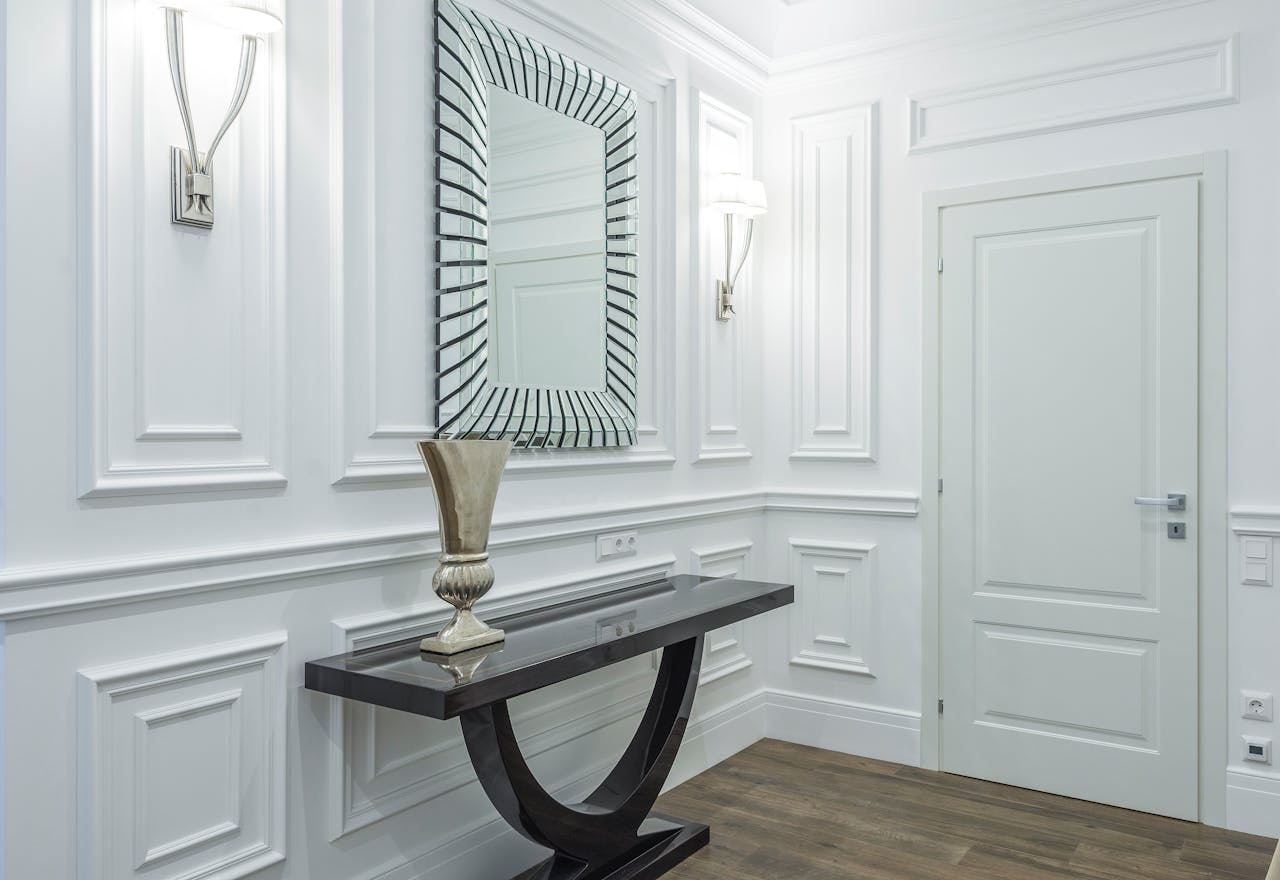
Mail can be a major source of clutter in the entryway. Many homeowners don’t have a designated spot for mail, leading to piles of letters, magazines, and junk mail. This mistake is easy to make when you’re more focused on larger items like shoes and coats.
The experts at Good Housekeeping recommend having a dedicated spot for mail in your entryway. This could be a small table, a wall-mounted basket, or even a specific drawer. Having a place for mail can prevent it from becoming clutter and keep your entryway tidy.
10. Not Regularly Cleaning and Decluttering


The final mistake is not regularly cleaning and decluttering your entryway. Many homeowners clean their entryways less frequently than other areas of the home, leading to a buildup of dust, dirt, and clutter. Regular maintenance is key to keeping any area of your home clean and inviting.
Cleaning experts at suggest including your entryway in your regular cleaning routine. Regularly decluttering and cleaning your entryway can make it more welcoming and prevent clutter from building up over time.