



Saving money at the grocery store can feel overwhelming, especially with rising prices and busy schedules. However, small changes in how you shop can lead to noticeable savings each time you head to the store.
These grocery store tricks are practical ways you can reduce your spending without sacrificing the things you need. By learning how to shop smarter, you can stretch your budget further and reduce food waste.
Always shop with a detailed grocery list


You’ll save money when you shop with a detailed list. It helps you focus on what you actually need and prevents impulse buys. Before you go, check your pantry and fridge to avoid buying duplicates.
Organize your list by store sections to make your trip faster and reduce temptation. Sticking to a list also helps you plan meals better, so you waste less food and money.
Avoid shopping during peak hours to skip crowds

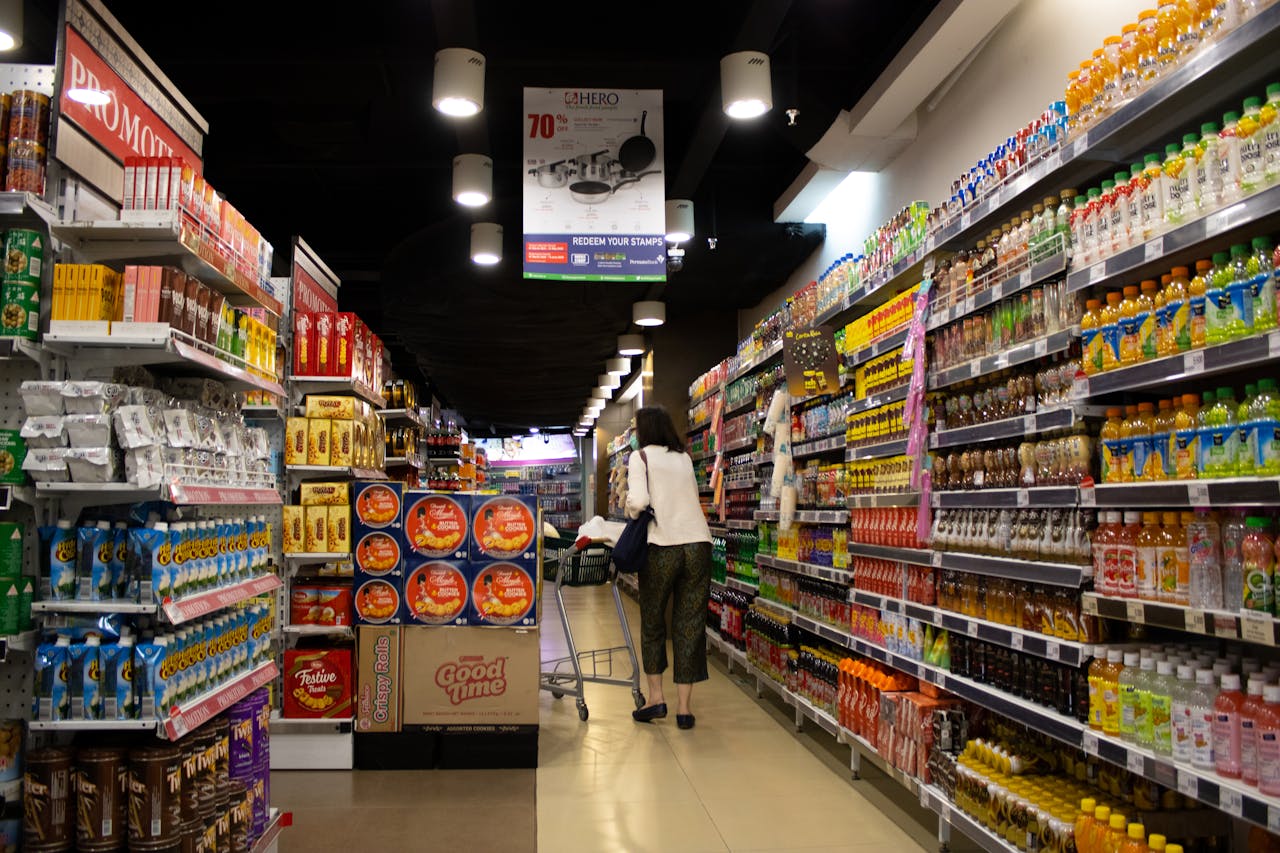
You’ll save time by avoiding the busiest store hours. Early mornings, late evenings, or midweek trips usually have fewer shoppers.
Less crowding means shorter lines and a calmer shopping experience. You can focus on your list and spot discounts without distractions.
Shopping when it’s quieter also reduces impulse buys caused by stress or rushing. This simple trick helps you stick to your budget more easily.
Compare prices across local grocery stores

You can save money by checking prices at different stores near you. Not every store charges the same for the same products.
Take a little extra time to compare prices on your regular items before you shop. Sometimes, buying several items from one store and others from a different one can add up to big savings.
Use store apps or websites to quickly check prices without making extra trips. This small step helps stretch your grocery budget further.
Buy seasonal produce to get better deals

When you buy fruits and vegetables that are in season, prices are usually lower. You’ll find fresher options too, which often means better taste.
Seasonal produce is more abundant, so stores offer discounts to move it quickly. You can plan your meals around what’s on sale to save more.
Keep an eye on local farmers’ markets for great deals too. Buying from them supports your community and often costs less than big stores.
Utilize coupons only for items you planned to buy


When using coupons, stick to items on your shopping list. This keeps your spending focused and prevents impulse buys.
Coupons can help you save, but only if they match what you really need. Using them for unplanned items might lead to unnecessary purchases.
Before heading out, check your coupons and match them with your planned groceries. This simple step helps keep your trip both budget-friendly and efficient.
Embrace store brands and generic products


You can save a lot by choosing store brands or generic products instead of name brands. These options often have the same ingredients and quality but cost less.
Look for generic versions of staples like salt, flour, and sugar. Over time, these small savings add up on your grocery bill.
Trying store brands doesn’t mean you have to compromise on taste or safety. Give them a chance—they might become your new favorites.
Stock up on bulk staples like rice and beans

Buying staples like rice and beans in bulk can save you money over time. These items have a long shelf life, so you won’t need to worry about them spoiling quickly.
When you stock up, you reduce the number of trips to the store. Plus, having these basics on hand makes meal planning easier and more flexible. Bulk buying also usually means a lower price per unit, helping stretch your grocery budget.
Plan weekly meals to prevent impulse buys

You can save money by planning your meals for the week before you shop. When you know exactly what you need, it’s easier to stick to your list and avoid grabbing extra items.
Thinking through your meals also helps you use what you already have at home. This cuts down on food waste and stops you from buying duplicates.
Meal planning makes shopping quicker and less stressful. You’ll feel more confident making choices that fit your budget.
Shop at farmer’s markets for fresh, cheaper options


You can often find fresh produce and staples like eggs or herbs at lower prices at farmer’s markets. Seasonal items tend to be more affordable because they are locally grown.
Shopping at multiple markets nearby gives you a chance to compare prices and pick the best deals. Planning your list around what’s in season helps you avoid overspending on out-of-season goods.
Make almost everything from scratch at home


Making meals from scratch can help you control your food budget. You avoid paying extra for pre-made or processed items, which often cost more.
Simple homemade versions of sauces, snacks, and baked goods usually use basic ingredients you already have on hand.
This approach also lets you customize recipes to your taste and dietary needs. While it takes some time, the savings add up over several shopping trips.
Use rewards credit cards to get cashback
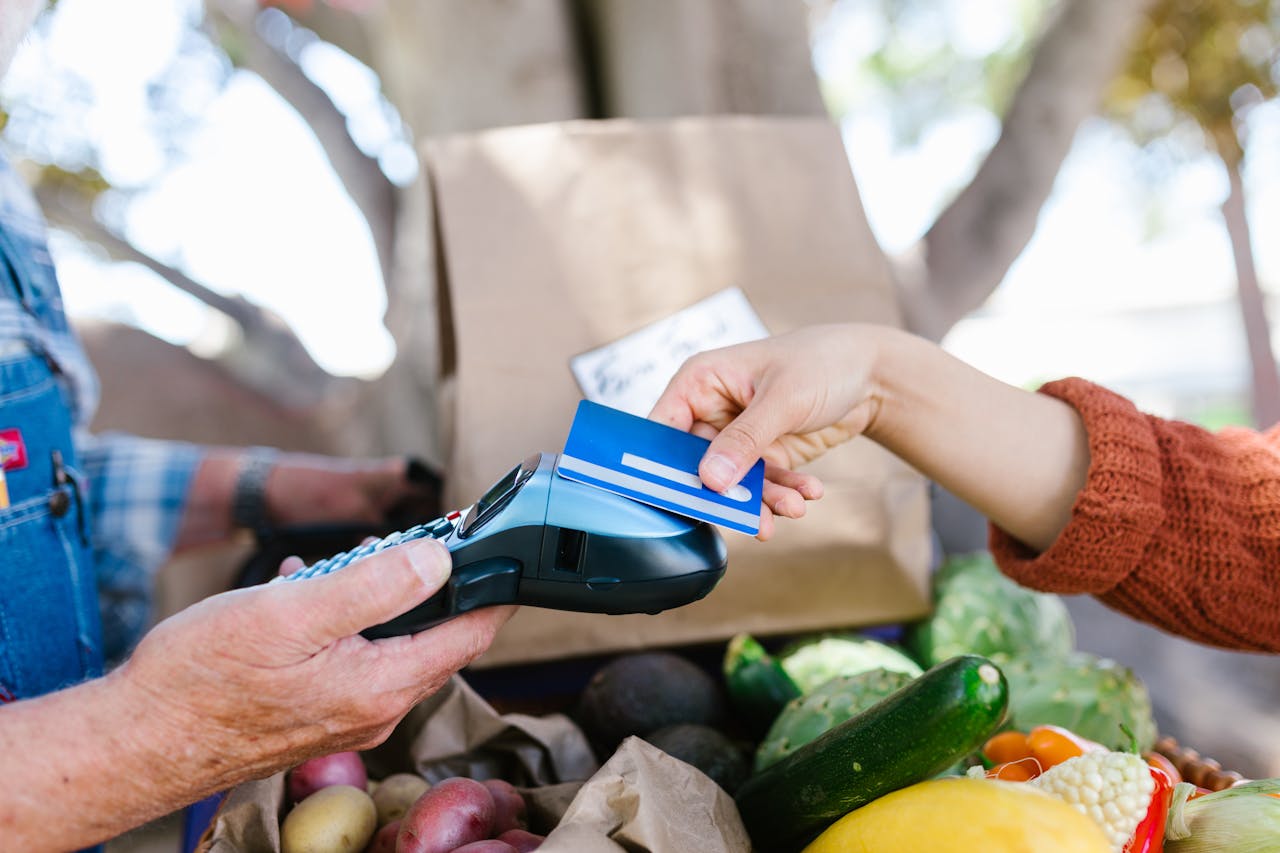
You can save money by using a rewards credit card on your grocery trips. Many cards offer cashback or points specifically for supermarket purchases.
Look for cards that give extra rewards on groceries, especially during bonus periods. Just remember to activate the offers when needed to maximize your savings.
Using these cards also helps you earn rewards on other everyday expenses like gas or utilities. Just pay your balance in full to avoid interest charges.
Like what you read? Here’s more by us: