


Every product on the shelf at the store promises to make your life easier, and some of them genuinely do. But a surprising number of “convenience” purchases end up doing the opposite: they take up a drawer, need their own storage container, require special cleaning, or simply duplicate something you already own perfectly well. You end up managing the product instead of the product managing your life for you.
The tricky part is that these items rarely feel like clutter when you buy them, because each one solves a real, specific problem in the moment. It’s only months later, when you’re digging through a cabinet trying to find space, that you realize how many single-purpose gadgets and specialty products have quietly taken over. Here are eleven common culprits worth reconsidering.
Single-Use Kitchen Gadgets
Avocado slicers, strawberry hullers, banana holders, and garlic peelers each promise to save thirty seconds on one specific task, but most of them can only do that one thing and nothing else. A sharp knife handles the avocado and the strawberry just fine, which means these gadgets typically get used a handful of times before being shoved to the back of a drawer. Kitchen drawers across the country are full of these tools, purchased with real enthusiasm and used maybe three times total. Before buying a gadget for a single task, it’s worth asking whether a tool you already own could do the job almost as well, since the time saved rarely justifies the storage space lost.
Decorative Storage Bins Bought Before Sorting
It’s tempting to start an organizing project by buying a cart full of matching bins, baskets, and labels before you’ve actually sorted through what you own. This often backfires because you end up owning both the clutter and a new collection of empty containers with nowhere to go once you realize you have less to organize than you thought, or a different size need than you guessed. Professional organizers generally recommend sorting and purging first, then measuring and buying containers specifically sized for what remains. Buying storage products before decluttering essentially adds a new category of stuff to manage on top of the original problem you were trying to solve.
Extra Sets of Bed Sheets and Linens Beyond Two Sets Per Bed
It’s common to accumulate far more sheet sets than any bed actually needs, especially after gift-giving occasions or seasonal sales. Most linen experts suggest two to three sets per bed is genuinely sufficient for a normal laundry rotation, yet many linen closets hold six or more mismatched sets that rarely all get used in a given year. Beyond a certain point, extra sheet sets simply take up shelf space and make it harder to find the ones you actually reach for. Donating gently used extra sets to an animal shelter, which often needs them for bedding, is a practical way to right-size a linen closet without wasting anything usable.
Specialty Cleaning Products for Ultra-Specific Surfaces
Walk down any cleaning aisle and you’ll find dedicated sprays for stainless steel, granite, stovetops, glass, and a dozen other specific surfaces, each requiring its own bottle and storage spot under the sink. In reality, a handful of multipurpose cleaners can handle the vast majority of household surfaces perfectly well, and many cleaning experts note that some specialty products aren’t meaningfully different from general-purpose versions. The result of buying one product per surface is an overcrowded, often expired collection of half-used bottles that’s genuinely hard to store safely. Consolidating down to a few trusted, versatile products both saves cabinet space and reduces the number of chemicals stored in the house at once.
Trendy Small Appliances Used Once or Twice
Bread makers, ice cream machines, panini presses, and other trend-driven small appliances often get purchased with real excitement and then used only a few times before being relegated to a high cabinet or the back of a pantry. These appliances are usually large, oddly shaped, and hard to store compactly, which means one unused gadget can take up as much space as several other kitchen items combined. If an appliance hasn’t been used in the last six months to a year, it’s a reasonable sign it’s not going to become a regular habit. Donating it while it’s still in working condition gets genuine use out of it, rather than letting it take up prime cabinet real estate indefinitely.
Excess Reusable Grocery and Tote Bags
Reusable bags from grocery store promotions, conference swag, and impulse checkout purchases tend to multiply until an entire closet shelf or car trunk is dedicated to them. Most households only need a handful in regular rotation, yet many people find they own dozens without realizing it. This particular pileup happens quietly since each individual bag feels harmless, but the collective total often surprises people once they actually count them. Keeping five or six favorites and donating the rest to a local food pantry, which frequently needs bags for distribution, clears the space without wasting anything useful.
Multiple Charging Cables and Power Banks
Every new phone, tablet, or gadget seems to come with its own charging cable, and most households never throw the old ones away even after upgrading devices multiple times over. The result is a tangle of cables, many for devices no longer owned, stuffed into a drawer or box that nobody wants to sort through. Testing cables periodically and keeping only what matches current devices, plus a couple of spares, prevents this drawer from becoming an unmanageable knot. Old, unused cables can typically be recycled at electronics recycling events rather than simply thrown away.
Seasonal Home Decor Bought Every Year Without Purging the Old
Buying new seasonal decorations — fall wreaths, Halloween figurines, spring throw pillows — without letting go of last year’s versions is one of the fastest ways to fill a storage closet or attic. Because each purchase feels small in the moment, the cumulative effect of years of seasonal shopping often goes unnoticed until the storage bins won’t close anymore. A simple rule of replacing rather than just adding — donating an old decoration each time a new one comes in — keeps this category from growing indefinitely. It also means the decorations actually in use reflect current taste rather than a decade of accumulated trends.
Extra Phone Cases and Accessories for Old Phones
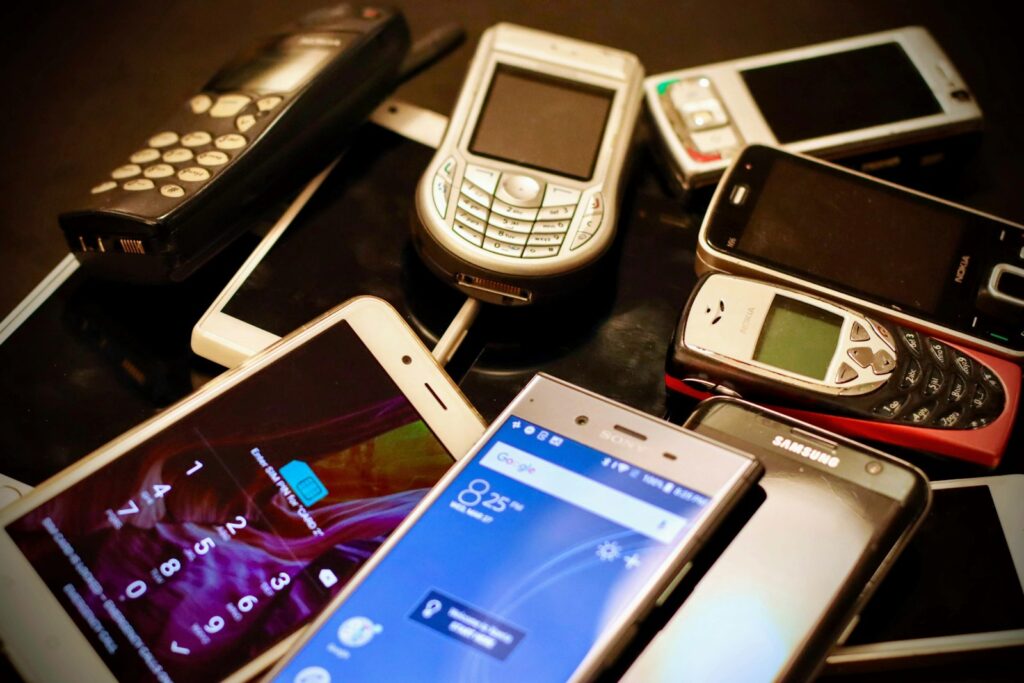
Phone cases, screen protectors, and accessories often get kept even after the matching phone has been sold, traded in, or recycled, on the vague assumption that they might be useful again someday. Since phone models change frequently, these accessories are rarely compatible with a future device, which means they mostly just take up drawer space waiting to be thrown away eventually anyway. Doing a quick check whenever you upgrade a phone, and recycling or donating anything that doesn’t match your current device, prevents this drawer from becoming an archive of every phone you’ve ever owned. Most electronics stores and recycling programs will accept old cases and accessories responsibly.
Duplicate Beauty and Skincare Products
Sample sizes, gift sets, and impulse buys often result in multiple partially used bottles of the same type of product — several shampoos, multiple facial cleansers, a handful of half-used lotions — crowding a bathroom cabinet or drawer. Rather than finishing one product before starting another, it’s easy to accumulate a rotating cast of half-empty bottles that all expire before they’re used up. Committing to using up one product at a time, and keeping a visible inventory of what’s already open, helps prevent buying duplicates of things you already have. This is one area where a smaller, well-used collection genuinely functions better than a large, half-finished one.
As-Seen-On-TV Organizational Gadgets
Products marketed specifically as clever organizational solutions — specialty hangers, drawer dividers with very narrow use cases, single-purpose caddies — often promise to solve a clutter problem but instead just add another object that needs its own storage spot. Because these products are usually marketed with dramatic before-and-after demonstrations, it’s easy to buy them impulsively without considering whether they fit your actual space or habits. Many end up unused within a few months once the novelty wears off, taking up exactly the kind of space they were meant to save. Waiting a week before purchasing any impulse organizational gadget, and measuring your actual space first, prevents a good chunk of this category from ever entering the house.