


Donating valuables can be a meaningful way to support causes you care about and clear out items you no longer need. However, it’s important to take a moment to consider some key factors before giving away items that may have personal, financial, or sentimental value. Doing this will help ensure your donation makes the impact you want.
Knowing what to ask before donating valuables helps you make informed decisions and avoid potential issues. By asking the right questions, you protect yourself and maximize the benefit to the organization receiving your donation. This article will guide you through important points to think about before parting with your belongings.
Is there a required appraisal for the item I want to donate?


If your donated item or a group of similar items is valued over $5,000, you will need a qualified appraisal. This appraisal must be done by a certified appraiser and included with IRS Form 8283, Section B.
For donations valued between $500 and $5,000, you only need to complete Section A of Form 8283 without an appraisal. Donations under $500 require a written acknowledgment from the charity but no appraisal or special forms.
What is the exact name of the charity accepting valuables?


Before donating, make sure you know the full, official name of the charity. This helps avoid confusion and ensures your items go to the right place.
For example, you might donate to “Goodwill Industries International” or “The Salvation Army Thrift Stores.” Sometimes local branches have slightly different names, so check carefully.
If the charity has a website or a donation center nearby, verify the name before dropping off your valuables. This ensures your donations are handled properly.
How will the organization use my donated valuables?

You should ask how your valuables will be handled after donation. Some organizations sell items to raise funds, while others might use them directly for their programs.
It’s important to know if your donation will support a specific cause or general operations. This helps you feel confident about the impact of your gift.
Also, ask if you need to provide appraisals or documents to ensure proper handling and tax benefits.
What is the process for documenting the value of my donated item?

You’ll need proper documentation to claim your donation on taxes. For items under $250, a receipt from the charity is enough.
If your item’s value is $250 or more, get a written acknowledgment from the charity. When your donation exceeds $500, you must fill out IRS Form 8283.
For items worth over $5,000, a qualified appraisal is required. Keep detailed records like appraisals and receipts to support your claim.
Can the charity provide a written acknowledgment for tax purposes?


You should ask if the charity can give you a written acknowledgment for your donation. This is important because the IRS requires a written record for any gift of $250 or more to claim a tax deduction.
The acknowledgment must include the charity’s name, the date, and details about your donation. If you donate non-cash items, the charity should describe them but not assign a value.
Make sure to get this document promptly, as you’ll need it when filing your taxes.
Are there IRS rules I should be aware of when donating valuables?

Yes, the IRS has specific rules depending on the value of your donation. If your gift is worth $250 or more, you need a written acknowledgment from the charity.
For donations over $500, you must file IRS Form 8283 describing the item.
If the value exceeds $5,000, a qualified appraisal is required to support your deduction. Keeping good records helps you avoid issues with the IRS.
Does the charity have experience handling noncash donations like jewelry or artwork?
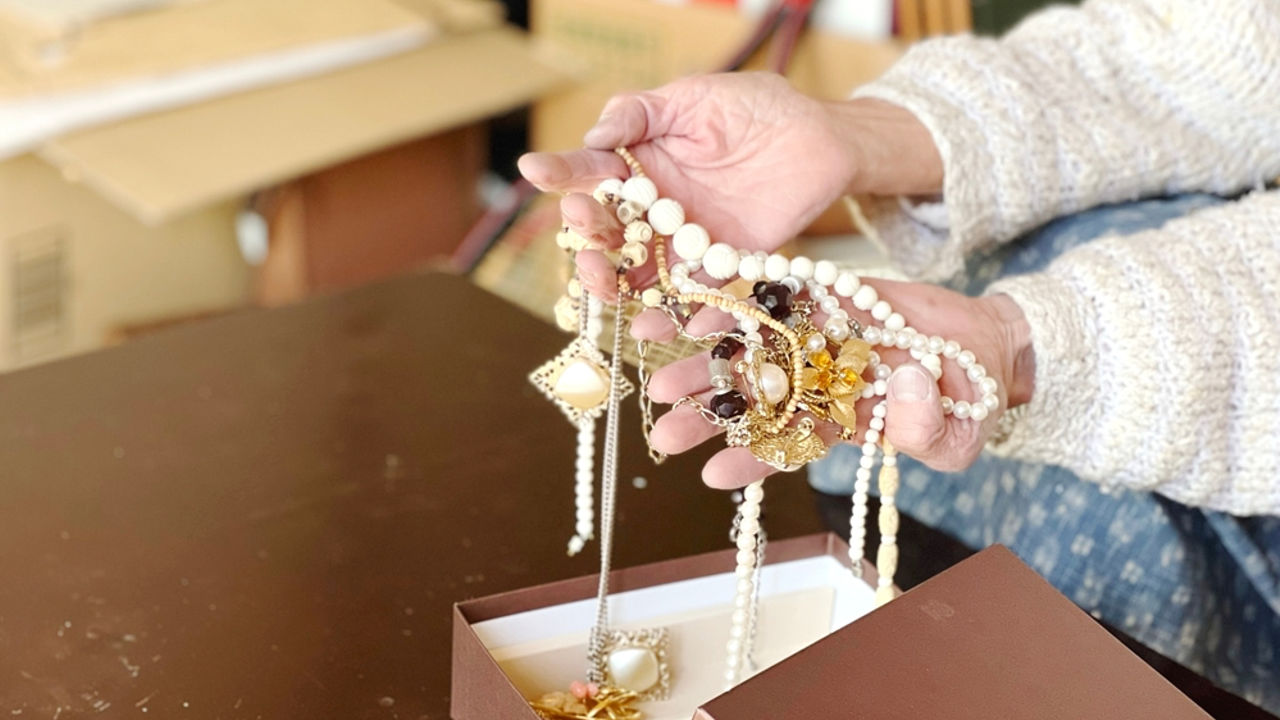
You want to make sure the charity knows how to handle valuable items like jewelry or artwork. These donations often require special care and legal steps to make sure everything is processed correctly.
Ask if they have a system for appraisals and proper documentation. Experienced charities can help you avoid common pitfalls and ensure your donation has the most impact.
What percentage of my donation goes directly to the program or cause?

When you donate, it’s important to ask how much of your gift supports the program itself. Many charities show a “program percentage,” which tells you what portion of their budget goes to the cause versus overhead like administration and fundraising.
A good program percentage often ranges around 70% to 80%, but this can vary depending on the charity. Keep in mind, a low overhead doesn’t always mean a nonprofit is less effective, so use this as one factor in your decision.
How soon should I get an official appraisal done before donating?


You should get a qualified appraisal done no earlier than 60 days before you donate your valuables. This ensures the value is current and accepted by the IRS.
Make sure you receive the appraisal before you file your tax return claiming the deduction. If you file an amended return, get the appraisal before submitting that return.
Are there any restrictions on the types of valuables the charity accepts?

You should check if the charity has limits on what kinds of valuables they accept. Some nonprofits may decline certain items like real estate, jewelry, or collectibles due to complexity or legal concerns.
It’s important to ask whether the charity reviews donations before accepting them. This helps avoid surprises and ensures your gift can be properly managed.
Knowing these restrictions upfront protects your donation and helps the charity stay compliant with rules.
Can the charity explain how donations affect my tax deduction?

You can ask the charity to explain how your donation impacts your tax deduction. They should clarify what documentation you need, like receipts or written acknowledgments.
If you’re donating items or amounts over certain limits, the charity can guide you through the rules. This helps ensure you have what you need when filing your taxes.