


Vinegar is a popular and affordable cleaning option that many people reach for around the house. It works well on a variety of surfaces, making it a handy tool in your cleaning routine.
However, vinegar isn’t safe for all surfaces and can cause damage if used incorrectly. Knowing which surfaces to avoid vinegar on will help you keep your home in good condition without accidentally harming your belongings.
Granite countertops


You should avoid using vinegar on your granite countertops. The acidity in vinegar can eat away at the protective sealant. This may dull the surface and make it look worn over time.
Using vinegar can also etch into the stone itself, harming the finish. Instead, choose a cleaner made specifically for granite. This keeps your countertops shiny and protected.
Marble surfaces


You should avoid using vinegar on marble because it is a natural stone that reacts badly to acids. Vinegar’s acidity can etch the surface, causing dull spots and damage over time.
Even a small amount can wear down the finish and make your marble look less polished. Instead, use a cleaner made specifically for delicate stone surfaces to keep your marble safe and shiny.
Hardwood floors

You should avoid using vinegar on hardwood floors because its acidity can damage the finish. Over time, this can dull the shine and make the surface look worn out.
Even diluted vinegar may break down protective coatings, so it’s safer to use cleaners made specifically for hardwood. This helps keep your floors looking their best longer.
Waxed wood furniture


You should avoid using vinegar on waxed wood furniture. Vinegar can break down the wax coating and make the surface look dull.
If you want to clean waxed wood, use a cleaner designed for wax finishes instead. This will help protect the wood and keep it looking shiny.
Using vinegar regularly on waxed wood may damage the finish over time, so it’s best to skip it altogether.
Chalk-painted furniture
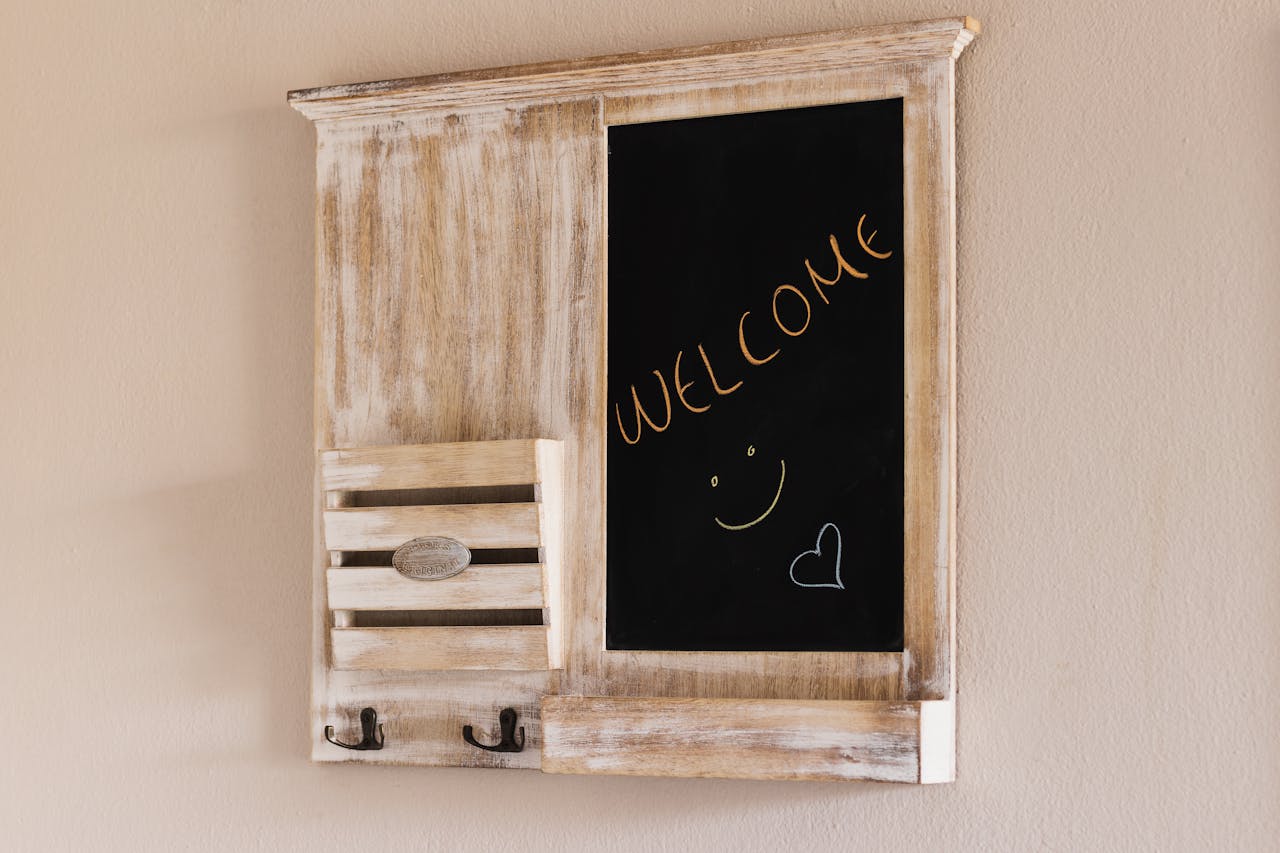
You should avoid using vinegar on chalk-painted furniture. Vinegar’s acidity can strip the paint or damage any wax finish protecting the surface.
Instead, gently wipe it with a soft, slightly damp cloth to keep the paint intact. This helps preserve the look without risking harm from harsh cleaners.
Taking a gentle approach will keep your chalk-painted pieces looking their best for longer.
Milk-painted furniture

You should avoid using vinegar on milk-painted furniture. Its acidity can damage the paint and remove any protective wax coating.
Instead, gently clean your milk-painted furniture with a slightly damp microfiber cloth. This helps preserve its finish without causing harm.
Taking this simple step will keep your furniture looking good without risking dullness or surface damage.
Raw wood before finishing

You should avoid using vinegar on raw wood before finishing it. Vinegar’s acidity can cause the wood to swell and change shape.
This reaction can make the wood surface uneven and harder to work with later.
If you want to clean raw wood, it’s better to use a soft brush or a mild soap solution instead.
Rubber appliance parts


You should avoid using vinegar on rubber parts in your appliances. The acidity can break down the rubber, causing it to become brittle or crack over time.
This damage can affect seals and gaskets, leading to leaks or reduced appliance performance. If you’re unsure about the material, it’s safer to use a cleaner made specifically for rubber surfaces. This will help keep your appliances working properly longer.
Metal surfaces on appliances

You should avoid using vinegar on metal parts of your appliances. The acidity can cause corrosion or dull the finish over time.
This is especially true for stainless steel or aluminum surfaces.
Instead, use a cleaner designed specifically for metal to keep your appliances looking their best. Avoid rubbing vinegar directly on any exposed metal areas.
Carpet and upholstery


You should avoid using vinegar on carpet and upholstery. The acidity can cause discoloration or damage to fibers, especially delicate fabrics like silk or velvet.
If you’re treating a stain, make sure to remove any solid residue first. Using vinegar might also leave new stains if mixed with other substances already in the fabric.
For these surfaces, gentler, fabric-specific cleaners are a safer choice to protect your furniture and carpet.