


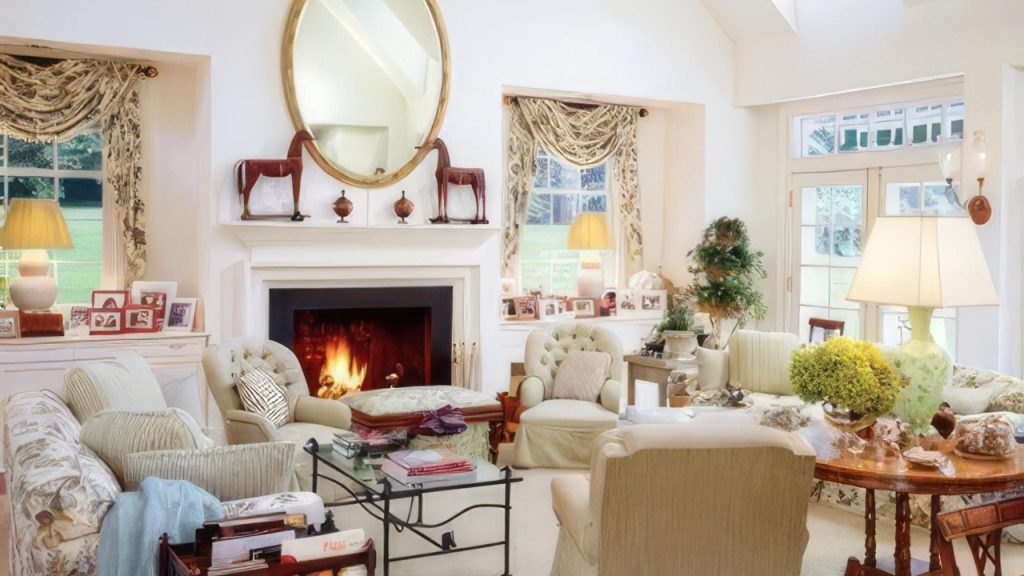
Changing the decor of your home or office space can be quite an exciting task. It’s a chance to express your creativity, showcase your personality, and elevate your environment.
But it’s not as simple as just buying a new couch or hanging a few pictures on the wall. It requires proper planning and preparation to ensure the final result is not only beautiful but functional and comfortable as well.
I will share with you the 11 things I always do before changing decor, hoping to help you create a space you truly love and enjoy.
1. Assess the Current Space


Before you rush into buying new furniture or decor items, it’s crucial to understand your current space. Take note of the room’s size, layout, lighting, and even the color of the walls.
Consider how you use the room and what elements are working or not working for you. This assessment will guide your decisions and help you avoid common decorating mistakes, like buying furniture that’s too large or small for the space, or choosing colors that make the room feel closed off.
For instance, if you notice that your living room feels cramped, you may want to look for multifunctional furniture pieces that can save space. If your bedroom doesn’t get a lot of natural light, you might want to use lighter colors to make it feel brighter. Remember, the goal of redecorating is not just to make the space look better, but also to improve its functionality and comfort.
2. Get Inspired

Once you have a clear understanding of your space, it’s time to get inspired. Look at interior design magazines, websites, and social media for ideas. Pay attention to the styles, colors, and decor items that catch your eye. You can also visit furniture stores or exhibitions to get a feel of what you like.
When looking for inspiration, don’t limit yourself to spaces that are similar to yours. You can learn something from every design, whether it’s a tiny apartment or a luxurious mansion. The key is to keep an open mind and be creative.
For example, you might see a beautiful kitchen with a large island and think, “I can’t have that because my kitchen is too small.” But instead of dismissing the idea, think about how you can adapt it to your space. Perhaps you could get a smaller island or even a portable one.
3. Create a Mood Board
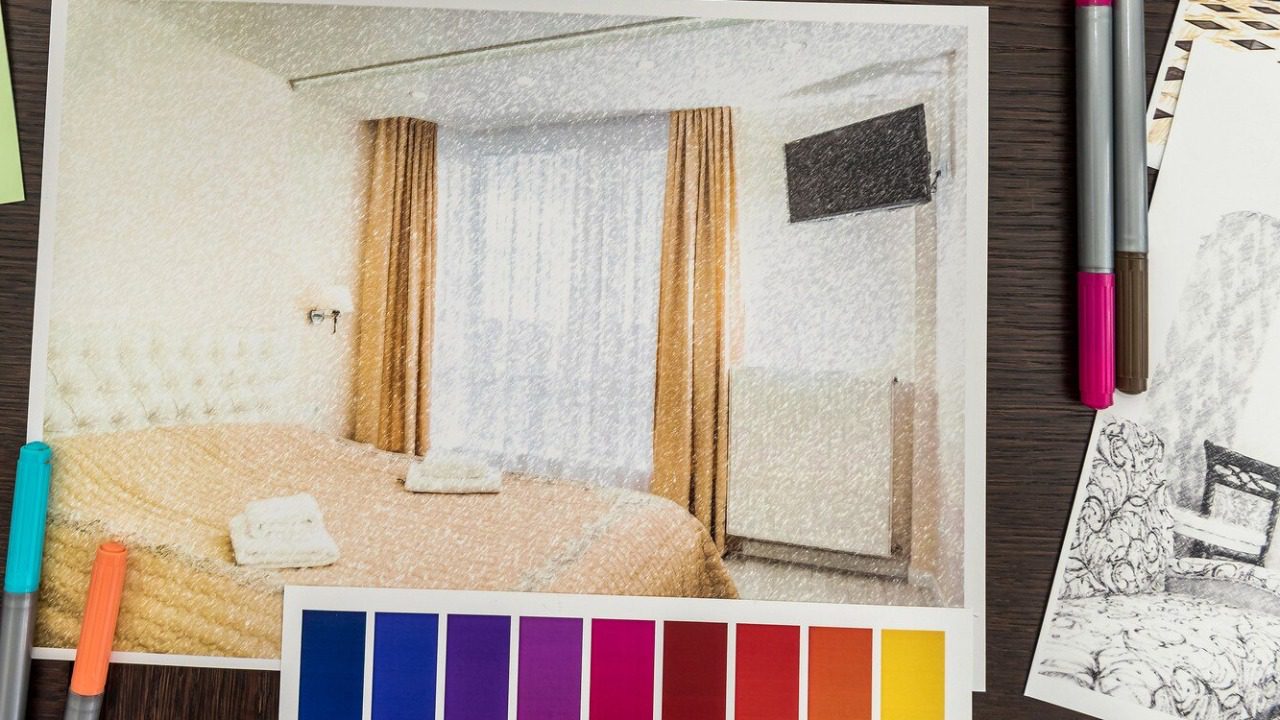
A mood board is a great tool to help you visualize your ideas and make sure they work well together. You can include photos of rooms you like, color swatches, fabric samples, and even pictures of furniture and decor items you’re considering.
Creating a mood board doesn’t have to be complicated.
You can simply cut out pictures from magazines and stick them on a piece of cardboard, or use digital tools like Pinterest or Canva.
As you add elements to your mood board, you’ll start to see patterns and get a clearer picture of what you want your space to look like. And if something doesn’t look quite right, it’s much easier (and cheaper) to make changes on a mood board than in real life!
4. Set a Budget

Decorating can be expensive, especially if you’re starting from scratch. That’s why it’s important to set a budget before you start shopping. Take into account all the costs, including furniture, paint, decor items, and even the cost of hiring professionals if you need them.
When setting your budget, be realistic about what you can afford and stick to it. It’s easy to get carried away when you see all the beautiful things you could buy, but remember that you don’t have to do everything at once.
You can start with the most important pieces and add more as you go along. Also, don’t forget that there are many ways to save money, like shopping at discount stores, buying second-hand items, or even DIY-ing some things.
5. Measure Your Space

Before you buy anything, make sure you know the dimensions of your space. This includes not only the size of the room but also the size of the doorways, windows, and any built-in features. It’s also a good idea to measure your existing furniture if you plan to keep some of it.
Taking measurements is a crucial step that many people overlook, and it can lead to big problems. For example, you might buy a couch that looks great in the store, only to realize that it doesn’t fit through your front door. Or you might get a rug that’s too small for your living room, making the space look off-balance. So, always measure twice and buy once!
6. Choose a Color Scheme
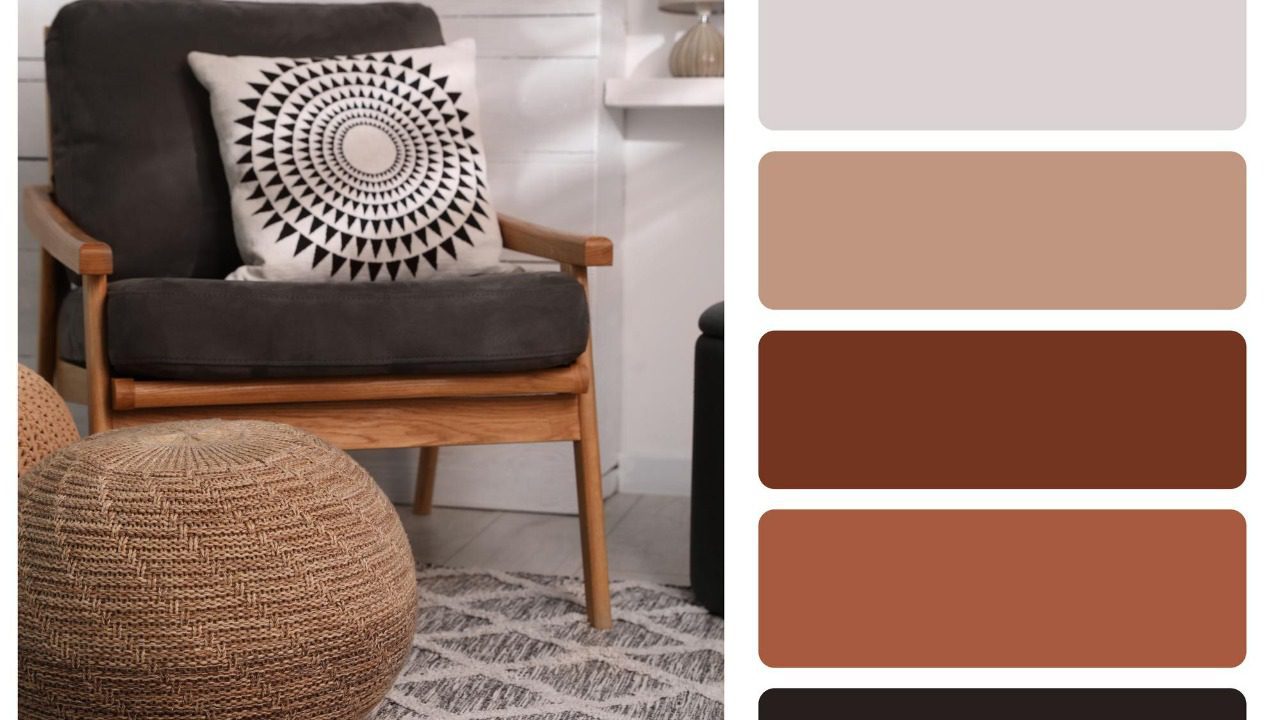
Choosing a color scheme is one of the most fun parts of decorating, but it can also be challenging. There are so many beautiful colors out there, and it’s hard to pick just a few. But having a clear color scheme will help you create a cohesive and harmonious space.
When choosing your colors, think about the mood you want to create. For example, if you want a relaxing bedroom, you might go for soft blues and greys. If you want a vibrant and energetic living room, you might choose bold colors like red and orange. Also, consider the amount of natural light the room gets. Light colors can make a dark room feel brighter, while dark colors can add depth and coziness to a well-lit room.
7. Plan Your Layout

Once you have your inspiration, mood board, measurements, and color scheme, it’s time to plan your layout. Think about where you’ll place your furniture and decor items, and how they’ll affect the flow of the room. A well-planned layout can make a room feel larger, more comfortable, and more functional.
When planning your layout, keep in mind the principles of interior design, such as balance, proportion, and focus. Also, consider your lifestyle and habits. For example, if you love reading, you might want a cozy reading nook near a window. If you often host parties, you might need plenty of seating and a flexible layout that can be re-arranged as needed.
8. Consider the Lighting

Lighting can make or break a room’s ambiance. It’s not just about having enough light to see, but also about creating the right mood. That’s why it’s important to think about lighting when you’re planning your decor.
There are three types of lighting to consider: ambient (general), task (focused on a specific area), and accent (highlighting a certain object or area). A well-designed room usually has a combination of these. For example, in a living room, you might have a ceiling light for ambient lighting, table lamps for task lighting when you’re reading or working, and spotlights to highlight a piece of art or a beautiful plant.
9. Choose Your Furniture

Choosing the right furniture is probably one of the biggest decisions you’ll make when decorating. Your furniture not only needs to be comfortable and functional, but also reflect your style and personality.
When choosing furniture, think about how it will fit into your layout and color scheme. Also, consider the size and scale of the pieces in relation to the room and each other. For example, a large, heavy piece of furniture might overpower a small room or make it feel crowded. On the other hand, too many small pieces can make a room feel cluttered and disjointed.
10. Add Personal Touches
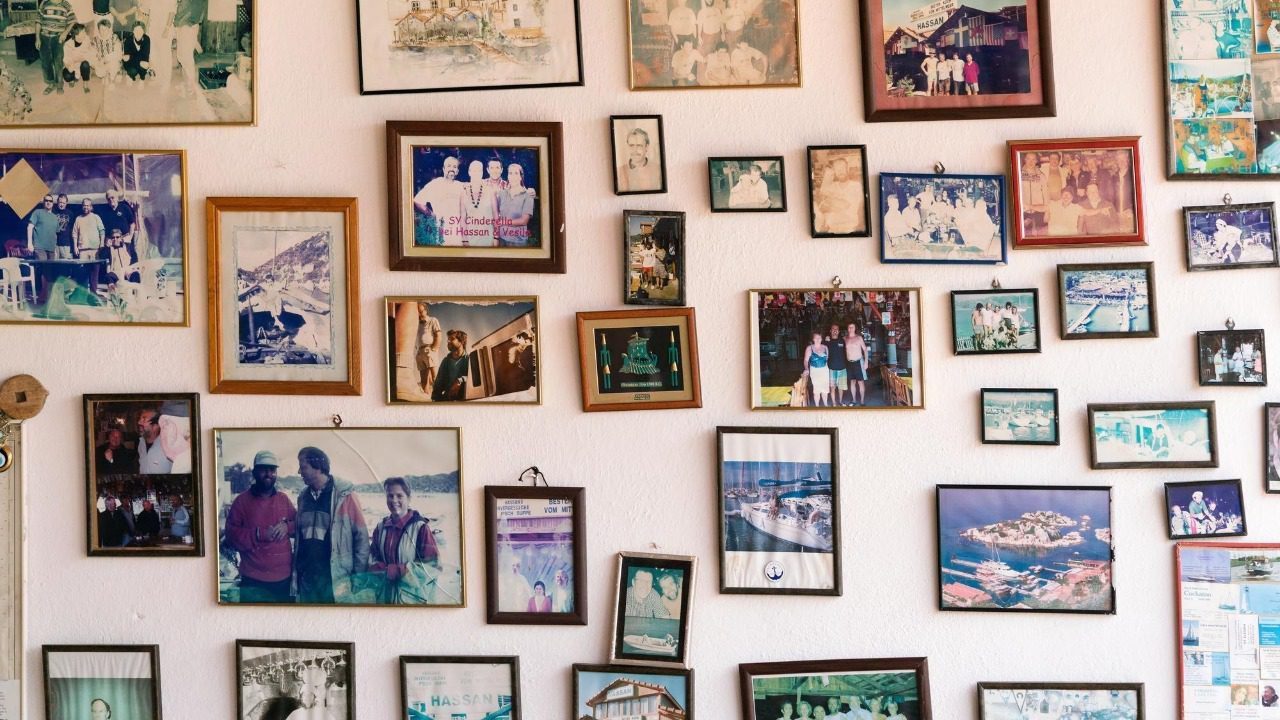
While it’s great to get inspiration from magazines and websites, don’t forget to add your own personal touches. Your space should reflect your personality and tell your story. This could be through family photos, a collection of your favorite books, or a piece of art you love.
Personal touches not only make your space unique, but also make it feel more welcoming and comfortable. They are the things that make a house feel like a home. So, don’t be afraid to showcase your interests, your travels, your loved ones, and even your quirks!
11. Evaluate and Adjust
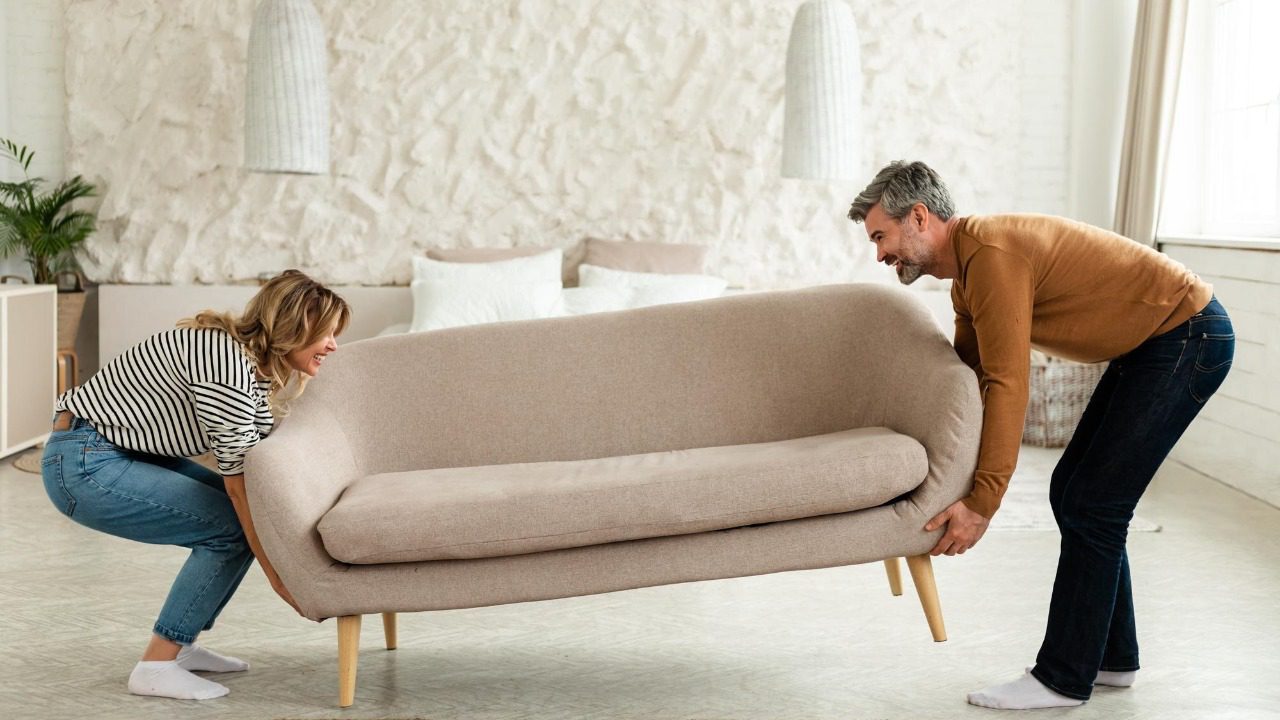
Finally, after you’ve put everything together, take a moment to evaluate your space. Is it comfortable? Functional? Does it reflect your personality? If there’s something you’re not happy with, don’t be afraid to make adjustments. Decorating is a process, and it’s okay to experiment and make changes until you get it just right.
Remember, your space doesn’t have to be perfect. It just has to be perfect for you. So, trust your instincts and create a space you love. Happy decorating!