


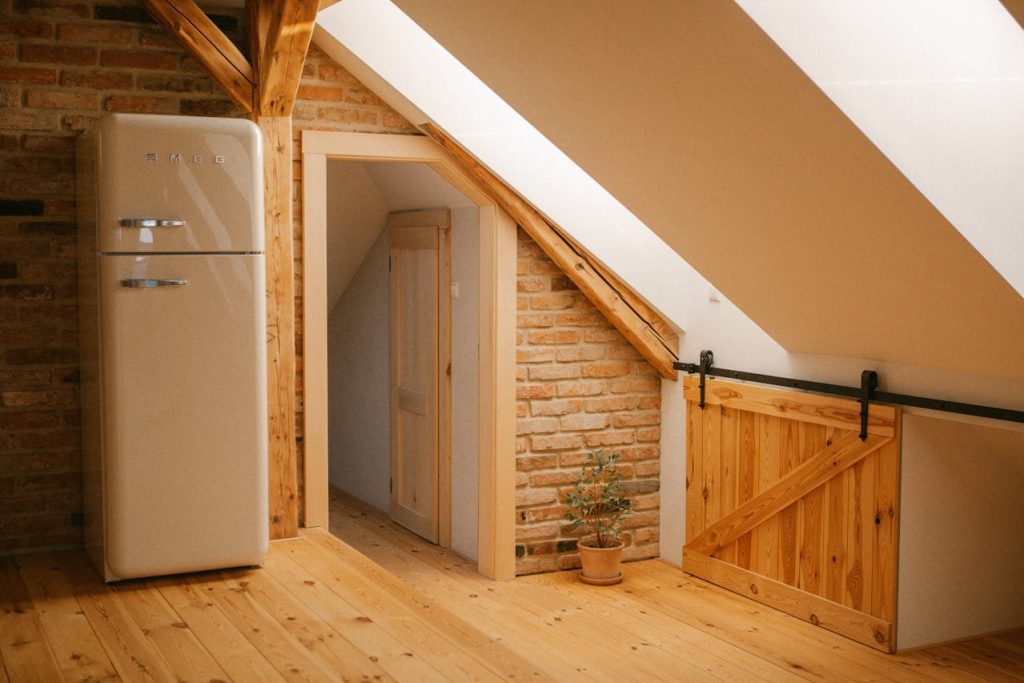
We’ve all been there – shoving boxes of items into the attic without a second thought. After all, out of sight, out of mind, right? But the truth is, not all items are suited to the often fluctuating conditions in our attics. Some materials can be damaged by the heat, cold, or humidity, while others can attract pests or even pose a risk to your home’s structural integrity. Here are the 11 things I’ve learned to never store in my attic anymore.
1. Important Documents


We often think of the attic as a great place to store things we don’t need to access frequently, like old tax returns or birth certificates. However, the fluctuating temperatures and humidity levels in most attics can cause these documents to degrade more quickly than they would in a more stable environment.
Instead, consider storing important documents in a fireproof safe or a safety deposit box. This will not only protect them from the elements, but also from potential disasters like fires or floods.
2. Photographs and Artwork


Photographs and artwork are another category of items that are particularly susceptible to damage in the attic. The heat, cold, and humidity can cause photos to stick together, fade, or even mold. Artwork, whether it’s a valuable painting or your child’s latest masterpiece, can also be damaged by these conditions.
If you must store these items, consider investing in archival quality storage materials. These will protect your photos and artwork from the elements and help to preserve them for future generations.
3. Electronics

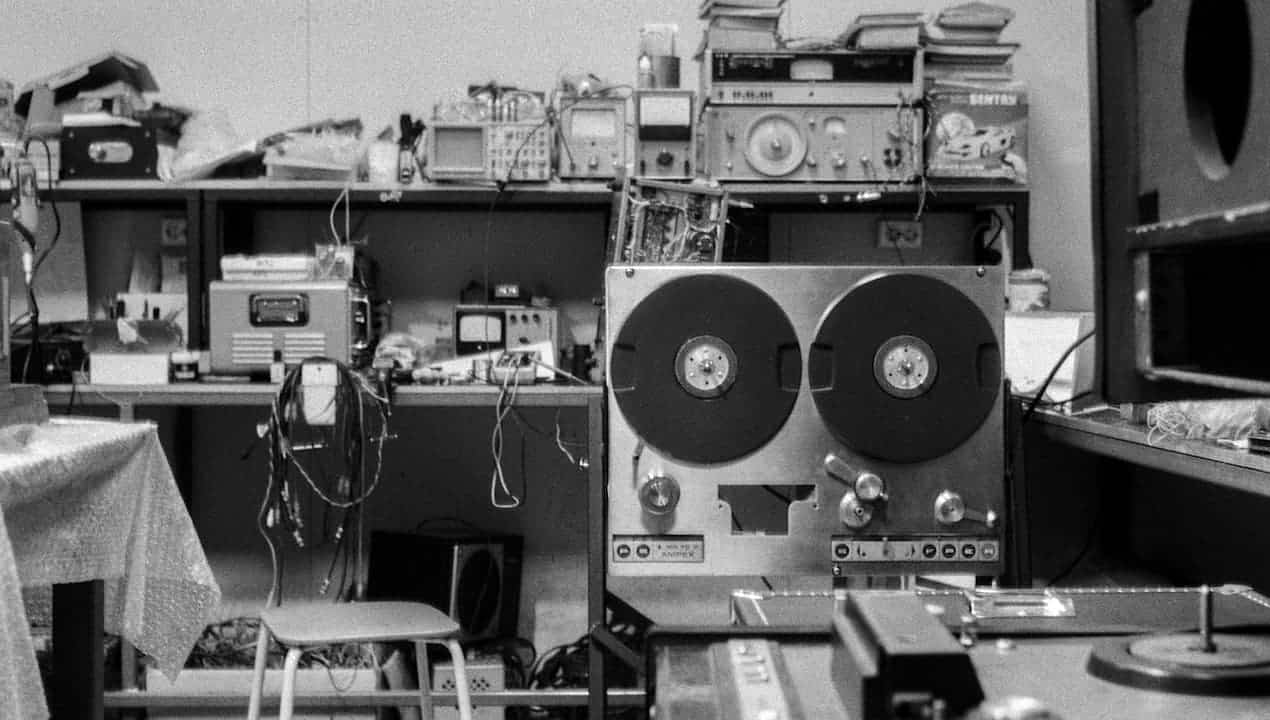
Electronics do not fare well in the attic. The heat can damage components and shorten the lifespan of your devices, while the cold can cause condensation to build up inside, leading to potential short-circuits and other issues.
Your best bet is to store electronics in a climate-controlled environment. If this isn’t possible, at least keep them in a part of your home that stays relatively cool and dry.
4. Vinyl Records

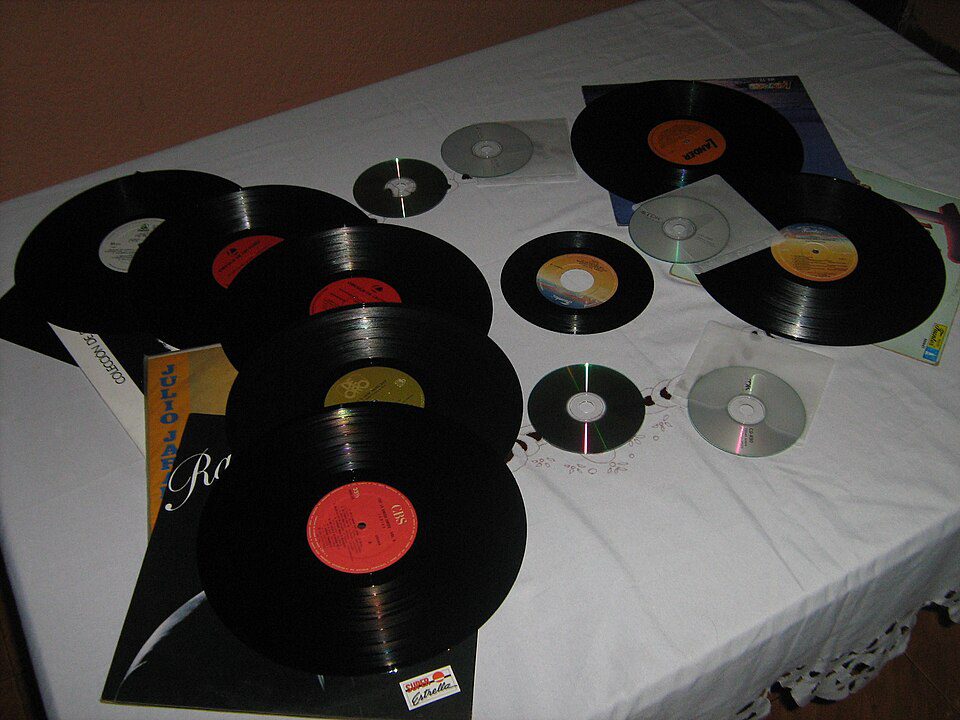
Vinyl records are making a comeback, but the attic is definitely not the place to store your collection. The heat can warp records, while the cold and humidity can damage the album covers and inserts.
Instead, store your vinyl in a cool, dry place. Keep them upright to prevent warping and avoid stacking them on top of each other, which can lead to scratches and damage.
5. Candles

Candles might seem like a harmless item to store in the attic, but the heat can cause them to melt, creating a mess and potentially damaging other items.
Instead of the attic, consider storing candles in a cool, dark cabinet or drawer. This will keep them in good condition until you’re ready to use them.
6. Food

Even non-perishable food items should not be stored in the attic. The fluctuating temperatures can cause food to spoil faster, and the presence of food can attract pests.
Store food in your pantry or another cool, dry place in your home. This will keep it fresh and safe to eat.
7. Wine

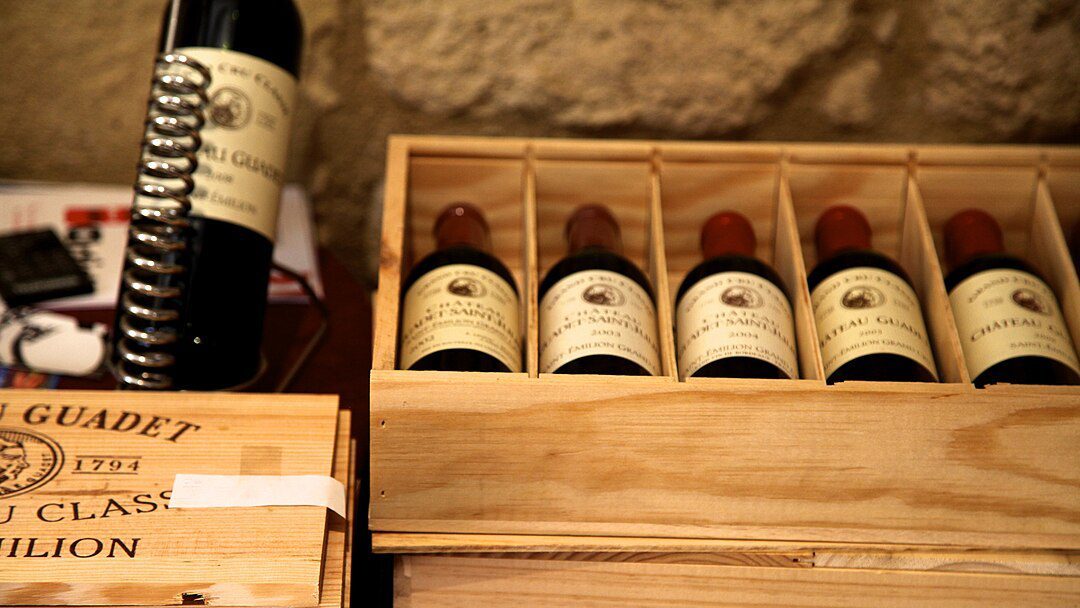
Wine should definitely not be stored in the attic. The heat can cause the wine to age prematurely, ruining its flavor. The cold, on the other hand, can cause the wine to freeze and expand, potentially causing the bottle to crack.
If you’re a wine enthusiast, consider investing in a wine refrigerator or a wine cellar. These provide the ideal storage conditions for wine and can help to preserve its flavor and quality.
8. Leather Goods
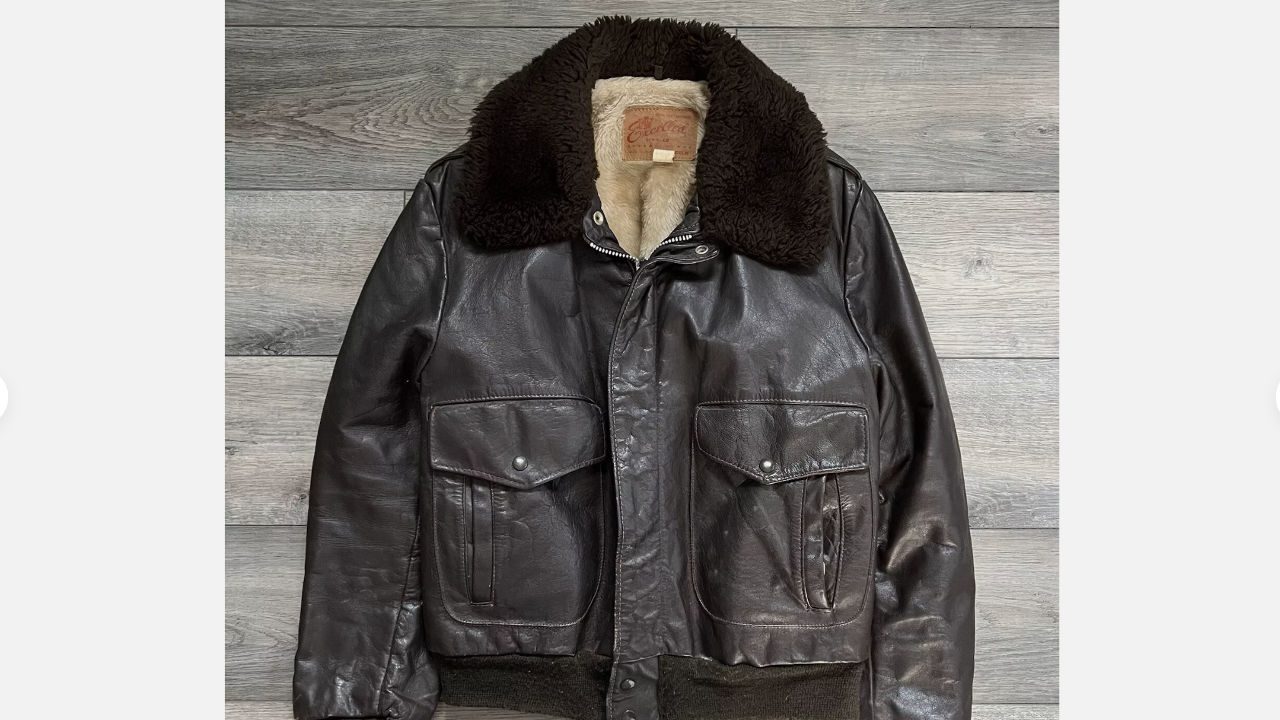
Leather goods like shoes, purses, and jackets can be damaged by the conditions in the attic. The heat can dry out the leather, causing it to crack, while the cold and humidity can lead to mold and mildew.
Store leather goods in a cool, dry place and consider using a leather conditioner to keep them soft and supple.
9. Wooden Furniture
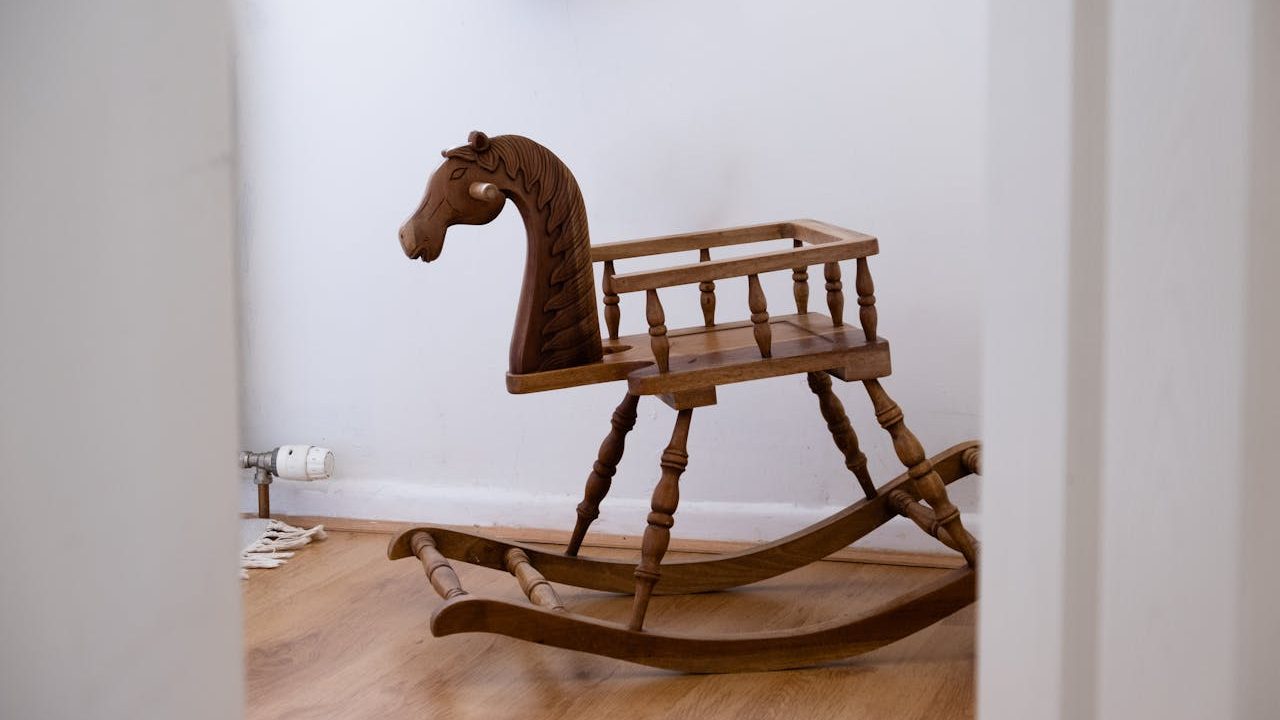
Wooden furniture can be affected by the fluctuating temperatures and humidity in the attic. This can cause the wood to warp or crack, damaging the furniture.
If you need to store wooden furniture, consider renting a climate-controlled storage unit. This will provide a stable environment that will help to preserve your furniture.
10. Musical Instruments


Musical instruments are another item that can be damaged by the conditions in the attic. The heat, cold, and humidity can affect the sound quality of the instrument and can even cause physical damage.
Store musical instruments in a climate-controlled environment and make sure they are properly cleaned and maintained.
11. Cosmetics and Perfumes
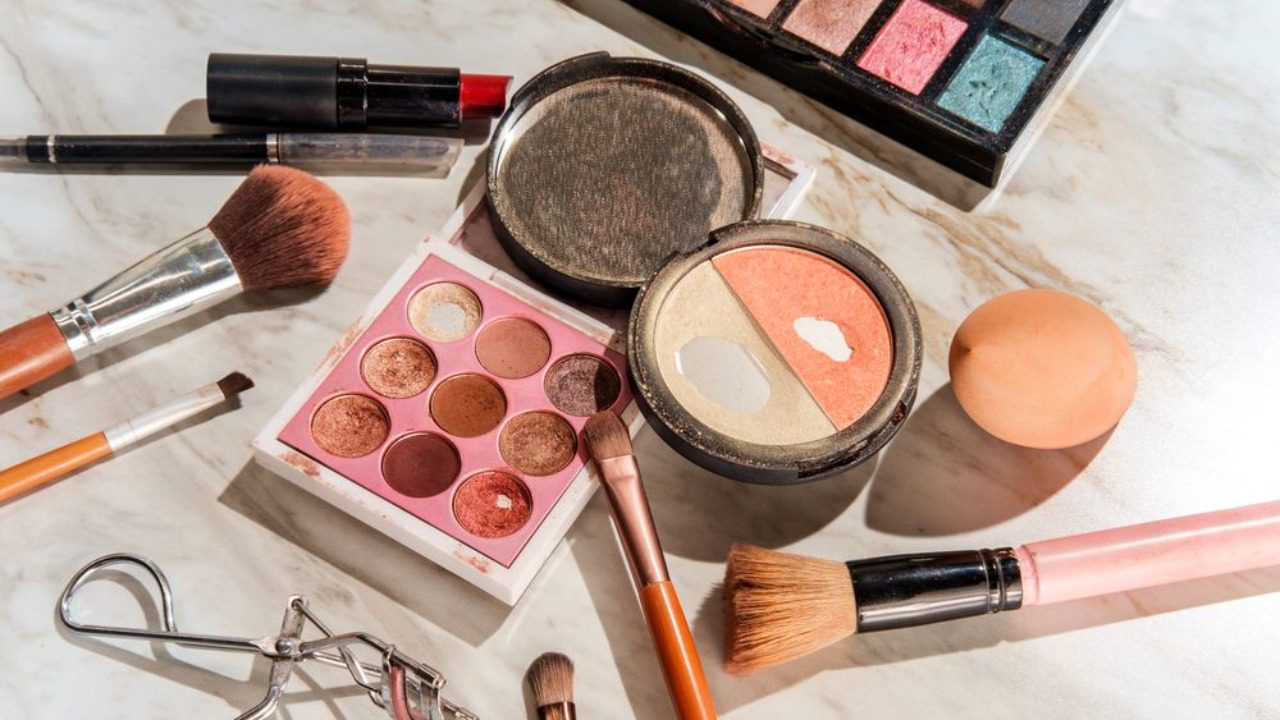
Cosmetics and perfumes can be affected by the heat in the attic. The heat can cause the products to degrade faster, affecting their quality and effectiveness. The cold, on the other hand, can cause some products to freeze and then thaw, changing their texture and consistency.
Store cosmetics and perfumes in a cool, dry place, away from direct sunlight. This will help to preserve their quality and extend their shelf life.