



If you want less clutter, the most powerful move is not another storage bin, it is changing what you bring home in the first place. These 11 buying habits quietly fill your rooms, closets, and hard drives, then drain your time and money. Shift them now and you create space without endless decluttering marathons.

1) Stop Buying Single-Use Kitchen Items
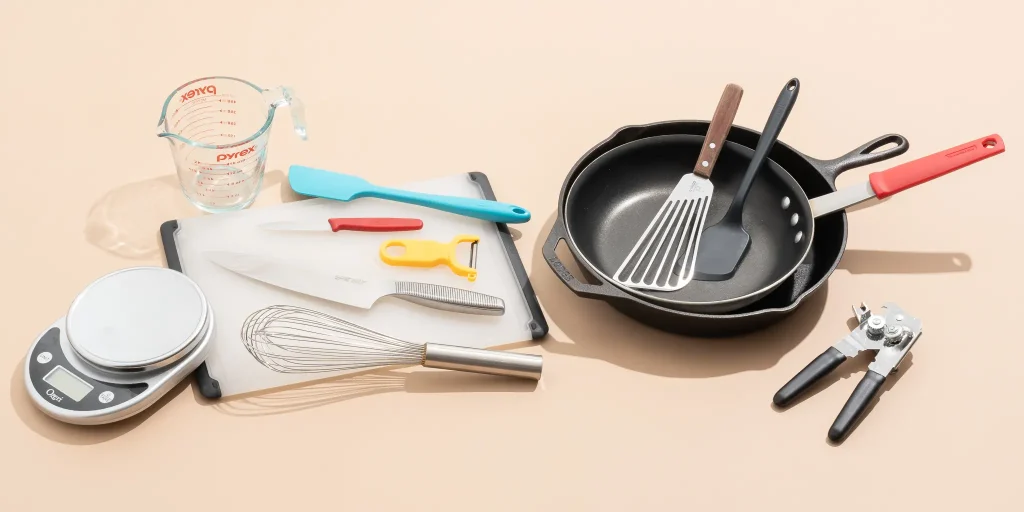
Stop buying single-use kitchen items and you immediately cut both clutter and trash. Disposable storage bags, plastic wrap, and flimsy takeaway containers pile up in drawers, then head straight to the bin after one or two uses. Guidance on what should not go in the trash shows how everyday kitchen waste, from certain food scraps to packaging, is better repurposed or recycled than tossed. When you keep buying throwaway products, you multiply that waste and the storage space it demands.
Instead, a small set of glass containers, silicone bags, and washable cloths can handle most cooking and storage tasks. That swap shrinks the number of boxes and rolls you store under the sink, and it also reduces how often you take out the trash. Over time, this change lowers your grocery bill and keeps counters, cabinets, and recycling bins from overflowing with “just in case” disposables you never actually finish.
2) Stop Buying Duplicate Wardrobe Pieces
Stop buying duplicate wardrobe pieces and your closet instantly feels calmer. Professional organizers warn that over-accumulating clothing is one of the habits that drives them “crazy,” because it creates visual chaos and hides what you already own. Their list of organizing pet peeves calls out buying the same black leggings, white T-shirts, or jeans on repeat instead of using what is already hanging there. The result is crowded rails, stuffed drawers, and constant laundry bottlenecks.
To cut this clutter, you can pause before purchasing and ask whether you already have an item that serves the same function. A simple inventory of your basics, from work shirts to workout gear, helps you see where you are fully stocked. This approach saves money, but it also makes getting dressed faster, because you are choosing from a curated set of pieces instead of digging through near-identical stacks.
3) Stop Buying Replaceable Sentimental Objects
Stop buying replaceable sentimental objects and focus on preserving the ones that truly matter. When you declutter, experts advise you to keep core items like family photos, heirloom jewelry, and meaningful letters, because replacing them later is impossible and often leads to regret. Guidance on what to keep when decluttering stresses that holding on to a small, carefully chosen group of sentimental pieces prevents you from chasing substitutes in the future.
If you let go of meaningful items too quickly, you may find yourself buying “replacement” frames, prints, or decor that never quite fills the gap, adding clutter without emotional value. By protecting a tight collection of originals, you avoid that cycle. You also give yourself a clear boundary: you do not need every nostalgic trinket from every trip, just a few that earn their space. That mindset keeps shelves and drawers from filling with generic souvenirs.
4) Stop Buying Unnecessary Digital Subscriptions
Stop buying unnecessary digital subscriptions and you reduce both virtual and physical clutter. After installing a new system, some experts immediately remove trial software, disable bundled apps, and adjust settings so that only essential programs run, a strategy highlighted in advice on setting up Windows 11. If you keep saying yes to every streaming service, cloud backup, and “pro” upgrade, you accumulate unused files, duplicate apps, and extra devices to access them.
That digital excess spills into your home as external hard drives, spare tablets, and piles of printed statements or manuals. Regularly auditing your subscriptions, canceling what you have not used in months, and consolidating services where possible frees up storage space and mental bandwidth. It also cuts recurring charges that quietly drain your budget, giving you more control over both your data and your living space.
5) Stop Buying Trendy Gadgets
Stop buying trendy gadgets and you avoid a major source of clutter on counters and in drawers. People who reach higher income levels often report that they stop purchasing novelty tech and cheap accessories once they “know better,” because these items rarely justify the space they occupy. Lists of things people stop buying include extra phone accessories, single-purpose kitchen devices, and flashy electronics that lose appeal quickly.
When you chase every new device, you end up storing outdated chargers, unused smart-home hubs, and duplicate headphones. Instead, you can prioritize multiuse tools and wait before buying to see if a gadget solves a real problem. This shift keeps surfaces clearer and makes it easier to maintain and update the tech you truly rely on, rather than managing a graveyard of forgotten devices.
6) Stop Buying Non-Essential Home Decor
Stop buying non-essential home decor and your rooms will feel more spacious without a single donation run. Minimalist experts emphasize that “the less you bring in, the less stuff you have,” a principle explained in guidance on reducing clutter with minimalism. When you routinely pick up extra vases, trays, and figurines, you fill every flat surface, then start buying shelves and cabinets to hold the overflow.
Instead, you can decide that decor must either serve a function, such as lighting or storage, or carry genuine emotional weight. That filter makes it easier to walk past discount aisle knickknacks and seasonal impulse buys. Over time, your home reflects a smaller number of pieces you truly enjoy, which simplifies cleaning and makes each item more noticeable and meaningful.
7) Stop Buying Impulse Grocery Extras
Stop buying impulse grocery extras and your kitchen cabinets will stop overflowing. People who live clutter-free often rely on small daily habits, such as checking what is already in the fridge and pantry before shopping, a routine described in advice on decluttering your life. When you skip that step, it is easy to toss in extra sauces, snacks, and duplicates of staples you already own, which then expire at the back of the shelf.
By planning meals around what you have and sticking to a list, you reduce the number of half-used jars and forgotten boxes taking up space. This approach also cuts food waste and saves money, since you are not paying for items that end up in the trash. Over time, your pantry becomes a working space instead of a storage zone for abandoned experiments and bulk bargains.
8) Stop Buying College Dorm Redundancies
Stop buying college dorm redundancies and you avoid turning a small room into a storage unit. Organizers and students point out that many people arrive on campus with multiple sets of linens, extra appliances, and decorative storage that never gets used, as detailed in guidance on what not to bring to college. Those extras end up under beds, in shared closets, or stacked in corners, making tight spaces feel even smaller.
Coordinating with roommates before shopping, and checking what the dorm already provides, helps you skip duplicates like irons, printers, and mini-fridges. Focusing on a single set of bedding, a compact set of dishes, and versatile organizers keeps move-in simpler and move-out far less stressful. This habit of questioning “do I really need a backup?” can follow you long after graduation.
9) Stop Buying Fast Fashion Accessories
Stop buying fast fashion accessories and your wardrobe will be easier to manage. People who reassess their spending often decide to stop purchasing cheap jewelry, belts, and bags that fall apart quickly, a shift echoed in lists of things completely stopped buying. These items tend to accumulate in tangled piles, with missing pieces and broken clasps, yet they are rarely worn.
Choosing a few higher-quality accessories that match most of your outfits reduces the number of boxes, hooks, and trays you need. It also cuts the time you spend sorting and decluttering small items. As a bonus, you are less likely to chase every micro-trend when you know your core pieces already work, which keeps both your closet and your budget under control.
10) Stop Buying Seasonal Storage Solutions
Stop buying seasonal storage solutions and you will not need a second home for your stuff. The minimalist reminder that “the less you bring in, the less stuff you have” applies strongly to holiday decor and seasonal gear, as explained in advice on the best way to reduce clutter. When you keep adding new ornaments, themed tableware, and novelty items each year, you then feel compelled to buy more bins, labels, and shelving to contain them.
Instead, you can set a firm limit, such as a specific number of boxes per season, and let that boundary guide what you buy. If something new comes in, something old goes out. This approach keeps garages, attics, and closets from turning into archives of past holidays, and it makes decorating faster because you are working with a manageable, well-loved collection.
11) Stop Buying Unread Books or Magazines
Stop buying unread books or magazines and your shelves will finally match your reading life. People who maintain clutter-free homes often curate their media intake, choosing what they will realistically use instead of stockpiling for “someday,” a habit described in routines that help you curb the desire to consume. Stacks of unread paperbacks, glossy issues, and special editions quickly dominate coffee tables, nightstands, and office corners.
By using libraries, digital borrowing, or a strict “one in, one out” rule, you keep your collection aligned with your actual interests. This not only frees physical space but also reduces the guilt that can come from seeing piles of unfinished material. Your home becomes a place where the books and magazines you see are the ones you genuinely enjoy, not a backlog of obligations.
More from Decluttering Mom: