



Sleep is an essential part of our well-being. A good night’s rest can help improve memory, productivity, and overall health. However, in today’s fast-paced world, quality sleep can often be elusive. It’s no secret that your bedroom environment can significantly influence the quality of your sleep. Therefore, it’s essential to make it as restful as possible. Here are my 11 tips on how to make your bedroom more restful.
1. Keep it Dark


Light can interfere with your body’s internal clock and affect your sleep. The darker your bedroom, the better you’re likely to sleep. Consider investing in blackout curtains or shades. They can effectively block out external light, making your room darker and more conducive for sleep.
If you’re on a budget, a sleep mask can also be a great alternative. It serves the same purpose – blocking out light, and it’s portable, making it perfect for those who frequently travel. If you use electronic devices before bed, try to minimize their light emissions or use a blue light filter, as blue light can interfere with your sleep.
2. Keep it Cool


The temperature of your bedroom can also significantly impact your sleep quality. Most people sleep better in a cool environment. The National Sleep Foundation recommends keeping your bedroom around 65 degrees Fahrenheit (18 degrees Celsius) for optimal sleep.
Of course, everyone is different, so find the temperature that works best for you. If you find it too cold, consider using breathable bedding or wearing light pajamas. During summer, you can use a fan or air conditioner to keep your bedroom cool.
3. Keep it Quiet


Noise can be a major sleep disruptor. It’s essential to keep your bedroom as quiet as possible. You can use earplugs to block out noise or use a white noise machine to mask disruptive sounds.
If you live in a noisy neighborhood, consider investing in soundproofing your bedroom. This could include adding extra insulation, sealing gaps around windows and doors, or even using soundproof curtains.
4. Invest in a Good Mattress and Pillow


Your bed can make or break your sleep. It’s important to invest in a good mattress and pillow that support your body properly and provide comfort.
The type of mattress and pillow you need can depend on your sleeping position, body weight, and personal preference. It’s advisable to test a mattress and pillow before buying. Most companies offer a trial period, which can be very helpful.
5. Keep it Clean and Tidy

A clean and tidy bedroom can help create a calming and restful environment. Make your bed every morning and keep your bedroom free from clutter.
Regularly clean your bedroom, including your bedding. Dust mites can accumulate in your bedding and cause allergies, which can disrupt your sleep. It’s recommended to wash your bedding at least once a week.
6. Use Relaxing Scents

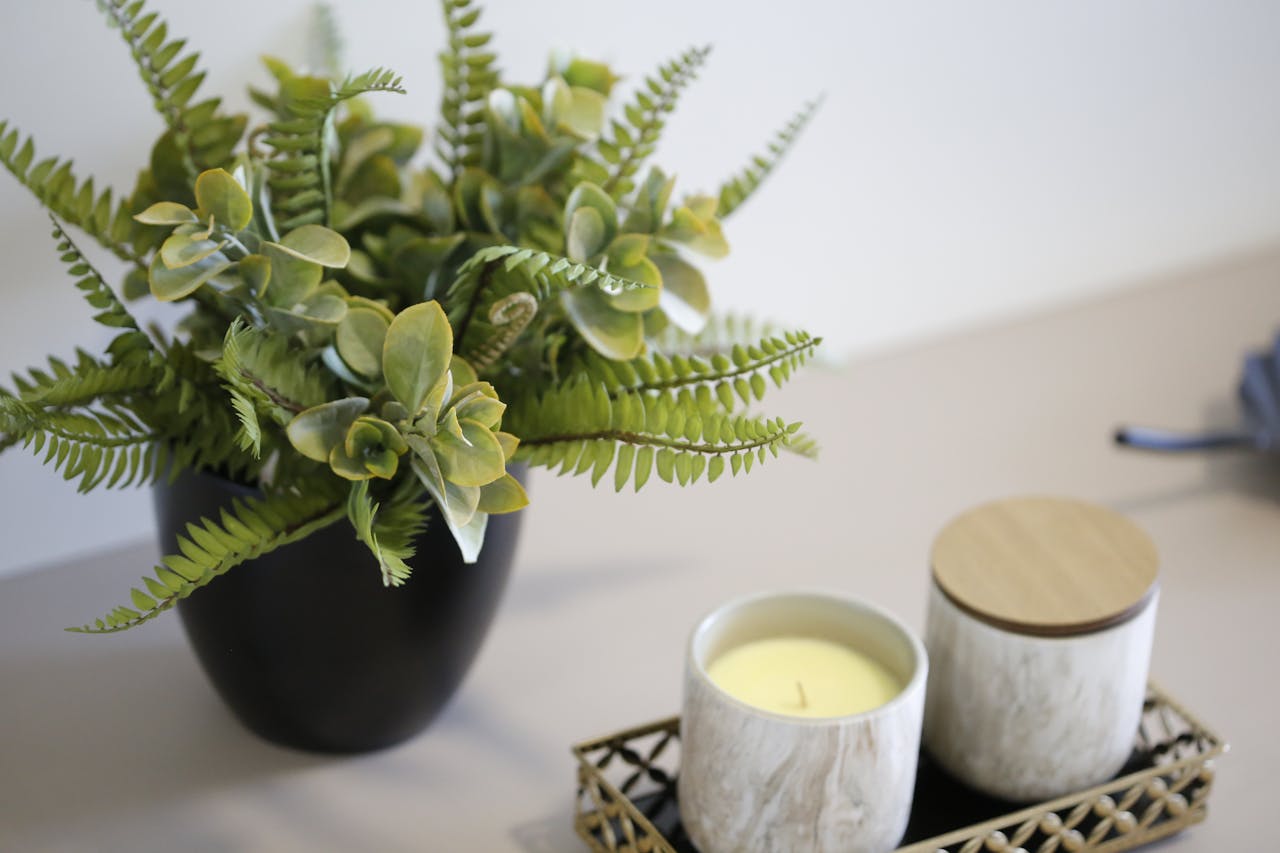
Certain scents, like lavender and chamomile, have been shown to promote relaxation and sleep. Consider using a diffuser with essential oils or scented candles in your bedroom.
However, be mindful of safety. Never leave a burning candle unattended, and ensure your diffuser is designed for safe overnight use.
7. Limit Bedroom Activities

Your bedroom should be a sanctuary for sleep. Limit bedroom activities to sleep and sex only. This can help strengthen the association between your bedroom and sleep.
Avoid working, eating, or watching TV in your bedroom. These activities can make it harder for you to wind down and fall asleep.
8. Use Calming Colors

The colors in your bedroom can affect your mood and sleep. Calming colors, like blue, green, and gray, can help create a soothing environment conducive to sleep.
When choosing colors for your bedroom, consider your personal preferences. What one person finds calming might not work for someone else.
9. Control Humidity Levels

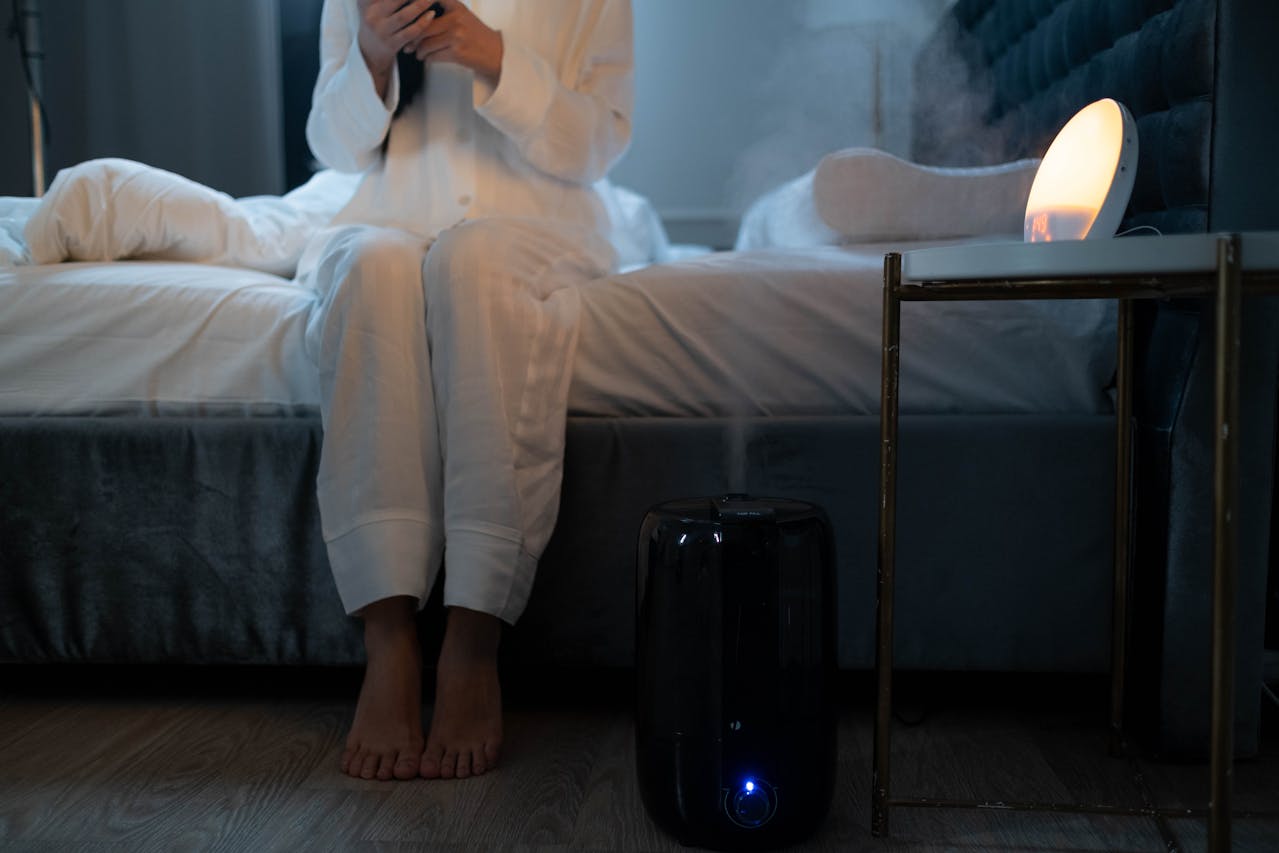
High humidity can make your bedroom feel stuffy and uncomfortable, leading to disrupted sleep. Consider using a dehumidifier to control humidity levels in your bedroom.
On the other hand, low humidity can cause dry skin and throat, which can also disrupt your sleep. A humidifier can help add moisture to the air, making your bedroom more comfortable.
10. Use Soft Lighting

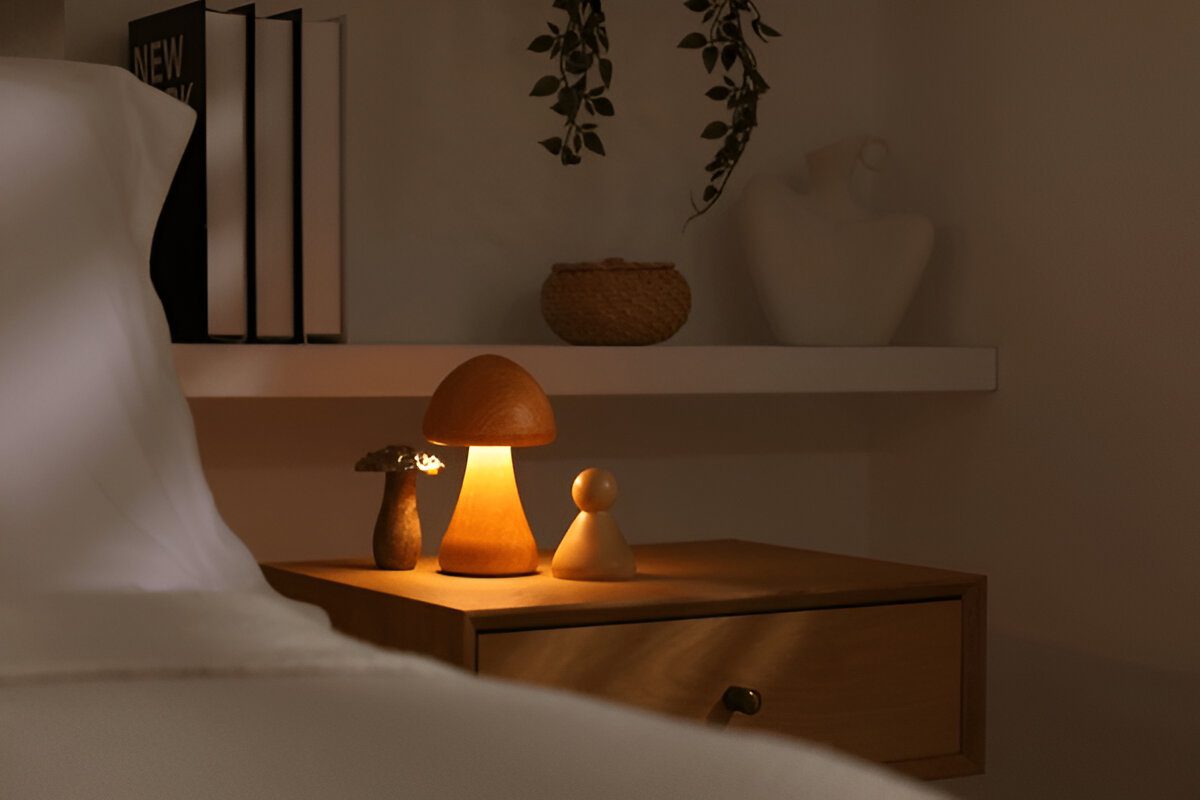
Avoid using bright lights in your bedroom. Instead, opt for soft, warm lighting. Dimmer switches can be very helpful, allowing you to adjust the light level to your liking.
If you like to read before bed, consider using a reading light with a warm glow. Avoid using electronic devices as they emit blue light, which can interfere with your sleep.
11. Decorate with Plants

Plants can help improve air quality and create a calming environment. Some plants, like snake plants and aloe vera, are known for their air-purifying properties.
However, be mindful of potential allergies. If you’re allergic to pollen, avoid flowering plants. Also, ensure the plants you choose are safe for any pets you may have.