


Want to save some money while helping the planet? It’s easier than you might think. Cutting your water bill in half is just a few steps away.
With some simple changes to your habits and perhaps a few upgrades to your home appliances, you can drastically reduce your water usage.
Not only will this help you save some cash, but it will also help conserve a valuable resource. So, let’s dive in and explore how you can start reducing your water bill today.
1. Install Water-Saving Fixtures and Appliances


Switching out your old fixtures and appliances for water-saving models is a great way to cut down on your water usage. For example, a low-flow showerhead can reduce the amount of water you use in the shower by up to 50%. Similarly, opt for an Energy Star-rated washing machine, which can use 40% less water than standard models. These changes might require an initial investment, but the savings you’ll make in the long run will be well worth it.
It doesn’t stop at showerheads and washing machines, though. Consider also upgrading your faucets and toilets. A faucet aerator can reduce water flow from your taps, while a dual-flush toilet can give you the option of using less water for lighter flushes. To learn more about water-saving fixtures and appliances, check out this article by Dovis Plumbing.
2. Limit Your Laundry Loads
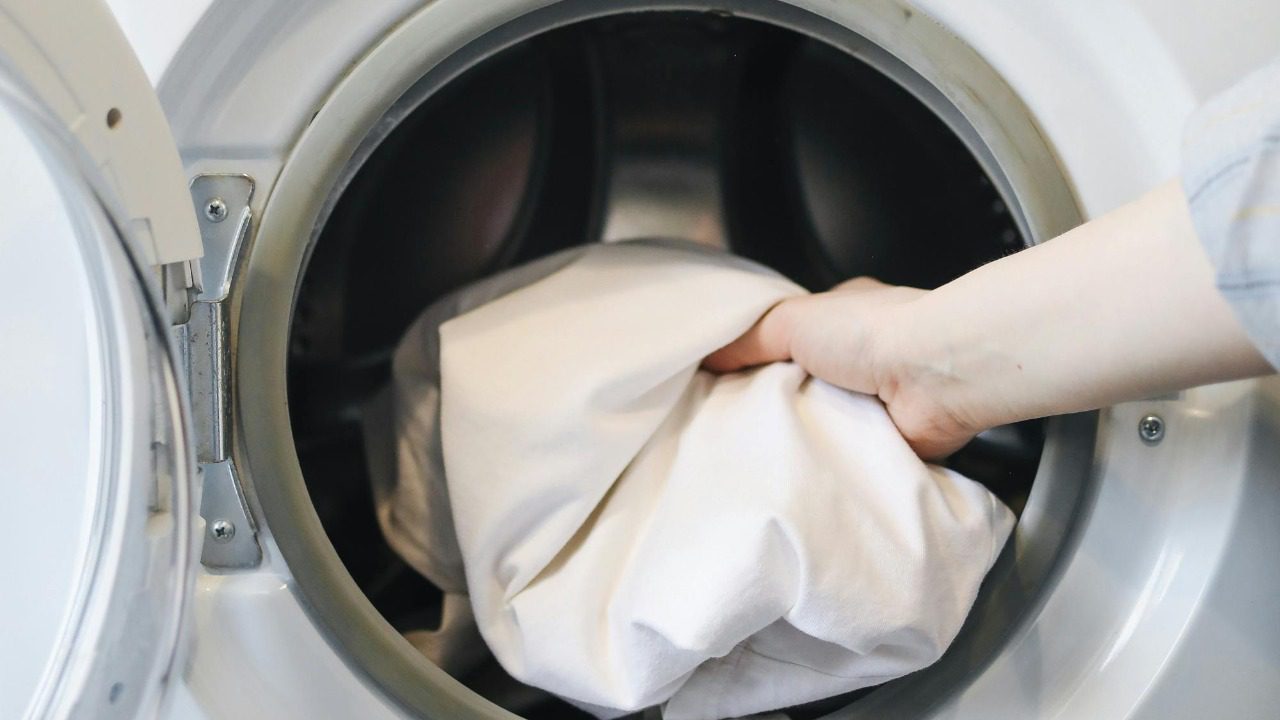
Did you know that the average washing machine uses about 30 gallons of water per load? By reducing the number of loads you do each week, you can save a significant amount of water. Try to only wash full loads and consider wearing items like jeans and sweaters more than once before washing them. If you have to wash a smaller load, make sure to adjust the water level accordingly.
Also, consider the type of detergent you use. Some detergents work effectively in cold water, which means you won’t need to use as much hot water. Not only does this save water, but it also reduces your energy usage, which can help lower your energy bill as well. For more tips on cutting down your energy bill, take a look at this article from High Country News.
3. Fix Leaks Immediately

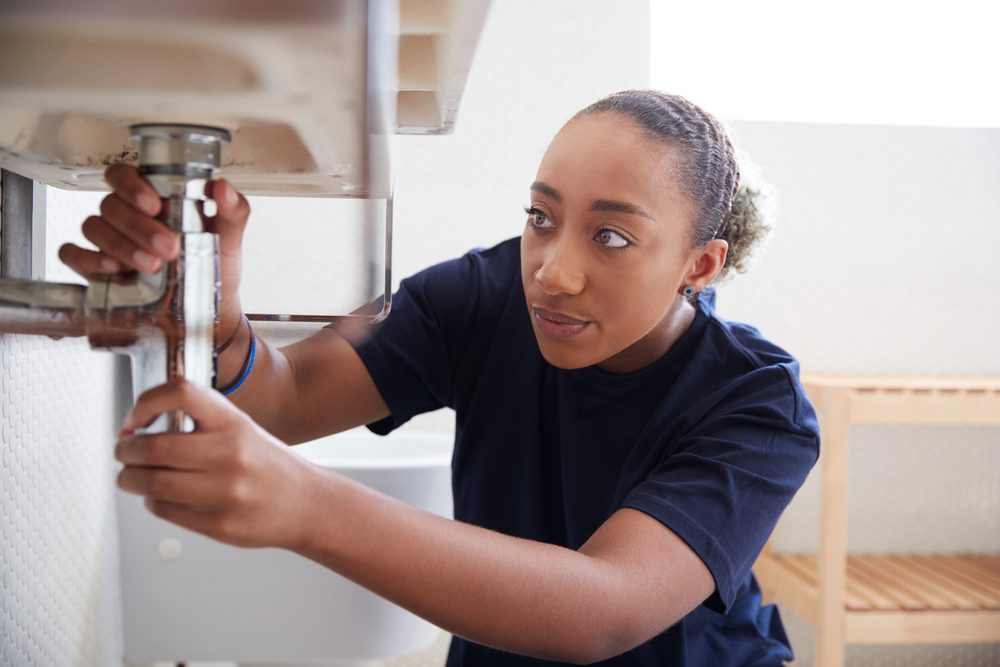
Even a small leak can waste a lot of water over time. A dripping faucet, for example, can waste up to 3,000 gallons of water a year. So, if you notice a leak, don’t put off fixing it. It may seem like a minor issue, but the water (and money) it’s wasting can quickly add up.
Common places to check for leaks include faucets, showerheads, and toilets. If you’re unsure how to fix a leak yourself, don’t hesitate to call a plumber. The cost of the repair will likely be less than the cost of the wasted water.
4. Reduce Your Shower Time

We all love a long, hot shower, but it’s a luxury that can use a lot of water. Try to limit your showers to 10 minutes or less. If you need help keeping track of time, consider getting a shower timer. These simple devices can help you become more aware of how much time you’re spending in the shower and encourage you to speed things up.
If you want to go a step further, consider turning off the water while you lather up or shave. This technique, known as a “navy shower,” can save up to 15 gallons of water per shower. That’s a lot of water saved over time!
5. Collect Rainwater for Outdoor Use

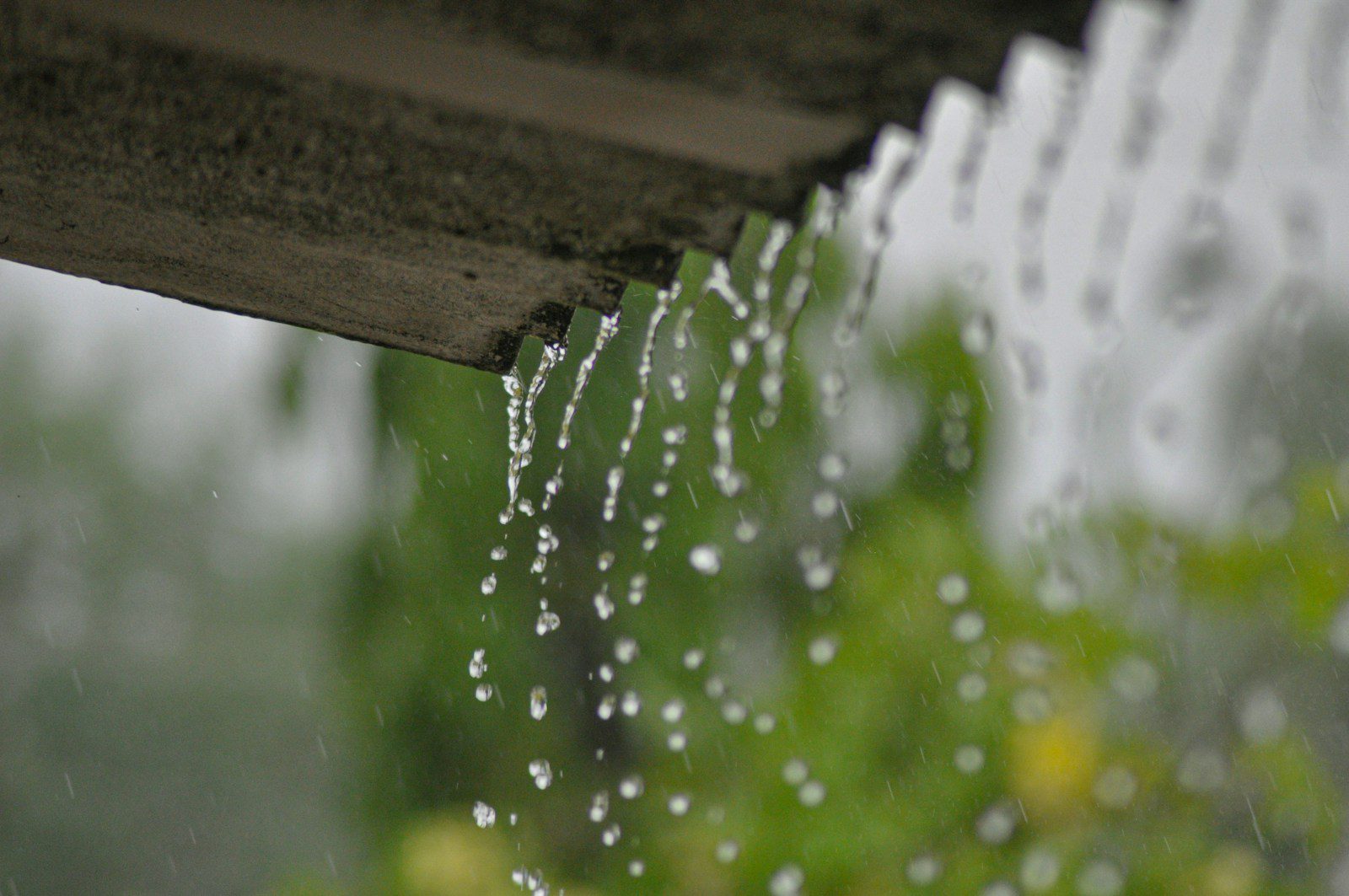
If you have a garden or lawn, you know how much water it can require. One way to reduce this is by collecting rainwater for outdoor use. Not only will this save you money on your water bill, but it’s also better for your plants. Rainwater is naturally soft and free of chlorine, which can be harmful to plants.
Setting up a rainwater collection system can be as simple as placing a barrel under your downspout. Just make sure it’s covered to prevent mosquitoes from breeding. For more creative ways to save on your utility bills, have a look at this blog post from The Water Scrooge.
6. Upgrade to an Energy-Efficient Dishwasher

Believe it or not, washing dishes by hand can use more water than a dishwasher. But not just any dishwasher will do. Look for an Energy Star-rated model, which can use as little as 3 gallons per load. That’s significantly less than the 27 gallons that can be used during hand washing. Plus, you’ll save time and energy.
If you already have a dishwasher, make sure to only run it when it’s full. This will maximize its efficiency and save water. Also, avoid using the pre-rinse setting, as it’s usually unnecessary and can waste water.
7. Only Run Full Loads of Dishes
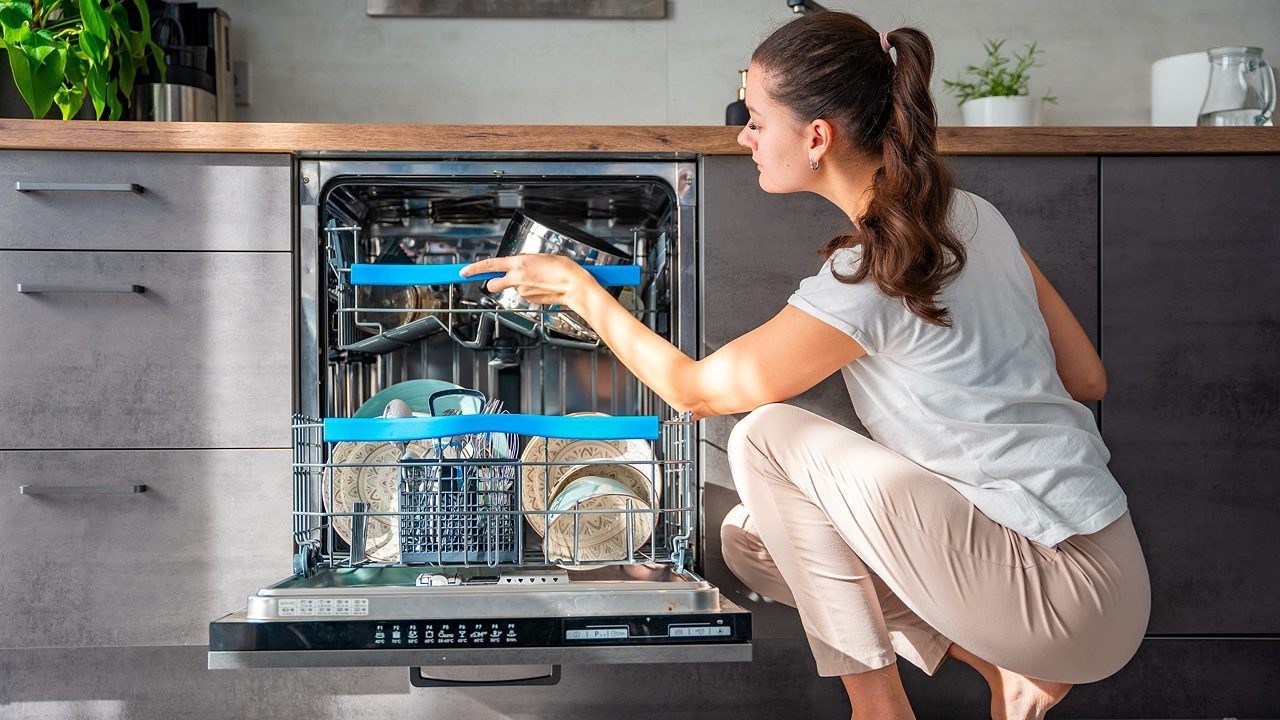
Just like with your laundry, it’s best to only run your dishwasher when it’s full. This maximizes the efficiency of the machine and saves water. If you can’t wait for a full load, consider using the machine’s eco mode, if it has one. This setting uses less water and energy.
If your dishwasher doesn’t have an eco mode, try to at least avoid using the pre-rinse feature. Most modern dishwashers are powerful enough to clean dishes without needing them to be pre-rinsed, so this feature can often be a waste of water.
8. Replace Your Old Toilet with a Low-Flow Model

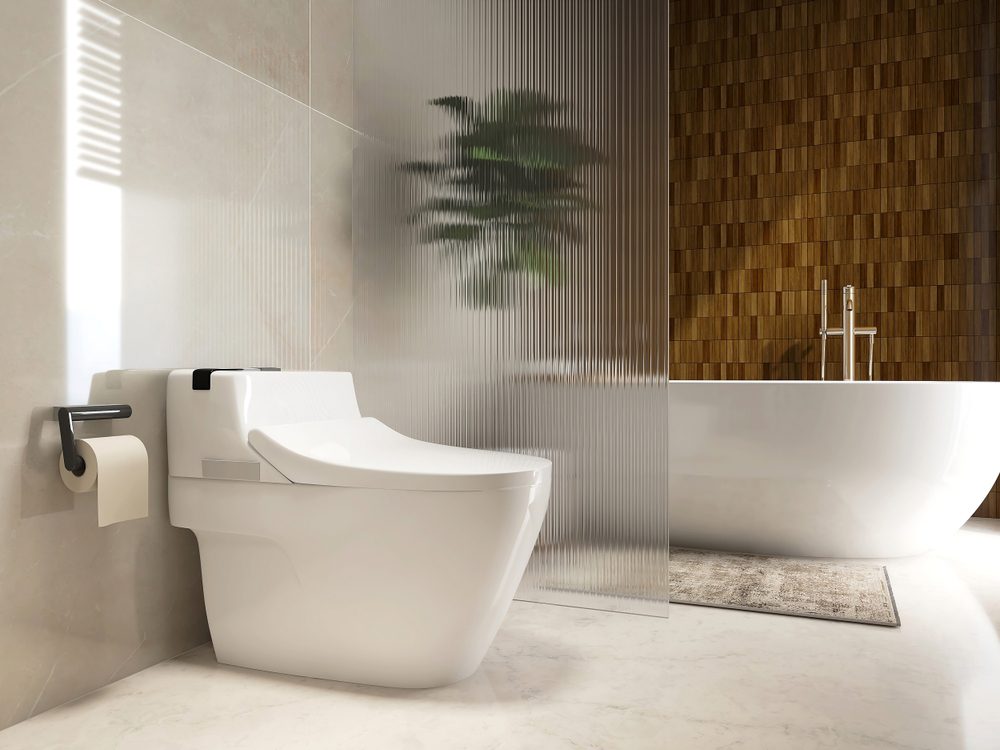
Toilets can be a major source of water consumption in your home. Older models can use up to 6 gallons per flush, while a low-flow model uses as little as 1.28 gallons. That’s a significant difference! Plus, many low-flow toilets now come with a dual-flush option, which uses even less water for lighter flushes.
Replacing your toilet may seem like a big job, but it can be a worthwhile investment. Plus, many local governments offer rebates for installing water-efficient appliances, so be sure to check if you’re eligible. For more information on the benefits of low-flow toilets, check out this article from PLOS.
9. Water Your Garden During Cooler Times of the Day

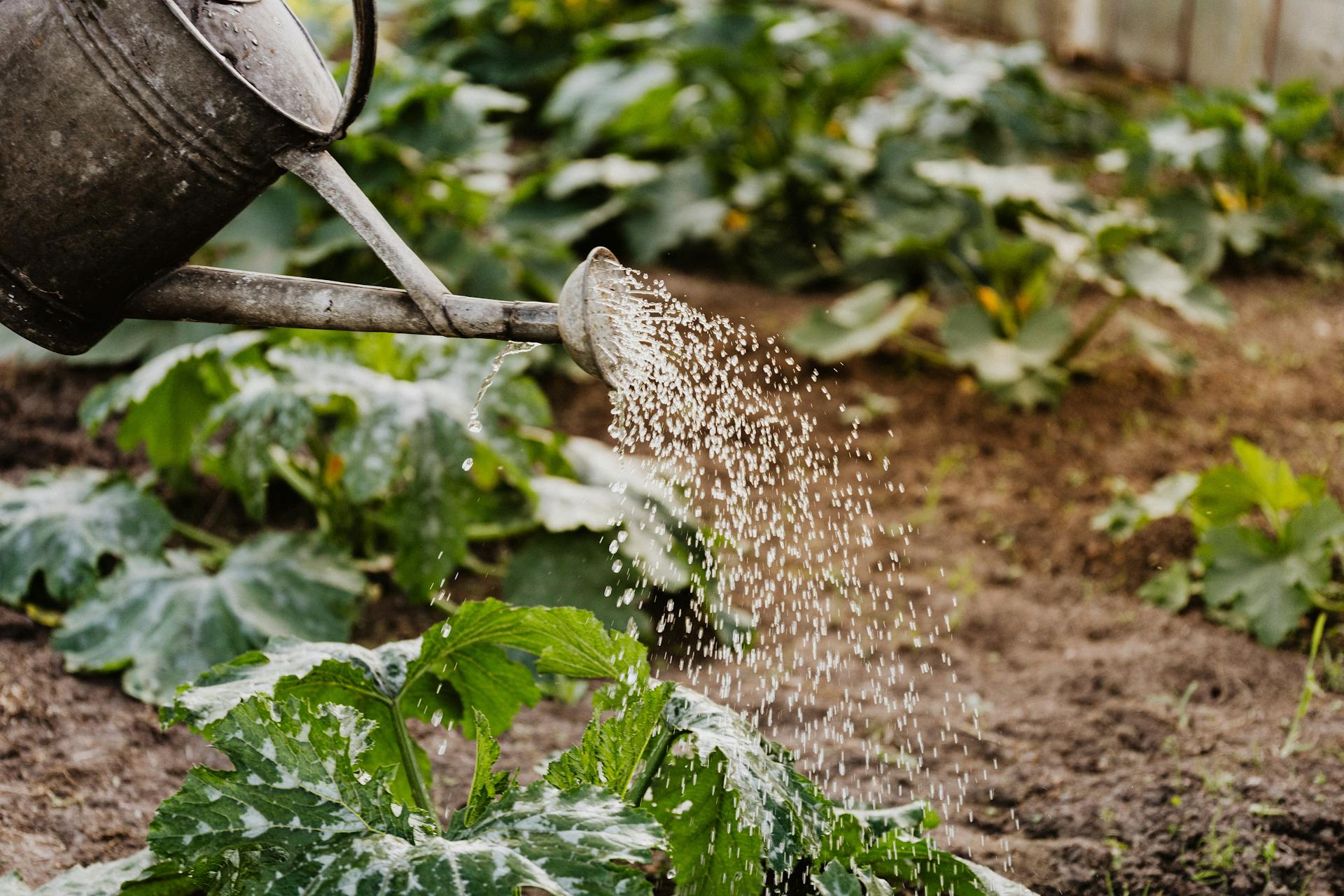
When you water your garden can have a big impact on how much water you use. Watering during the hottest parts of the day can result in a lot of the water evaporating before it has a chance to soak into the soil. Instead, try to water early in the morning or late in the evening when temperatures are cooler.
If you have a sprinkler system, consider installing a timer to ensure you’re watering at the optimal times. Also, make sure you’re watering the roots of your plants, not the leaves. This will ensure the water is going where it’s needed most.
10. Install a Water Meter to Monitor Usage
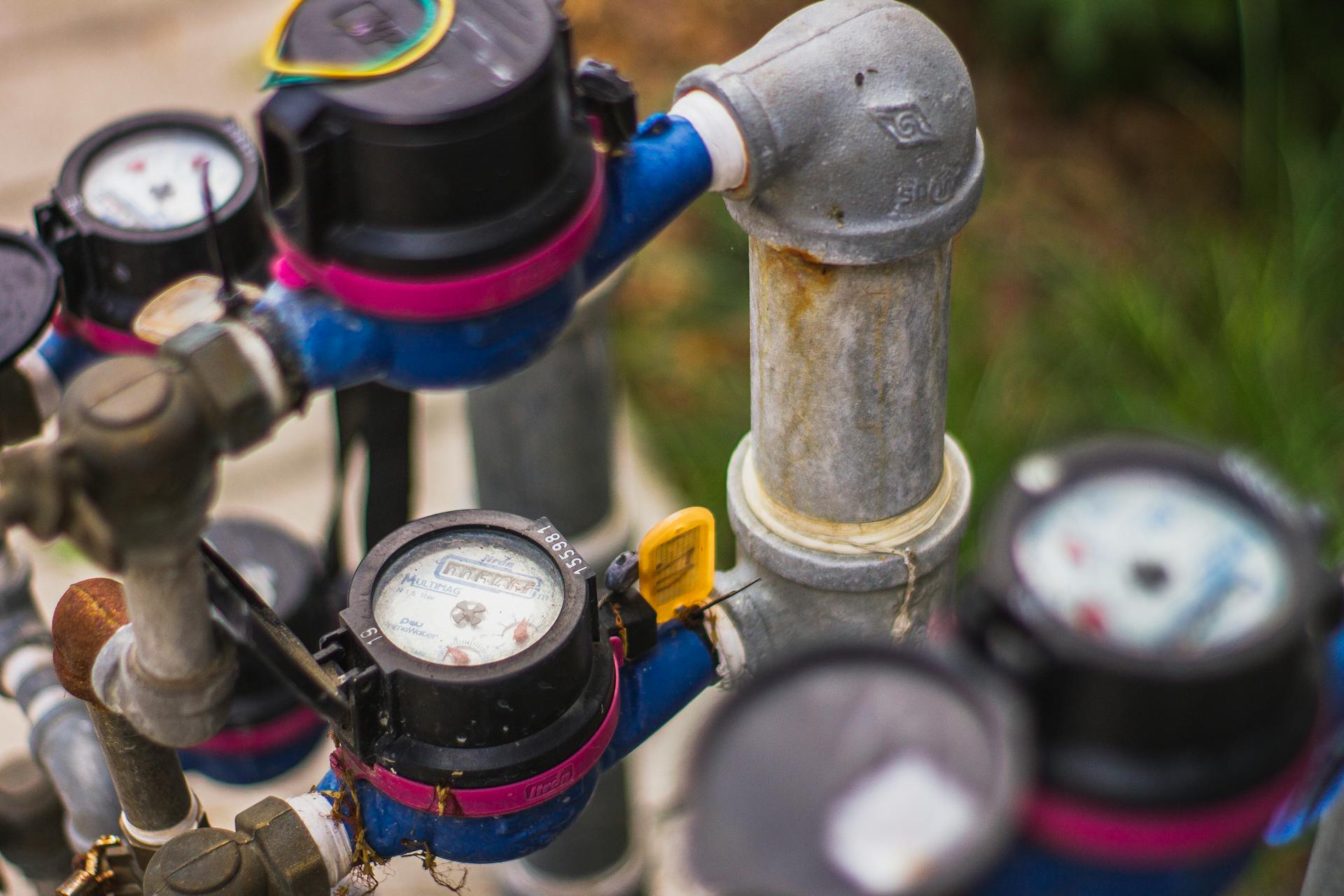
One of the best ways to cut down on your water usage is simply to be more aware of how much you’re using. Installing a water meter can help with this. It will allow you to monitor your water usage in real-time and see exactly where your water is going.
Once you have a better idea of your water usage, you can start making changes to reduce it. You might be surprised at how much water certain activities use, and knowing this can help you make more informed decisions about your water use.
11. Use a Pool Cover to Reduce Evaporation

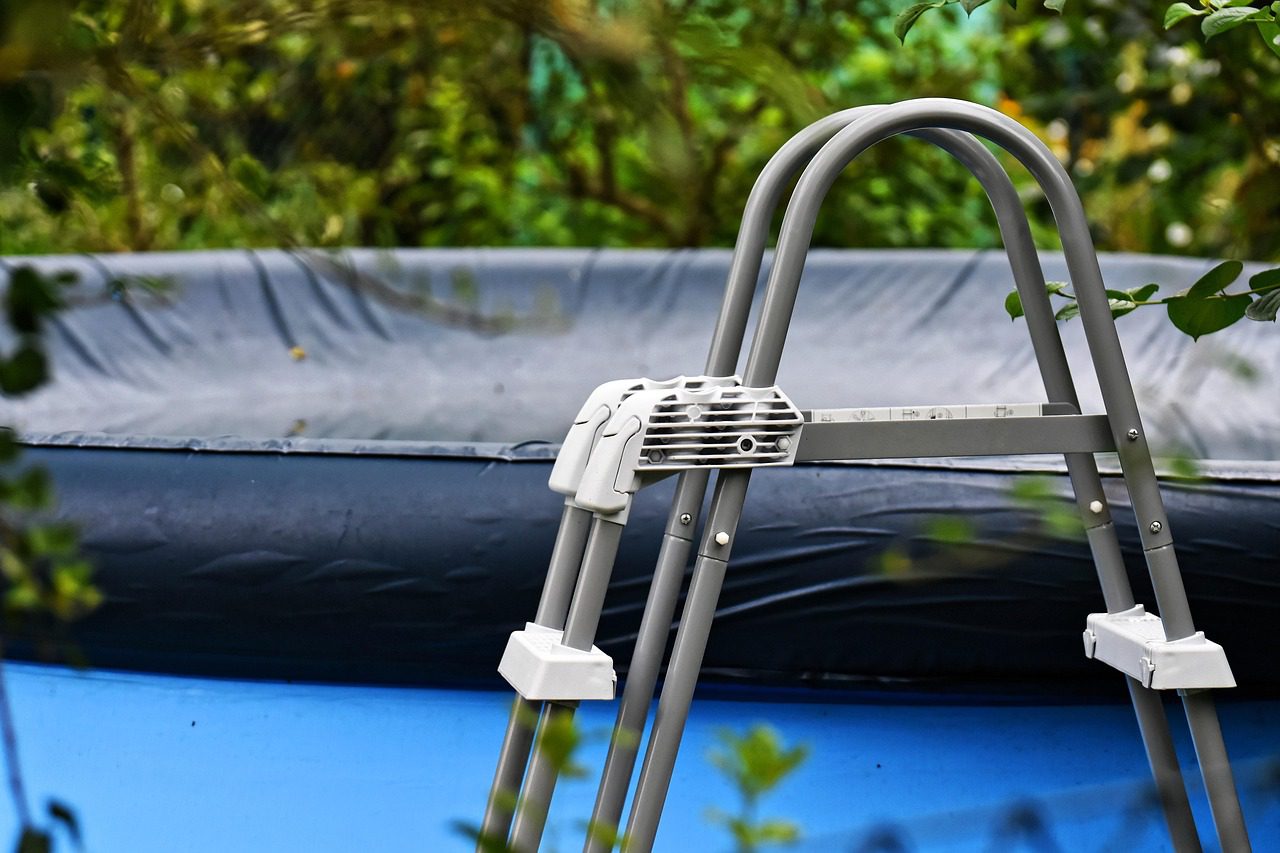
If you have a pool, you know it can be a big water user. One simple way to reduce this is by using a pool cover. A cover can reduce evaporation by up to 95%, saving thousands of gallons of water each year. Plus, it can help keep your pool cleaner by keeping out leaves and other debris.
Choosing a pool cover can depend on your budget and needs. Solar covers, for example, not only reduce evaporation but also help warm the water, reducing the need for a heater. Whatever type of cover you choose, just make sure to use it regularly to maximize its benefits.