


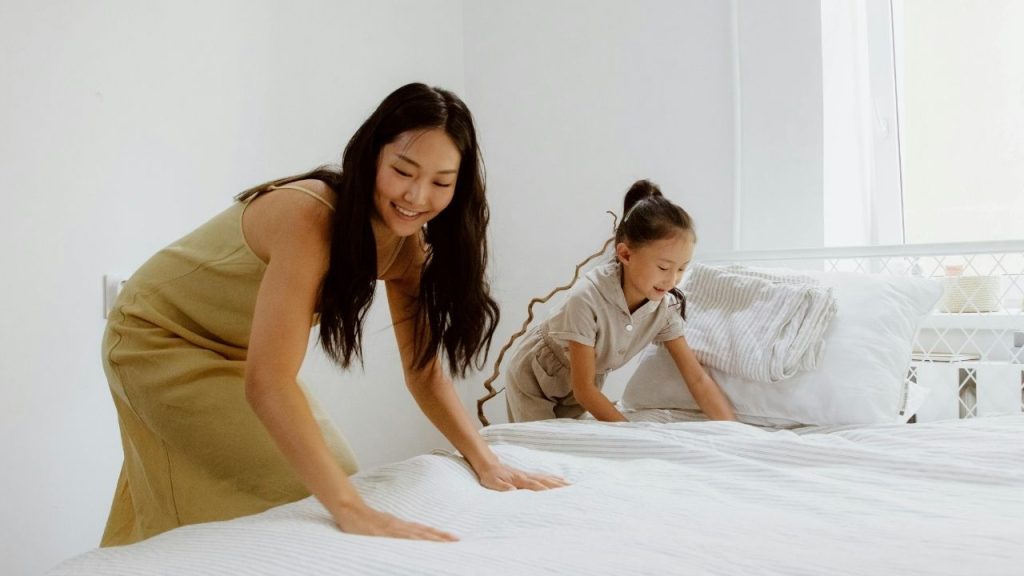
Chores during childhood often feel like simple tasks, but they play an important role beyond just keeping the house clean. When you take part in household chores, you learn lessons that stay with you and shape how you view responsibility and care for your environment.
Doing these chores helps you understand the value of a tidy home and how it contributes to a comfortable and organized living space. By sharing chores, you also develop habits that make daily life smoother for everyone in your family.
Tidying up toys after playtime


You can start teaching the value of tidiness by encouraging your child to put away toys after playing. This simple task helps create a habit of organization early on.
It also makes finding toys easier next time and keeps the play area safe.
When your child tidies up, they learn responsibility and how their actions affect their space. Making it a regular routine can reduce mess and stress for everyone.
Putting away shoes every day


You learn responsibility by putting away your shoes every day. It keeps your entryway neat and prevents dirt from spreading inside.
Doing this simple task regularly helps create a habit of tidiness that carries over to other chores. It also shows respect for shared spaces in your home.
When you take a moment to organize your shoes, you make the whole house feel more welcoming and cared for.
Taking out the trash regularly


You learn responsibility by taking out the trash on a set schedule. It’s a simple task that keeps your home clean and fresh. Doing this chore helps you notice when bins are full and need emptying before they overflow.
By handling the trash, you contribute directly to a tidy house and understand the importance of teamwork in keeping spaces neat.
Setting and clearing the dining table

You learn responsibility by setting and clearing the dining table. It’s a simple task but helps keep mealtime organized and pleasant for everyone.
When you set the table, you become part of the family routine and practice attention to detail. Clearing the table after meals teaches you to tidy up right away, preventing messes from piling up.
These chores may seem small, but they show you how your contribution makes the home run smoother.
Folding and putting away laundry

You learn responsibility by folding and putting away your own clothes. It shows you how to keep things organized and makes it easier to find what you need.
Doing laundry a few times a week helps you develop a routine. It’s not just about cleaning clothes but also about keeping your space neat.
When you put clothes away properly, you respect your belongings. This small chore teaches you care and attention to detail.
Unpacking the dishwasher


When you unpack the dishwasher, you learn to organize items carefully. It helps you understand where everything belongs in the kitchen.
This chore teaches patience and attention to detail. You also contribute to keeping the kitchen ready for the next meal.
Taking responsibility for this task makes you a helpful member of the household. It shows how small efforts add up to a tidy home.
Vacuuming common areas

Vacuuming shared spaces is a simple chore that helps keep your home neat. It teaches you to take care of areas everyone uses, like the living room or hallway.
Doing this regularly makes your space feel more comfortable for you and your family. Plus, it shows you how small efforts make a big difference in cleanliness.
Sweeping the kitchen floor

Sweeping the kitchen floor is a simple chore that helps you keep the space clean and inviting. It teaches you to notice small messes before they build up.
As you sweep, you learn patience and attention to detail. This task also shows you how your effort makes a visible difference in your home’s tidiness.
Doing this regularly creates a habit of care and responsibility for shared living areas. It’s a small way to contribute that really adds up.
Raking leaves in the yard

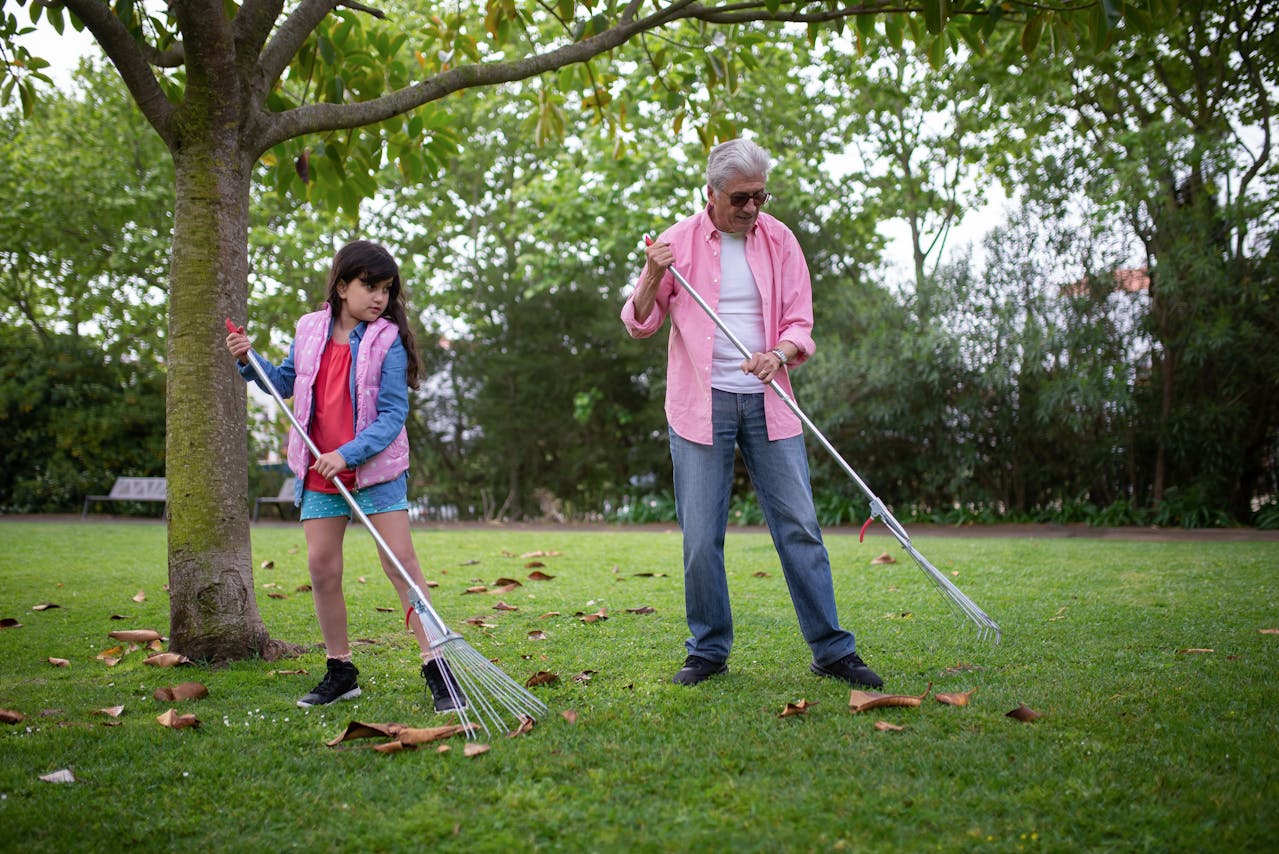
Raking leaves is a simple chore you can do to help keep your yard clean. It teaches you patience as you gather piles of leaves and clear the space.
You also learn how your effort makes a visible difference in your home’s appearance. Plus, it’s a nice way to spend time outdoors while helping your family maintain the yard.
Making the bed each morning

Making your bed each morning sets a simple, positive tone for the day. It helps you practice routine and responsibility without much effort.
You don’t need to make it perfect, just tidy enough to feel organized. This small task shows how keeping your space neat can boost your mood and focus.
Over time, this habit teaches you that a tidy environment starts with small, consistent actions. It’s a way to take ownership of your room and your day.
Wiping down kitchen counters
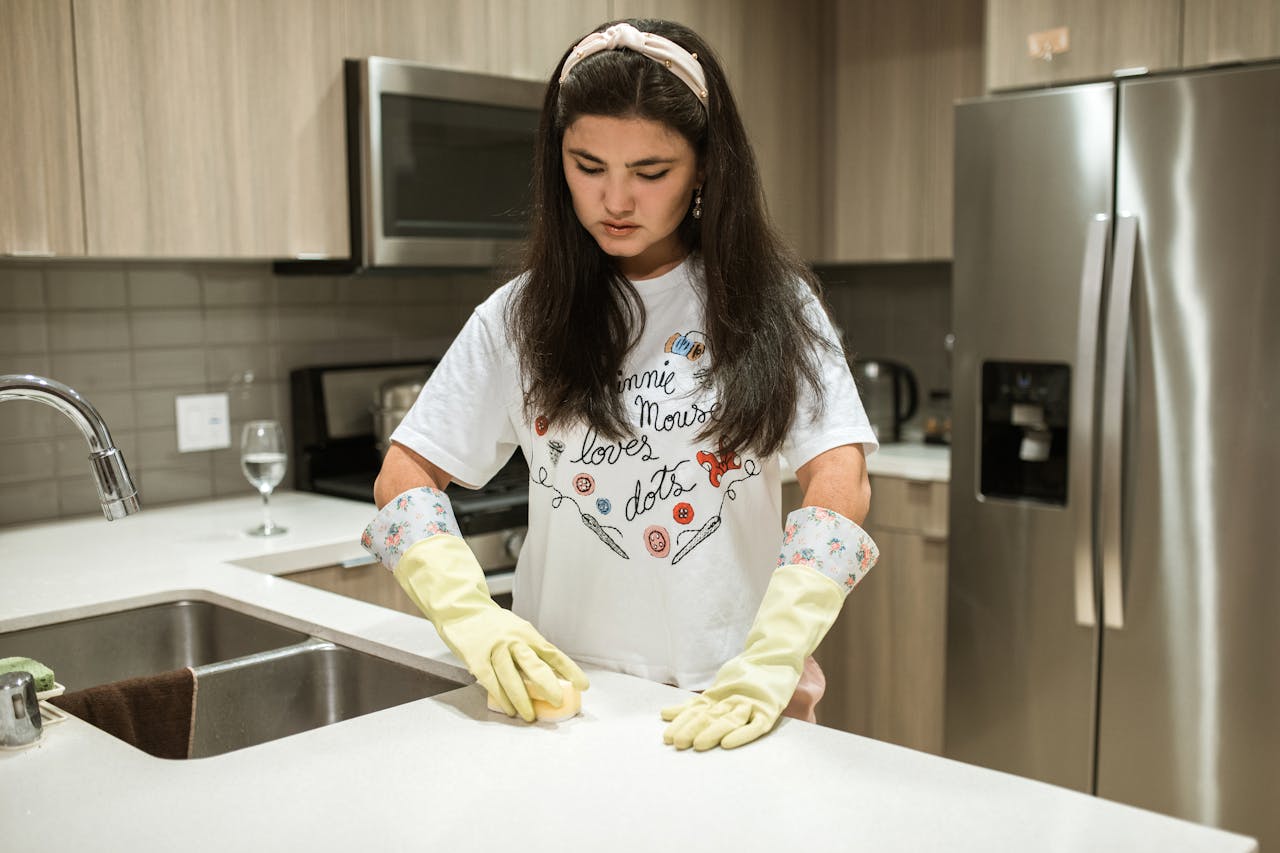
Wiping down kitchen counters is a simple chore that helps keep your home clean and organized. You learn to pay attention to small details and develop good habits.
Using a cloth and a safe cleaner, you get to see immediate results, which feels rewarding. This task teaches you responsibility and how to maintain a tidy space where food is prepared.
Sorting recyclables properly
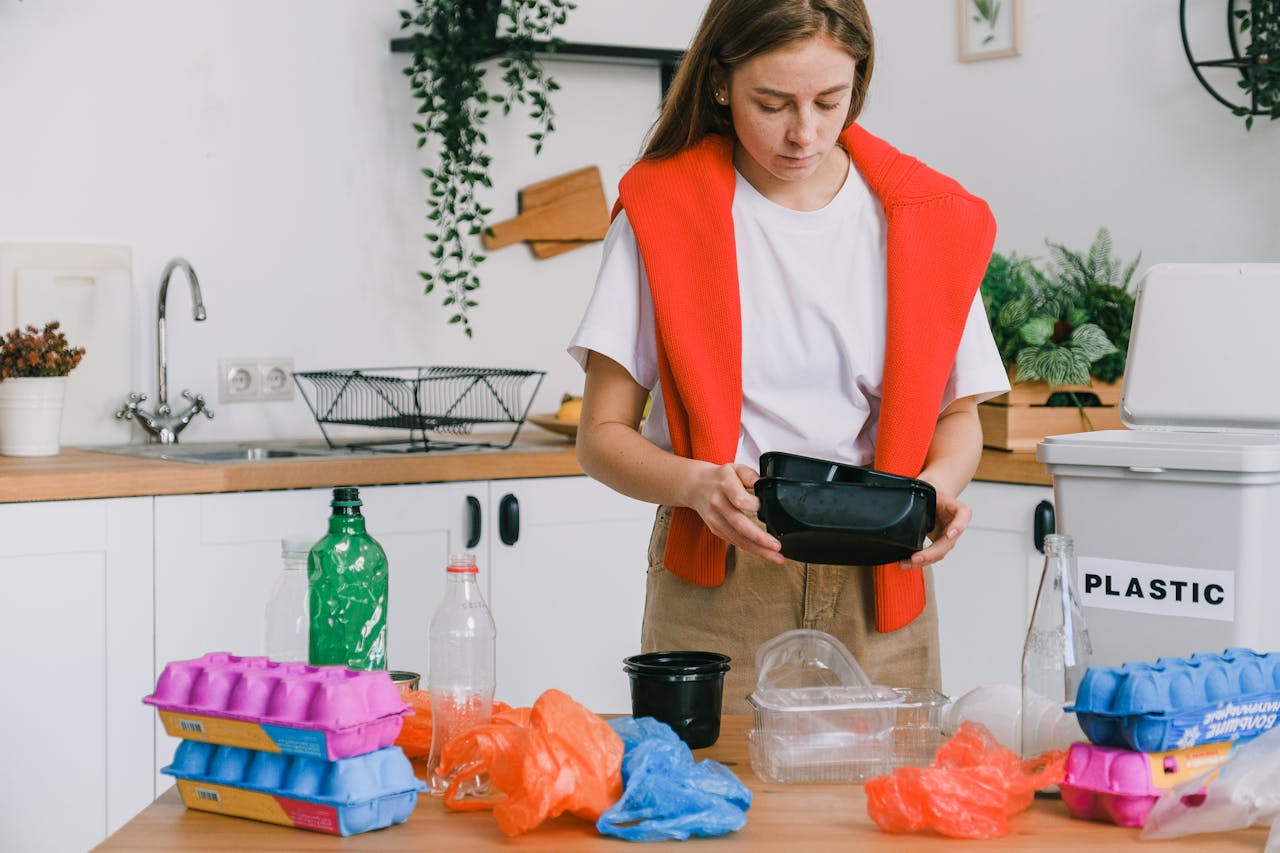
You learn early that sorting recyclables makes a big difference. It helps keep your home tidy and supports the environment.
When you separate plastics, paper, and glass, you make recycling easier. This simple habit teaches responsibility and care.
Tying garbage bags securely and placing recyclables in the right bins shows respect for your community. It’s a small task that teaches you important life skills.
Like what you read? Here’s more by us: