


Your living space can feel cozy, but sometimes hidden collections around your home quietly create clutter and chaos. You might not even realize how certain groups of items are taking up valuable space or making your rooms feel smaller and less comfortable.
Understanding which collections could be harming your living environment helps you create a more organized, functional, and peaceful home. This guide will help you spot those collections so you can start making simple changes and enjoy your space more.
Overcrowded Rock Collections Harboring Dust and Pests

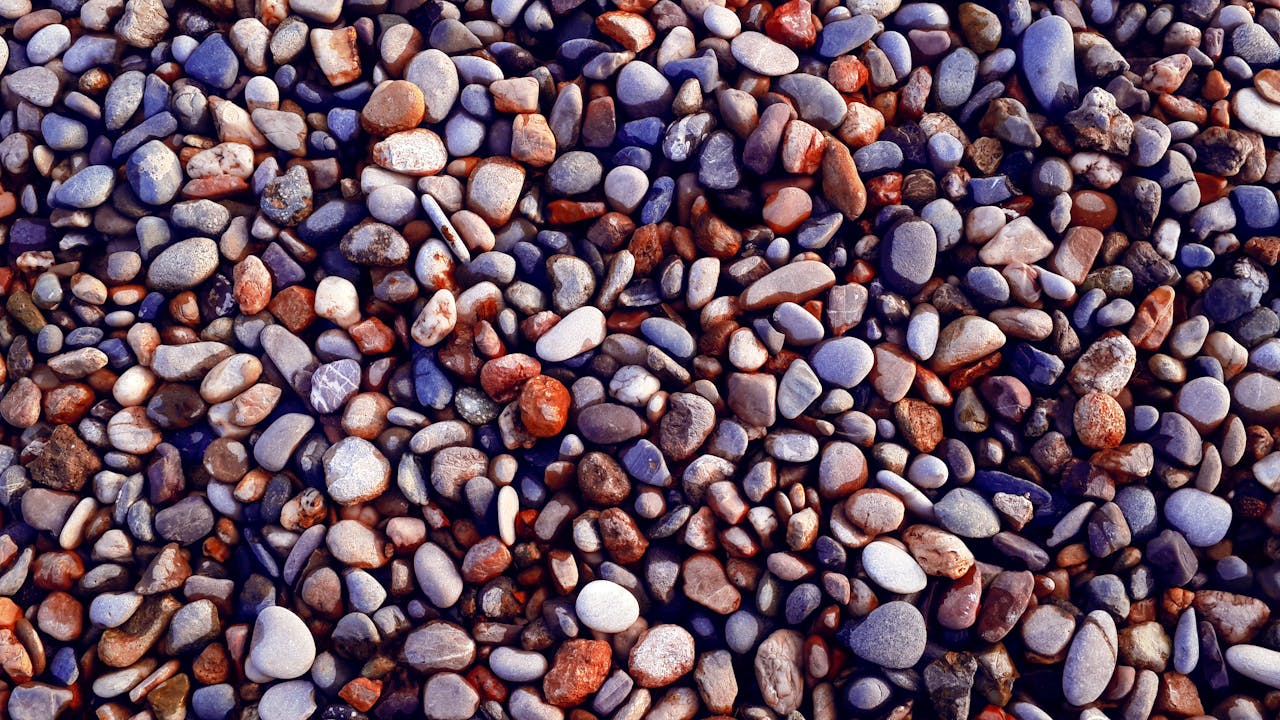
If your rock collection is crowded, dust can build up quickly. Breathing in rock dust can irritate your lungs, so keeping the area clean helps protect your health.
Pests like spiders or small insects may also hide among your rocks. Regularly checking and gently cleaning your collection can reduce this risk.
Avoid handling rocks with dirty or wet hands to minimize bringing unwanted moisture and pests into your space.
Rubber Duck Displays Attracting Mold and Mildew


If you collect rubber ducks, you might be unknowingly inviting mold into your space. Researchers found that microbes can grow inside these bath toys, especially when water gets trapped inside.
Each time you squeeze a duck, murky liquid containing mold spores can be released. This can affect air quality and create unpleasant odors around your collection.
To keep your ducks safe and clean, make sure to dry them thoroughly and avoid storing them in damp areas.
Unorganized Bread Tag Collections Creating Clutter

If you collect bread tags without organizing them, they can quickly pile up and create clutter. These small pieces might seem harmless, but in large amounts, they take up space and add to household mess.
You might enjoy sorting or classifying them, but without a system, your collection can become overwhelming. Keeping them in containers or dedicated storage helps reduce clutter and keeps your space tidy.
Small Vials of Sand Collecting Moisture and Mold

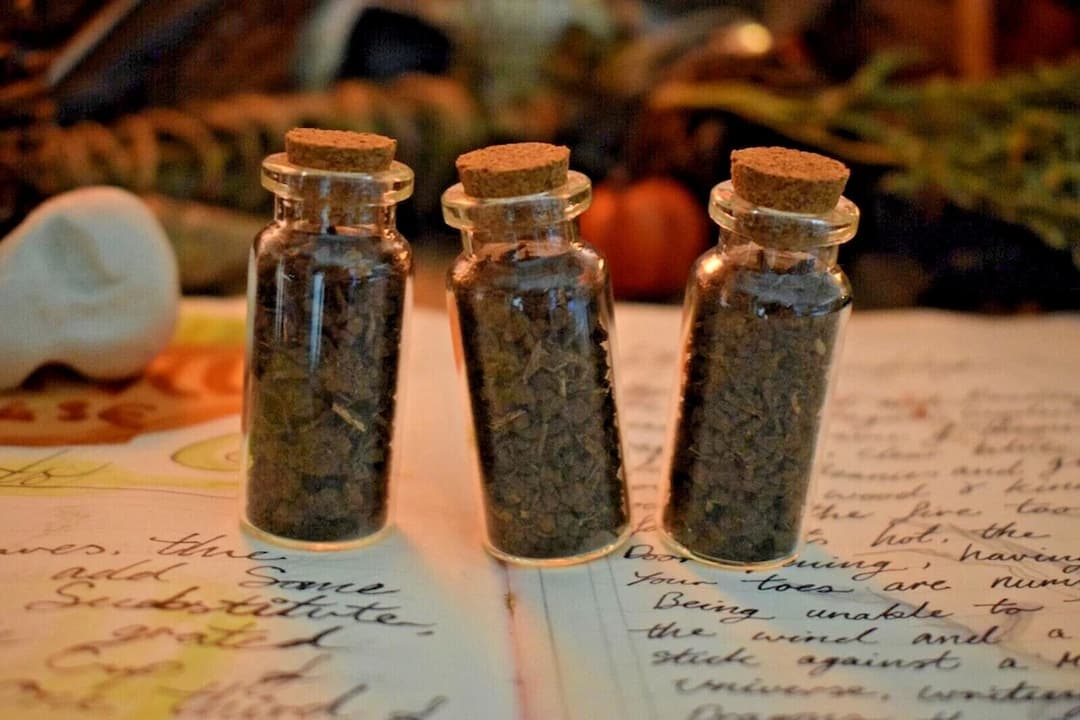
If you collect sand in small glass vials, moisture can easily build up inside. This damp environment may encourage mold growth, which can spread spores into your living space.
You can help prevent this by keeping the vials sealed tightly and storing them in a dry area. Occasionally check for any signs of mold or moisture and clean the containers if needed to keep your space fresh.
Miniature Figurine Hoards Limiting Living Space

If you have a large collection of miniature figurines, they can take up more space than you expect. These small items often end up crowding shelves, counters, and tables.
This clutter can make your living area feel cramped and harder to navigate. It might even create small obstacles that affect safety, especially in tight spaces.
Keeping your collection organized and limited can help protect your living space and maintain a comfortable environment.
Excessive Paper and Textile Collections Damaged by Insects

If you have a lot of paper or textiles, insects like silverfish, booklice, and carpet beetles might be attracted to them. These pests feed on the fibers or glue, causing damage over time.
You may notice small holes, fraying, or discoloration in your fabrics and papers. Keeping your collections in sealed containers and controlling humidity can help reduce the risk. Regularly inspecting your items is also a good idea to catch any damage early.
Open Storage Bins Causing Visual Clutter


You might think open storage bins keep things organized, but they can create visual clutter if not chosen carefully. When bins are mismatched or overflowing, they draw attention and make your space feel chaotic.
Using bins that blend with your decor helps reduce this effect. It’s best to avoid filling them to the brim, so the area feels neat and calming.
Stacks of Old Magazines Inviting Rodents

When you keep piles of old magazines around, they can create cozy hiding spots for rodents like mice and rats. These pests are attracted to cluttered, undisturbed areas where they can nest safely.
Over time, the paper can become shredded and used as nesting material. This not only damages your collection but also raises the risk of a rodent infestation in your home.
Regularly sorting and recycling old magazines helps keep your space clean and less inviting to unwanted critters.
Unsorted Trinket Collections Overwhelming Shelves

When you let trinkets pile up without a system, your shelves can quickly feel crowded and cluttered. It’s easy for small items to take over, making your space look chaotic instead of cozy.
You might find it hard to enjoy your room or even clean properly. Organizing or curating your trinkets can give your shelves and your mind a lot more breathing room.
Glass Collections at Risk of Damage from Dust and Pests

Your glass items might look sturdy, but dust can quickly dull their shine and settle in hard-to-clean spots. Over time, this buildup can cause damage if not regularly removed.
Pests are less likely to directly harm glass, but they can threaten any organic materials like wooden stands or labels nearby. Keeping your display area clean helps reduce these risks.
Regular gentle cleaning and monitoring can protect your glass collection and keep it looking its best.
Hoarded Mementos Adding to Mental Stress


You might hold on to mementos because they remind you of special moments. But when those items pile up, they can quickly take over your space.
Living surrounded by too many keepsakes can make it hard to focus and increase your stress. It’s easy to feel overwhelmed when your home feels cluttered with things you want to keep but don’t use.
Letting go of some mementos doesn’t mean you forget the memories. It can actually help clear your mind and create a calmer home environment.
Overloaded Shelves with Mismatched Organizers

If your shelves are packed with too many items, it can quickly feel overwhelming. When you add mismatched organizers, the space looks cluttered and chaotic.
You might think more storage solves the problem, but inconsistent bins and containers can make finding things harder. Try using uniform organizers to create a cleaner, more balanced look on your shelves. This small change helps keep your space calm and easy to manage.