


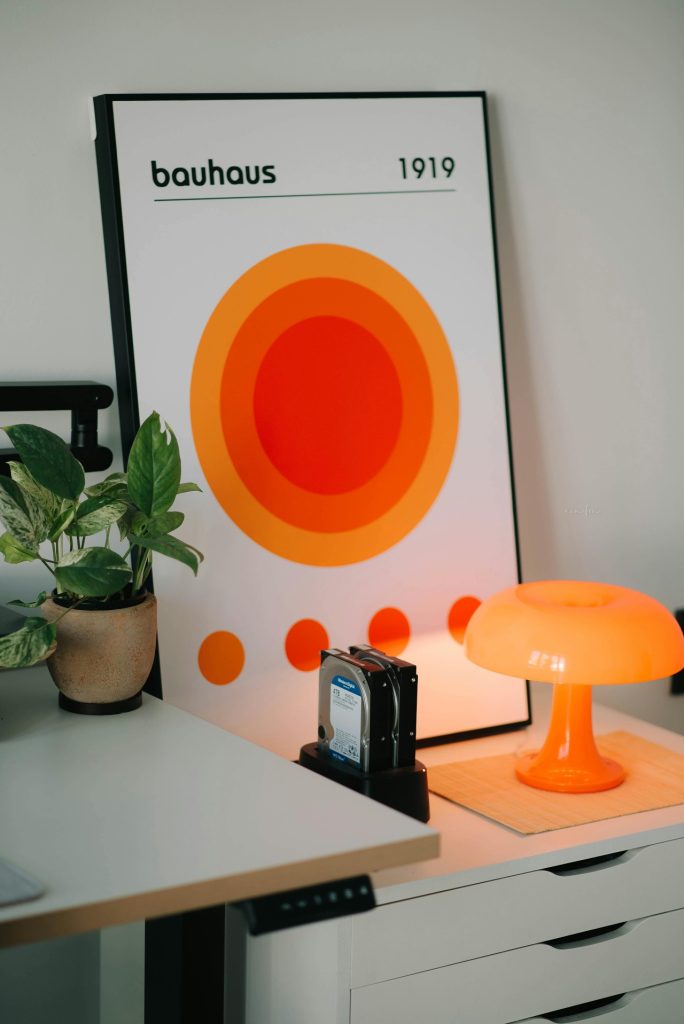
When refreshing your living space, knowing what to remove can be just as important as what to add. Certain decor items might feel outdated or clutter your look without you realizing it.
Understanding which pieces interior designers often take out first can help you create a cleaner, more modern home that feels comfortable and stylish. By focusing on what to let go, you’ll make room for better choices that fit your space and personality.
Fake plants


If you rely on fake plants to brighten your space, you might want to rethink it. Many interior designers remove them because they often look unnatural or gather dust quickly.
You could try real, low-maintenance plants instead—they bring life without the hassle you might expect.
If you do choose faux plants, keep them clean and pick quality options to avoid an artificial feel.
Small area rugs


If your rug is too small for the space, it can make your room feel chopped up and smaller than it really is.
You want your rug to anchor the furniture, not float awkwardly. A larger rug helps create a sense of unity and makes the room feel more inviting.
Consider sizing up or removing a tiny rug that doesn’t match your room’s proportions. It’s a simple change that can make your space feel more balanced.
Oversized coffee tables


If your coffee table takes up most of your living room, it might be time to reconsider it. Oversized tables can overcrowd your space and make it feel cluttered.
You might find they also attract more clutter, leaving little room for foot traffic or other furniture. Choosing a smaller, more balanced table helps keep your living area open and comfortable.
Random picture frames

You might have picture frames scattered around that don’t match or feel out of place. These random frames can clutter your space and distract from the overall design.
Try grouping frames with similar colors or styles instead of mixing everything together. This creates a more cohesive and intentional look on your walls.
The TV as a centerpiece

If your TV is the main focus in your living room, it can make the space feel less inviting. Designers often suggest finding ways to tone it down instead of letting it dominate.
You might try mounting it on the wall and surrounding it with artwork or shelves. This helps the TV blend in and keeps your room looking balanced.
Large TVs can be eyesores, but clever decorating around them helps create a cozier atmosphere. Removing bulky stands or dated decorations nearby can also improve the look.
Bright yellow gold accents

You might think bright yellow gold accents add warmth, but many designers remove them first. They can quickly feel outdated or overpower a space.
Subtlety often works better, so softer or brushed metals usually replace bold gold tones. This shift helps create a more timeless and balanced look in your decor.
If you love gold, try mixing it with other metals or choosing muted finishes. That way, your accents stay stylish longer without dominating your room.
Matching furniture sets
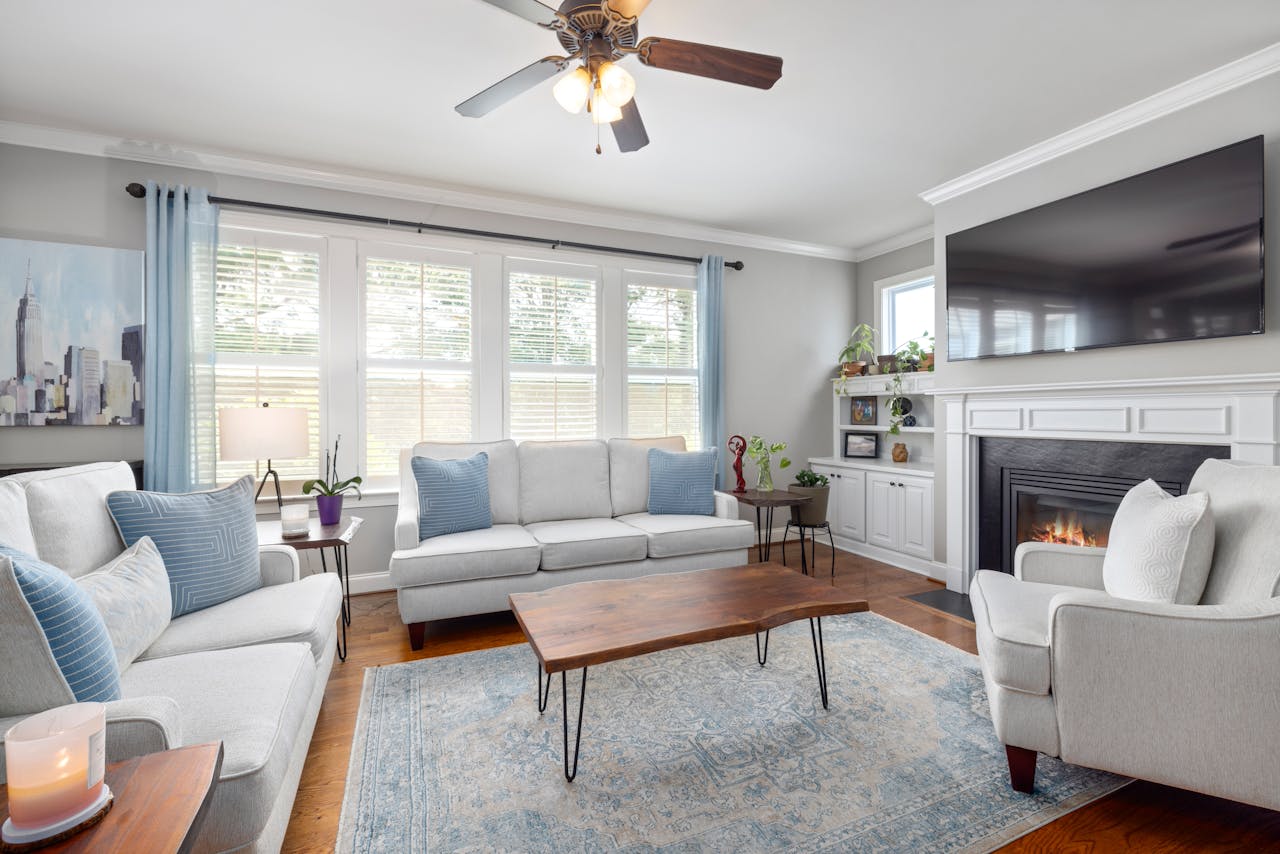
You might want to rethink using matching furniture sets. They can make your space feel like a showroom instead of a cozy home.
Instead, try mixing pieces that reflect your personality. Choose one statement item, like a bold chair or unique table, to give the room character.
This approach helps create a more inviting and lived-in look. It lets your style shine without everything looking too uniform or staged.
Word art decor

If you have word art pieces in your space, you might want to rethink them. They often make rooms feel less polished and a bit cheap.
Word art can look like an afterthought, especially when it’s generic or overly trendy.
Replacing these with more personalized or timeless decor helps your home feel intentional and inviting. You’ll notice the difference right away.
Faux finishes

If your walls or furniture have faux finishes, you might want to reconsider them. These finishes can feel outdated and often make a space look less clean and modern.
Instead of faux textures or painted effects, opt for smooth, simple surfaces. This makes your rooms feel fresher and more versatile for different styles.
Removing or painting over faux finishes is an easy upgrade that can instantly brighten your space.
Over-decorating with knick-knacks
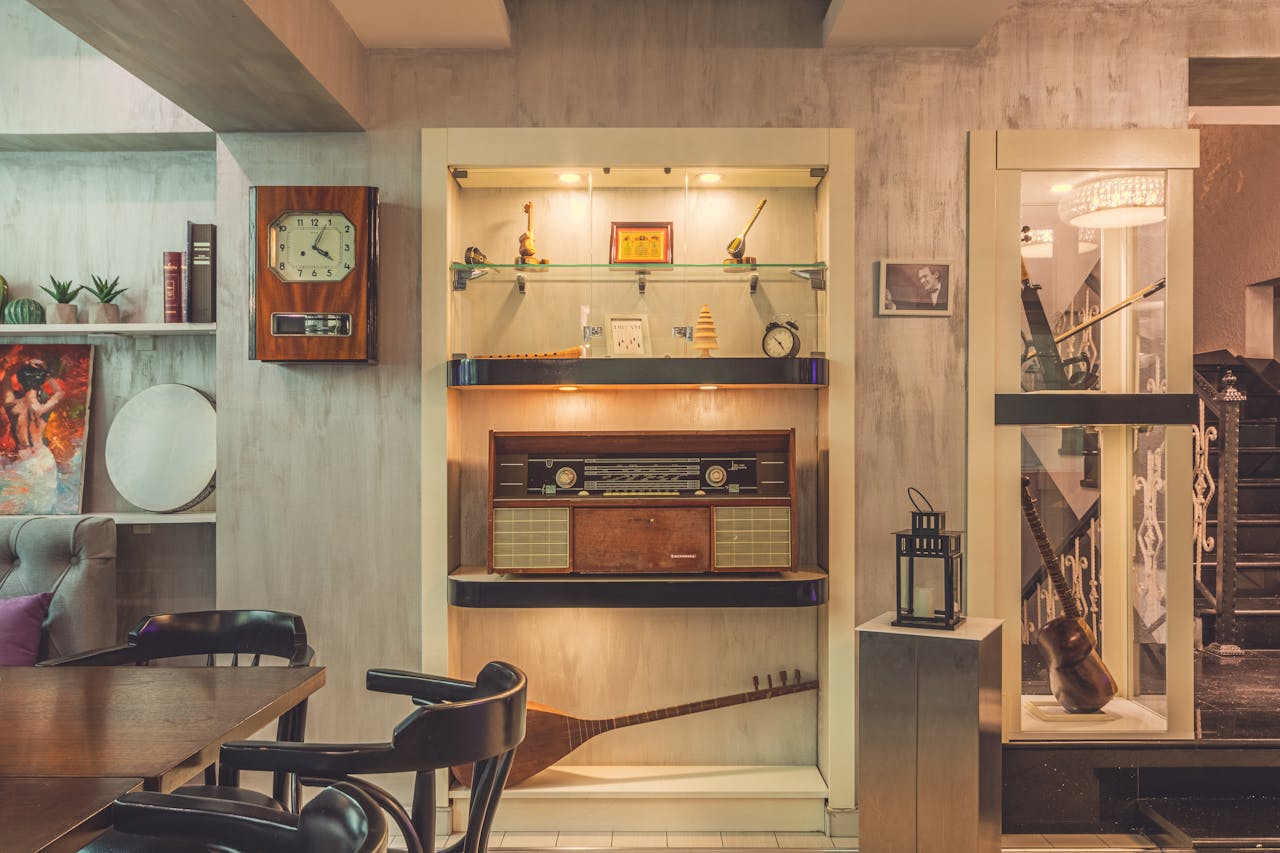
You might think filling every surface with small items adds character. But too many knick-knacks can make your space feel cluttered and overwhelming.
Try focusing on a few larger pieces instead. This keeps your room feeling open and calm.
If you love collecting, consider rotating items or grouping them thoughtfully. This way, your decor stays interesting without feeling messy.
Under-decorating large walls
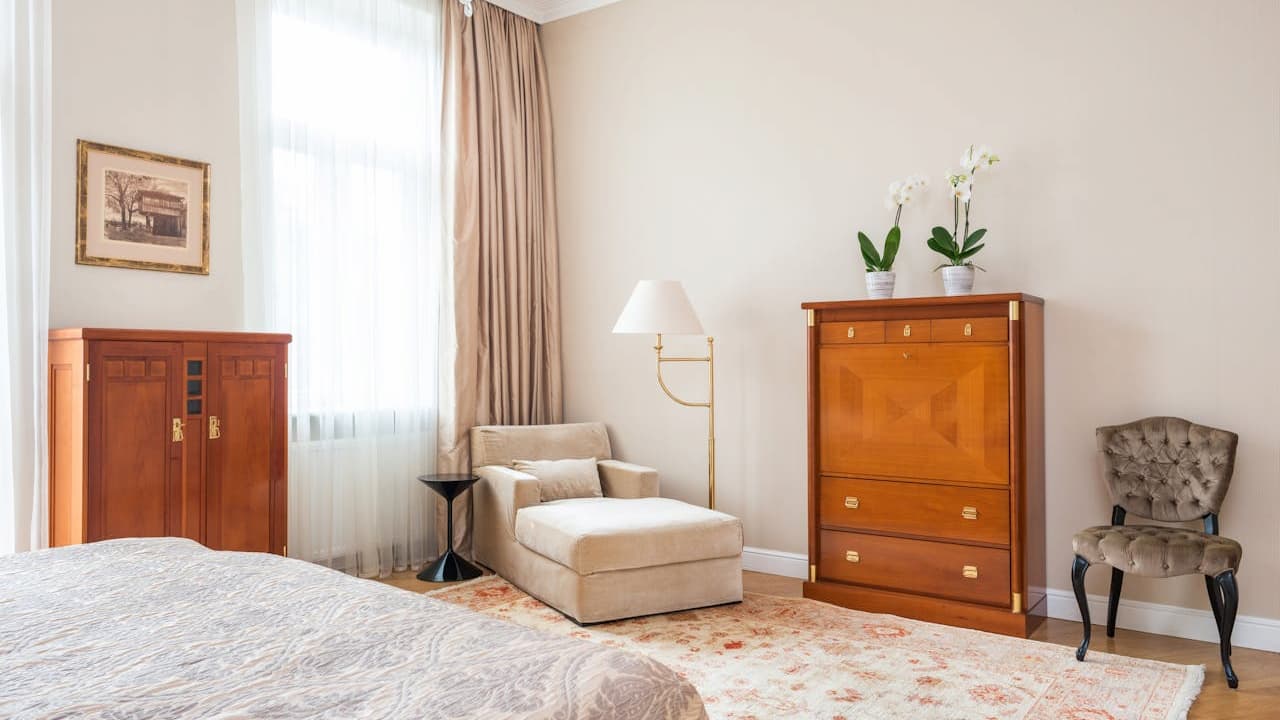
If you leave large walls mostly bare, your room can feel unfinished or empty. You want to fill the space without overcrowding it.
Try adding a few well-chosen pieces like art, mirrors, or shelves. This helps balance the room and adds personality.
Avoid tiny decorations that get lost on big walls. Instead, go for items that match the scale of the space to keep things visually appealing.
Cheap plastic lamps

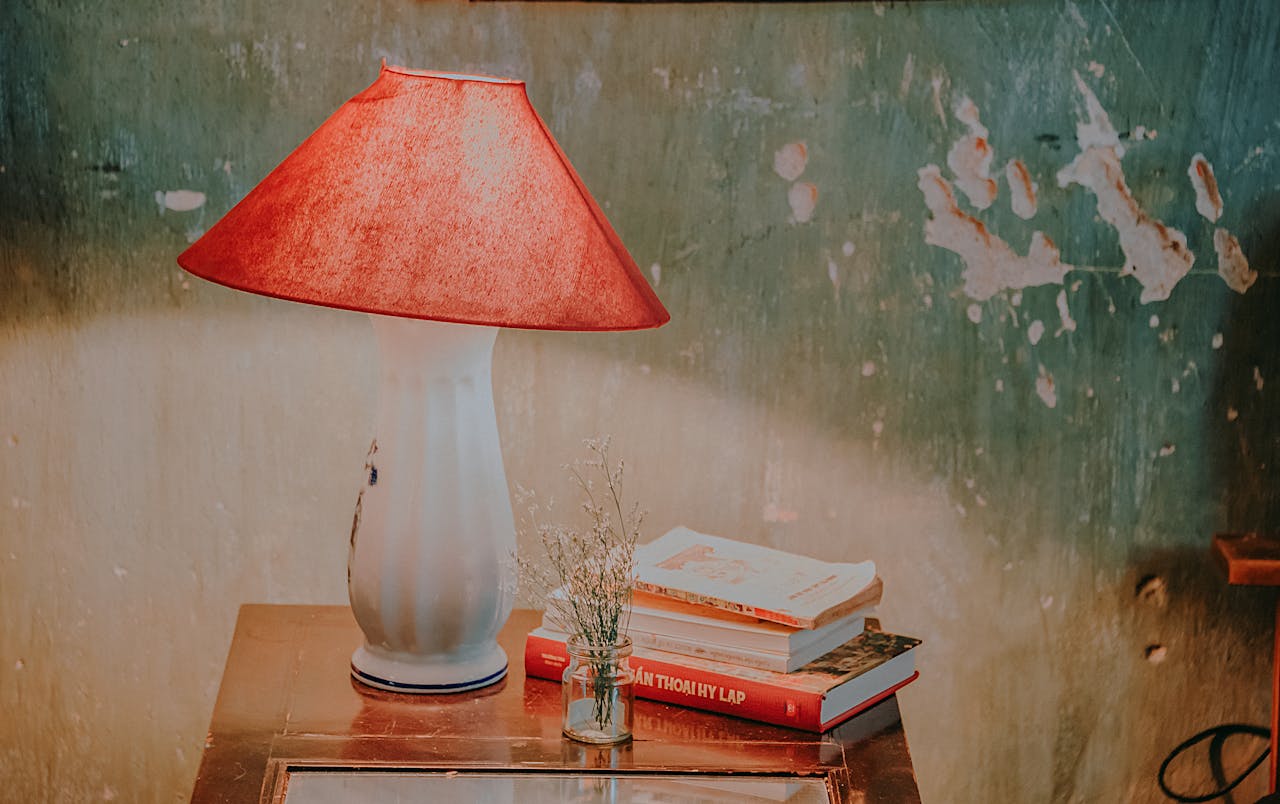
If you have cheap plastic lamps in your space, designers often suggest swapping them out. They tend to look dated and can cheapen the overall feel of your room.
Replacing them with lamps made from natural materials or with a more solid design can instantly lift the look.
Choose lamps with warm bulbs to create a cozy atmosphere instead of harsh or blue light. It’s a small change that makes a big difference in your decor.