


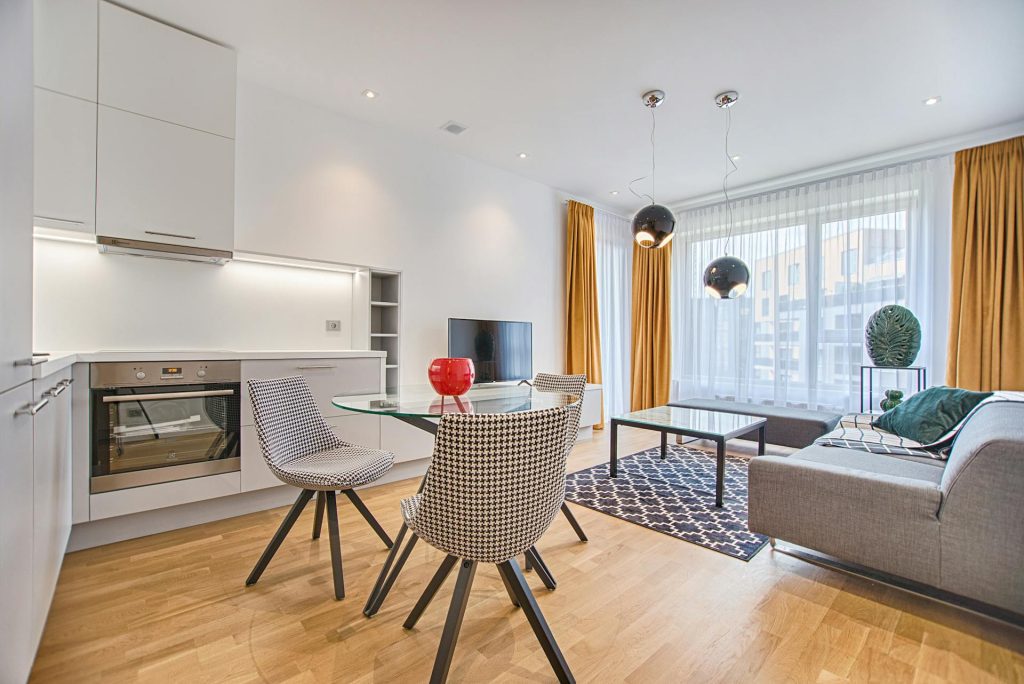
When decorating your home, it’s easy to feel pressured by so-called design “rules” that promise a perfect space. But not every guideline is worth following, and some can actually limit your creativity or make your space feel less comfortable.
Knowing which decor rules to skip can help you create a home that truly reflects your style without unnecessary restrictions. This article will guide you through common decor rules you should never follow, helping you make confident choices in your decorating journey.
Always stick to neutral colors only

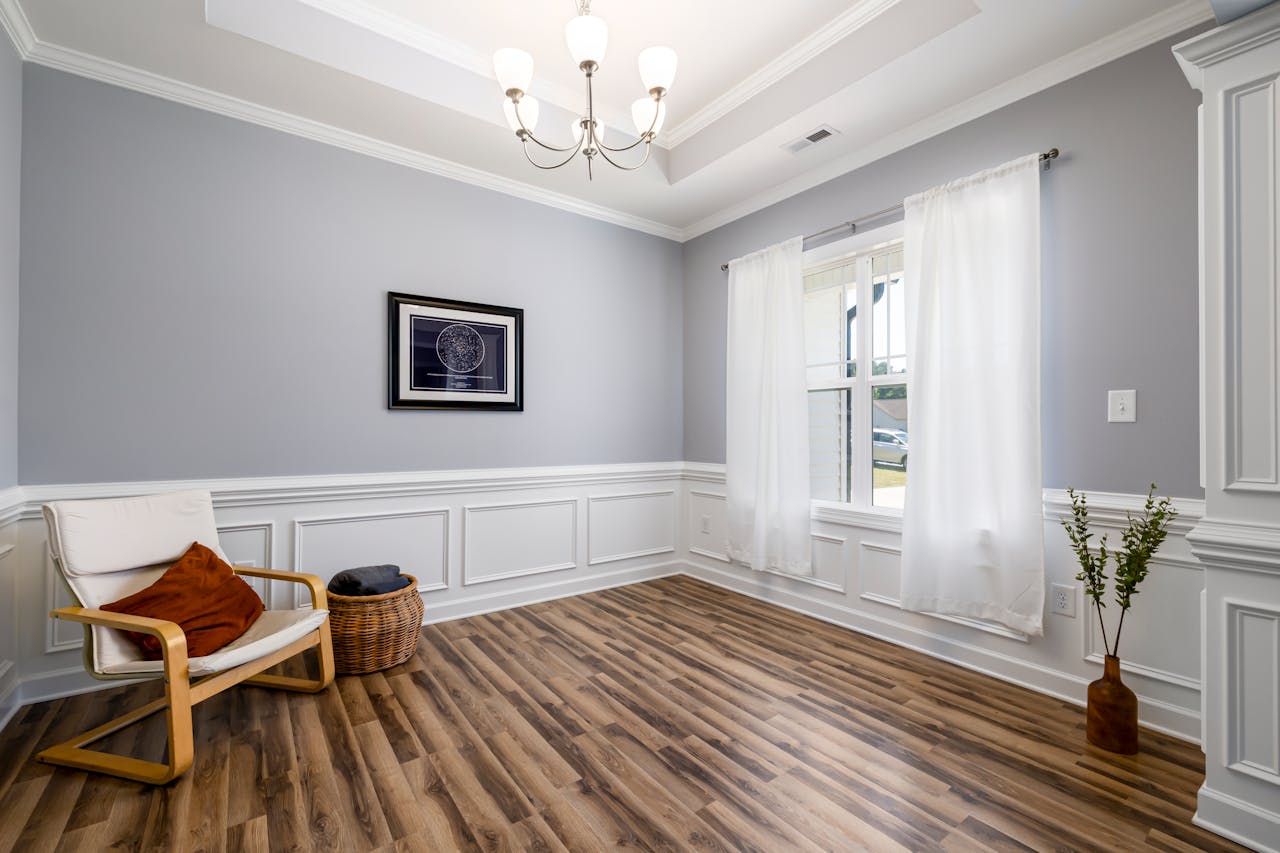
You don’t have to limit yourself to neutral colors all the time. While neutrals work well in many spaces, using only them can make a room feel flat or uninspired.
Adding color can bring personality and warmth to your space.
Feel free to mix in bold or bright tones where it feels right. Your home should reflect what you enjoy, not just what’s trendy.
Never mix different fabric patterns

You don’t have to avoid mixing fabric patterns. It can actually add character and personality to your space. Try combining patterns within the same color scheme to keep things harmonious.
Focus on varying the scale of the patterns so they don’t compete with each other. If mixing patterns feels risky, start small. Use patterned pillows or throws to test what you like.
Push all furniture against the walls


You might think pushing all your furniture against the walls opens up the space, but it can actually make the room feel smaller and less inviting. When furniture hugs the walls, it creates empty, unused space in the center that lacks warmth.
Giving your furniture some breathing room encourages better flow and makes the space cozier. It also allows you to place lighting where it’s needed most, creating balanced, layered light rather than dark corners.
Use only one source of light per room


You might think one light is enough, but relying on a single source can make your room feel flat and uninviting. Different activities need different lighting, so mix task, accent, and ambient lights to create a balanced space.
Using multiple light sources helps highlight different areas and adds depth. This way, your room feels cozy and functional at the same time. Don’t be afraid to layer your lighting for the best effect.
Avoid floating furniture away from walls


You don’t always need to pull your furniture away from the walls. In smaller rooms, placing pieces against the walls can free up central floor space, making the area feel more open.
Floating furniture can sometimes make a room feel smaller and cluttered if not done carefully. Keeping furniture close to the walls also creates more room for movement and additional furniture.
Rely solely on rugs matching the floor


You don’t have to pick a rug that exactly matches your floor. In fact, choosing a rug with contrast can add warmth and personality to your space.
Mixing patterns or colors with your flooring can define areas and create visual interest. Don’t be afraid to experiment—it’s a chance to express your style and make the room feel more dynamic.
Avoid using accent colors in your scheme
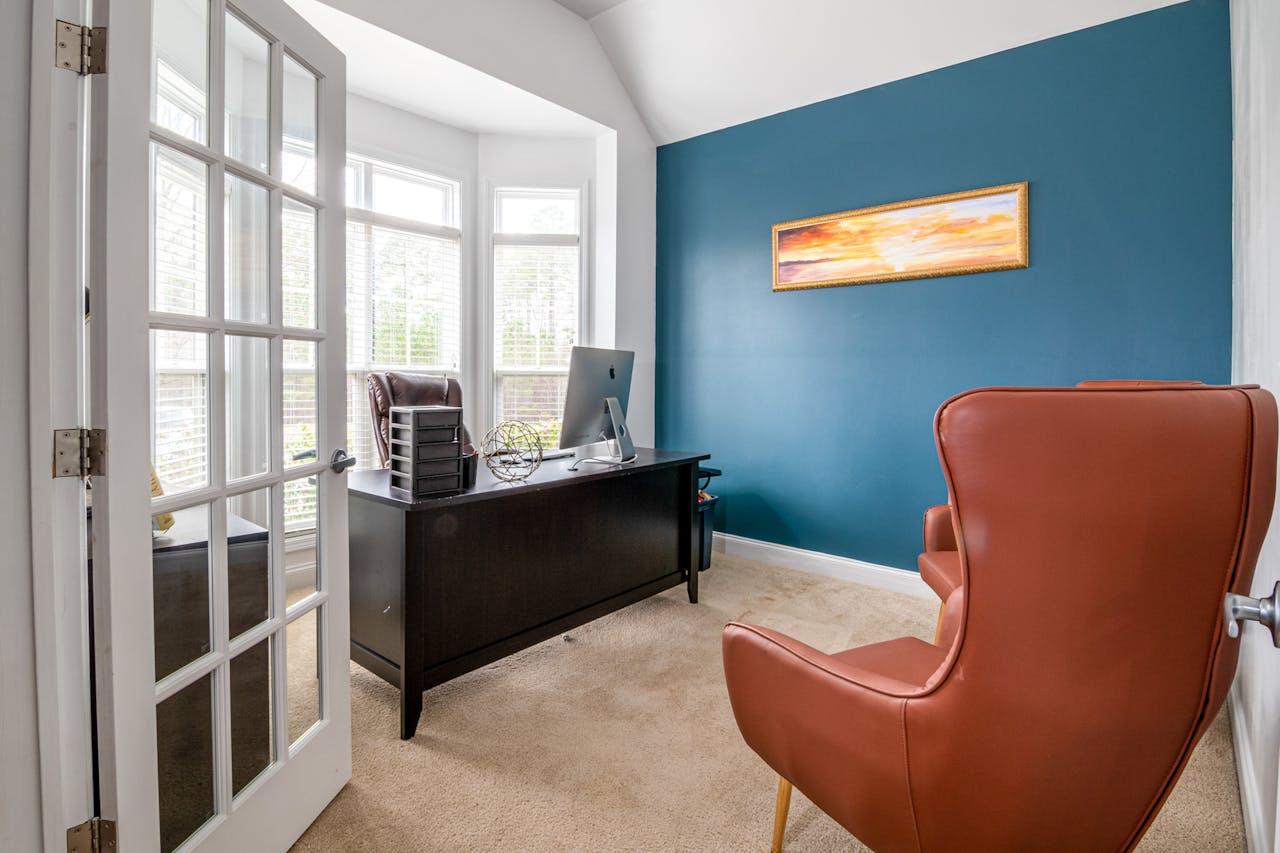
You might think skipping accent colors simplifies your design. However, without accents, your space can feel flat and lacking personality.
Accent colors add interest and break up large areas of dominant hues. They help highlight features and create visual balance.
Using only one or two colors might seem easier, but it usually results in a less dynamic room. Try incorporating small accents to give your decor some life.
Only hang curtains that touch the floor

You don’t always have to hang curtains that touch the floor. While floor-length curtains can look elegant, floating just above the floor is also a stylish and practical choice.
Consider how you use your space. If your curtains are for a busy room, avoiding floor contact can keep them cleaner and easier to operate.
The key is to find a curtain length that fits your style and lifestyle, not just following the “floor-touching” rule blindly.
Never combine modern with vintage pieces


You might hear that modern and vintage styles clash and shouldn’t be mixed. But avoiding them together isn’t a hard rule.
If you connect the pieces thoughtfully, like using a color or shape to link them, the mix can feel intentional.
Don’t just throw everything together without a plan. Aim for balance so your space doesn’t look chaotic or mismatched.
Always match all wood tones exactly
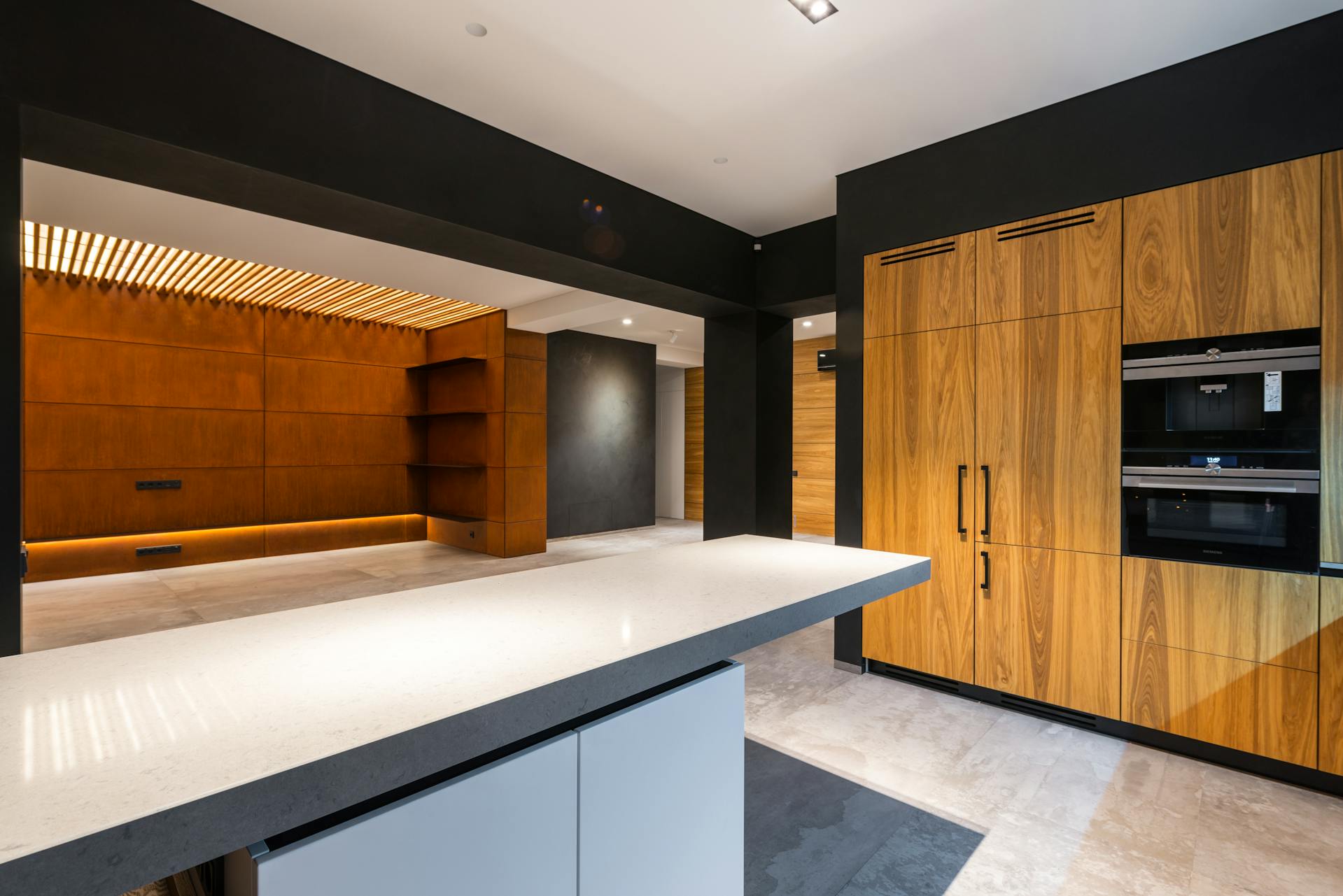
You don’t have to use the exact same wood tone throughout your room. Mixing wood tones can actually bring more personality and depth to your space.
Focus on matching the undertones instead—warm, cool, or neutral—to keep everything feeling cohesive.
Balancing different wood finishes around the room helps avoid a flat or overly matchy look. A mix can make your decor more inviting and interesting.
Ignore natural materials and textures

You don’t have to stick to natural materials like wood or stone to create a cozy space. Synthetic and manufactured materials can be just as inviting when chosen thoughtfully.
Mixing different textures can add interest without relying on only natural elements. Feel free to experiment with metals, plastics, or fabrics that suit your style.
Your home should reflect what you like, not just what’s traditionally recommended. Natural materials are great, but they’re not the only way to achieve warmth or character.
Design without creating a plan

You might think that diving in without a plan sparks creativity, but it often leads to a space that feels disjointed. Without a clear idea, your furniture and decor might clash or crowd the room.
Taking a moment to plan helps you balance form and function. It makes sure everything fits well and serves a purpose, so your space feels comfortable and inviting.