


When it comes to grocery shopping, there’s a lot to consider. From budget to dietary restrictions, shopping decisions can become quite complex.
But one choice that can significantly impact your health and the environment is whether or not to buy organic. And while it’s not always necessary or feasible to buy everything organic, certain foods are definitely more worth investing in than others.
The Importance of Organic Strawberries


Strawberries are a favorite fruit for many of us, but did you know they top the “Dirty Dozen” list of produce with the most pesticide residues? When you opt for organic strawberries, you’re choosing a product that’s grown without synthetic fertilizers and pesticides. This not only reduces your exposure to these harmful chemicals but also promotes healthier soil and biodiversity.
Furthermore, organic strawberries often taste better. Many people report that they have a sweeter, more robust flavor than their conventionally-grown counterparts. So, for health and taste, organic strawberries are a smart choice.
Why Organic Spinach is a Must-Buy

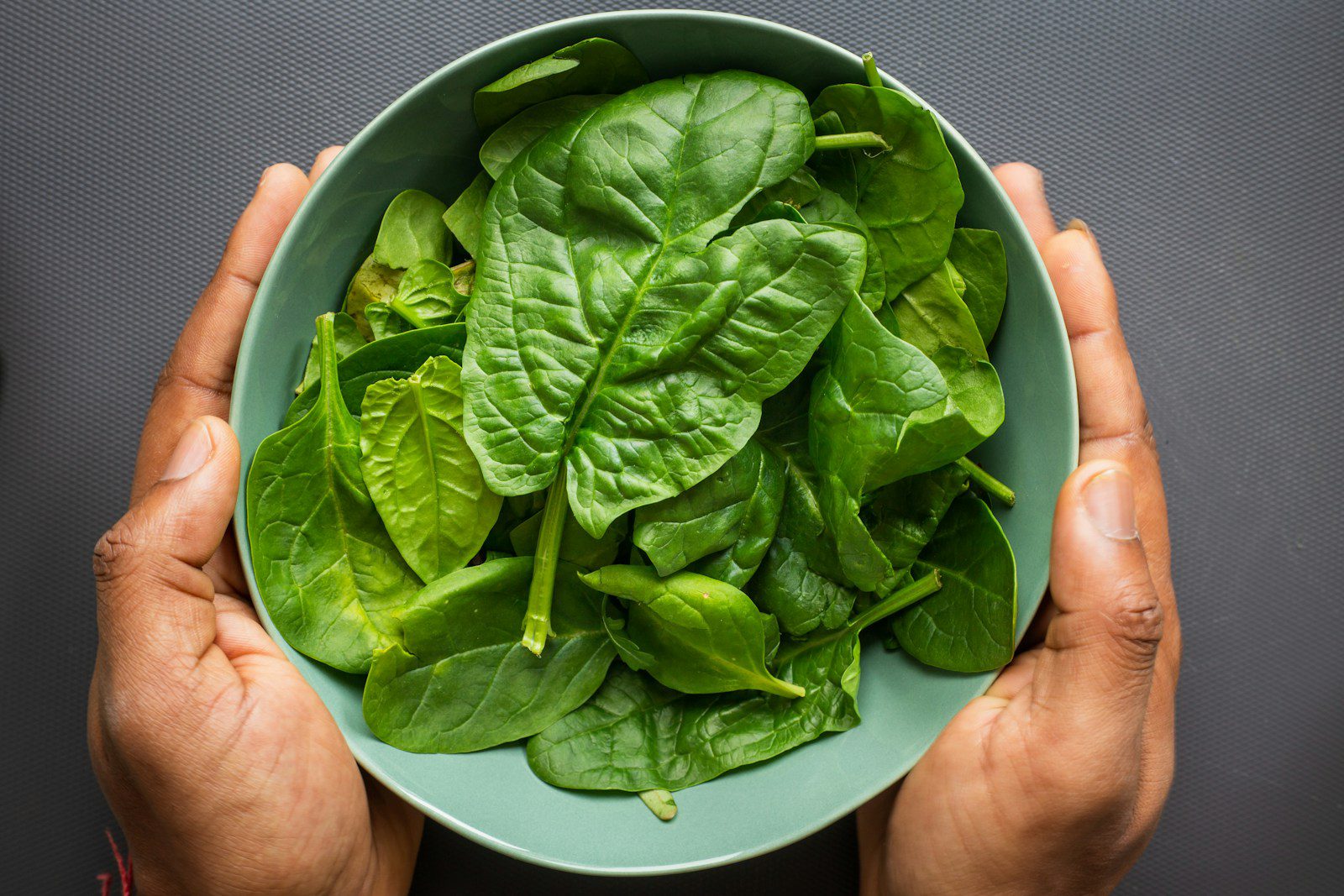
Loaded with iron, calcium, and vitamins A, C, and K, spinach is a nutrient powerhouse. However, due to its delicate leaves, it often has high levels of pesticide residue. By choosing organic, you ensure that this nutritious green is free from those harmful chemicals.
Organic spinach also typically has more beneficial nutrients than conventionally-grown spinach, according to research. So, besides being safer, it’s also more nourishing.
The Health Benefits of Organic Kale
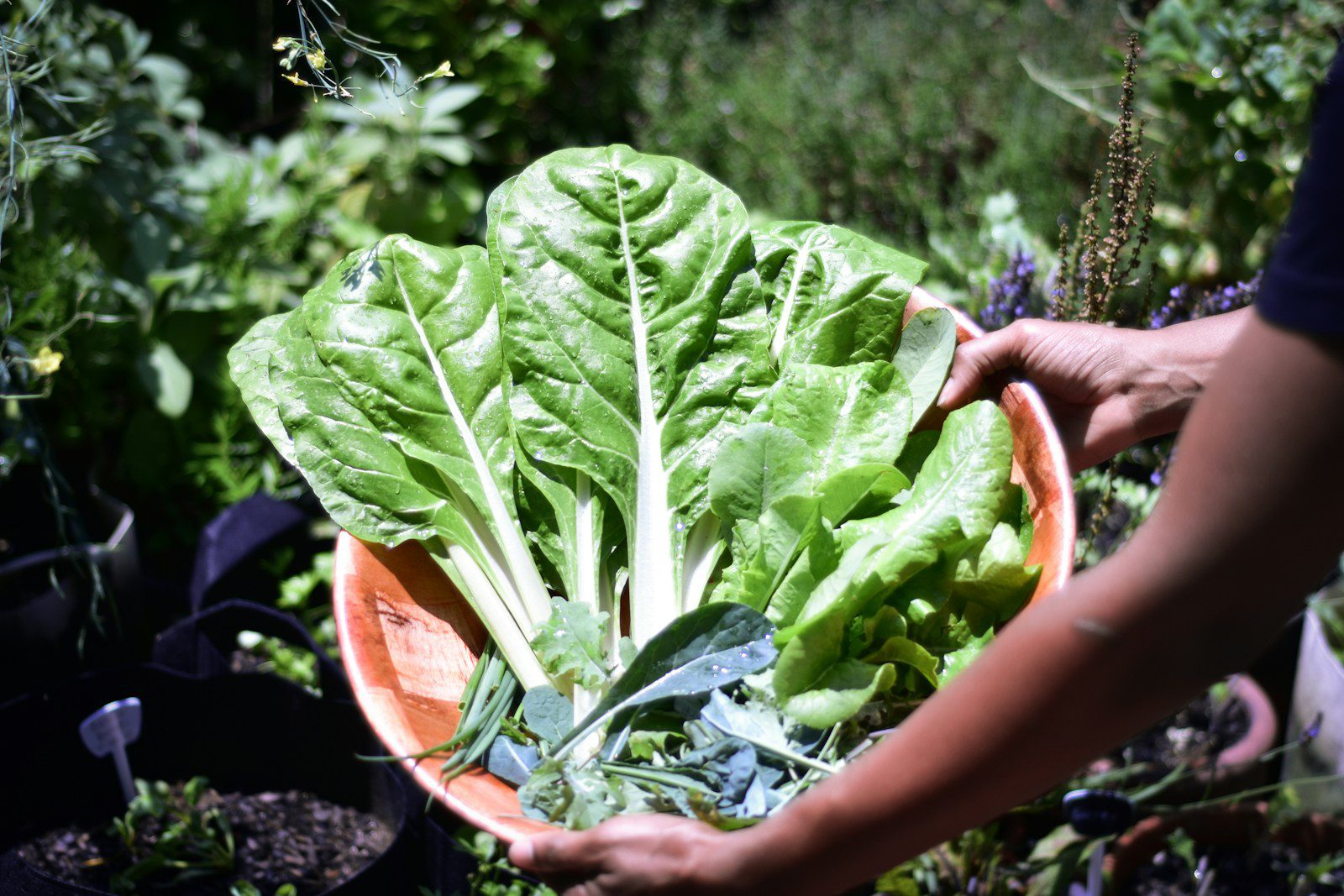
Just like spinach, kale is another leafy green that’s high in nutrients but also often high in pesticide residues. Organic kale is grown using natural pest control and fertilizing methods, making it a healthier choice.
Plus, research suggests that organic kale may have a higher concentration of antioxidants, which are vital for preventing diseases and promoting overall health. So, when you’re making your favorite kale salad, go organic!
The Case for Buying Organic Apples


Apples are one of the most pesticide-laden fruits. With organic apples, you’re not only avoiding these pesticides but also likely getting a fruit that’s more nutritious and flavorful. So, whether you’re making a pie or enjoying a fresh, crisp apple, consider going organic.
Don’t forget about apple juice and cider, too. If these products are made from non-organic apples, they can contain the same pesticide residues. So, look for the organic label on these apple products as well.
Why You Should Always Buy Organic Grapes


Grapes, both table grapes and those used for wine, are another fruit that’s heavily sprayed with pesticides. By choosing organic grapes, you’re protecting yourself from these chemicals. And let’s not forget about raisins — if grapes are high in pesticides, then so are the dried version.
And it’s not just about health. Many people find that organic grapes have a superior flavor, making your fruit salad or glass of wine that much more enjoyable.
The Advantages of Organic Celery
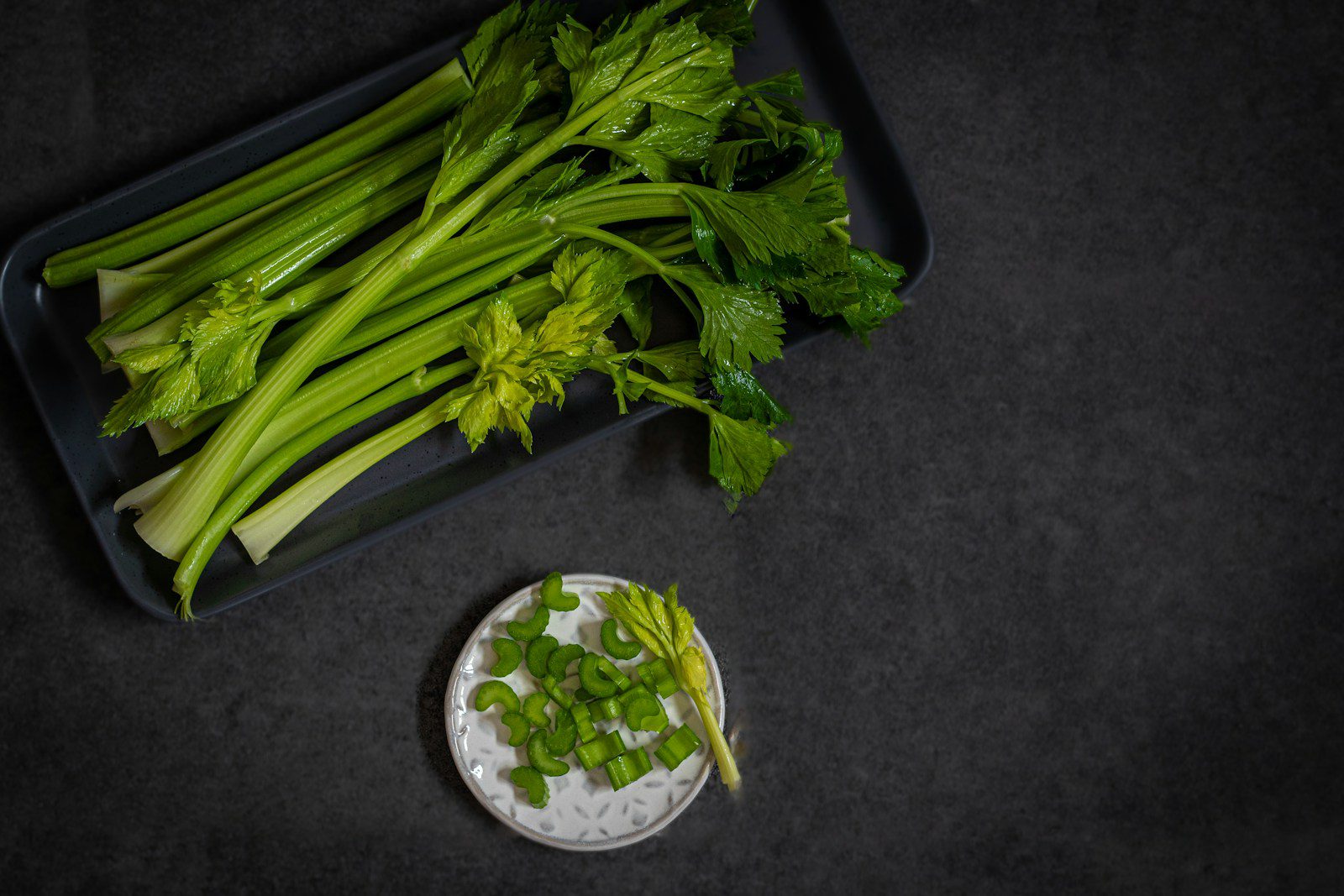
Celery might seem like a humble vegetable, but it’s a staple in many recipes. It’s also on the “Dirty Dozen” list, meaning it’s often high in pesticide residues. Organic celery is a safer choice, grown without these synthetic chemicals.
And while you might not think of celery as a nutrient-packed vegetable, it actually contains a decent amount of vitamins A, K, and C. By choosing organic, you’re likely getting more of these beneficial nutrients.
Organic Cherry Tomatoes: A Wise Investment
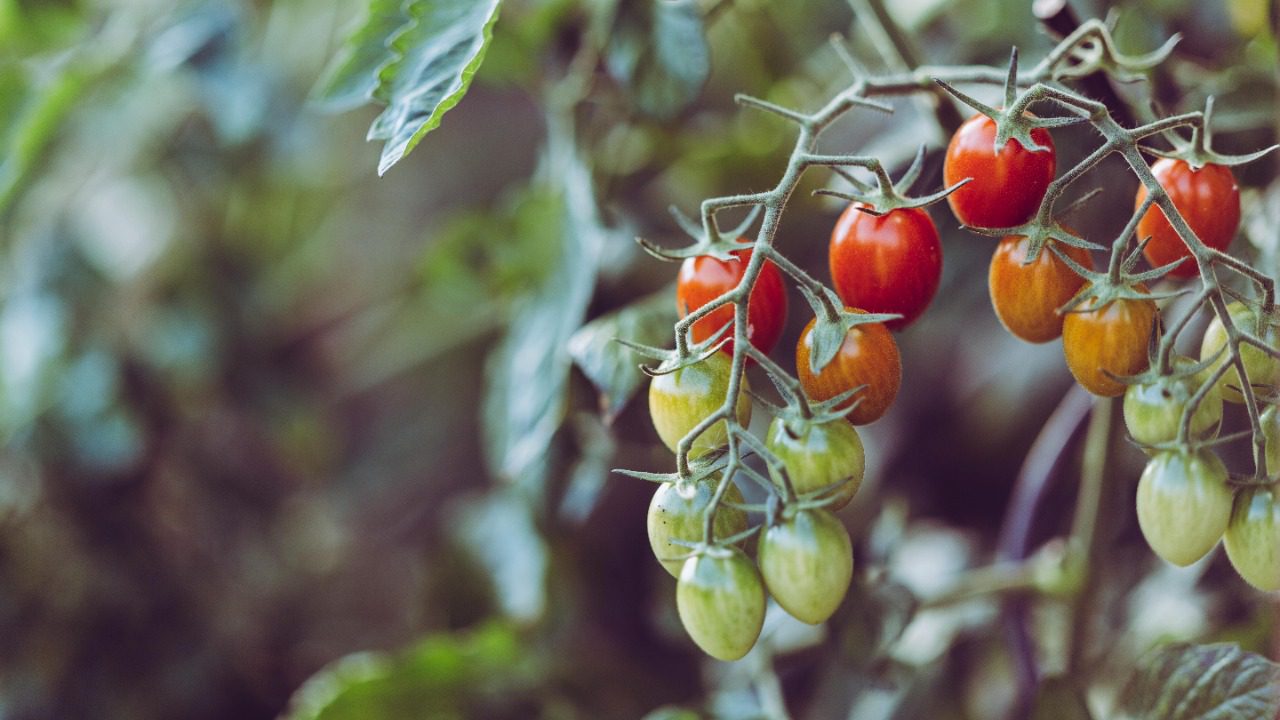
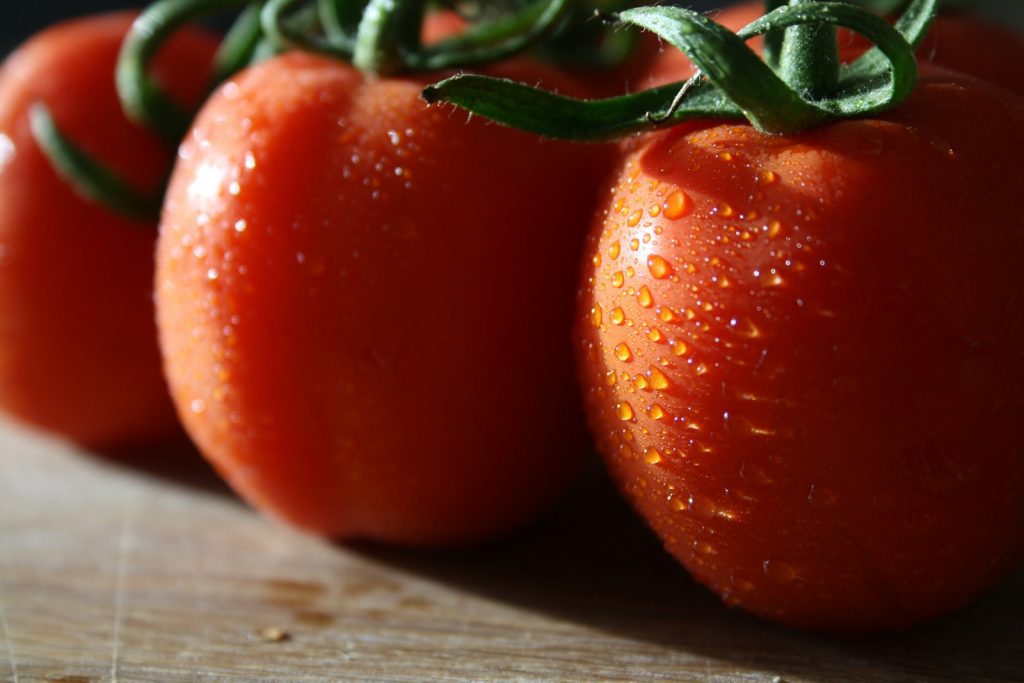
Cherry tomatoes add a burst of flavor to salads, pastas, and many other dishes. But did you know they can contain higher levels of pesticide residues? By investing in organic cherry tomatoes, you’re ensuring that these tiny, tasty vegetables are free from harmful chemicals.
Plus, organic cherry tomatoes often have a more intense, sweet flavor. So, you’re not only making a healthier choice but also a tastier one!
The Health Perks of Organic Sweet Bell Peppers


Sweet bell peppers are a colorful addition to any meal, but they’re another vegetable that can have high pesticide levels. Organic sweet bell peppers are grown without these chemicals, making them a healthier choice.
Additionally, organic bell peppers often have more vitamins and antioxidants. So, when you’re chopping up peppers for your stir-fry or stuffing them for a delicious meal, consider going organic.
Organic Cucumbers: A Smart Choice

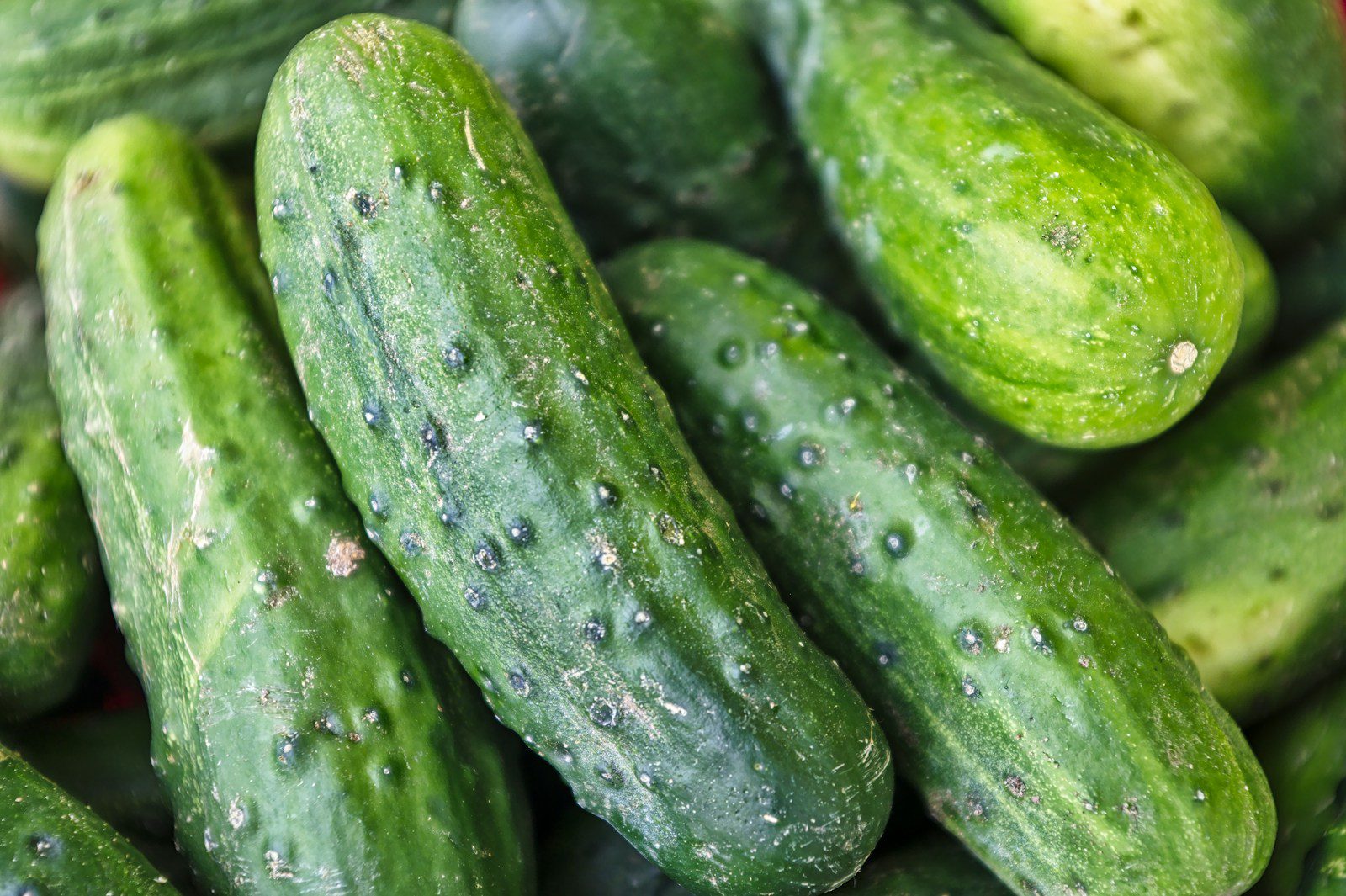
Cucumbers are refreshing and hydrating, but non-organic ones can come with a side of pesticide residues. Organic cucumbers are grown without these harmful chemicals, making them a smarter choice for your health.
And just like many other organic fruits and vegetables, organic cucumbers often have more beneficial nutrients. So, for your salads, sandwiches, or even your infused water, organic cucumbers are the way to go.
Organic Potatoes: Why They’re Worth It

Potatoes are a staple in many people’s diets, but conventional potatoes often have high pesticide levels. By going organic, you’re ensuring that your mashed, baked, or fried potatoes are free from these chemicals.
Plus, some studies suggest that organic potatoes may have more beneficial nutrients than conventionally-grown ones. So, for the healthiest potatoes, go organic.
The Merits of Organic Lettuce

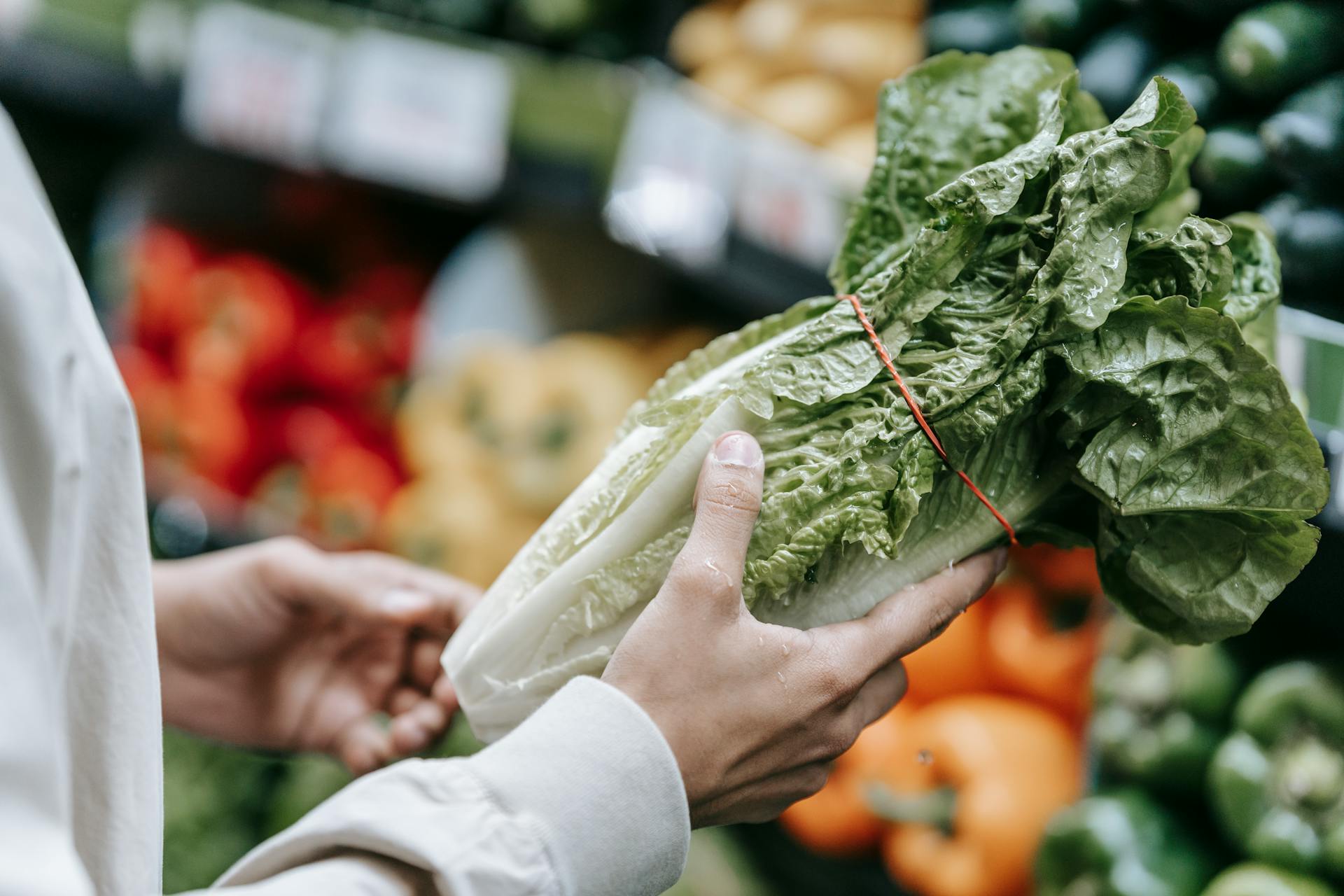
Whether it’s romaine, iceberg, or butterhead, lettuce is a staple in salads. But non-organic lettuce can contain pesticide residues. By choosing organic, you’re making a healthier, safer choice.
And like many other organic vegetables, organic lettuce often has more beneficial nutrients. So, for the healthiest, tastiest salads, opt for organic lettuce.
Choosing Organic Peaches for Better Health
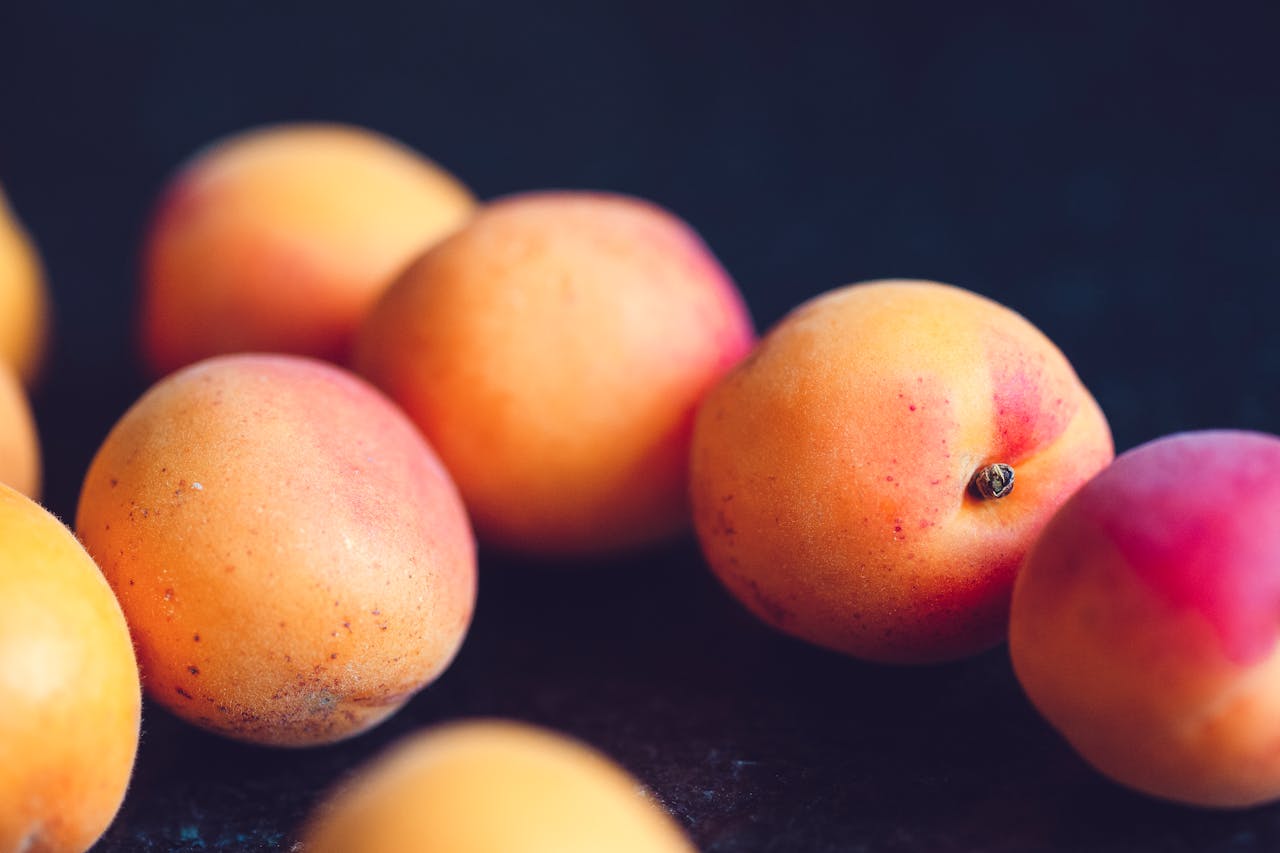
Peaches are a delicious summer fruit, but they’re often heavily sprayed with pesticides. Organic peaches are grown without these harmful chemicals, providing a healthier, safer choice.
Plus, many people find that organic peaches have a more intense, sweet flavor. So, for the healthiest, tastiest peaches, go organic.