


Wasting food is a common problem that many of us face without realizing it. You might be tossing out perfectly good ingredients simply because you think they’ve gone bad.
By learning which foods last longer than you expect, you can save money and reduce unnecessary waste in your kitchen. This article will help you spot the items you’re likely throwing away too soon, so you can make the most of what you buy.
Butter, even when unopened, lasts longer than you think


You might be surprised how long butter stays good. Salted butter in the fridge can last up to five months, and if you freeze it, it can last for a whole year.
Even unopened butter holds up well when stored properly. Keep it wrapped tightly and refrigerated to maintain freshness.
If it smells off or looks discolored, it’s time to toss it. Otherwise, you can often use butter well past the date on the package.
Fresh eggs in the shell can keep for weeks refrigerated


You can store fresh eggs in their shells in the fridge for up to 3 to 5 weeks. Keeping them in the original carton helps protect their quality and prevents them from absorbing fridge odors.
Avoid washing eggs before storing, as the natural coating helps keep them fresh longer. Once washed, they need to be refrigerated to stay safe.
If you buy farm-fresh eggs, unwashed ones can last even longer at room temperature, but refrigeration is best to extend their shelf life.
Whole carrots stay crisp in the fridge for several weeks

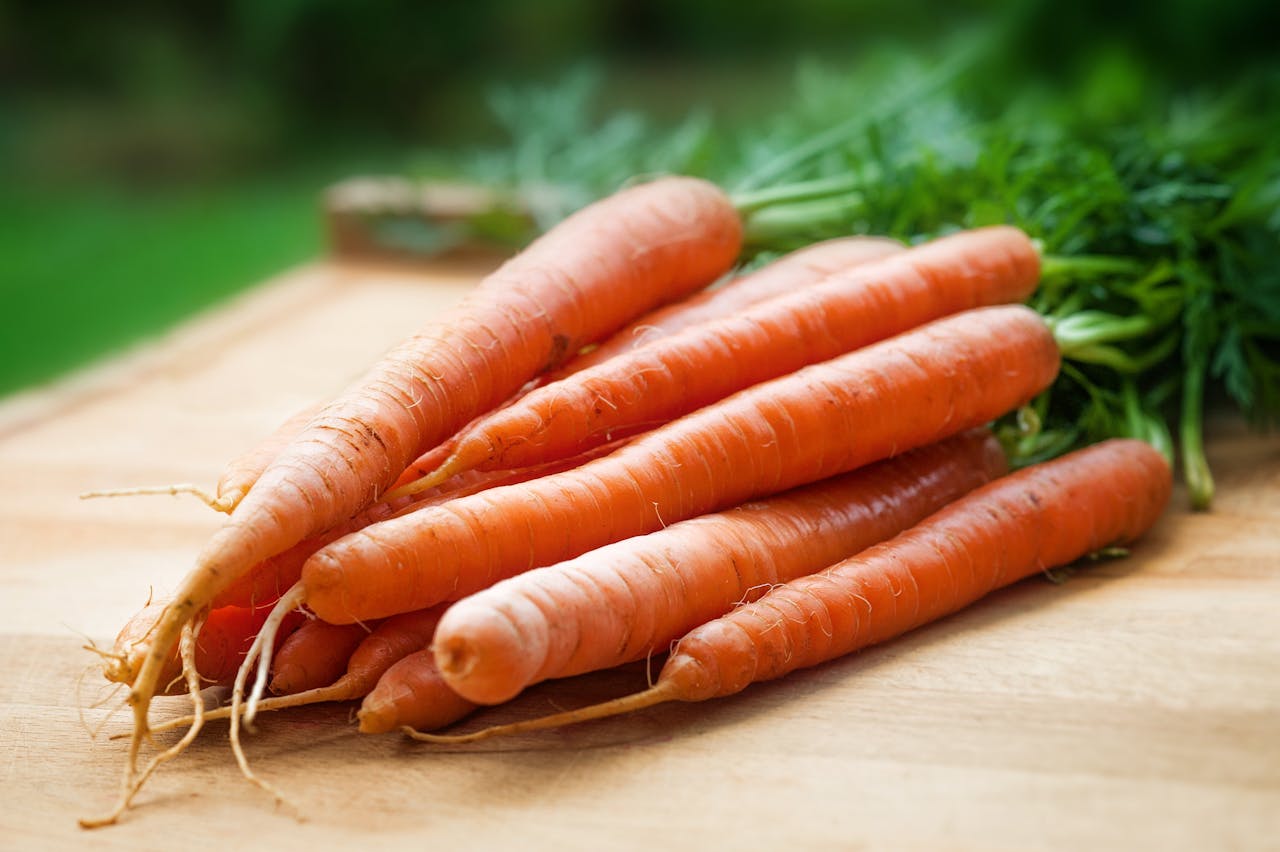
You can keep whole carrots fresh and crunchy for up to two or three weeks in your fridge. The key is to store them properly, either in an airtight container or in the crisper drawer to maintain moisture.
If your carrots came in a plastic bag, leaving them in it while refrigerating helps slow down drying out. Avoid washing carrots before storing, as excess moisture can shorten their lifespan.
Cabbage stays fresh much longer than leafy greens


You might be tossing cabbage too soon. When stored properly in a plastic bag in your fridge’s crisper drawer, a whole head can last up to two months.
Unlike delicate leafy greens that wilt quickly, cabbage holds up well over time. If you cut it, wrap the halves separately to keep them fresh longer.
This means you can enjoy cabbage later in the week after using your more perishable veggies first. It’s a simple way to reduce waste and save money.
Hard cheeses like Parmesan can be used past the sell-by date


You don’t have to toss Parmesan cheese as soon as the sell-by date passes. Hard cheeses like Parmesan can last for months if stored properly in the fridge.
If it looks and smells fine, it’s usually safe to eat. The flavor might get stronger over time, but that can be a good thing in cooking.
Just check for any mold or off smells before using. If you spot mold, cutting around it by at least an inch is typically fine for hard cheeses.
Potatoes keep well if stored in a cool, dark place

You can make your potatoes last much longer by storing them somewhere cool and dark. Aim for a temperature around 45°F to 50°F, like a pantry or basement.
Avoid the fridge, as cold temperatures can change their texture and flavor. Also, keep potatoes away from onions, which release gases that cause potatoes to spoil faster.
Check your potatoes regularly and remove any that show signs of sprouting or soft spots to keep the rest fresh.
Apples often last longer when kept in the fridge


You can keep apples fresh longer by storing them in your refrigerator. The cold slows down the ripening process, so they won’t spoil as quickly.
However, the fridge can draw moisture from apples, which might cause them to shrivel if left too long. Try keeping them in a plastic bag with holes to maintain some humidity.
Even when apples start to brown, they are usually still safe to eat. Just cut off any browned spots if you prefer.
Onion skins and ends can be saved for stock

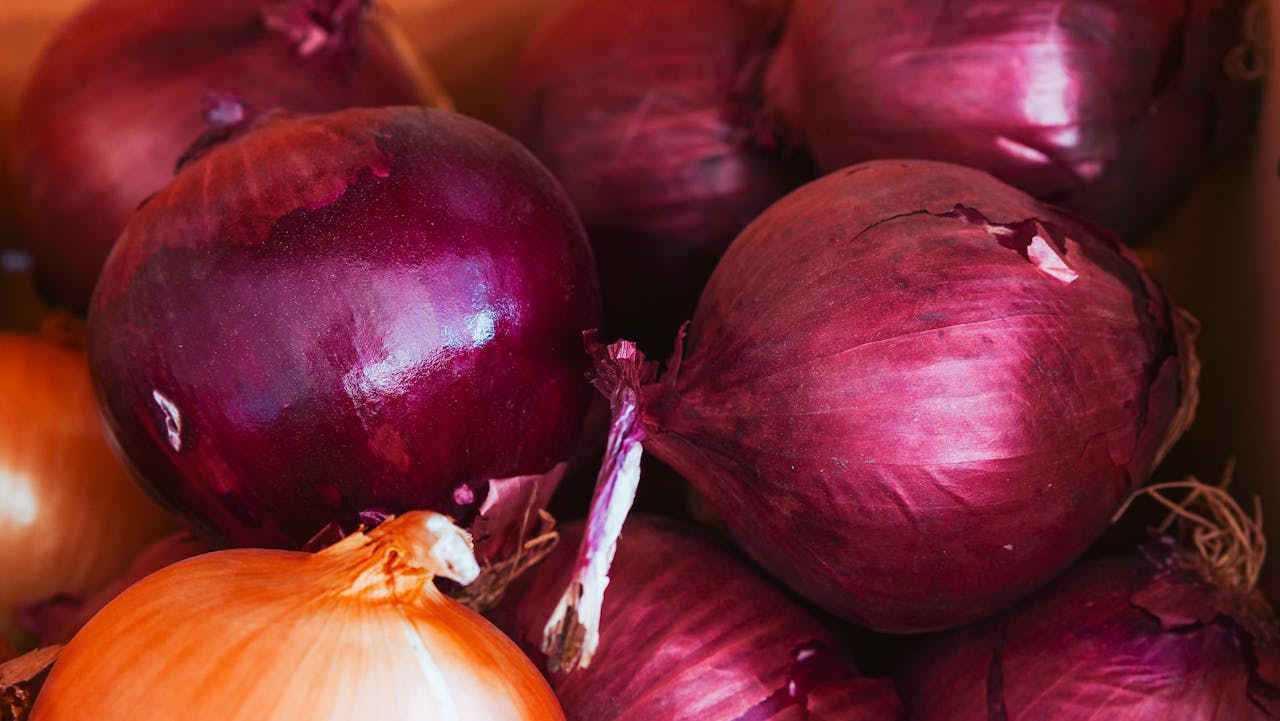
You don’t have to throw away onion skins and ends. They add a mild golden color and extra flavor to stocks and broths.
Simply save the outer layers and root ends after peeling and chopping onions. Toss them in your stock pot along with other vegetable scraps.
Using these parts helps reduce waste and enriches your homemade stocks without any extra cost or effort.
Stems of herbs like parsley are edible and nutritious
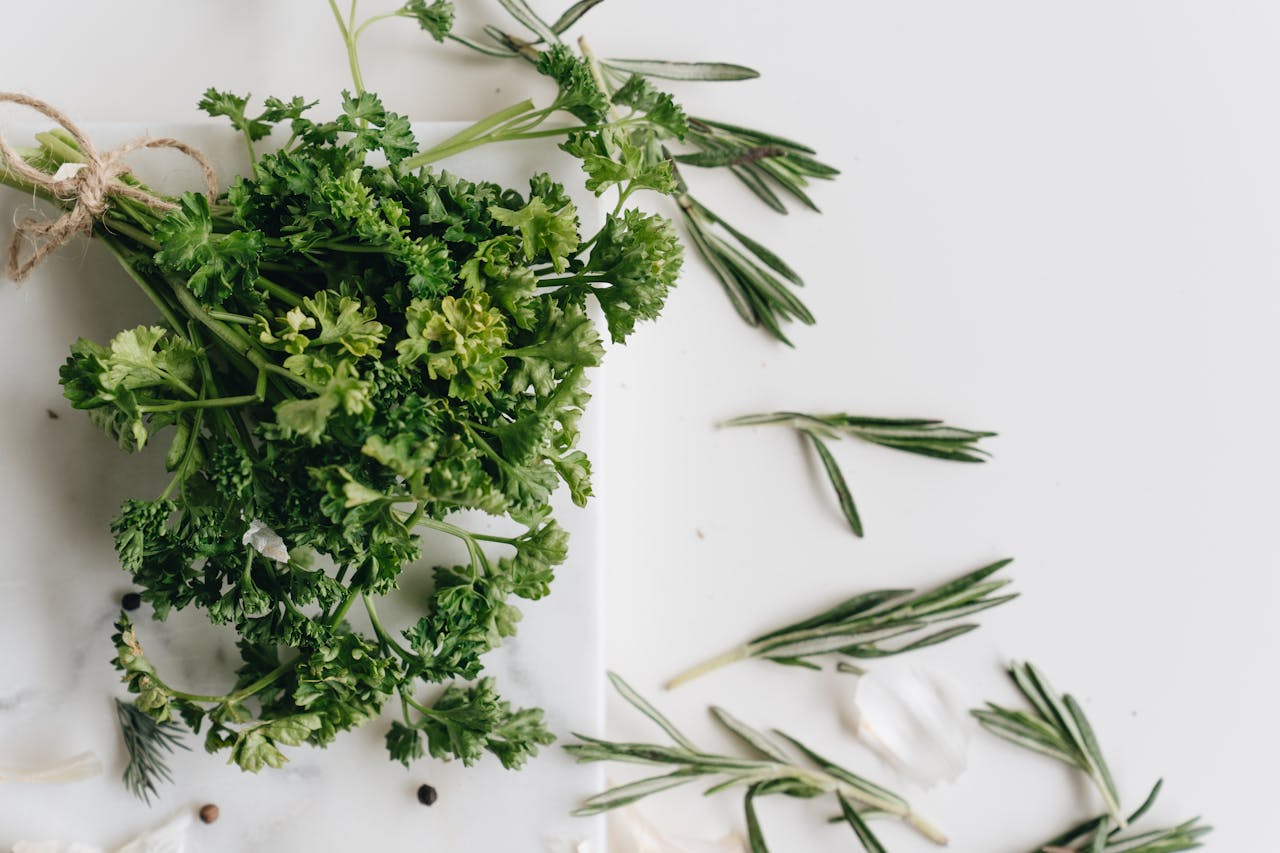
You don’t have to toss herb stems like parsley. They contain flavor and nutrients similar to the leaves.
Chop them finely and add to salads, soups, or sauces. They bring a fresh, mild taste without waste.
Using stems reduces food waste and saves you money. Give them a try next time you cook!
Bananas are great for smoothies when overripe


When your bananas get overripe, don’t throw them away. They are perfect for smoothies because their natural sweetness is at its peak.
Peel and chop the bananas, then freeze them for convenience. Frozen slices blend well and make your smoothie creamy without needing added sugar.
You can mix frozen bananas with milk, yogurt, or peanut butter for a quick, tasty treat. It’s an easy way to reduce waste and enjoy your fruit.
Milk close to expiring can be turned into yogurt

If your milk is nearing its expiration date, don’t rush to throw it out. You can easily turn it into homemade yogurt.
All you need is a little bit of starter yogurt and some patience while it cultures.
This is a simple way to extend your milk’s life and avoid waste. The milk should still smell fresh before you start.
Stale bread can be toasted or made into croutons


You don’t have to throw away stale bread. Toasting it brings back some crunch and makes it perfect for snacks or sandwiches.
Another easy option is turning stale bread into croutons. Just cube the bread, toss with olive oil and your favorite seasoning, then bake until crispy.
Croutons add a nice crunch to salads and soups while saving you money and reducing waste. Give it a try instead of tossing old bread!