


There’s a dangerous little myth floating around the world of collecting — that anything old must be worth a fortune. If only it were that simple. The truth? Plenty of “treasures” people have lovingly packed away for decades are worth little more than the dust covering them. Some were overhyped fads, others were mass-produced into oblivion, and many just haven’t aged into the hot collectibles people expected.
Armed with current resale data, insights from collector forums, and today’s market trends, we’re busting the myth wide open. Here’s the reality check on 12 once-loved items that aren’t bringing in the big bucks anymore — no matter how much nostalgia they hold.
1. Old Encyclopedias


Those bulky encyclopedia sets from the 1980s might look impressive on a shelf, but they’ve been replaced by a far more convenient alternative — the internet. With search engines and digital libraries available instantly, the demand for printed encyclopedias has plummeted. Even complete sets often struggle to find buyers.
The exceptions are rare first editions, limited runs, or sets in pristine condition, but most are worth very little and can be cumbersome to move or store. If they’re taking up space in your home, it may be more practical to donate them than try to sell them for profit.
2. Beanie Babies

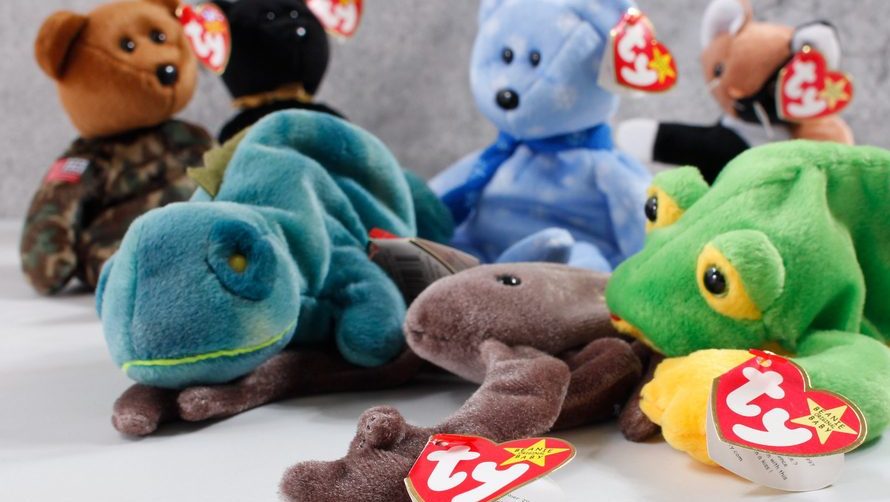
In the 1990s, collectors believed Beanie Babies would skyrocket in value, leading many to stockpile them in storage bins. While a handful of rare or misprinted designs still fetch high prices, the majority are worth just a few dollars.
The oversupply and dwindling collector interest have kept resale values low. Unless you own one of the famously rare versions — like the Princess Diana bear or certain early-production runs — your Beanie Baby collection is probably more sentimental than lucrative.
3. Old Electronics

VCRs, cassette players, and flip phones have nostalgic charm, but nostalgia doesn’t always translate into cash. The market for old electronics is niche, and buyers usually seek rare models in excellent working condition with original packaging.
Shipping costs can also hurt resale potential since these devices are often heavy and fragile. Unless you’re holding onto a rare, high-demand item like a first-generation iPod or a sought-after turntable, you’re unlikely to get much money for your old gadgets.
4. China and Porcelain Figurines
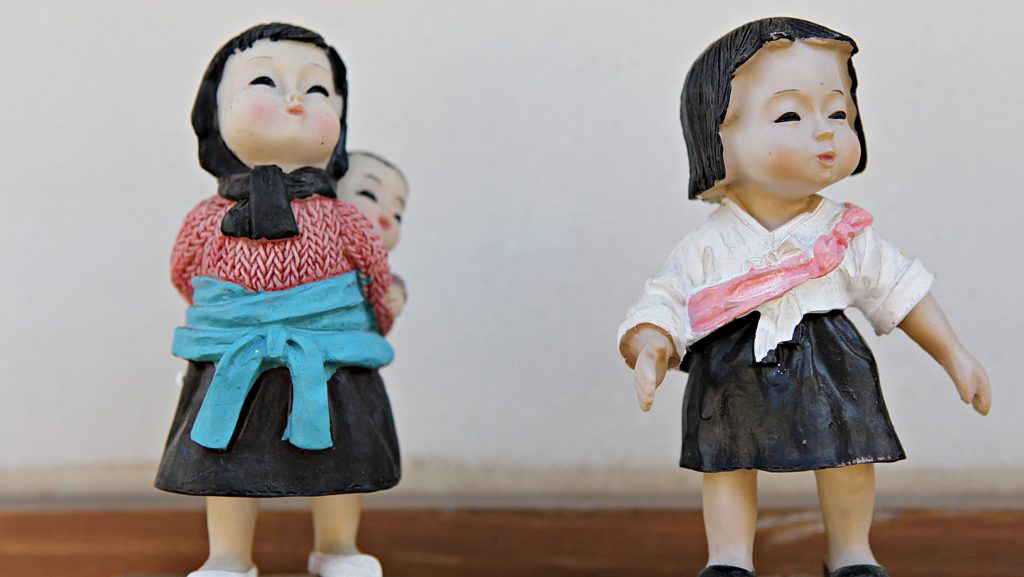
Brands like Lladro and Hummel once topped collectors’ wish lists, but demand has dropped in recent years. As tastes shift toward modern, minimalist décor, fewer buyers are interested in acquiring delicate figurines.
Common pieces, especially mass-produced ones, often sell for less than their original purchase price. Rare designs in excellent condition still have a market, but for most figurines, sentimental value outweighs resale potential.
5. Old Magazines

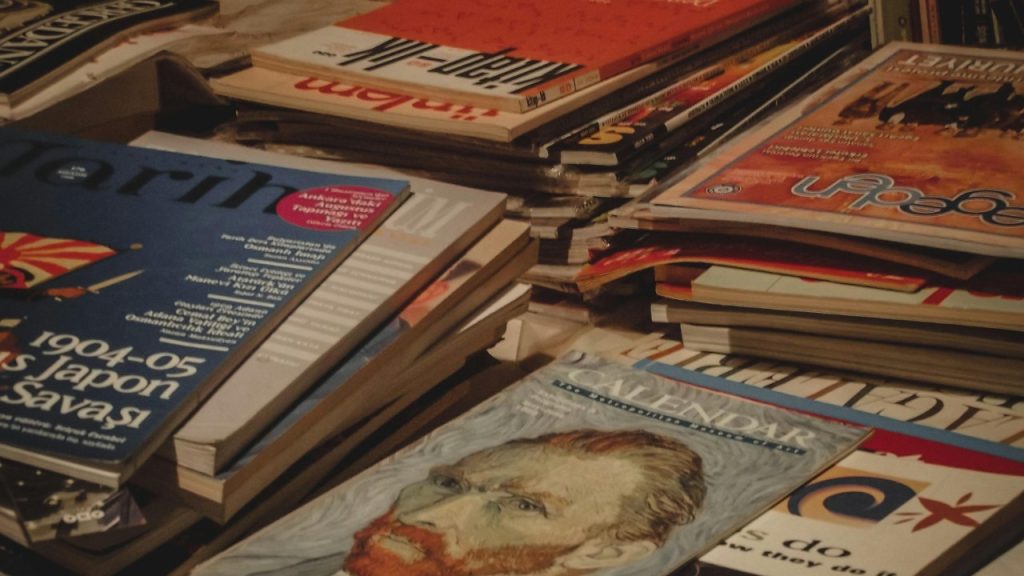
Old magazines can be fun to flip through, but most aren’t worth more than a few dollars. Exceptions exist for issues featuring major historical events, iconic celebrities, or rare first editions.
Unfortunately, the average stack of old publications takes up a lot of space and rarely finds eager buyers. Unless yours feature unique cultural moments, they may be better suited for donation or recycling.
6. Mass-Produced Furniture
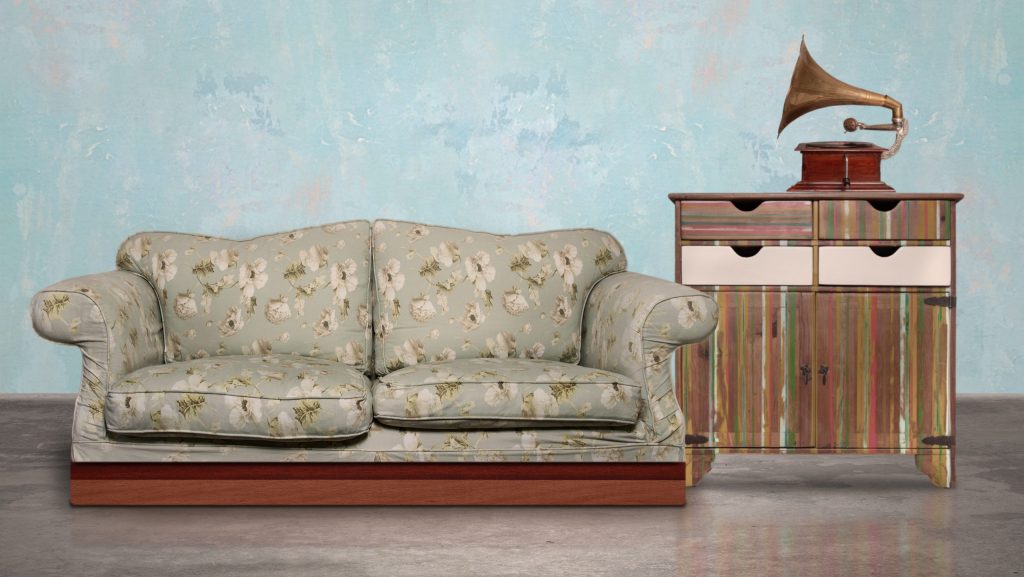
Mid-century modern furniture is trendy, but only certain pieces command high prices. Furniture made in large quantities with cheaper materials doesn’t hold the same value as handcrafted or designer pieces.
Signs of wear, damage, or poor construction can drop resale prices even further. If you’re hoping to profit from an old dresser or table, check for maker’s marks — those from reputable designers can still fetch good money.
7. Old Postcards
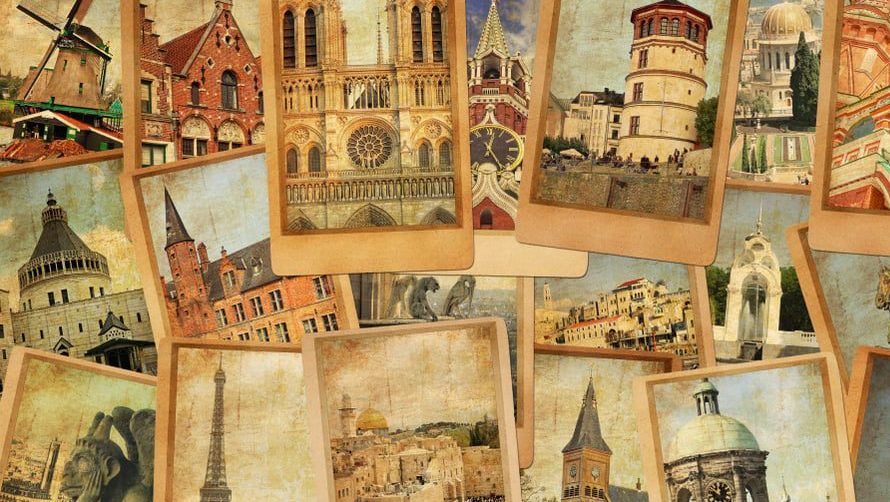
While vintage postcards depicting rare scenes or significant historical moments can have some value, most are common tourist souvenirs worth very little. The market is limited, and collectors tend to be highly selective.
Postcards in pristine condition, especially those with unique postmarks or from defunct locations, are the most desirable. The rest often sell for less than a dollar apiece.
8. Old Coins and Stamps
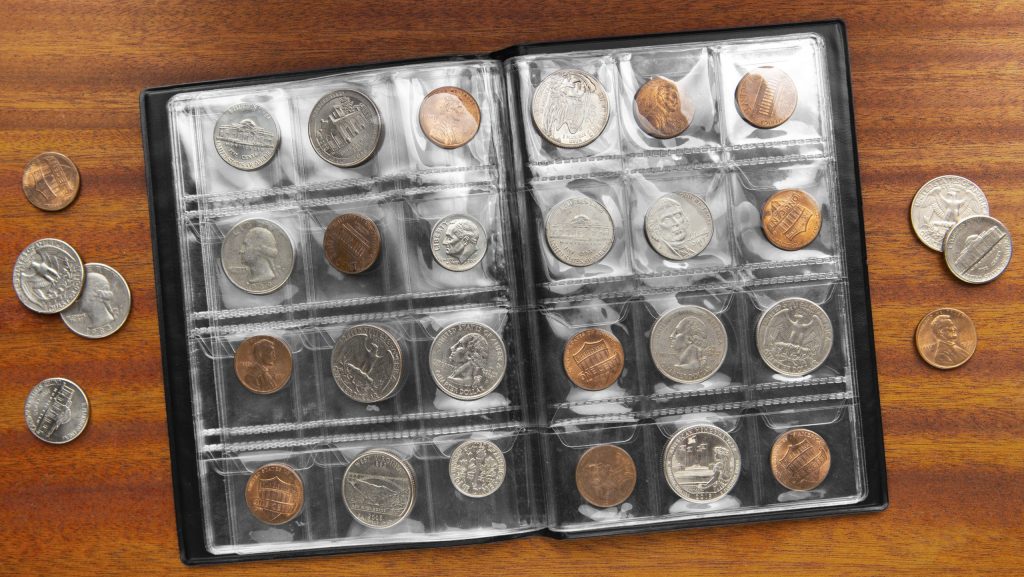
Coin and stamp collecting is a specialized hobby, and most pieces in circulation aren’t rare enough to bring in serious cash. Only limited editions, mint-condition items, or unique printing errors tend to attract significant offers.
For most collections, the value lies more in personal enjoyment than financial return. Unless you’ve had your items appraised and verified, it’s best to temper expectations.
9. Old Calendars

Calendars are designed to be temporary, so most vintage editions have little to no resale value. While a calendar featuring iconic artwork or a famous celebrity might attract niche buyers, the majority aren’t sought after.
Condition matters, too — faded pages or missing months make them even less appealing to collectors. Unless it has a rare or culturally significant design, it’s not likely to sell for much.
10. Comic Books
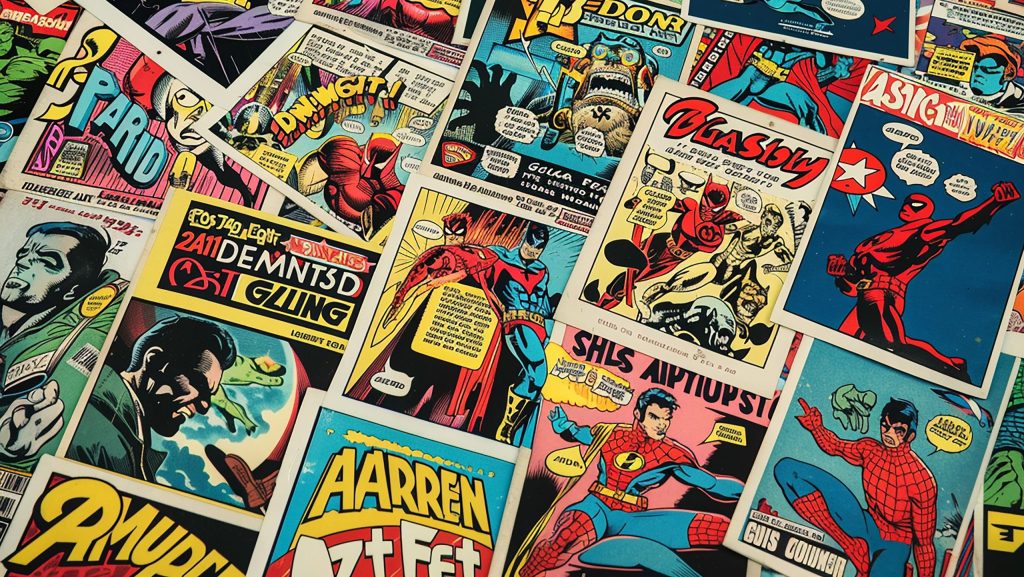
Comic books can be worth a fortune — but only under specific circumstances. First appearances of beloved characters, limited editions, or rare print runs tend to be the most valuable.
The vast majority, especially those printed after the 1980s, aren’t rare enough to fetch high prices. Condition is also critical — even a small crease or tear can drop the value significantly.
11. Old Toys
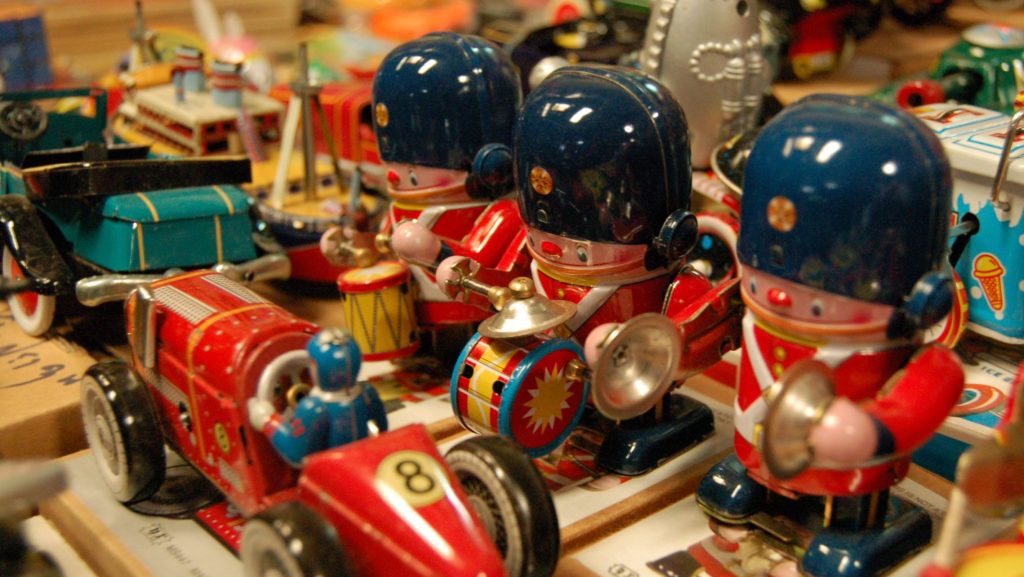
Vintage toys from before the 1960s in excellent condition can sell for impressive sums, but most toys made later were mass-produced and don’t command the same prices. Collectors look for rarity, brand recognition, and original packaging.
Without those qualities, most old toys — even if they spark nostalgia — will bring in only modest amounts on the resale market.
12. Old Records
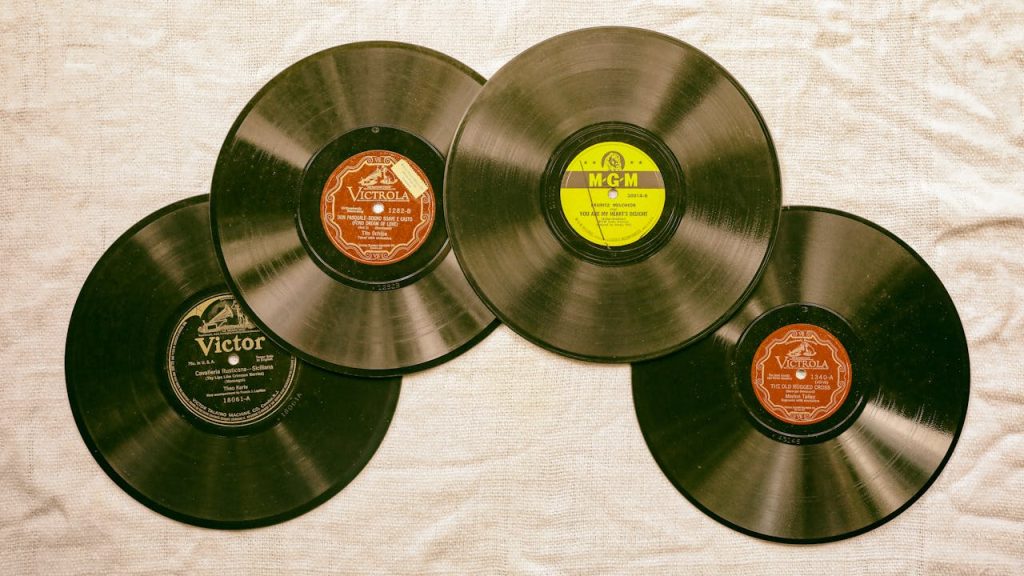
Vinyl has made a comeback, but that doesn’t mean every record is valuable. Common albums or those in poor condition often sell for only a few dollars.
Collectors seek rare pressings, limited editions, or records from iconic artists in excellent shape. Without those factors, your old vinyl is more likely to be enjoyed on a turntable than cashed in for profit.