


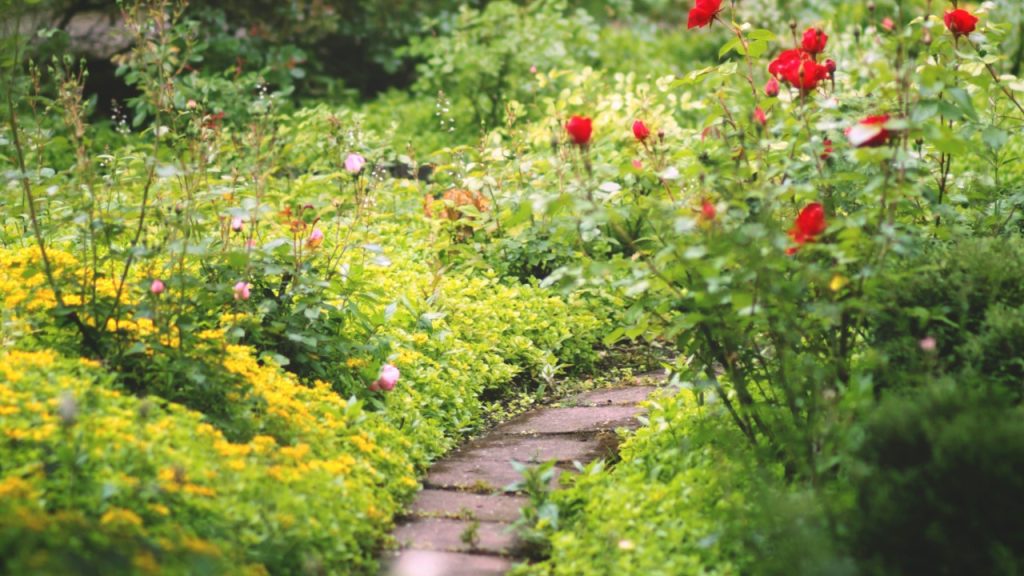
As a passionate gardener, I’ve spent countless hours tending to my plants, coaxing them to flourish. But over the years, I’ve learned that not all plants are worth the time and effort. Some plants can be more trouble than they’re worth, either because they’re difficult to grow, they’re invasive, or they’re not particularly beneficial to the garden ecosystem. In this post, I’ll share my list of 12 garden plants I’ll never grow again, and the reasons why. Hopefully, my experiences can help you make more informed decisions about what to plant in your garden.
1. Mint

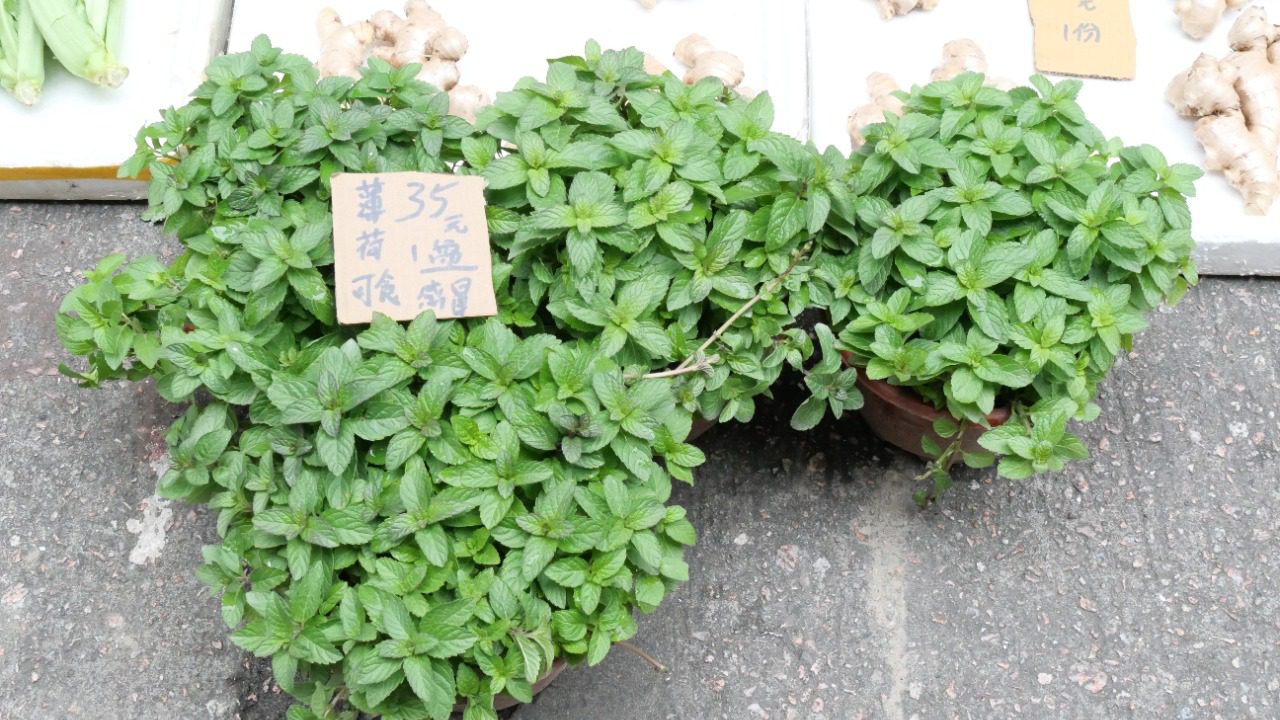
Mint may seem like a harmless herb, but it’s known for its invasive tendencies. Once established in your garden, it quickly spreads, choking out other plants. While it’s nice to have fresh mint for your mojitos, the effort required to keep it in check can be overwhelming. Mint also attracts pests like aphids and spider mites. If you still want to grow mint, consider planting it in a pot to prevent it from spreading.
2. Bamboo
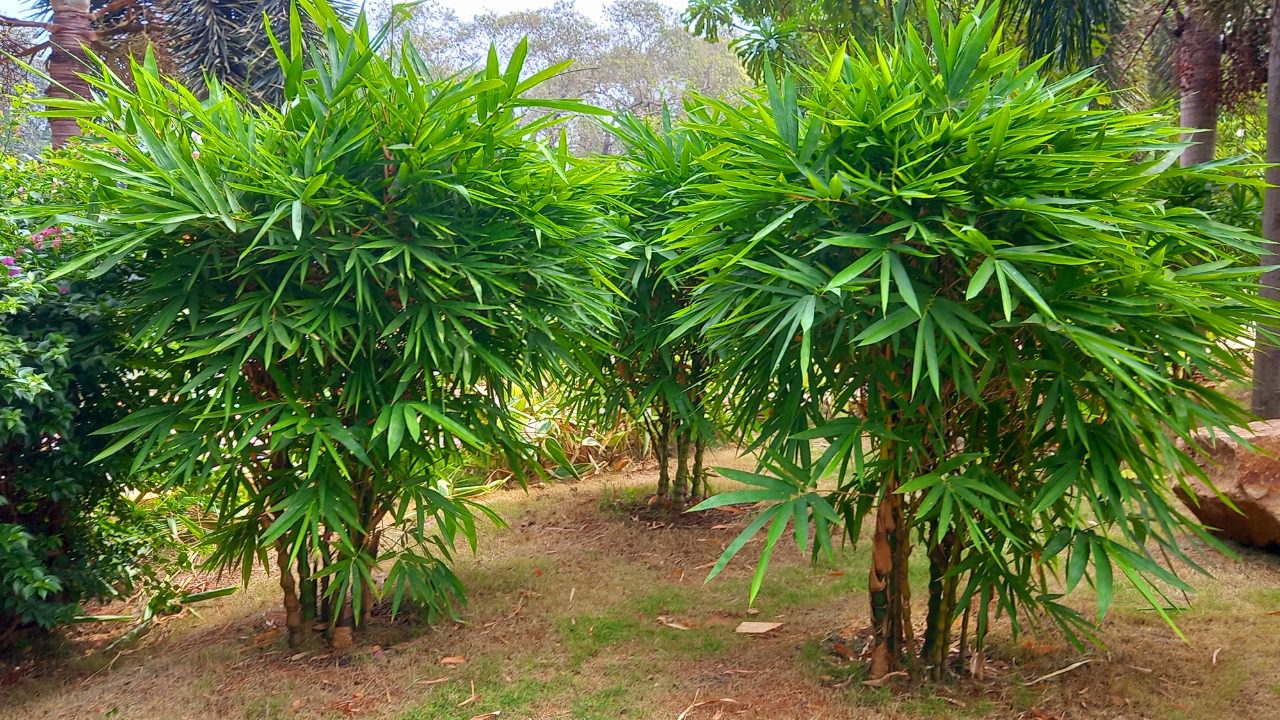
Bamboo is another plant notorious for its invasive nature. It grows at an alarming rate, quickly taking over your garden and beyond. Unless you have a panda to feed, it’s not worth the hassle. The root system of bamboo is particularly robust, making it hard to eradicate once it’s established. There are some non-invasive, clumping varieties, but make sure you do your research before planting any bamboo.
3. Morning Glory
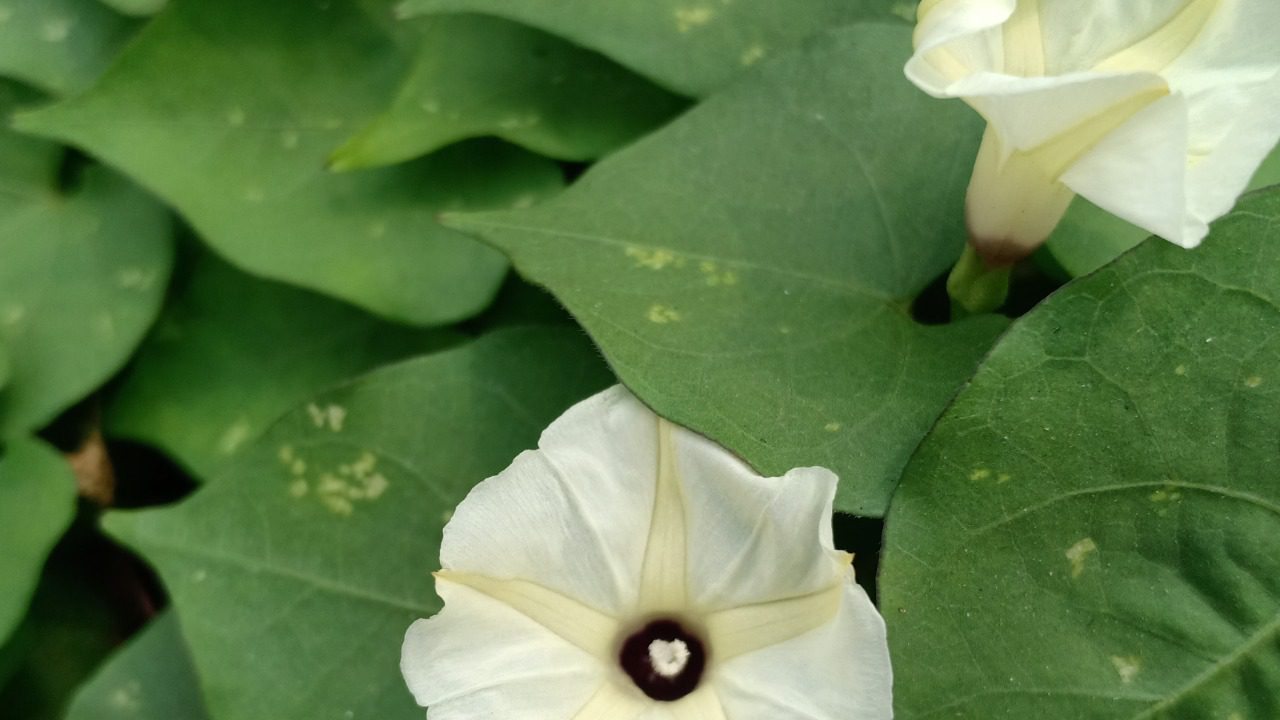
While the flowers of the morning glory are undeniably beautiful, this plant can become a nuisance. It’s a vigorous climber and can quickly overwhelm fences, shrubs, and even small trees. Morning glory seeds are also toxic if ingested, posing a risk to children and pets. Like mint and bamboo, once it’s established in your garden, it’s hard to control.
4. English Ivy
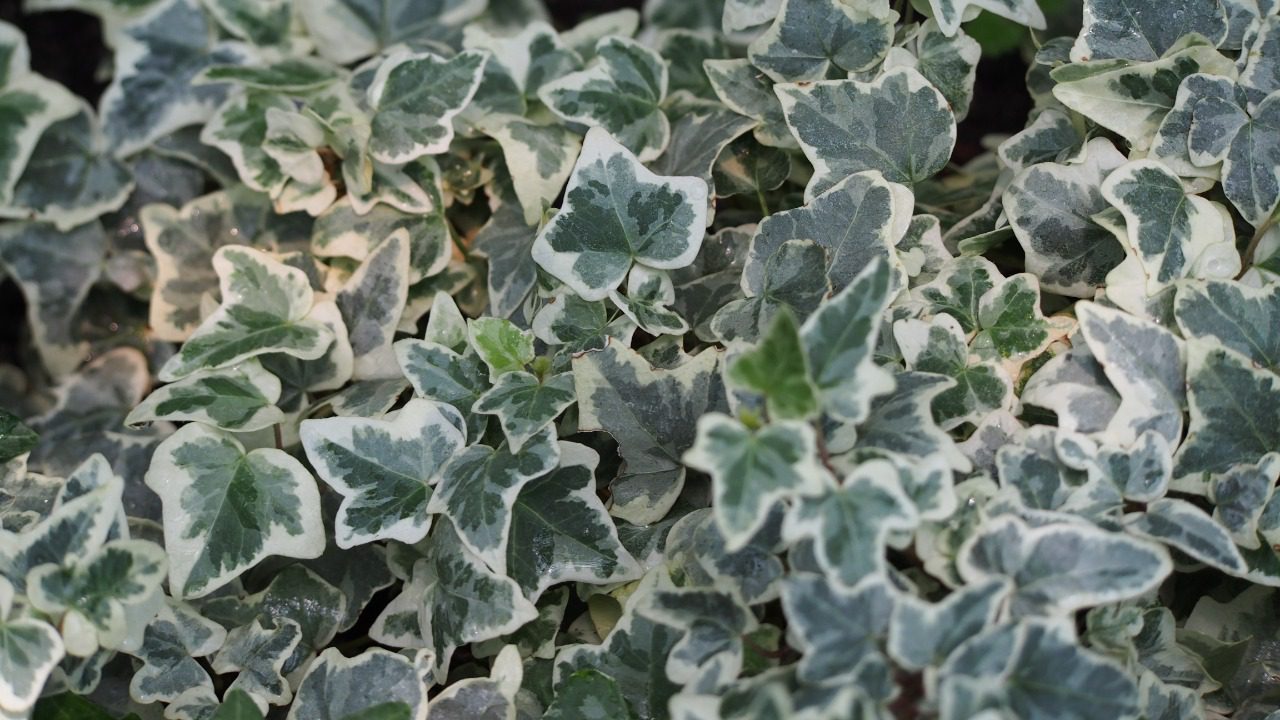
English ivy may look romantic climbing up the side of a building, but it can quickly turn into an uncontrollable monster. It not only invades your garden but can also damage your house. Ivy holds in moisture, which can lead to mold and mildew. It can also get into cracks and crevices, causing structural damage. If you love the look of ivy, consider a less aggressive climber like clematis.
5. Bradford Pear
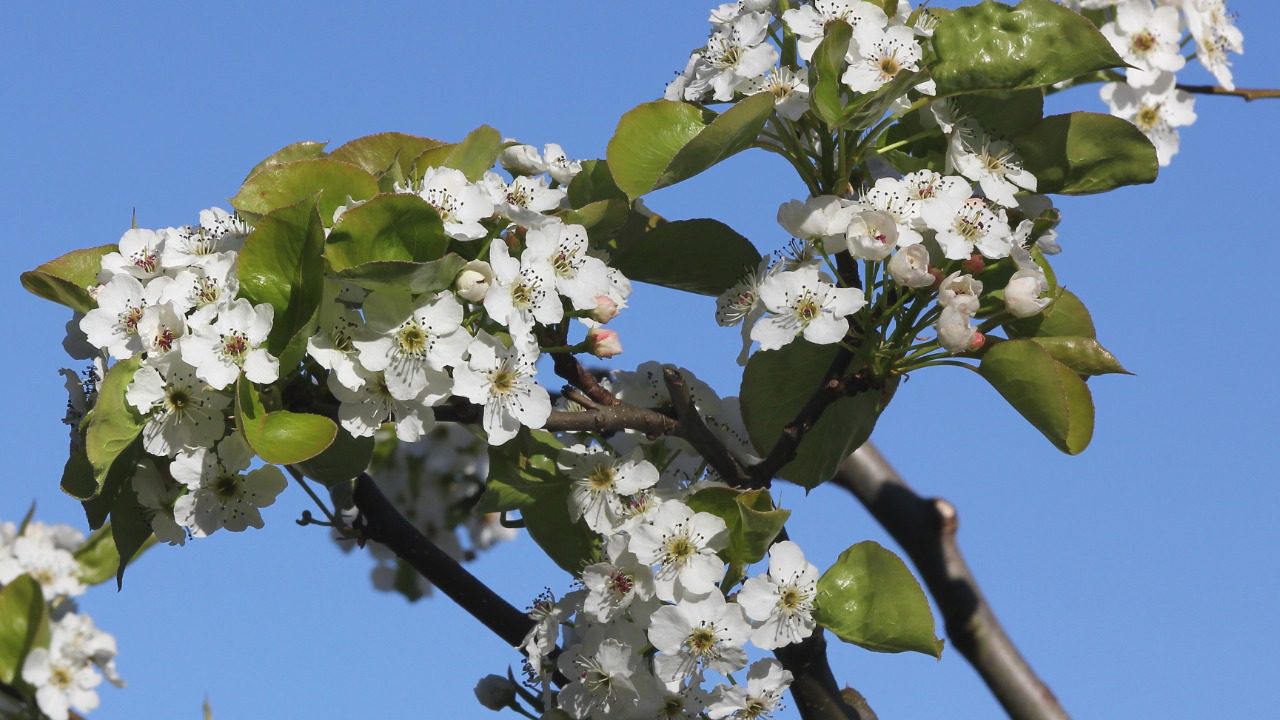
The Bradford pear tree is a popular choice for its beautiful spring blossoms. However, these trees have weak branches that are prone to breaking in high winds or heavy snow, creating a potential hazard. Moreover, despite the pretty flowers, they produce a pungent odor that many find unpleasant. There are many other flowering trees that are sturdier and smell better.
6. Russian Olive
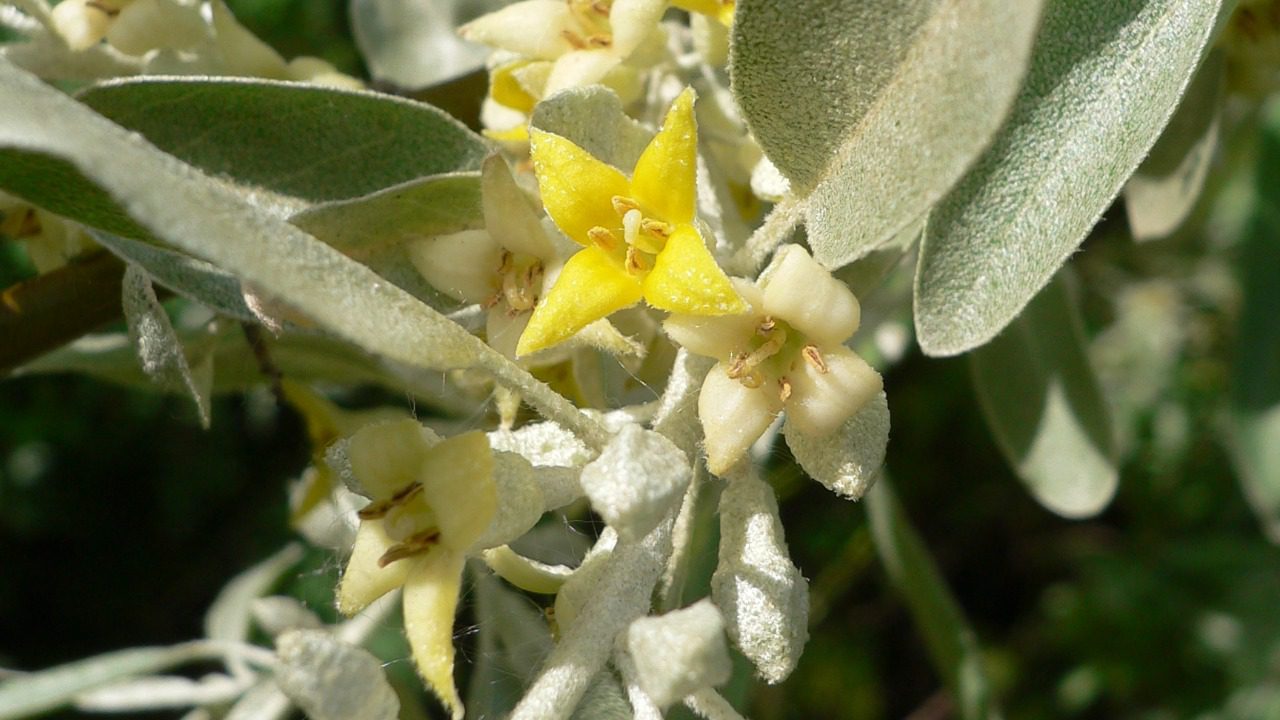
The Russian olive tree is another plant I won’t be planting again. It’s considered an invasive species in many areas because it can out-compete native plants for resources. This tree also has sharp thorns that can pose a risk to children and pets. While it does have attractive silver foliage, there are much better choices for your garden.
7. Goutweed
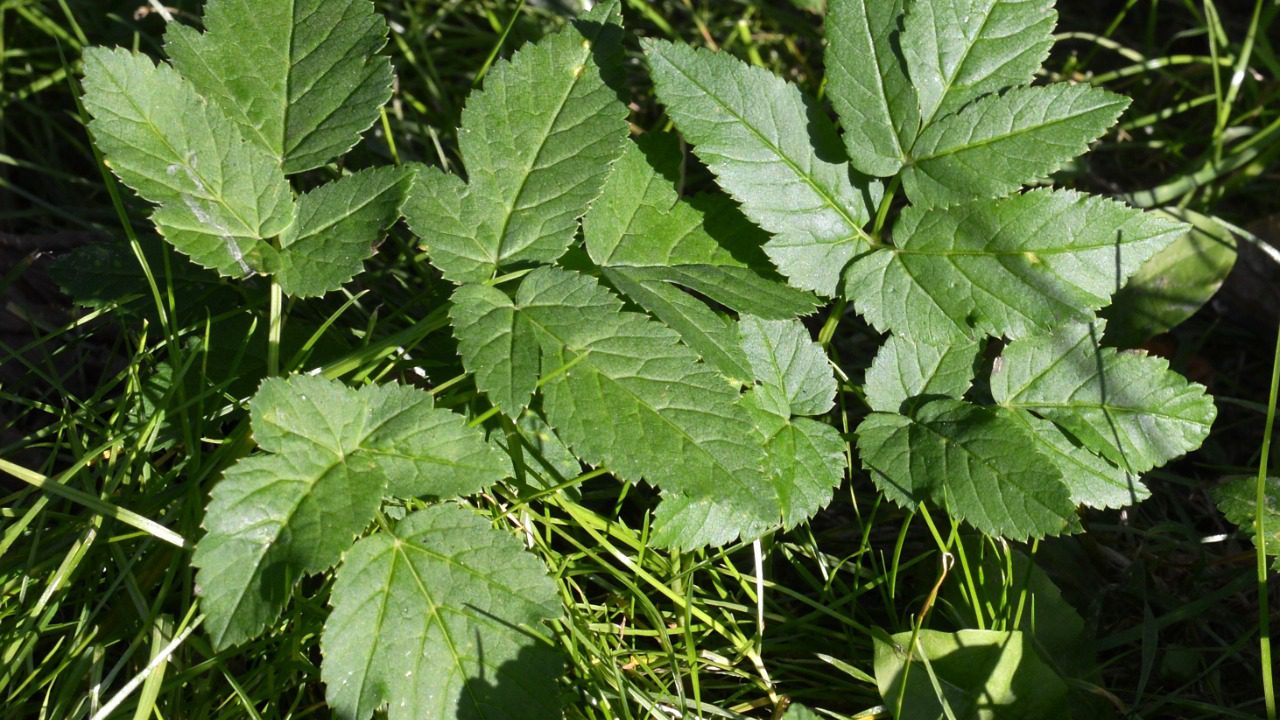
Goutweed, also known as bishop’s weed, is a ground cover that can quickly become a nightmare. It spreads rapidly and is extremely difficult to eradicate once established. Even worse, goutweed can choke out other plants and disrupt the balance of your garden. If you’re looking for a ground cover, consider native plants that are less aggressive.
8. Japanese Knotweed
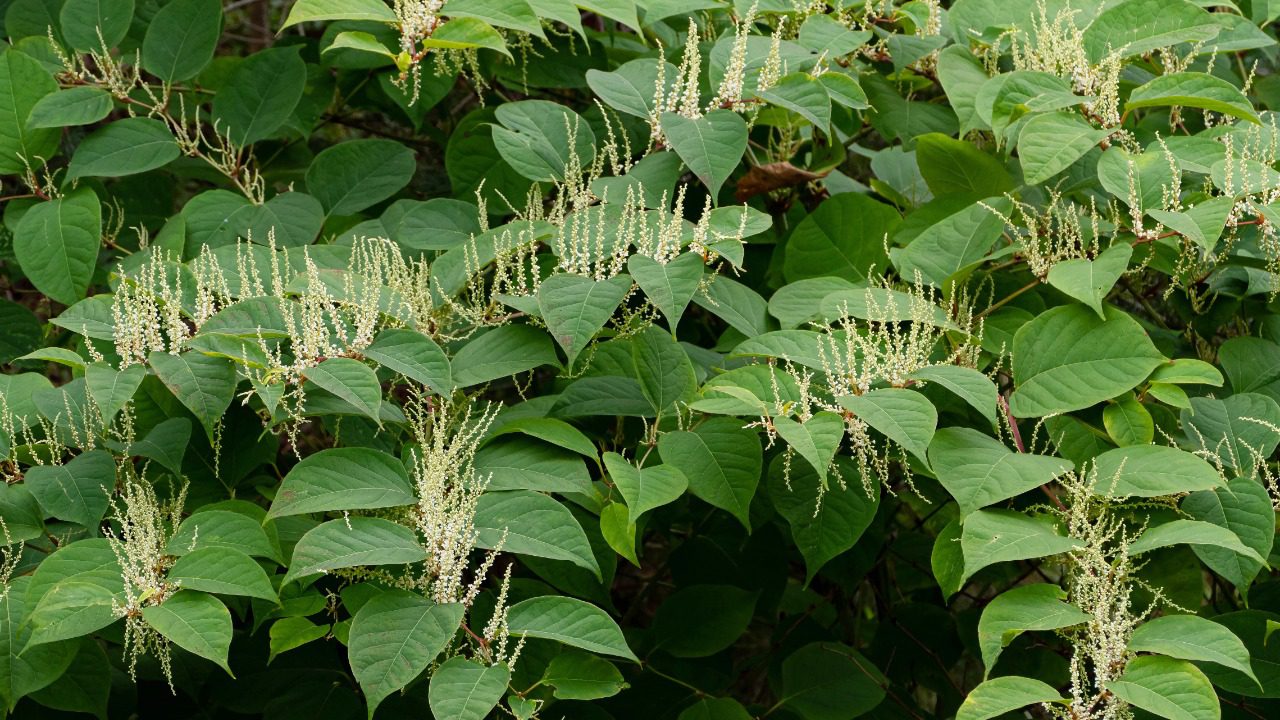
Japanese knotweed is one of the most invasive plants on the planet. It can grow through concrete, damaging foundations, driveways, and more. Getting rid of this plant can take years and often requires professional help. Avoid this plant at all costs.
9. Lombardy Poplar
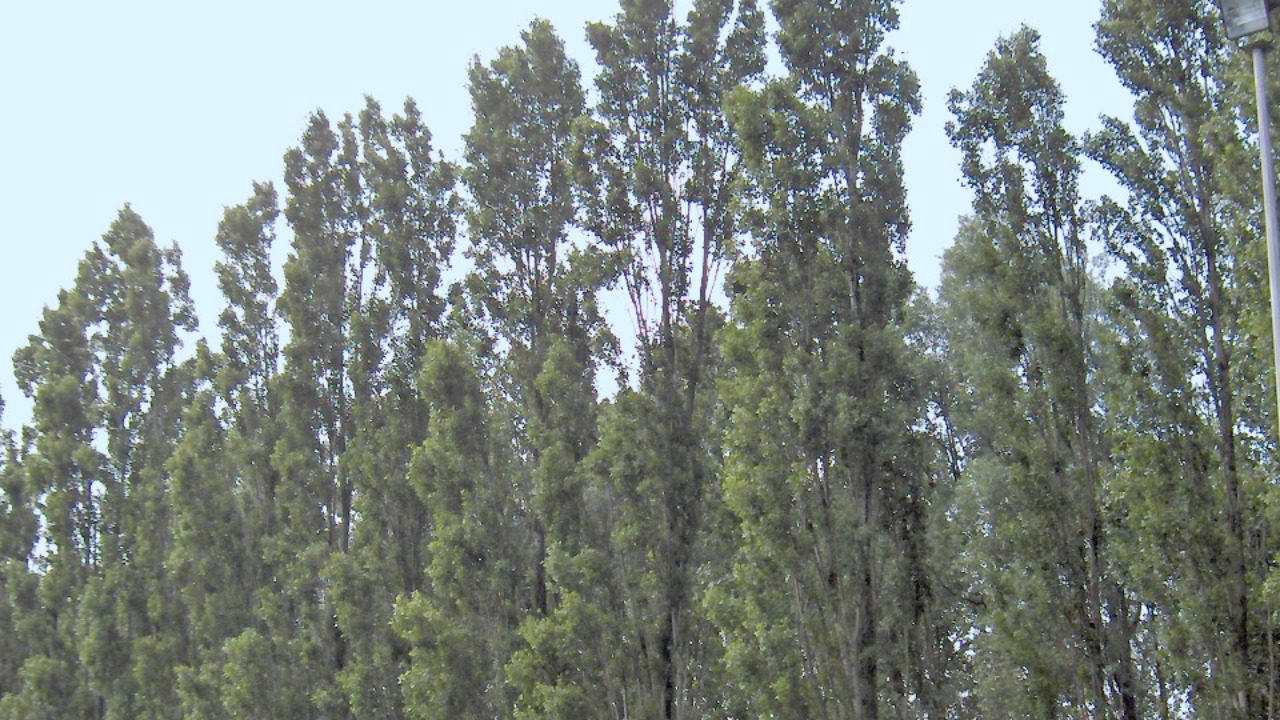
The Lombardy poplar is a fast-growing tree that can provide quick privacy. However, these trees are short-lived and prone to disease. These trees also have invasive root systems that can cause problems with plumbing and foundations. There are many other better choices for privacy screens.
10. Water Hyacinth
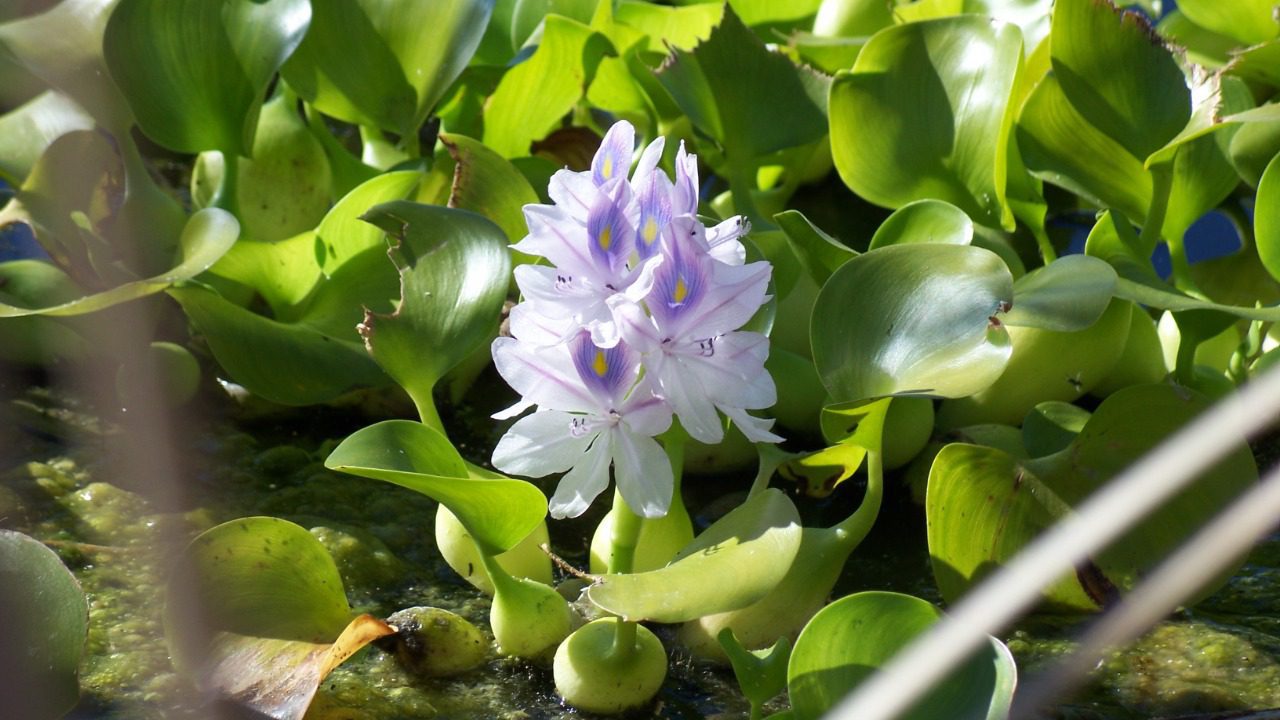
Water hyacinth may look pretty floating on your pond, but it can quickly become a problem. This plant reproduces rapidly, quickly covering the entire surface of the water. This can harm fish and other aquatic life by depleting oxygen levels in the water. There are many other aquatic plants that are less invasive.
11. Trumpet Vine
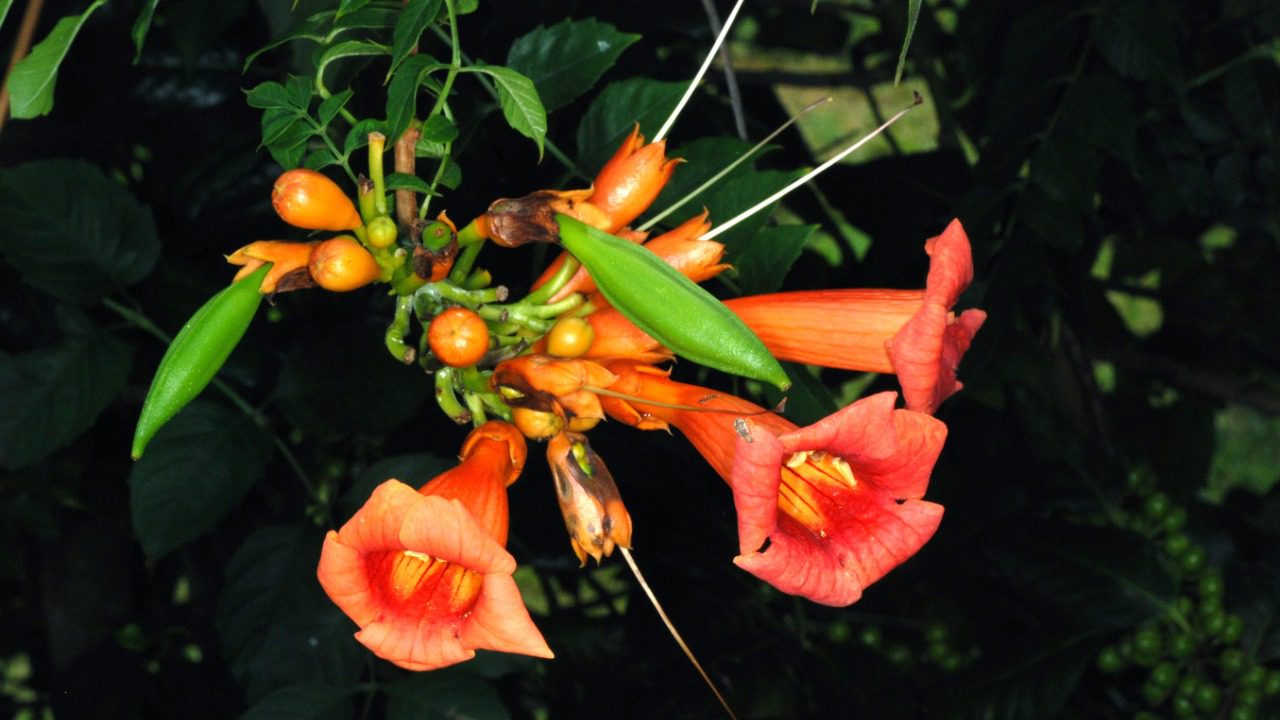
The trumpet vine is a fast-growing climber that can quickly take over your garden. It’s also very hard to get rid of once established. This plant also produces a lot of seeds that can spread to other areas of your garden. If you’re looking for a climber, consider a less aggressive plant like the honeysuckle.
12. Purple Loosestrife
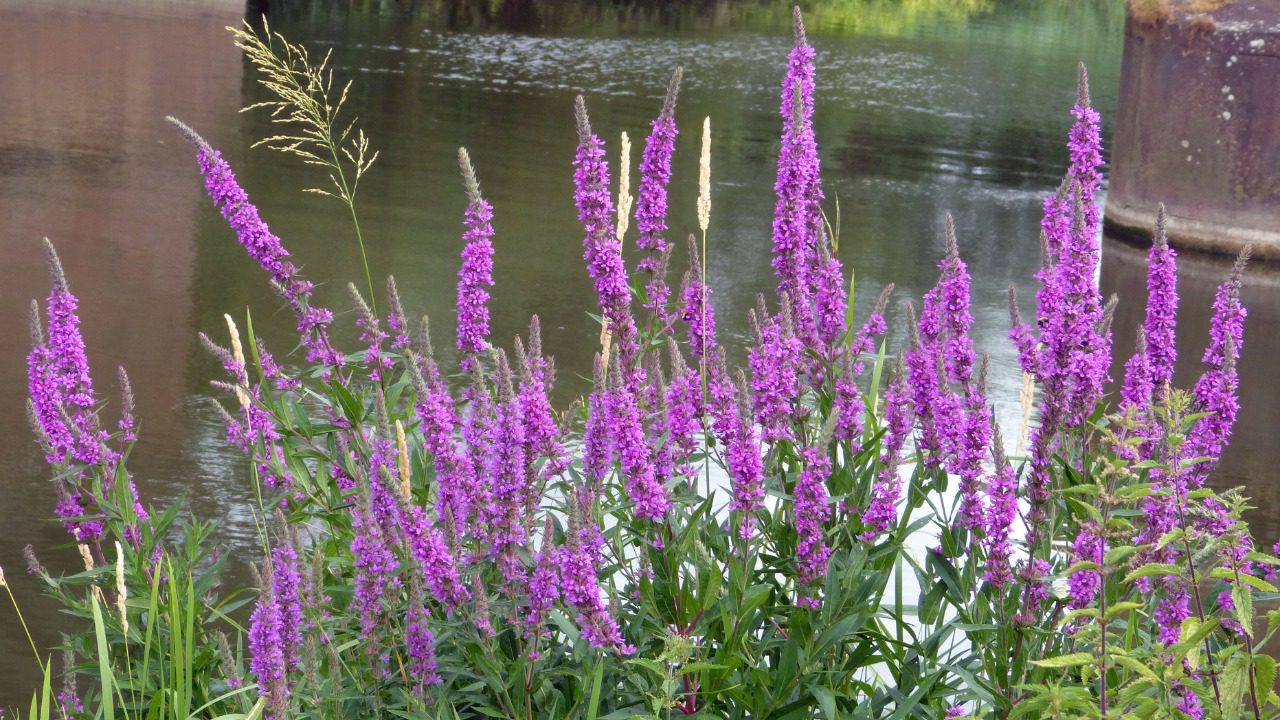
Purple loosestrife is a pretty plant that can quickly become a problem. It’s considered an invasive species in many areas and can crowd out native plants. Additionally, this plant does not provide a good food source for native wildlife. There are many other beautiful plants that are less problematic and more beneficial to the local ecosystem.